Managing Your Dog’s Pain: Natural Approaches
Explore evidence-based natural remedies and therapies to support your dog's comfort and wellbeing
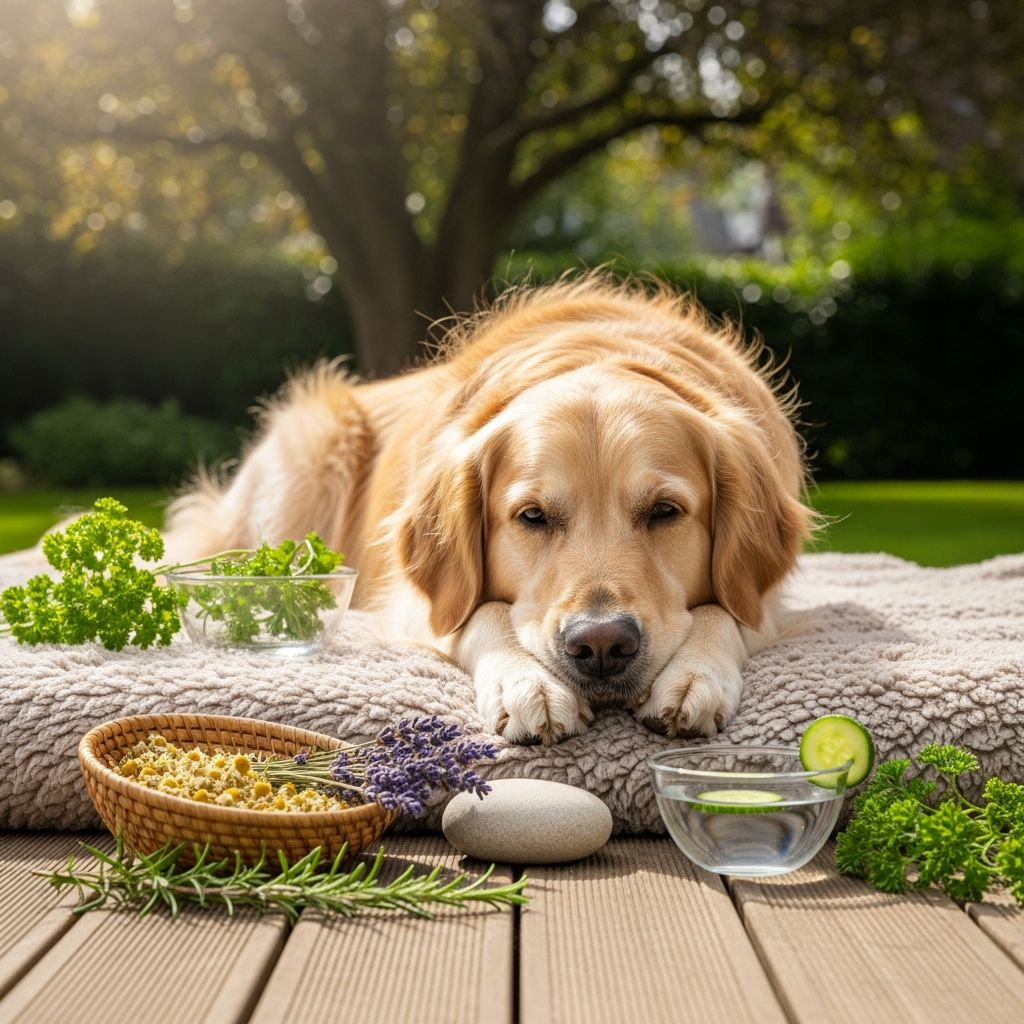
Managing Your Dog’s Pain: Natural Approaches to Comfort and Recovery
When our beloved canine companions experience discomfort, pet owners naturally seek ways to alleviate their suffering while maintaining their overall health and quality of life. While conventional pharmaceutical interventions remain an important option, an expanding body of research supports the effectiveness of natural pain management strategies. These approaches work by addressing inflammation, improving circulation, supporting joint health, and promoting relaxation through methods rooted in both traditional practices and modern therapeutic science.
Understanding the full spectrum of natural pain management options empowers dog owners to work collaboratively with veterinary professionals to create comprehensive treatment plans. Many of these natural methods can complement traditional pain medications, potentially reducing pharmaceutical dependency while enhancing overall wellness outcomes. Whether your dog is recovering from surgery, managing chronic arthritis, or dealing with acute injury, natural pain relief strategies offer valuable tools for supporting your pet’s recovery journey.
Recognizing Pain in Your Dog
The first step in addressing your dog’s discomfort involves recognizing the signs that pain may be present. Dogs communicate distress through behavioral and physical indicators that attentive owners can learn to identify. Changes in mobility patterns, reluctance to jump or climb stairs, decreased enthusiasm for activities once enjoyed, and alterations in sleeping positions all suggest potential pain. Additionally, behavioral shifts such as increased irritability, withdrawn demeanor, or unusual vocalization can indicate underlying discomfort.
Physical symptoms also provide important clues. Limping, stiffness particularly after rest, difficulty rising from lying positions, and muscle tension or spasms warrant veterinary evaluation. Some dogs may display obvious signs like swelling or heat in affected areas. Gastrointestinal changes, reduced appetite, and excessive licking or attention to specific body areas can also signal pain requiring attention.
Temperature-Based Therapies for Immediate Relief
Temperature manipulation represents one of the most accessible and immediately effective pain management strategies available to dog owners. These simple yet powerful techniques work through distinct physiological mechanisms and prove particularly valuable for different types of discomfort.
Cold Application Methods
Cold therapy decreases blood flow to affected areas, reducing inflammation and associated pain signals. This approach proves especially effective for acute injuries, post-surgical recovery, and conditions characterized by swelling. The constriction of blood vessels achieved through cold application helps minimize inflammation while numbing nerve endings that transmit pain sensations. For dogs recovering from orthopedic surgery or experiencing acute joint inflammation, cold therapy provides non-invasive relief that can be applied multiple times daily under proper supervision.
Applying cold packs wrapped in towels for 10-15 minute intervals allows dogs to tolerate the treatment comfortably. Always maintain a protective barrier between the cold source and your dog’s skin to prevent tissue damage. Alternatively, frozen towels or specialized cold therapy wraps designed for pets offer convenient solutions for home use.
Warm Therapy Applications
Heat therapy produces opposite physiological effects, dilating blood vessels to increase circulation and promote healing in chronically stiff or tense muscles. This approach works particularly well for dogs with chronic pain conditions where increased blood flow supports tissue recovery and reduces muscle tension. Warm compresses applied to affected joints for 15-20 minutes can enhance relaxation and facilitate movement in dogs with arthritis or generalized stiffness.
Understanding when to use each temperature application proves crucial for effectiveness. Acute injuries and swelling typically benefit from cold therapy, while chronic muscle tension and stiffness respond better to heat. Some situations may benefit from alternating between both approaches, a technique called contrast therapy that maximizes circulatory benefits.
Manual Therapy and Bodywork Techniques
Hands-on approaches to pain management offer both immediate relief and long-term benefits through improved circulation, reduced muscle tension, and enhanced relaxation.
Therapeutic Massage
Massage therapy provides tangible pain reduction through multiple mechanisms. By improving blood flow to affected areas, massage reduces pain, stiffness, and inflammation while promoting overall relaxation. The mechanical action of massage helps break down muscle tension patterns that often accompany chronic pain conditions. For dogs experiencing arthritis, post-surgical recovery, or general musculoskeletal discomfort, massage offers a gentle yet effective intervention.
While many owners successfully perform basic massage techniques at home using gentle circular motions and light pressure, consulting with a rehabilitation professional specializing in canine massage ensures proper technique and maximum therapeutic benefit. These specialists understand canine anatomy and can safely manipulate tissues to optimize pain relief outcomes. Regular massage sessions contribute to improved mobility, enhanced flexibility, and better quality of life.
Acupressure and Traditional Needle Acupuncture
Rooted in Traditional Chinese Medicine principles, acupuncture involves inserting fine needles into specific points along meridians throughout the body to restore balance and reduce pain. This ancient practice has gained recognition in modern veterinary medicine for its effectiveness in addressing various pain conditions. Acupuncture proves particularly effective for nerve pain, arthritis, and spinal conditions.
Most dogs tolerate acupuncture remarkably well, often experiencing deep relaxation during treatment sessions. Electroacupuncture, an enhanced version combining needle placement with gentle electrical stimulation, further increases blood flow and promotes endorphin release while activating the body’s natural pain-relieving opioid systems. For dogs with chronic pain or those seeking alternatives to pharmaceutical management, acupuncture and electroacupuncture represent validated therapeutic options that merit discussion with veterinary professionals trained in these techniques.
Nutritional Approaches and Supplementation
What we feed our dogs directly impacts their capacity to manage inflammation and support healing. Strategic nutritional interventions offer foundational support for pain management while complementing other therapeutic approaches.
Joint-Supporting Supplements
Glucosamine and Chondroitin
These nutraceutical compounds work by supporting cartilage structure and function, helping maintain joint integrity and reduce pain associated with degenerative joint disease.[10] Glucosamine provides building blocks for cartilage repair, while chondroitin helps cartilage retain water and resist compression. Together, these supplements reduce inflammation and support mobility improvement, particularly in dogs with arthritis.
Green-Lipped Mussel
This New Zealand-derived supplement contains naturally high concentrations of omega-3 fatty acids, specifically eicosapentaenoic acid (EPA) and docosahexaenoic acid (DHA). These fatty acids reduce inflammation and support immune health by preventing the body’s production of inflammatory and pain signals—essentially mimicking the mechanisms of non-steroidal anti-inflammatory drugs (NSAIDs). Adding green-lipped mussel to your dog’s food or providing it as a standalone supplement creates significant anti-inflammatory benefits.
Omega-3 Supplementation
Beyond green-lipped mussel, additional omega-3 sources including fish oil provide comparable anti-inflammatory benefits. These fatty acids reduce systemic inflammation contributing to pain conditions, supporting both joint health and overall wellness.
Herbal Remedies with Anti-Inflammatory Properties
Turmeric
This golden spice contains curcumin, a compound with powerful anti-inflammatory properties well-documented in veterinary applications. Turmeric can be incorporated into your dog’s diet, though absorption improves significantly when combined with black pepper and healthy fats. Starting with small quantities ensures your dog adjusts to the flavor profile.
Ginger
Fresh ginger root provides warming properties and anti-inflammatory benefits supporting pain reduction. Using raw ginger root available at most grocery stores, remove the skin and finely mince the root before mixing into your dog’s food. Dosage recommendations include ¼ teaspoon for miniature breeds, ½ teaspoon for dogs up to 35 pounds, and ¾ teaspoon for larger dogs. Start with smaller quantities until your dog becomes accustomed to the strong flavor.
Boswellia Extract
Derived from the Indian Boswellia serrata tree, this extract (commonly known as frankincense) has demonstrated significant improvements in pain markers and activity levels in dogs with joint disease. Research on 29 dogs with joint disease showed Boswellia extract significantly improved mobility and reduced pain indicators. Look for this ingredient in all-natural pet supplements and follow product directions for proper dosing.
Devil’s Claw and Licorice Root
These herbal remedies complement turmeric and ginger in natural pain management protocols, offering additional anti-inflammatory support. These herbs work synergistically when combined in appropriate formulations.
Specialized Supplement Formulations
Professional-grade formulations like PET|TAO Comfort Supplement combine multiple anti-inflammatory ingredients designed specifically for canine pain relief. These supplements work best when paired with high-quality dog food and represent formulations recommended by veterinary experts to alleviate aches and pains associated with normal daily activities.
Cannabidiol (CBD) for Pain Management
Cannabidiol represents an emerging natural pain management option gaining recognition in veterinary medicine. CBD naturally decreases inflammation, manages pain, and even promotes ideal gut health. This non-intoxicating compound derived from hemp or cannabis plants offers potential benefits for various pain conditions without the psychoactive effects associated with THC.
If your pet currently takes medications, discussing CBD with your veterinarian proves essential to prevent potential drug interactions. Always start with tiny dosages and purchase high-quality CBD oil products that include current certificates of analysis validating purity and potency. Monitor your dog’s response carefully, adjusting dosage based on observed effects. Working with a veterinarian or holistic veterinary specialist helps identify the ideal dosage and administration method for your individual dog’s needs.
Physical Activity and Environmental Modifications
Gentle Exercise Programs
Appropriate physical activity supports pain management by maintaining muscle strength, promoting healthy weight, and improving circulation. Low-impact exercises like swimming, controlled leash walking, or gentle play sessions maintain fitness without stressing painful joints. Duration and intensity should be tailored to your dog’s current pain level and mobility capacity.
Supportive Bedding Solutions
Orthopedic bedding designed specifically for dogs experiencing pain provides crucial support and comfort. Memory foam beds distribute weight evenly, reduce pressure points, and support proper spinal alignment, significantly improving comfort during rest periods. Quality orthopedic bedding becomes particularly important for senior dogs or those with chronic pain conditions, as dogs spend substantial portions of their day resting.
Environmental Adjustments
Practical modifications to your dog’s living space reduce unnecessary strain on painful joints. Ramps or steps leading to favorite resting spots, furniture, or vehicles minimize jumping and climbing. Easily accessible food and water dishes at appropriate heights reduce awkward positioning. Maintaining consistent temperatures and minimizing exposure to cold, damp conditions helps many dogs with arthritis experience improved comfort.
Dietary Optimization Strategies
Beyond supplements, overall dietary composition significantly impacts your dog’s pain management capacity. High-quality proteins support muscle maintenance and repair, while appropriate fat ratios (emphasizing omega-3s) provide anti-inflammatory nutrition. Maintaining healthy body weight reduces stress on joints and decreases systemic inflammation. Consulting with your veterinarian about nutritional adjustments creates a solid foundation for all other pain management interventions.
Integrating Multiple Approaches
The most effective pain management plans typically combine multiple natural strategies tailored to your individual dog’s condition. For example, a senior dog with arthritis might benefit from a regimen including joint supplements, gentle massage, appropriate exercise, warm compresses, and dietary optimization. A dog recovering from surgery might prioritize cold therapy initially, transitioning to warm therapy, massage, and gentle activity progression as healing advances.
Many natural therapies can be safely used alongside traditional pain medications, potentially allowing reduced pharmaceutical doses while maintaining optimal comfort. This complementary approach addresses pain through multiple mechanisms simultaneously, often producing superior outcomes compared to single interventions alone.
Working with Veterinary Professionals
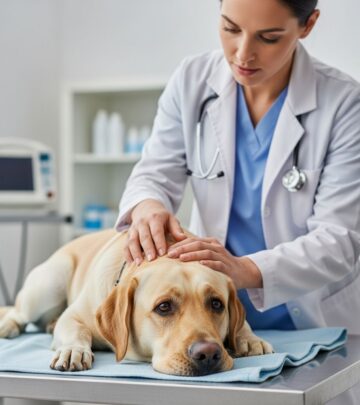
Before implementing any new pain management strategy, consult your veterinarian to establish accurate diagnosis and develop a comprehensive pain management plan addressing your dog’s specific needs. Your veterinarian can recommend appropriate natural options, determine proper dosages, monitor for potential interactions with existing medications, and adjust treatments based on your dog’s response. Holistic veterinarians often possess specialized knowledge about herbal remedies, supplements, and alternative therapies, making them valuable collaborators in developing natural pain management protocols.
Frequently Asked Questions
What are the most effective natural pain relief options for dogs?
The most effective approaches typically combine supplements (glucosamine, green-lipped mussel, turmeric), physical therapies (massage, acupuncture, cold/heat therapy), appropriate exercise, and dietary optimization. Effectiveness varies among individual dogs, requiring personalized treatment development with veterinary guidance.
Can natural remedies completely replace pain medication for dogs?
While natural approaches provide significant pain relief, complete replacement of prescription pain medication depends on your dog’s condition severity and individual response. Many dogs benefit most from combined approaches using both natural remedies and, when appropriate, pharmaceutical pain management.
How long do natural pain relief remedies typically take to show effects?
Some interventions like cold therapy provide immediate relief, while supplements typically require 2-4 weeks of consistent use before demonstrating noticeable benefits. Acupuncture often shows results within 1-3 sessions, though optimal outcomes develop over multiple treatments.
Are there any safety concerns with natural supplements for dogs?
Most natural supplements prove safe when used appropriately and in proper dosages. However, potential interactions with medications exist. Always discuss supplements with your veterinarian before introduction, particularly if your dog takes other medications.
Which natural pain relief methods work best for arthritis?
Arthritis management benefits from combined approaches including joint supplements (glucosamine, green-lipped mussel), herbal anti-inflammatories (turmeric, ginger, boswellia), gentle massage, appropriate exercise, heat therapy, and acupuncture. This multi-modal approach addresses arthritis through multiple mechanisms simultaneously.
References
- Natural Pain Management for Dogs and Cats — Animal Wellness Magazine. 2023. https://animalwellnessmagazine.com/natural-pain-management-for-dogs-and-cats/
- Nondrug Therapies Used to Relieve Pain in Animals — Merck Veterinary Manual. 2024. https://www.merckvetmanual.com/special-pet-topics/pain-management/nondrug-therapies-used-to-relieve-pain-in-animals
- Natural Pain Relief for Dogs: 17 Methods from a Vet — Toe Grips. 2024. https://toegrips.com/natural-pain-relief-for-dogs/
- Natural Pain Relief For Dogs — Dogs Naturally Magazine. 2023. https://www.dogsnaturallymagazine.com/top-10-herbs-for-natural-pain-relief/
- Natural Pain Relief for Dogs: Herbal and Lifestyle Remedies — Native Pet. 2024. https://nativepet.com/blogs/health/natural-pain-relief-for-dogs
- Natural Pain Relief for Dogs at Home — MedcoVet. 2023. https://medcovet.com/blog/natural-pain-relief-for-dogs-at-home/
- Natural Pain Relief for Dogs — PetMD. 2024. https://www.petmd.com/dog/general-health/natural-pain-relief-dogs
Similar Articles





Read full bio of Sneha Tete