

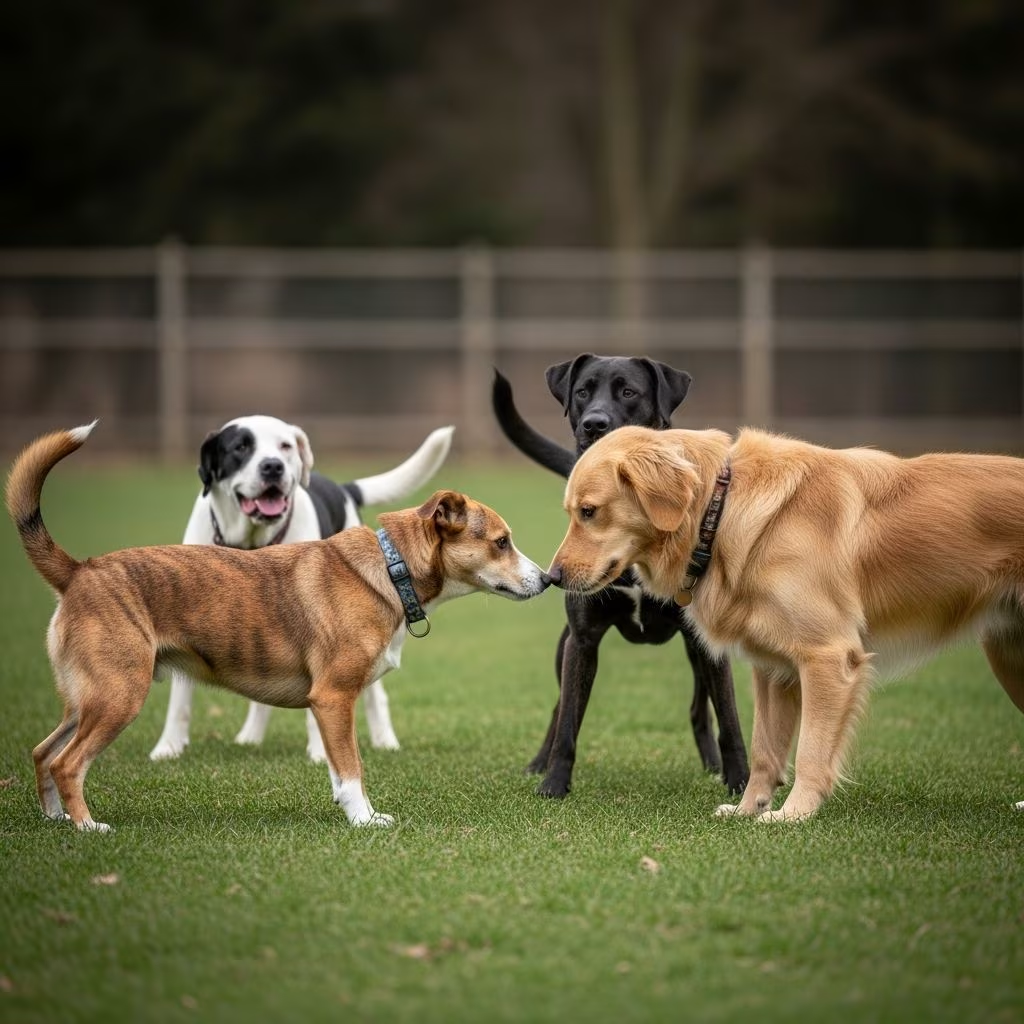
Dogs living together in multi-dog households can sometimes develop aggressive behaviors toward each other, known as intra-pack aggression. This issue arises from a mix of instinctual drives, environmental factors, and unmet needs, but with proper understanding and intervention, owners can foster peace and safety.
Recognizing the Roots of Pack Aggression
Intra-pack aggression stems from dogs’ ancestral pack mentality, where social hierarchies and resource access determine group dynamics. Modern pet dogs retain these traits, leading to conflicts when instincts clash with household living. Genetic predispositions may contribute, especially if aggression appears early after introducing a new dog or even after years of harmony.
Unlike aggression toward strangers, pack conflicts often occur indoors among familiar dogs. Owners might notice sudden escalations, such as fights over attention or space, highlighting the need for proactive management.
Common Triggers Sparking Conflicts
Several stimuli can ignite tensions in multi-dog homes. Identifying these helps in prevention.
- Resource Competition: Dogs may guard food, toys, bones, or even people, leading to growls or snaps when another approaches.
- Territorial Disputes: Boundaries like fences or rooms become flashpoints, with dogs posturing to claim space.
- Environmental Stressors: Doorbells, visitors, or external barking heighten arousal, spilling over into pack fights.
- Emotional Overflow: One dog’s anxiety or excitement can contagiously provoke others through shared energy.
- Predatory Instincts: High-energy chases triggered by movement can redirect onto pack mates.
These triggers often amplify due to frustration from confinement or lack of outlets, making regular exercise essential.
Behavioral Warning Signs to Watch For
Early detection prevents injuries. Look for stiff postures, hard stares, lip lifts, or low growls before physical contact. Fear-based signals include tucked tails, avoidance, or sudden lunges when cornered. In packs, one dog may block another’s access to owners, escalating to bites if unchecked.
Dominance displays, like mounting or resource hogging, reinforce hierarchies but can tip into violence if unbalanced. Puppies separated too early from litters miss bite inhibition lessons, increasing adult aggression risks.
Safety Measures for Immediate Protection
Prioritize safety during interventions. Never physically separate fighting dogs with hands, as bites can redirect to you. Use barriers like leashes, crates, or loud distractions such as air horns.
| Situation | Safe Intervention | Avoid |
|---|---|---|
| Active Fight | Wheelbarrow method: Grab hind legs, lift and separate backward | Grabbing collars or necks |
| Tension Building | Separate to crates with treats | Verbal scolding |
| Post-Fight | Calm isolation, vet check | Forced reunions |
Maintain separate feeding, walking, and resting areas to minimize contacts. Management alone isn’t a fix but buys time for training.
Training Strategies to Rebuild Harmony
Address root causes through structured training. Counter-conditioning changes emotional responses to triggers.
- Desensitization: Gradually expose dogs to stimuli at low intensity, rewarding calm behavior.
- Obedience Drills: Teach solid “leave it” and recall commands using high-value rewards.
- Pack Leadership: Consistently enforce rules without confrontation; feed, walk, and reward the calm dog first.
Avoid dominance myths—aggression rarely stems from dogs viewing humans as low-status but from fear or conflict. Professional behaviorists use science-backed methods like BAT (Behavior Adjustment Training) for nuanced cases.
Environmental Adjustments for Peace
Modify your home to reduce friction. Provide ample resources: multiple beds, toys, and feeding stations. Enrich with puzzle feeders to curb guarding.
Daily routines matter—separate exercise sessions prevent fatigue-fueled spats. Long walks in neutral areas build positive associations. For high-drive dogs, mental games like scent work tire them mentally, lowering reactivity.
Health Checks: Ruling Out Medical Causes
Aggression spikes can signal pain or illness. Thyroid issues, injuries, or neurological problems mimic behavioral aggression. Schedule vet exams, including bloodwork, before behavioral plans.
Females with puppies show protective surges, while intact males compete more. Spaying/neutering reduces some hormonal drives but isn’t a cure-all.
When to Seek Professional Help
If fights draw blood or management fails, consult certified trainers (IAABC or CPDT) or veterinary behaviorists (DACVB). They assess via history and observation, prescribing meds like fluoxetine for anxiety if needed.
Rehoming or euthanasia are last resorts for severe, unpredictable cases endangering safety.
Preventing Aggression in New Introductions
For adding dogs, slow integrations work best. Parallel walks build tolerance before home mingling. Monitor same-sex pairs closely, as they rival most. Early socialization under 6 months prevents later issues.
FAQs
Why do my dogs suddenly fight after years of peace?
Age, health changes, or resource shifts can disrupt balances. A senior dog’s pain might provoke younger ones.
Is pack aggression genetic?
Partially; some breeds or lines show higher tendencies, but environment amplifies it.
Can medication fix aggressive dogs?
It manages anxiety but pairs with behavior mod; consult vets.
How long does training take?
Weeks to months with consistency; progress varies by case severity.
Should I keep fighting dogs separated forever?
Management is viable long-term if paired with training for gradual reunions.
Long-Term Outlook for Multi-Dog Homes
Success stories abound with diligent owners. Track progress in journals, adjusting as needed. Celebrate small wins like calm greetings. Ultimately, understanding canine social needs creates thriving packs where dogs coexist without conflict.
References
- Pack Aggression in Dogs: A Serious Concern for Canine Households — K9Mama. Accessed 2026. https://k9mama.com/k9alchemy/pack-aggression-in-dogs-a-serious-concern-for-canine-households
- What Are Major Factors That Cause Canine Aggression? — Vaziri Law. Accessed 2026. https://www.vazirilaw.com/faqs/what-are-major-factors-that-cause-canine-aggression/
- 8 Reasons Your Dog Is Suddenly Aggressive (and How to Stop It) — GoodRx. 2023-10-01. https://www.goodrx.com/pet-health/dog/why-is-my-dog-always-aggressive
- Dealing with Your Dog’s Pack-Mentality Aggression — Dummies.com. Accessed 2026. https://www.dummies.com/article/home-auto-hobbies/pets/dogs/training/dealing-with-your-dogs-pack-mentality-aggression-199420/
- Dog Behavior Problems – Aggression to Family Members — VCA Animal Hospitals. Accessed 2026. https://vcahospitals.com/know-your-pet/dog-behavior-problems-aggression-to-family-members-introduction-and-safety
- Understanding Pack Behavior in Pet Dogs — Leerburg. Accessed 2026. https://leerburg.com/pack_behavior.htm



