

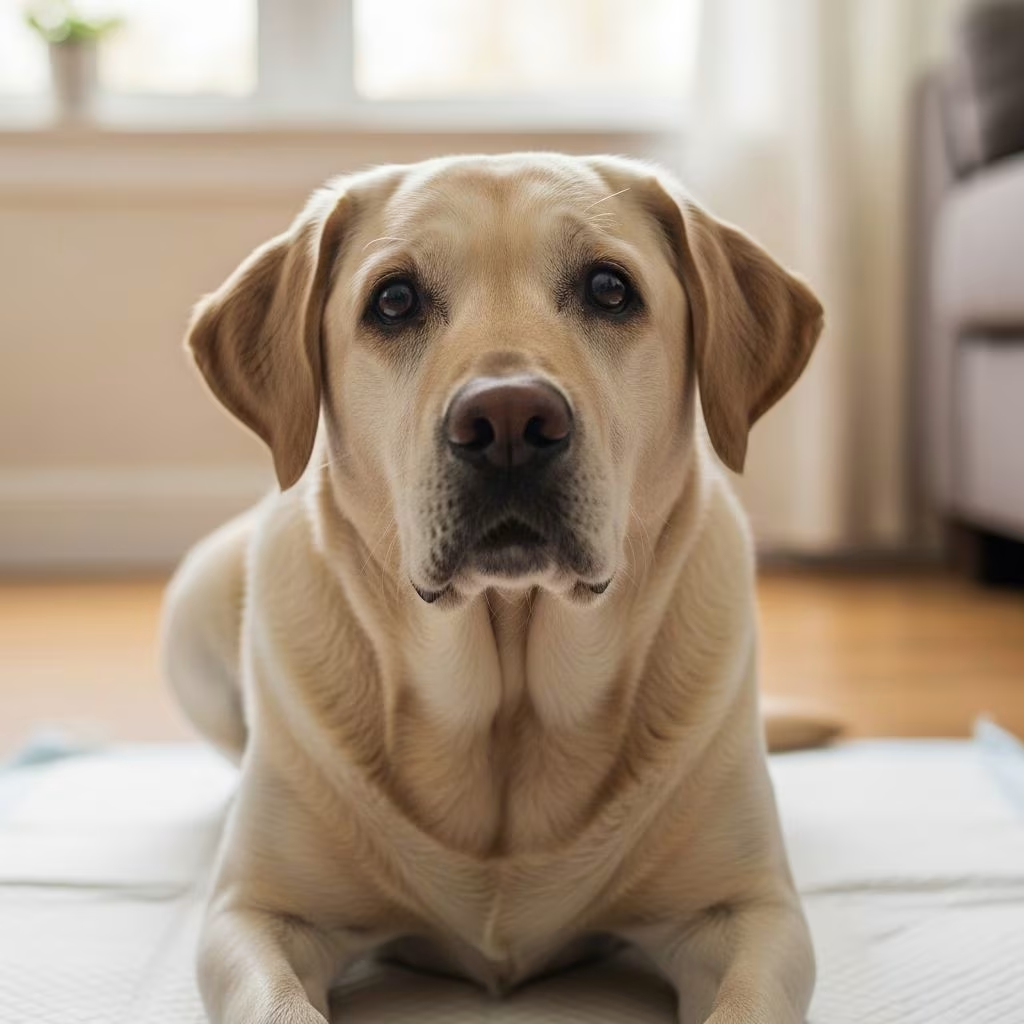
Urinary incontinence in dogs involves involuntary urine leakage, often noticed as damp bedding or wet fur around the hindquarters. This condition affects many dogs, particularly spayed females and seniors, but can occur across breeds and ages due to various underlying factors.
Recognizing the Signs of Urinary Incontinence
Early detection is key to effective management. Common indicators include discovering puddles where the dog sleeps, matted fur from constant moisture, or frequent genital licking to stay clean. Owners might also observe dribbling during rest or excitement, distinguishing it from purposeful urination.
- Wet spots on bedding or furniture after the dog has been lying down
- Damp or stained fur, especially on the rear legs and underbelly
- Excessive licking of the vulva or penis area
- Strong urine odor lingering around the pet
- Irritated skin or urinary tract infections from prolonged exposure to urine
These symptoms can escalate, leading to secondary issues like skin scalding or recurrent infections if unaddressed.
Primary Causes Behind Urine Leakage
Dog incontinence stems from diverse medical issues disrupting bladder control or urethral function. Understanding the root cause guides targeted treatment.
Urethral Sphincter Mechanism Incompetence (USMI)
USMI is the leading cause in adult female dogs, especially spayed ones, where the urethral muscles weaken, failing to hold urine. Factors include estrogen decline post-spaying, obesity, and breed predispositions in larger dogs. Males can develop it too, often linked to aging or testosterone imbalances.
Infections and Urinary Tract Problems
Urinary tract infections (UTIs) irritate the bladder, causing leakage alongside straining or blood in urine. Bladder stones or crystals exacerbate this by obstructing flow. Kidney disease or excessive thirst from diabetes can also overwhelm the system.
Neurological and Spinal Conditions
Damage to nerves controlling the bladder, such as from disc herniation in breeds like Dachshunds, leads to overflow incontinence. The bladder overfills and leaks without proper signals. Trauma, tumors, or degenerative diseases contribute similarly.
Congenital and Anatomical Defects
Puppies may leak due to ectopic ureters, where urine bypasses the bladder entirely. Hernias, prostate issues in males, or rare conditions like narcolepsy can also play roles.
Other Contributors
Hormonal disorders like Cushing’s disease or hypothyroidism increase urine production, while medications, toxins, or orthopedic pain preventing proper squatting add to the problem.
| Cause Category | Common Examples | Affected Dogs |
|---|---|---|
| Sphincter Weakness | USMI | Spayed females, seniors |
| Infections/Stones | UTIs, uroliths | All ages, recurrent cases |
| Neurological | Spinal injury, nerve damage | Long-backed breeds |
| Congenital | Ectopic ureters | Puppies, young dogs |
Diagnostic Approaches for Accurate Identification
Veterinarians employ a multi-step process to pinpoint causes. Initial exams include urinalysis to detect infections or crystals, urine cultures for bacteria, and bloodwork for systemic diseases like diabetes.
Imaging such as ultrasound or X-rays reveals stones, tumors, or anatomical flaws. For complex cases, contrast studies identify ectopic ureters, while spinal assessments use MRI if nerve issues are suspected. Monitoring urine output and behavior helps differentiate incontinence from marking or retention.
Treatment Strategies: From Medications to Surgery
Tailored therapies address specific causes, often restoring normalcy with high success rates.
Pharmacological Interventions
For USMI, phenylpropanolamine (PPA) strengthens the sphincter, achieving continence in most dogs. Estrogen supplements like Incurin or DES boost tone, especially in females, while testosterone aids males. Combinations enhance efficacy, with lifelong dosing common but adjustable. Antibiotics clear UTIs, and diets dissolve some stones.
Addressing Underlying Diseases
Treating diabetes, Cushing’s, or kidney issues reduces urine volume. Pain relief for spinal problems or orthopedic issues improves posture.
Surgical Solutions
Surgery repositions ectopic ureters or performs colposuspension to support the urethra. Collagen or stem cell injections bulk the sphincter for refractory cases, offering long-term relief without daily meds. Bladder stone removal or prostate surgery applies as needed.
Stem cell therapy, researched at institutions like NC State, shows promise for medication-resistant USMI, with trials demonstrating improved continence.
Home Management and Supportive Care
While awaiting vet care or alongside treatment, practical steps maintain hygiene and comfort.
- Use doggy diapers or belly bands during sleep or outings
- Place washable bedding in crates and clean daily with enzymatic cleaners
- Gently express the bladder if overflow occurs from paralysis
- Maintain ideal weight through diet to ease sphincter strain
- Schedule frequent potty breaks, especially post-meals or naps
Monitor for skin irritation, applying vet-approved ointments, and track leakage patterns to inform your vet.
Preventive Measures and Risk Reduction
Not all cases are avoidable, but strategies lower odds. Delay spaying until skeletal maturity in predisposed breeds, manage weight rigorously, and address UTIs promptly. Regular check-ups catch endocrine issues early.
Prognosis and Long-Term Outlook
Most dogs respond well, enjoying full lives on meds or post-surgery. USMI treatments succeed in over 80% of cases, though monitoring prevents resistance. Early intervention minimizes complications like infections.
Frequently Asked Questions (FAQs)
Is dog incontinence curable?
Many cases are manageable lifelong with meds; some, like infections or stones, fully resolve with treatment.
Does spaying cause incontinence?
It increases USMI risk due to estrogen drop, affecting 20% of spayed females, but not all develop it.
Can diet help with incontinence?
Special diets dissolve stones and support urinary health, indirectly aiding control.
What if meds stop working?
Dose adjustments, combos, or alternatives like injections/surgery often restore continence.
Is incontinence painful for dogs?
Not directly, but secondary infections or skin issues can cause discomfort.
References
- Urinary Incontinence in Dogs: Causes and Treatment — PetMD. 2023. https://www.petmd.com/dog/general-health/incontinence-senior-dogs-what-do-and-how-help
- Urinary Incontinence in Dogs: Signs, Causes, Treatments — Best Friends Animal Society. 2024. https://bestfriends.org/pet-care-resources/urinary-incontinence-dogs-signs-causes-treatments
- Urinary incontinence in dogs: Signs and treatment options — Vetster. 2024. https://vetster.com/en/wellness/urinary-incontinence-in-dogs-signs-and-treatment-options
- New Treatment for Urinary Incontinence — AKC Canine Health Foundation. 2023. https://www.akcchf.org/breakthrough/new-treatment-for-urinary/
- Urinary Incontinence in the Dog — UC Davis Veterinary Medicine. 2024. https://www.vetmed.ucdavis.edu/hospital/animal-health-topics/canine-incontinence



