

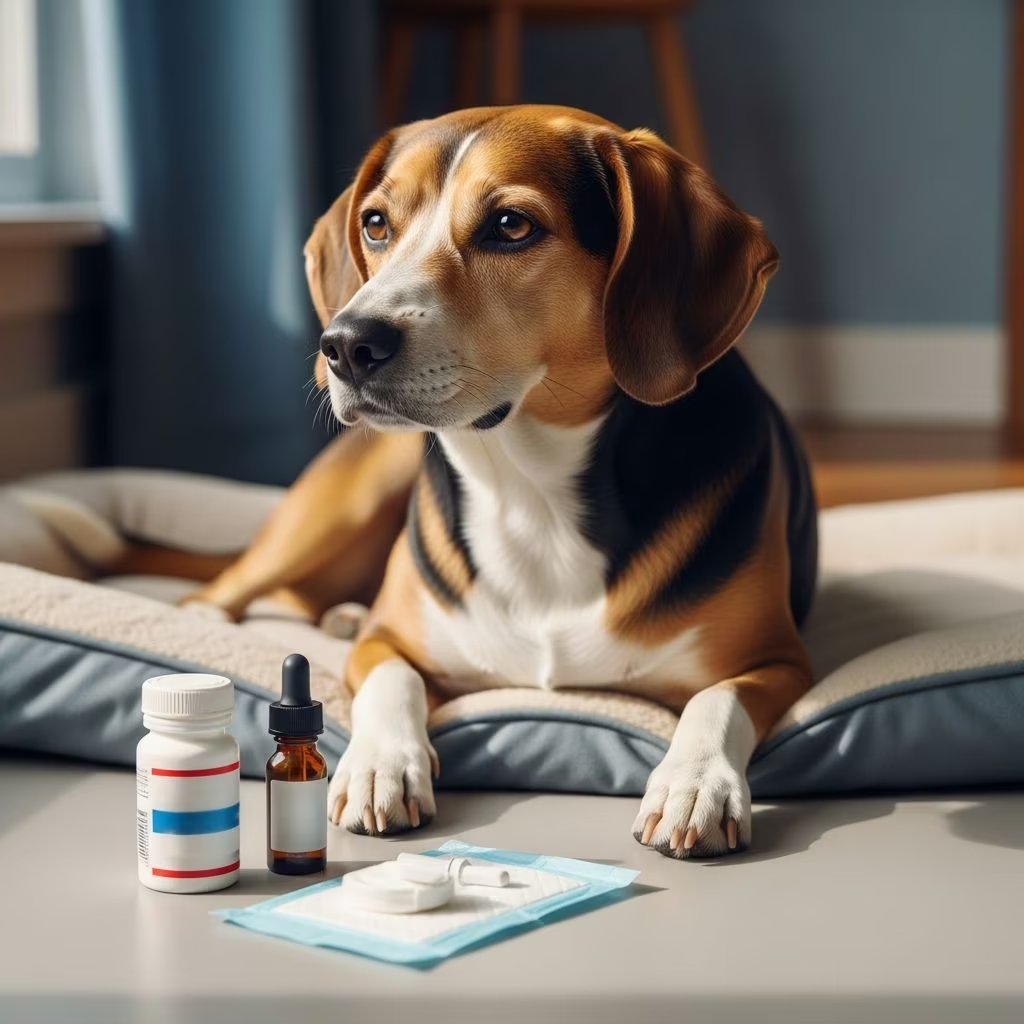
Urinary incontinence in dogs, characterized by involuntary urine leakage, affects many pets, particularly spayed females and seniors. While over-the-counter options like pseudoephedrine (Sudafed) have been explored anecdotally, veterinary-approved treatments offer safer, more reliable results. This guide draws from credible veterinary sources to outline causes, symptoms, diagnostics, and therapies, empowering owners to support their dogs effectively.
Recognizing the Signs of Urinary Incontinence
Dogs with incontinence often drip urine while resting or sleeping, leaving wet spots on bedding or floors. Unlike marking or excitement urination, this leakage happens passively. Owners may notice a larger urine puddle after walks or a constant dampness around the vulva or prepuce. Early detection prevents skin irritation, infections, and household frustration.
- Dripping during sleep: Most evident at night, soaking beds.
- Posture-independent leaks: Occurs lying down, not just when standing.
- Secondary issues: Skin scalding or recurrent UTIs from constant moisture.
These signs warrant a vet visit, as untreated incontinence signals underlying health problems.
Primary Causes of Bladder Control Loss in Dogs
Multiple factors contribute to canine urinary incontinence, with **urethral sphincter mechanism incompetence (USMI)** topping the list, especially in spayed females due to estrogen decline. Other culprits include structural defects, infections, and systemic diseases.
| Cause | Description | Affected Dogs |
|---|---|---|
| USMI | Weak urethral sphincter fails to hold urine; linked to spaying, obesity, genetics. | Adult spayed females |
| Ectopic Ureters | Ureters bypass bladder, causing constant leaks from birth. | Puppies, young dogs |
| UTIs | Bacterial infections inflame the tract, worsening sphincter control. | All ages, recurrent in incontinent dogs |
| Neurological Damage | Spinal injuries or degeneration disrupt bladder signals. | Injured or older dogs |
| Hormonal Imbalances | Low estrogen/testosterone post-spay/neuter. | Spayed/neutered dogs |
| Systemic Diseases | Diabetes, Cushing’s, kidney issues cause excess urine production. | Seniors with comorbidities |
USMI accounts for most cases in middle-aged to senior females, while puppies may have congenital issues like ectopic ureters.
Diagnostic Steps for Accurate Identification
Vets start with a history and physical exam, noting breed, spay status, and symptom onset. Key tests include:
- Urinalysis to detect infections, crystals, or dilute urine from diabetes.
- Bloodwork for kidney function, glucose, and hormones.
- Imaging like ultrasound or contrast studies for ectopic ureters or stones.
- Cystoscopy for direct urethral/bladder visualization in complex cases.
Identifying the root cause guides therapy; for instance, ruling out UTIs prevents masking infections with sphincter drugs.
Pharmacological Treatments: First-Line Defenses
Medications target sphincter strength and underlying issues, succeeding in 70-90% of USMI cases.
Sphincter-Toning Agents
**Phenylpropanolamine (PPA)**, marketed as Proin, is the cornerstone for USMI, contracting urethral smooth muscle for better closure. Dosed twice daily, it improves continence rapidly. Extended-release versions reduce frequency.
Hormone Supplementation
Estrogens like estriol (Incurin) or diethylstilbestrol (DES) enhance tone via receptor sensitivity. Low doses minimize side effects; males may receive testosterone. Combinations (PPA + estrogen) boost efficacy for resistant cases.
Other Medications
- Antibiotics for UTIs, based on culture results.
- GnRH agonists or imipramine for refractory incontinence.
- Disease-specific therapies, e.g., insulin for diabetes.
Monitoring involves rechecks to adjust doses, as needs evolve.
Non-Pharmacological and Supportive Care
Lifestyle tweaks complement drugs:
- Weight management: Obesity strains sphincters; diet/exercise helps.
- Frequent potty breaks: Reduces bladder pressure.
- Absorbent bedding: Protects skin and home.
- Cleanliness: Prevents UTIs from urine scald.
Nutraceuticals like pumpkin seed extract show anecdotal support but lack robust data.
Surgical Interventions for Persistent Cases
When meds fail (10-30% of dogs), surgery offers alternatives.
- Collagen injections: Bulking agents tighten the urethra; repeatable.
- Colposuspension: Sutures bladder neck to abdominal wall.
- Urethral occluder: Implantable device for sphincter support.
- Ectopic ureter correction: Repositions ureters surgically.
Stem cell therapy and botox are emerging, per ongoing research. Specialists perform these with good outcomes.
Special Considerations for Senior Dogs
Aging exacerbates incontinence via weakened muscles, dementia, or arthritis limiting mobility. Cognitive dysfunction mimics incontinence; rule out with exams. Holistic management includes padded ramps and routine expressions for paralyzed pets.
Potential Risks and Medication Monitoring
PPA rarely causes hypertension or restlessness; estrogens risk bone marrow suppression (DES). Regular blood pressure, urine cultures, and owner logs ensure safety. Avoid OTC decongestants like pseudoephedrine due to cardiac risks in dogs—vet guidance is essential.
FAQs on Dog Urinary Incontinence
Is incontinence curable?
Many achieve full control with meds; others need lifelong management.
Does spaying cause incontinence?
It raises USMI risk via hormone loss, but most spayed dogs remain continent.
How quickly do treatments work?
PPA often improves leaks in days; full effects in weeks.
Can diet help?
UTI-preventive formulas reduce recurrences; weight loss aids USMI.
What if my dog resists pills?
Flavored chews or compounding exist; discuss with your vet.
Prognosis and Long-Term Quality of Life
With prompt care, most dogs enjoy normal lives. Combinations yield 80-90% success; monitor for breakthroughs. Owners report stronger bonds post-treatment.
References
- Urinary Incontinence in Dogs: Signs, Causes, Treatments — Best Friends Animal Society. 2023. https://bestfriends.org/pet-care-resources/urinary-incontinence-dogs-signs-causes-treatments
- Urinary Incontinence in Dogs: Causes and Treatment — WebMD. 2024. https://www.webmd.com/pets/dogs/urinary-incontinence-dogs
- What Causes Urinary Incontinence in Dogs and How Do You Treat It? — PetMD. 2024. https://www.petmd.com/dog/general-health/incontinence-senior-dogs-what-do-and-how-help
- Urinary Incontinence in dogs — PDSA. 2024-06-01. https://www.pdsa.org.uk/pet-help-and-advice/pet-health-hub/symptoms/urinary-incontinence-in-dogs
- Urinary Incontinence (Urethral Incontinence) in Dogs — VCA Animal Hospitals. 2024. https://vcahospitals.com/know-your-pet/urethral-incontinence-in-dogs



