

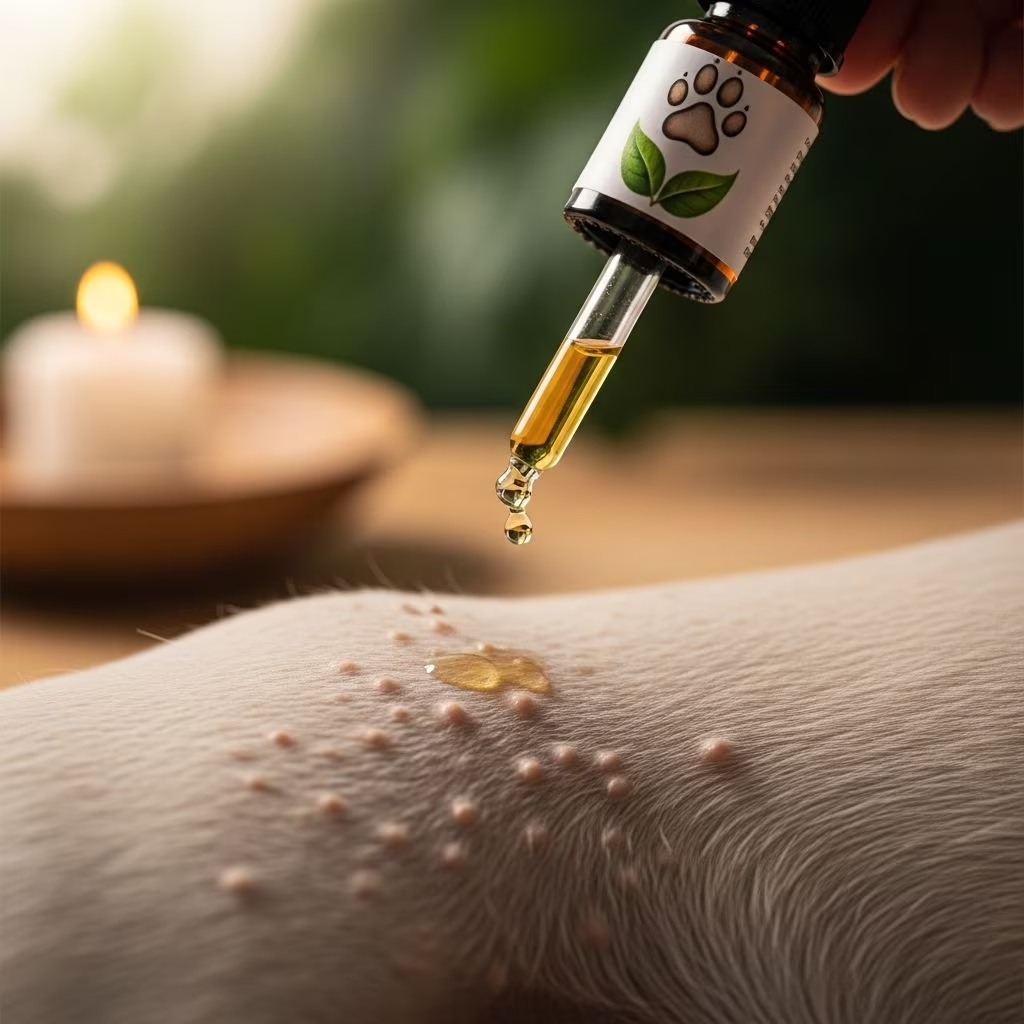
Dog hives, known medically as urticaria, appear as sudden raised, red welts on a dog’s skin due to allergic reactions. These can stem from insect stings, food triggers, or environmental irritants, often resolving with prompt home care if mild.
Recognizing Hives in Dogs
Hives typically manifest as circular, itchy bumps that may spread across the face, legs, or trunk. Unlike flea bites, they emerge rapidly, sometimes within minutes of exposure. Watch for accompanying signs like paw chewing, head shaking, or mild facial puffiness. Distinguish them from hot spots or infections by their transient nature—true hives often fade within 24 hours if the allergen is removed.
- Sudden onset: Bumps appear fast after exposure.
- Itchiness: Dogs rub or bite affected areas.
- Swelling: Localized puffiness, especially around eyes or muzzle.
- No hair loss initially: Unlike chronic allergies.
Common Triggers Behind Canine Hives
Understanding causes helps prevent recurrence. Insect stings top the list, followed by vaccines, certain foods like beef or dairy, and airborne particles such as pollen. Contact with chemicals in cleaners or plants can also provoke reactions. Rarely, hives signal deeper issues like autoimmune disorders, warranting vet evaluation.
| Trigger Type | Examples | Prevention Tips |
|---|---|---|
| Insect-related | Bee stings, spider bites | Check yard for nests; use preventives |
| Food | New treats, proteins | Hypoallergenic diet trial |
| Environmental | Pollen, dust mites | Air filters, frequent bathing |
| Medications/Vaccines | Recent shots | Monitor post-administration |
Immediate Steps for Relief
Act quickly to minimize discomfort. First, isolate the trigger: rinse off potential irritants with cool water, switch foods if suspected, or move indoors from outdoors. Calm your dog in a quiet space to avoid stress-exacerbated itching. Prevent self-trauma with a cone collar if needed.
Proven Topical Home Treatments
Topical applications soothe inflammation without systemic effects. These methods leverage natural anti-inflammatories for fast, gentle relief.
Cold Compress Technique
Apply a cloth-wrapped ice pack or cool wet towel to welts for 5-10 minutes, repeating every few hours. This constricts blood vessels, shrinking swelling and numbing itch.
Oatmeal Soaks and Pastes
Colloidal oatmeal, ground finely, acts as a skin barrier. Add to lukewarm bathwater for a 10-minute soak, or mix cooked oats into a paste for spot treatment. Its polysaccharides calm irritation effectively.
Herbal Tea Rinses
Brew chamomile or green tea, cool, and pour over affected skin. Let air-dry. These contain antioxidants that reduce redness and itching without residue.
- Chamomile: Mild sedative for skin.
- Green tea: Polyphenols fight inflammation.
Other Natural Topicals
Coconut oil moisturizes and fights bacteria; apply thinly. Aloe vera gel cools hot spots—use pure forms only. Diluted apple cider vinegar spray balances pH on non-broken skin.
Oral Remedies Under Vet Guidance
For widespread hives, oral options provide broader relief. Antihistamines like diphenhydramine (Benadryl) at 1mg per pound every 8 hours suit mild cases—confirm plain formula.
Omega-3 supplements support long-term skin health, reducing future episodes. Natural alternatives like licorice root extract mimic mild steroids.
Advanced Natural and Homeopathic Options
Explore botanicals for holistic care. Yellow dock rinse detoxifies skin. Homeopathics like Apis mellifica target swelling from stings, Urtica urens eases stinging itch, and Rhus tox handles persistent welts.
When Home Care Isn’t Enough
Seek emergency vet care for breathing issues, vomiting, widespread swelling, or hives lasting over 24 hours. Injectable steroids or antihistamines offer rapid resolution in clinics.
Preventing Future Outbreaks
Track patterns with a symptom journal. Maintain flea preventives, hypoallergenic diets, and regular grooming. Air purifiers curb indoor allergens. Annual allergy testing guides management.
Frequently Asked Questions
Can hives kill my dog?
Rarely, if anaphylaxis develops—watch for collapse or blue gums. Mild cases self-resolve.
Is Benadryl safe for all dogs?
Generally yes for healthy adults; puppies, seniors, or those with glaucoma need vet approval.
How long do dog hives last?
Hours to a day with treatment; chronic if allergen persists.
Are essential oils okay for hives?
Avoid—many irritate further. Stick to proven remedies.
Should I bathe my dog during hives?
Yes, with oatmeal shampoo; avoid harsh soaps.
Long-Term Skin Health Strategies
Beyond acute episodes, bolster immunity with balanced nutrition rich in fatty acids. Probiotics aid gut-skin axis. Routine vet checkups catch underlying allergies early.
References
- Dog Hives: Causes, Symptoms, and Treatment — PetMD. 2023. https://www.petmd.com/dog/conditions/skin/hives-dogs-causes-symptoms-and-treatment-options
- Our 7 Remedies for Dog Hives — Volhard Dog Nutrition. 2022-10-15. https://www.volharddognutrition.com/blog/our-7-remedies-for-dog-hives/
- Top 5 Ways to Treat Your Dog’s Hives Now — YouTube (Veterinary Secrets). 2023. https://www.youtube.com/watch?v=3tnYGY3m9v4
- Best Natural Home Remedies for Itchy Dogs — BoraSh Vet. 2024. https://www.borashvet.com/best-natural-home-remedies-itchy-dogs/
- Why Your Dog Has Hives and How to Treat Them — Native Pet. 2023-05-12. https://nativepet.com/blogs/health/dog-hives



