Managing Dog Ear Hematomas at Home
Discover safe, effective home strategies to treat your dog's ear hematoma, reduce swelling, and prevent recurrence while addressing root causes.
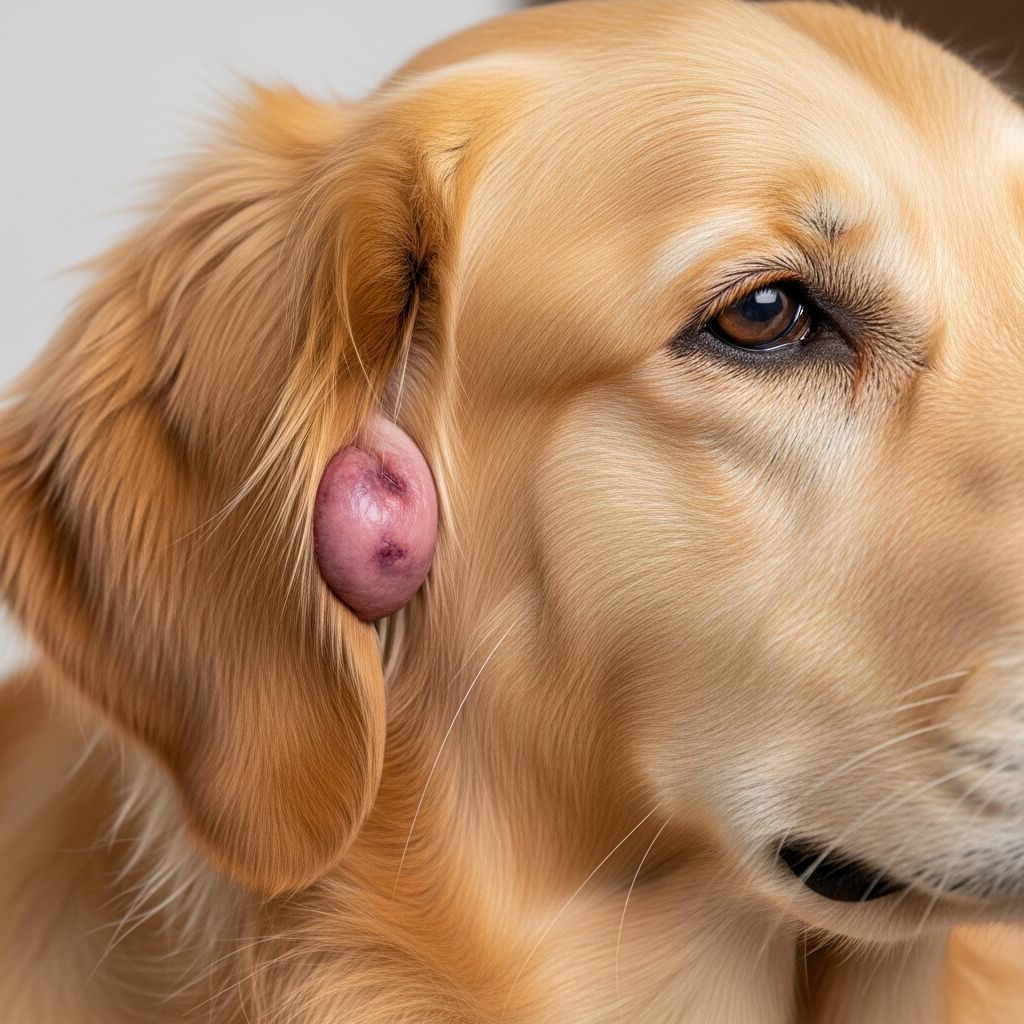
Dog ear hematomas, also known as aural hematomas, occur when blood accumulates between the skin and cartilage of a dog’s ear flap, often due to vigorous head shaking from irritation. These swellings can cause pain and discomfort, but many cases can be managed effectively at home with careful monitoring and supportive care, especially for smaller hematomas.
Understanding the Condition
An ear hematoma forms when small blood vessels in the ear flap rupture, leading to a fluid-filled pocket that makes the ear appear puffy and swollen. This typically happens in dogs with floppy ears, such as Spaniels, Retrievers, or Hounds, because their ear structure is more prone to injury from shaking. The primary trigger is intense head shaking or scratching, usually stemming from underlying issues like ear infections, allergies, mites, or foreign objects.
Symptoms include a soft, balloon-like swelling on one or both ear flaps, tenderness when touched, head tilting, and reluctance to lie on the affected side. In severe cases, the ear may feel hot, and your dog might whine or paw at it excessively. Early detection is crucial, as untreated hematomas can lead to permanent deformity known as ‘cauliflower ear,’ where the cartilage wrinkles and scars.
Common Causes Behind Ear Hematomas
To successfully treat and prevent recurrence, pinpointing the root cause is essential. Most hematomas result from self-trauma during head shaking.
- Ear Infections (Otitis): Bacterial or yeast overgrowth causes itching and inflammation, prompting vigorous shaking.
- Allergies: Food, environmental pollen, or flea bites lead to chronic ear irritation and secondary hematomas.
- Ear Mites or Parasites: These tiny pests burrow into the ear canal, causing intense discomfort.
- Foreign Bodies: Grass seeds or debris trapped in the ear can spark irritation.
- Trauma or Bleeding Disorders: Direct injury or clotting issues exacerbate blood pooling.
A thorough ear examination at home can reveal dark discharge, foul odor, or redness, signaling infection. However, professional diagnosis via cytology or culture is recommended for accurate treatment.
Step-by-Step Home Treatment Guide
While veterinary intervention is ideal for large or persistent hematomas, smaller ones can respond well to conservative home management. Always consult your vet first to rule out complications like infection or anemia.
1. Apply Alternating Compresses
Encourage natural drainage and reduce swelling with temperature therapy. Use a clean cloth soaked in warm (not hot) water for 5-10 minutes to promote circulation and fluid reabsorption, followed by a cold compress for the same duration to constrict vessels and numb pain. Repeat 3-4 times daily.
| Method | Duration | Purpose | Tips |
|---|---|---|---|
| Warm Compress | 5-10 min | Increases blood flow | Moist cloth, 100-105°F max |
| Cold Compress | 5-10 min | Reduces inflammation | Wrapped ice pack, avoid direct skin |
2. Secure the Ear with Bandaging
Prevent further trauma by bandaging the ear flat against the head. Use a soft gauze pad, vet wrap, and tape to create gentle pressure without cutting circulation. Products like No-Flap Ear Wraps simplify this. Combine with an Elizabethan collar (cone) to deter scratching.
- Clean the ear gently first.
- Fold ear over head, pad, and wrap snugly.
- Change daily and monitor for soreness.
3. Incorporate Natural Remedies
Gentle, non-invasive options support healing without harsh chemicals.
- Homeopathy: Arnica montana 30C (for trauma and bruising) or Hamamelis 30C (for vascular issues), dosed orally twice daily for a week, then taper. Topical gels applied 3x/day.
- Herbals: Witch hazel soaks constrict vessels; yarrow or Yunnan Baiyao powders aid clotting and repair. Dilute and apply topically.
- Other Supports: Green tea rinses (antioxidant), diluted apple cider vinegar for mites, or calendula oil for soothing.
Monitor progress: Improvement should show within 3-5 days; if swelling worsens, seek vet care immediately.
Addressing Underlying Triggers
Home treatment alone risks recurrence without tackling the source.
Ear Cleaning Protocols
Gently flush ears with a vet-approved solution like saline or Vetericyn Triple-Action Ear Treatment (with hydrocortisone for itch relief). Use a bulb syringe, massage base, and let shake out excess. Frequency: 1-2x daily until clear.
Allergy Management
For environmental allergies, trial natural antihistamines:
- Quercetin supplements (stabilizes mast cells).
- Omega-3 fatty acids (anti-inflammatory).
- Bovine colostrum or bee pollen (desensitizers).
Dietary changes, like hypoallergenic kibble, help food sensitivities.
Infection Control
Avoid cotton swabs; opt for professional cleaning if pus is present. Natural antimicrobials like oil of oregano (diluted) can assist, but antibiotics may be needed.
Potential Risks and When to See a Vet
Home care suits mild cases but watch for red flags: rapid swelling, fever, lethargy, or no improvement in 48 hours. Complications include infection, clot formation, or chronic deformity.
Vet options escalate for stubborn hematomas:
- Aspiration with syringe.
- Drain placement (teat cannula).
- Surgical lancing and suturing under sedation.
Post-procedure, follow rest, meds, and e-collar protocols.
Prevention Strategies for Healthy Ears
Proactive steps minimize future episodes.
- Regular Inspections: Check ears weekly, especially after baths or play.
- Dry Thoroughly: Post-swim or rain, use a towel or low-heat dryer.
- Flea/Mite Control: Monthly preventives.
- Diet Optimization: Omega-rich foods reduce inflammation.
- Allergy Testing: If recurrent, pursue intradermal tests.
Frequently Asked Questions (FAQs)
Can I drain the hematoma myself?
No, attempting to puncture it risks infection and worsens damage. Leave drainage to professionals.
How long does healing take at home?
Small hematomas resolve in 2-4 weeks with diligent care; larger ones may need 6-8 weeks.
Will my dog’s ear look normal after?
Conservative healing often causes some crinkling, but early intervention preserves shape.
Are natural remedies safe for all dogs?
Generally yes, but consult a holistic vet for puppies, seniors, or those with conditions.
What if both ears are affected?
This suggests systemic issues like allergies; vet evaluation is urgent.
Long-Term Ear Health Tips
Beyond hematomas, maintain ear wellness with balanced nutrition, avoiding over-cleaning, and prompt itch treatment. Breeds with pendulous ears benefit from occasional vet trims to improve airflow. Consistent care turns potential crises into minor setbacks, keeping your dog playful and pain-free.
References
- Dog Ear Hematoma? Here’s What To Do — The Natural Dog Store. 2023. https://thenaturaldogstore.com/blogs/health/dog-ear-hematoma
- Dog Ear Hematoma: How To Spot It & Treat at Home — Dogs Naturally Magazine. 2024. https://www.dogsnaturallymagazine.com/dog-ear-hematoma/
- How To Treat a Dog Ear Hematoma at Home — Whole Dog Journal. 2023-10-15. https://www.whole-dog-journal.com/care/how-to-treat-a-dog-ear-hematoma-at-home/
- How to Treat Dog Ear Hematoma At Home — Vetericyn. 2024. https://vetericyn.com/blogs/vetericyn/how-to-treat-dog-ear-hematoma-at-home
- Aural haematoma (swollen ear flap) in a dog — PDSA. 2023. https://www.pdsa.org.uk/pet-help-and-advice/pet-health-hub/conditions/aural-haematoma-in-dogs
Similar Articles






Read full bio of medha deb