Managing Your Dog’s Behavior When Hosting Visitors
Practical strategies to ensure your dog stays calm and well-behaved when guests arrive at your home.
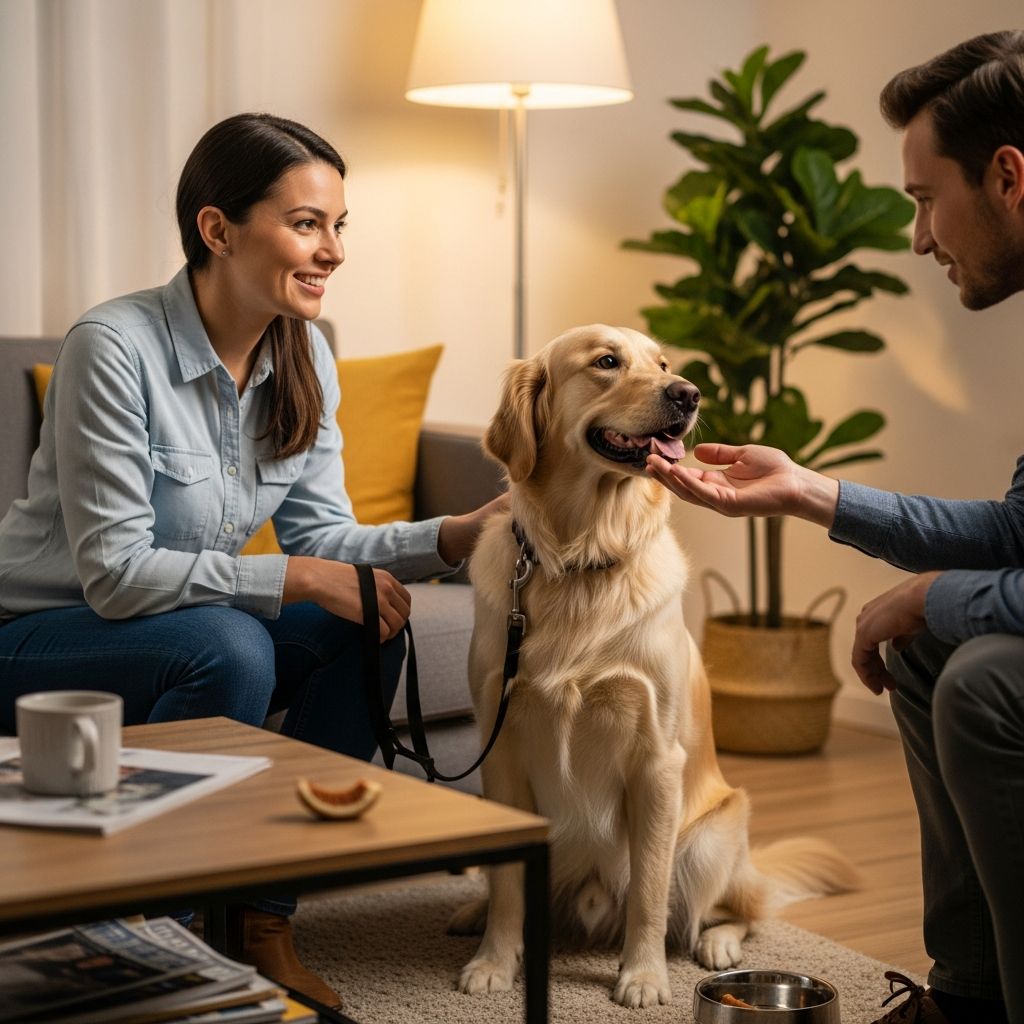
Welcoming guests into your home should be an enjoyable experience for everyone involved, including your dog. However, many dog owners struggle with managing their pet’s excitement, anxiety, or reactive behaviors when visitors arrive. Whether your dog jumps on guests, barks excessively, or displays nervous behaviors, these issues can make social gatherings stressful. The good news is that with proper preparation, training, and environmental management, you can help your dog remain calm and well-behaved during visits from friends and family.
Understanding Why Dogs React to Visitors
Dogs experience heightened arousal when guests arrive at their home. This reaction stems from several natural instincts and learned behaviors. Your dog may view visitors as exciting novelties, potential threats to their territory, or simply as unpredictable elements in their familiar environment. Understanding the root cause of your dog’s reactions is the first step in addressing them effectively.
Dogs may become overstimulated by the sounds of doorbells, new voices, and unfamiliar scents. Some dogs display what appears to be enthusiasm through jumping or excessive barking, while others may show anxiety through hiding, trembling, or avoidance behaviors. Recognizing these patterns allows you to tailor your preparation strategy to your specific dog’s needs.
Building a Foundation with Basic Obedience Training
A well-trained dog with a solid understanding of basic commands provides the foundation for managing guest interactions. Commands such as “sit,” “stay,” “down,” and “come” give you clear tools to direct your dog’s behavior when visitors arrive. Rather than simply hoping your dog will behave, these commands empower you to take control of the situation proactively.
The “sit” command is particularly valuable when guests enter your home. If your dog knows how to sit reliably on cue, you can immediately redirect their impulse to jump or rush toward the visitor. The “down” command works exceptionally well for encouraging calm, relaxed behavior throughout a visit, as lying down is inherently a more settled position than standing or moving around.
Practice these commands in your everyday environment until they become automatic responses. The stronger your dog’s obedience foundation, the more reliably these commands will work during the excitement of having visitors present.
Desensitizing Your Dog to Doorbell and Entry Sounds
The doorbell often triggers an immediate spike in your dog’s arousal level. This distinctive sound has become associated with the arrival of something new and exciting, which naturally heightens your dog’s alertness and emotional response. Desensitizing your dog to this trigger is an effective way to reduce their reactive behavior from the very first moment of a guest’s arrival.
Begin by introducing the doorbell sound at very low volumes in your dog’s calm state. Reward your dog for remaining relaxed when they hear this sound. Gradually increase the volume over multiple sessions, always ensuring your dog remains comfortable. The goal is to change your dog’s emotional association with the doorbell from “something exciting is happening” to “this just means treats and calm behavior are coming.”
You can practice this desensitization using a recording of doorbell sounds or by asking a friend to help you rehearse the scenario. Each practice session should end on a positive note, with your dog rewarded for appropriate responses.
Creating a Designated Safe Space for Your Dog
Establishing a specific area where your dog can retreat during visits provides several benefits. This space—whether a crate, a designated room, or a specific corner with a mat—gives your dog a sense of security and reduces the pressure they may feel to interact with strangers.
For dogs with significant anxiety about visitors, this space allows them to observe from a distance and acclimate at their own pace. For overstimulated dogs, it provides a pressure-free environment where they can calm down without the constant stimulation of new people. The key is making this space positive and rewarding, not punitive.
Consider placing favorite toys, a comfortable bed, and high-value treats in this space before guests arrive. Your dog will begin to associate their designated area with positive experiences, making them more likely to choose to retreat there voluntarily when they become overstimulated.
Preparing Guests to Interact Appropriately with Your Dog
Your guests play a crucial role in shaping your dog’s behavior. Many visitors, with good intentions, accidentally reinforce unwanted behaviors by responding enthusiastically to jumping, excessive barking, or other excited responses. Before guests arrive, it’s helpful to provide them with clear guidelines about how to interact with your dog.
Educate guests that ignoring your dog initially, then offering calm interaction only after your dog has demonstrated calm behavior, is far more effective than enthusiastic greetings upon arrival. Explain that jumping should not be rewarded with attention, even negative attention like scolding. Instead, guests should turn away from a jumping dog and only acknowledge the dog once all four paws are on the floor.
Providing treats to guests so they can reward your dog for calm, appropriate behaviors reinforces positive interactions. This collaborative approach transforms your guests from potential triggers of unwanted behavior into partners in your dog’s training and socialization.
Implementing Structured Activities During Visits
Rather than simply hoping your dog will naturally remain calm around guests, structure activities that channel your dog’s energy productively. One effective technique involves having your dog perform a specific job or task during the visit, such as maintaining a “down” position on a mat or engaging with a puzzle toy.
Giving your dog a task reduces their focus on the visitors themselves and provides mental stimulation that can tire them out more effectively than physical exercise alone. For example, you might ask your dog to settle on a designated mat in the room where guests are gathered. Reward your dog generously for maintaining this position, which reinforces calm, appropriate behavior.
Puzzle toys filled with treats, long-lasting chews, or interactive toys can occupy your dog’s attention during visits while you and your guests converse. These activities provide healthy mental stimulation while keeping your dog engaged in appropriate, solitary behavior.
Gradual Exposure and Controlled Interactions
If your dog struggles significantly with visitor interactions, consider gradually increasing exposure rather than jumping straight into full visits with multiple guests. Begin by inviting one calm friend who is comfortable with dogs and willing to participate in your training process.
During these initial practice visits, keep interactions structured and brief. Have your friend sit rather than stand, which appears less intimidating to many dogs. Ask your friend to allow your dog to approach at their own pace rather than reaching toward or over the dog. Reward your dog frequently for calm, appropriate behaviors during these low-pressure interactions.
As your dog becomes more comfortable, gradually increase the number of visitors, the duration of visits, and the level of activity involved. This progressive approach allows your dog to build confidence at a manageable pace without becoming overwhelmed or developing negative associations with guests.
Managing Excitability and Excessive Energy
A dog with excess physical energy is far more likely to display unwanted behaviors such as jumping, excessive barking, or mouthing during guest visits. Ensure your dog receives adequate exercise before visitors arrive. A tired dog is naturally calmer and more manageable than one with pent-up energy.
However, avoid intense exercise immediately before guests arrive, as this can leave your dog still in a heightened arousal state. Instead, exercise your dog about an hour or two before expected arrivals, allowing time for their system to settle while still benefiting from the calming effects of physical activity.
Mental stimulation is equally important as physical exercise. Consider hiding treats around your dog’s safe space or engaging them with puzzle toys before guests arrive. This combination of physical exercise and mental enrichment can significantly improve your dog’s ability to remain calm during visits.
Using Positive Reinforcement Strategically
Reward your dog immediately and generously for any appropriate behavior during guest visits. When your dog sits calmly, maintains their down position, approaches a guest gently, or moves away from the visitor to retrieve a toy, mark this behavior with verbal praise or a clicker and provide a high-value reward.
Timing is critical—the reward must come within seconds of the desired behavior to create a clear association. Using special treats that your dog only receives during guest visits makes these rewards particularly valuable and motivating for your dog to repeat appropriate behaviors.
Consistency in reward timing and selection across multiple visits helps your dog understand exactly which behaviors earn rewards, making them more likely to repeat these behaviors in future guest scenarios.
Addressing Anxiety-Based Behaviors
Some dogs display anxious behaviors during guest visits rather than excited or aggressive behaviors. These dogs may hide, tremble, avoid the visitor, or exhibit displacement behaviors such as excessive panting or yawning. For anxious dogs, the goal is to create positive associations with visitors while respecting the dog’s comfort level.
Avoid forcing interaction or coaxing an anxious dog to engage with guests. Instead, allow your dog to observe from a distance or from their designated safe space. Over time and with repetition, many dogs naturally become more comfortable with the presence of visitors as they realize no threat exists.
Pairing the presence of visitors with positive events—such as the arrival of special treats or the beginning of a favorite activity—can gradually shift your dog’s emotional response from anxiety to anticipation. This desensitization process requires patience but can be highly effective.
Creating Consistency Across Multiple Visits
Your dog learns through repetition and consistency. If your management strategy and expectations vary significantly from one guest visit to another, your dog will struggle to understand which behaviors are appropriate. Establish a consistent routine that applies to all visitor interactions.
Whether guests are family members, close friends, or people your dog has never met, maintain the same expectations regarding your dog’s behavior. Consistent handling helps your dog develop reliable behavioral patterns around guest visits, making improvements in their responses over time.
Document your dog’s progress across multiple visits. You may notice that your dog’s reaction to visitors becomes less intense or anxious over time, indicating that your management strategy is working effectively. This documentation also helps you identify which specific techniques are most effective for your particular dog.
Recognizing When Professional Help Is Needed
Some dogs display severe anxiety, aggression, or other behavioral issues that extend beyond what owner-directed training can address. Signs that professional help may be beneficial include lunging at guests, attempting to bite visitors, panic-level anxiety responses, or behaviors that create genuine safety concerns.
A certified professional dog trainer or veterinary behaviorist can develop a customized behavior modification plan tailored to your dog’s specific issues. These professionals can identify underlying causes of your dog’s reactions and provide specialized techniques that may not be apparent to pet owners working independently.
Early intervention with professional guidance often produces faster and more reliable results than prolonged owner-directed efforts, particularly when behavioral issues have become deeply ingrained.
Frequently Asked Questions
Q: How long does it typically take to improve a dog’s behavior around guests?
A: The timeline varies depending on your dog’s age, temperament, and how ingrained their current behaviors are. Many dogs show noticeable improvement within 2-4 weeks of consistent training and management. However, complete behavior modification may take several months of ongoing practice and reinforcement.
Q: Should I crate my dog during guest visits?
A: Crating can be an effective management tool if your dog has been properly crate-trained and views the crate as a positive space. However, forcing an untrained dog into a crate can increase anxiety. If crating isn’t appropriate for your dog, use their designated safe space instead.
Q: What if my dog becomes reactive despite my preparation efforts?
A: If your dog’s behavior escalates despite your management strategies, it may be time to consult a professional trainer. Additionally, ensure you’re consistently applying the training techniques—occasional lapses in consistency can significantly impact results.
Q: Can older dogs learn to behave better around guests?
A: Yes, dogs of any age can benefit from training and behavior modification. While puppies may learn new behaviors more quickly, adult and senior dogs are certainly capable of developing new responses to guest visits with patience and consistent training.
Q: Is medication ever necessary to manage visitor-related anxiety?
A: In cases of severe anxiety, your veterinarian may recommend anti-anxiety medication as part of a comprehensive behavior modification plan. Medication works best when combined with training and environmental management rather than as a standalone solution.
Key Takeaways for Success
- Establish a strong foundation of basic obedience commands before focusing on guest-specific behaviors
- Desensitize your dog to doorbell sounds and entry-related stimuli through gradual, positive exposure
- Create a designated safe space where your dog can retreat if overwhelmed by guest interactions
- Educate your guests about appropriate interaction techniques that reinforce calm, polite behavior
- Provide your dog with structured activities or jobs during visits to redirect their focus
- Use high-value rewards consistently to reinforce appropriate guest-interaction behaviors
- Exercise your dog adequately but not immediately before guests arrive
- Progress gradually from single calm visitors to multiple guests as your dog improves
- Maintain consistent expectations and management strategies across all visitor interactions
- Seek professional guidance if your dog displays severe anxiety or aggressive behaviors
With dedication to these strategies and a commitment to consistent training and management, most dogs can learn to greet visitors with appropriate calm behavior. The process requires patience and sometimes involves setbacks, but the reward is a dog who can participate comfortably in your social life without creating stress or safety concerns. By investing time in preparation and training now, you create a foundation for stress-free gatherings with friends and family for years to come.
References
- Choosing the Right Environments and Using Rewards to Reinforce Behavior — Michigan Dog Training. https://michigandogtraining.com/the-importance-of-socialization-practices-in-dog-training/
- How to Socialize a Dog — Best Friends Animal Society. https://bestfriends.org/pet-care-resources/how-socialize-dog
- Socializing Your Dog — Animal Humane Society. https://www.animalhumanesociety.org/resource/socializing-your-dog
Similar Articles








Read full bio of medha deb