

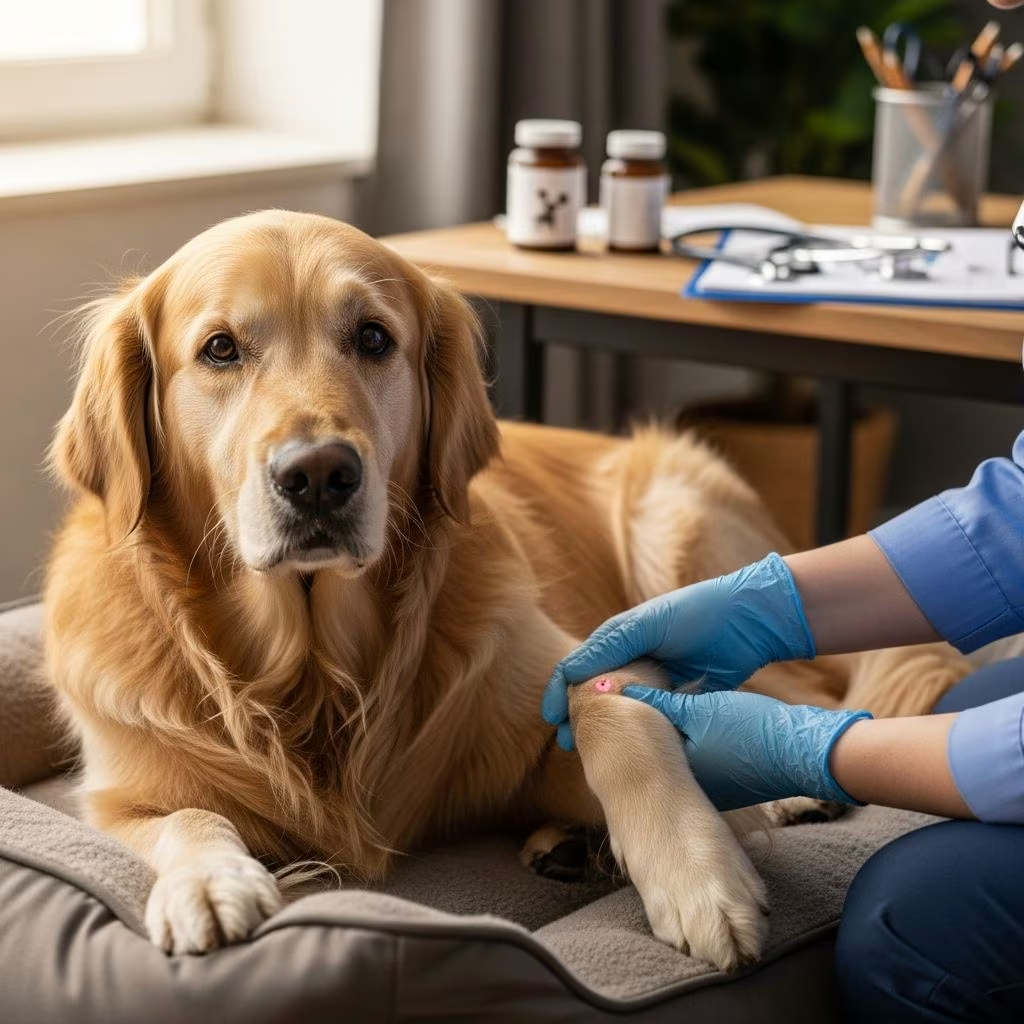
Arthritis is a common condition in dogs that leads to joint inflammation, pain, and reduced mobility, particularly as they age. While there is no cure, a combination of veterinary treatments, lifestyle adjustments, and supportive therapies can significantly improve a dog’s comfort and quality of life.
Understanding the Roots of Canine Joint Issues
Joint degeneration in dogs often stems from natural wear and tear over time, especially in senior pets where cartilage breaks down gradually. Genetic predispositions play a major role, with breeds like Labrador Retrievers, German Shepherds, and Golden Retrievers showing higher susceptibility due to conformational issues such as hip or elbow dysplasia.
Other contributing factors include previous injuries like ligament tears, fractures, or infections that damage joint structures. Excess body weight exacerbates the problem by placing additional stress on joints, accelerating cartilage loss. Improper exercise during puppyhood—either too much or too little—can also lead to abnormal joint development.
- Wear and tear: Primary cause in older dogs from daily joint use.
- Genetics: Dysplasia in hips or elbows common in large breeds.
- Trauma: Past injuries that alter joint mechanics.
- Obesity: Increases load on weight-bearing joints.
Spotting Early Warning Signs in Your Pet
Recognizing arthritis early allows for timely intervention to slow progression. Owners often notice subtle changes in behavior and movement before severe lameness sets in. Common indicators include stiffness after resting, reluctance to climb stairs or jump, and a slowed gait during walks.
Dogs may show personality shifts like increased irritability, whining, or withdrawal from play. Physical signs encompass swollen joints, muscle wasting around affected areas, and excessive licking or chewing at painful spots. In advanced cases, pets struggle to rise from lying down or exhibit a shuffling walk.
| Symptom | Description | Common Triggers |
|---|---|---|
| Stiffness | Worse after rest or in cold weather | Morning or post-nap |
| Limping | Favors one or more legs | After activity |
| Reluctance to move | Avoids jumps, stairs, play | Pain avoidance |
| Behavioral changes | Grumpiness, lethargy | Chronic discomfort |
| Joint swelling | Visible enlargement | Inflammation buildup |
Comprehensive Veterinary Interventions
Veterinarians tailor treatment plans based on the dog’s age, breed, severity, and overall health. Pain management forms the cornerstone, using prescription medications to reduce inflammation and alleviate discomfort.
Nonsteroidal anti-inflammatory drugs (NSAIDs) like carprofen, meloxicam, or grapiprant (Galliprant) are first-line options, administered as daily tablets or liquids. For more targeted relief, monoclonal antibody therapies such as Librela block nerve growth factors associated with osteoarthritis pain, given monthly via injection.
Injectable treatments like Adequan enhance joint lubrication and combat inflammation directly. These FDA-approved options provide sustained benefits with minimal side effects when monitored by a vet.
Advanced Pain Relief Modalities
- Laser therapy: Low-level light penetrates tissues to boost blood flow and reduce swelling.
- Shockwave therapy: High-energy sound waves target inflamed areas for healing.
- Electrical stimulation: Builds muscle strength and provides TENS for pain blocking.
- Acupuncture: Stimulates points for natural pain relief and improved circulation.
Physical Rehabilitation for Stronger Joints
Rehabilitation therapies mimic human physical therapy, focusing on restoring function without surgery. Certified canine rehab specialists design programs including underwater treadmill sessions, which support weight while promoting range of motion.
Passive stretching, therapeutic exercises, and balance training counteract muscle atrophy. Massage around joints improves circulation and eases stiffness. These non-invasive methods often complement medications for holistic management.
Consistency is key: Short, frequent low-impact walks (10-15 minutes, 3-4 times daily) prevent stiffness without overload. Avoid high-impact activities like jumping or rough play.
Nutritional Strategies and Weight Control
Maintaining an ideal body weight reduces joint stress dramatically—every extra pound multiplies force on legs. Calorie-controlled diets with joint-supporting additives like glucosamine, chondroitin sulfate, and omega-3 fatty acids help rebuild cartilage and curb inflammation.
Vet-recommended prescription foods or supplements provide concentrated nutrients. Owners should track portions and monitor body condition scores regularly. Combining diet with exercise yields the best outcomes for long-term mobility.
Holistic and Supportive Home Care
At-home adjustments make a big difference. Provide orthopedic foam beds to cushion joints, raised food bowls to ease neck strain, and non-slip rugs to prevent falls on slick floors. Warm compresses soothe stiffness, while gentle daily massages promote flexibility.
Environmental enrichments like ramps for furniture access keep active dogs comfortable. Alternative therapies such as hydrotherapy pools allow swimming without joint impact. Stem cell therapies, though emerging, show promise in regenerating tissues.
Potential Surgical Options for Severe Cases
Surgery is reserved for specific scenarios, like joint replacements or fracture repairs, where conservative measures fail. It’s not routine for most arthritis but can restore function in dysplasia-affected hips. Post-op rehab is essential for recovery.
Long-Term Monitoring and Prognosis
Regular vet check-ups track progress and adjust plans. Bloodwork monitors NSAID use to avoid gastric issues. With proactive care, many dogs live comfortably for years post-diagnosis, enjoying play and walks.
Frequently Asked Questions (FAQs)
What breeds are most prone to arthritis?
Labradors, German Shepherds, Golden Retrievers, and large breeds with dysplasia risks.
Can diet alone manage my dog’s arthritis?
Diet supports but doesn’t replace meds or therapy; weight loss is crucial.
Is laser therapy safe for dogs?
Yes, non-invasive with no heat damage; effective for pain reduction.
How often should I exercise an arthritic dog?
Short sessions multiple times daily, low-impact only.
Are supplements like glucosamine effective?
They aid cartilage health; best with vet guidance.
References
- Arthritis in Dogs — Blue Cross. 2023. https://www.bluecross.org.uk/advice/dog/health-and-injuries/arthritis-in-dogs
- Dog Arthritis Treatment: How To Help a Dog With Arthritis — PetMD. 2024-02-15. https://www.petmd.com/dog/general-health/dog-arthritis-treatment-how-to-help-a-dog
- Osteoarthritis in Dogs: Causes, Symptoms & Treatment — Catawba Animal Hospital. 2023-10-15. https://www.catawbaanimal.com/site/blog/2023/10/15/osteoarthritis-dogs
- Arthritis in dogs — PDSA. 2024. https://www.pdsa.org.uk/pet-help-and-advice/pet-health-hub/conditions/arthritis-in-dogs
- Arthritis In Dogs | Causes, Symptoms & Treatment — Emergency Vet. 2023. https://www.emergencyvet.com.au/for-vets-and-nurses/resource-centre/articles-for-referring-vets/management-of-osteoarthritis-in-pets.html
- Signs of Arthritis in Dogs | Symptoms and Treatment — Medivet Group. 2024. https://www.medivetgroup.com/pet-care/pet-advice/arthritis-in-dogs/
- Arthritis in Dogs — VCA Animal Hospitals. 2024. https://vcahospitals.com/know-your-pet/arthritis-in-dogs



