

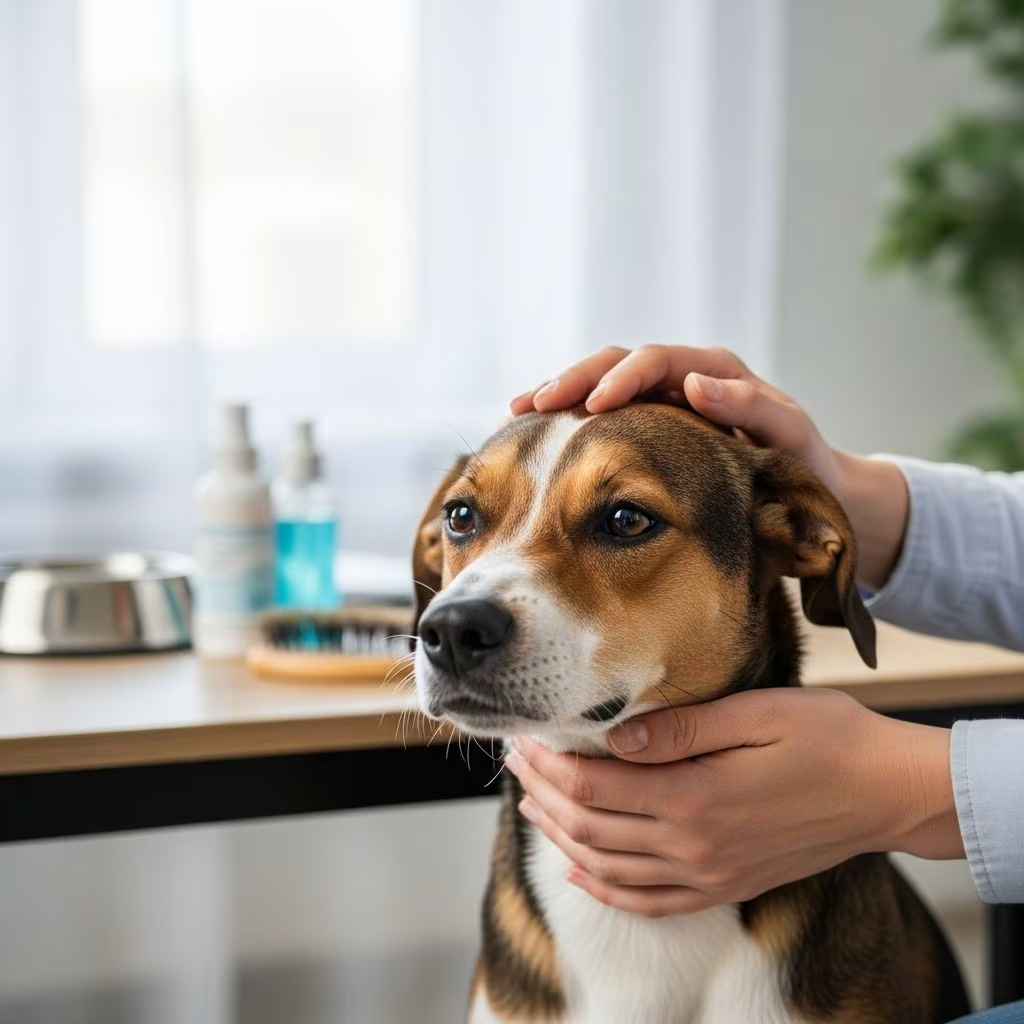
Dog allergies affect millions of pets worldwide, leading to discomfort that impacts their quality of life. These reactions occur when a dog’s immune system overreacts to harmless substances, triggering inflammation and irritation. Common triggers include environmental factors, food proteins, and flea bites. Early identification and targeted management can significantly reduce symptoms and prevent complications like secondary infections.
Understanding the Root Causes of Allergies in Dogs
Allergies in dogs stem from an exaggerated immune response to specific allergens. These can enter the body through inhalation, ingestion, skin contact, or bites. Environmental allergens such as pollen, dust mites, and mold are frequent culprits, especially during seasonal changes. Food allergies often involve proteins like beef, chicken, dairy, or grains, manifesting year-round. Flea allergy dermatitis (FAD) results from hypersensitivity to flea saliva, where even a single bite provokes intense reactions. Insect stings from bees or wasps, household chemicals, and certain medications can also initiate acute responses. Genetic predisposition plays a role, with breeds like Labrador Retrievers, Bulldogs, and Terriers showing higher susceptibility.
Recognizing Common Symptoms Early
Spotting allergy signs promptly allows for timely intervention. The most prevalent symptom is intense **itching**, leading to excessive scratching, licking, or chewing, particularly on paws, ears, belly, and groin. Skin may appear red, inflamed, or develop hives—small raised bumps. Dogs often rub their faces on surfaces or suffer from recurrent ear infections with dark, waxy discharge. Gastrointestinal issues like vomiting, diarrhea, or gas signal food sensitivities. Other indicators include hair loss (alopecia), flaky skin, runny eyes, and in severe cases, breathing difficulties or swelling. Acute reactions from stings or chemicals can escalate to anaphylaxis, characterized by pale gums, weakness, or collapse, requiring emergency care. Chronic allergies may lead to thickened skin (lichenification) or secondary bacterial/yeast infections due to self-trauma.
Diagnostic Approaches for Accurate Identification
Veterinarians employ several methods to pinpoint allergens. A thorough history and physical exam assess symptom patterns, seasonality, and diet. Skin scrapings, cytology, or cultures rule out infections or parasites. Intradermal skin testing involves injecting small allergen amounts under the skin to observe reactions, ideal for environmental allergies. Blood tests measure IgE antibodies but are less precise. For food allergies, elimination diets—feeding novel proteins (e.g., duck or venison) with limited carbs for 8-12 weeks—confirm sensitivities when symptoms resolve and recur upon reintroduction. Flea allergies are diagnosed via flea combing or response to flea control. Advanced imaging or biopsies may evaluate chronic cases.
Comprehensive Treatment Options
Treatment focuses on symptom relief, allergen avoidance, and immune modulation. No single approach cures allergies, but combinations yield best results.
Medications for Immediate Relief
- Antihistamines: Benadryl (diphenhydramine), cetirizine, or loratadine block histamine, easing mild itching. Dosing is weight-based; consult vets to avoid interactions.
- Apoquel (oclacitinib): Rapidly inhibits itch signals, safe for long-term use in dogs over 12 months.
- Cytopoint (lokivetmab): Injectable antibody neutralizes itch protein (IL-31), lasting 4-8 weeks, effective for atopic dermatitis.
- Steroids: Prednisone provides quick anti-inflammatory effects but limits to short-term due to side effects like thirst, urination, and immunosuppression.
Antibiotics or antifungals treat secondary infections; fatty acid supplements (omega-3s) offer natural anti-inflammatory benefits.
Topical and Bathing Therapies
Regular bathing with hypoallergenic, oatmeal-based, or medicated shampoos removes allergens and soothes skin. Weekly use prevents flare-ups and clears debris. Sprays, wipes, or mousses with hydrocortisone provide spot relief.
Immunotherapy: Long-Term Solution
Allergy shots or sublingual drops desensitize the immune system by gradual allergen exposure. Based on testing, custom vaccines achieve 60-70% success, reducing medication needs over 6-12 months. Monitoring compares seasonal symptom severity; adjustments ensure efficacy.
Prevention Strategies for a Symptom-Free Life
Avoidance is foundational. For fleas, year-round preventives like topical/oral products eliminate bites. Minimize environmental exposure via air filters, frequent vacuuming, and wiping paws post-outings. Food trials use hydrolyzed diets to break protein allergens. Flea combs and environmental cleaning control house dust mites. Breeders selecting against atopy reduce risks in predisposed lines. Regular vet check-ups track flare factors like infections.
| Treatment | Onset | Duration | Side Effects | Best For |
|---|---|---|---|---|
| Antihistamines | Hours | Daily | Sedation (rare) | Mild symptoms |
| Cytopoint | 1 day | 4-8 weeks | Minimal | Chronic itch |
| Apoquel | 4 hours | Daily | GI upset (rare) | Moderate-severe |
| Steroids | Hours | Days-weeks | Thirst, CU*SD | Acute flares |
| Immunotherapy | Months | Lifelong | Local reactions | Environmental |
| *CU=Increased urination, SD=Skin thinning | ||||
Lifestyle Adjustments and Home Remedies
Enhance treatments with supportive care. Omega-3 supplements from fish oil reduce inflammation naturally. Cool compresses or aloe vera soothe hot spots. E-collars prevent self-injury during flares. Maintain ideal weight to lessen skin fold irritation. Hypoallergenic bedding and frequent laundry curb dust. Track symptoms in a journal to identify triggers.
When to Seek Emergency Veterinary Care
Not all reactions are mild. Watch for facial swelling, hives, vomiting, diarrhea, lethargy, or breathing issues—hallmarks of anaphylaxis. Administer emergency protocols include epinephrine, fluids, oxygen, and monitoring. Even post-treatment, biphasic reactions can occur 12-24 hours later.
Frequently Asked Questions (FAQs)
Can dogs outgrow allergies?
Rarely; most are lifelong, but management improves with age and tailored plans.
Are over-the-counter meds safe for my dog?
Some like Benadryl are, but always vet-approved dosing to prevent overdose.
How effective is immunotherapy?
60-70% of dogs see major improvement, often reducing drug reliance.
What breeds are most prone?
Golden Retrievers, German Shepherds, Bulldogs, and Shar-Peis.
Can diet cause skin allergies?
Yes, proteins trigger 10-20% of cases; elimination trials diagnose.
Building a Long-Term Management Plan
Collaborate with your vet for personalized strategies. Regular rechecks adjust therapies based on response. Combine avoidance, meds, topicals, and immunotherapy for optimal control. Patient owners see the best outcomes, with many dogs enjoying itch-free lives.
References
- Dog Allergies: Types, Symptoms, and Treatments — VEG ER for Pets. 2023. https://www.veg.com/post/allergic-reaction-in-dogs
- Allergies in Dogs: Symptoms, Causes, and Treatment — PetMD. 2024-10-15. https://www.petmd.com/dog/general-health/food-allergies-vs-seasonal-allergies-dogs
- Our Guide To Allergic Reactions In Dogs — Animal Emergency Service. 2023. https://animalemergencyservice.com.au/blog/our-guide-to-allergic-reactions-in-dogs/
- Allergies in Dogs – Dog Owners — Merck Veterinary Manual. 2024. https://www.merckvetmanual.com/dog-owners/skin-disorders-of-dogs/allergies-in-dogs
- Dog Allergies, Symptoms, Testing, and Treatment — Glastonbury Vet. 2023. https://www.glastonburyvet.com/services/dogs/dog-allergy-testing-0



