

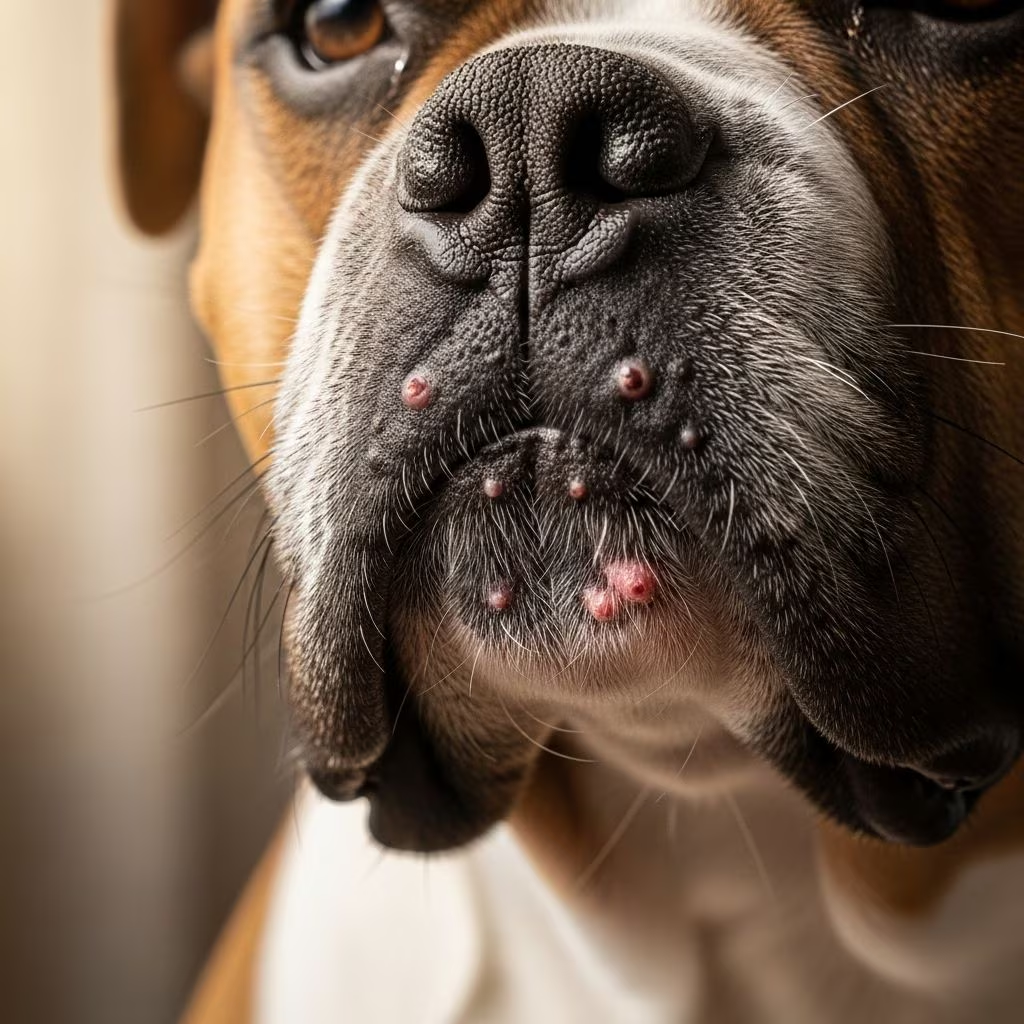
Dog acne, often appearing as small bumps or pimples primarily on the chin or muzzle, affects many canines, especially young ones with short coats. This condition arises from clogged follicles, bacterial involvement, or trauma, but with proper care, it can be managed effectively.
Recognizing the Signs of Canine Skin Bumps
Spotting acne early helps prevent worsening. Common indicators include red, inflamed spots on the lower jaw, whiteheads, blackheads, or pus-filled lesions. In advanced stages, these may rupture, leading to crusting or bleeding. Unlike human acne, dog versions rarely spread beyond the face and often resolve with age, though some persist chronically.
- Small red papules or nodules on the chin.
- White or black comedones resembling human pimples.
- Swollen, painful areas that may ooze if infected.
- Itching or rubbing behaviors exacerbating the issue.
These symptoms mimic other issues like allergies or mites, so professional diagnosis is key to rule out folliculitis or demodex.
Primary Factors Leading to Facial Acne in Dogs
Several elements contribute to follicle blockage and inflammation. Excess sebum production mixes with dead skin, trapping debris and inviting bacteria like Staphylococcus or Propionibacterium acnes.
| Cause | Description | Affected Dogs |
|---|---|---|
| Bacterial Invasion | Hair follicles become infected post-trauma, causing pus. | Short-haired breeds. |
| Hormonal Shifts | Puberty increases oil, common in puppies. | Young adults. |
| Trauma | Rubbing on rough surfaces breaks hairs, inflaming follicles. | Active play-prone dogs. |
| Allergies | Food or environmental triggers irritate skin. | Allergenic breeds. |
| Genetics | Breed predisposition heightens risk. | Boxers, Bulldogs. |
Clogged pores from poor hygiene or plastic bowls harboring bacteria compound these risks.
When to Seek Veterinary Attention
Not all bumps require a vet, but persistent, spreading, or painful ones do. If home cleaning fails after a week or fever/scabs appear, consult promptly to avoid secondary infections.
- Lesions covering larger areas or lips.
- Signs of pain like reluctance to eat.
- No improvement with gentle cleansing.
- Accompanying lethargy or hair loss.
Vets perform skin scrapes or cytology to confirm acne versus pyoderma.
Effective Treatment Approaches for Clear Skin
Treatment targets inflammation, infection, and root causes. Start with vet-recommended topicals; escalate if needed.
Topical Therapies
Benzoyl peroxide shampoos or wipes flush follicles and curb bacteria. Apply 2-3% solutions daily, rinsing after 10 minutes to avoid dryness.
- Dilute for sensitive skin.
- Follow with moisturizers if cracking occurs.
Medications
For infections, topical or oral antibiotics like cephalexin. Anti-inflammatories or steroids reduce swelling in severe cases. Antifungals address rare yeast overgrowth.
Supportive Changes
Switch to stainless steel bowls, use hypoallergenic diets, and trim rough play. Supplements with omega-3s promote skin health.
Healing takes 2-4 weeks; monitor for recurrence.
Step-by-Step Daily Care Routine
Consistency prevents flare-ups. Dedicate time post-meals for maintenance.
- Wipe chin with pet-safe antiseptic daily.
- Bathe weekly with medicated shampoo.
- Inspect for new bumps during grooming.
- Launder bedding frequently.
- Avoid harsh human products.
Incorporate brushing to remove debris, focusing on facial folds.
Preventive Measures for Long-Term Skin Wellness
Proactive habits minimize risks. Genetics can’t change, but environment can.
- Feed balanced, allergen-free kibble.
- Maintain optimal weight to reduce skin folds.
- Use soft toys over rough ones.
- Regular vet check-ups for early detection.
Hypoallergenic grooming lines and probiotics support barrier function.
Common Myths About Dog Pimples Debunked
Misconceptions delay care. Popping pimples worsens infection; human creams burn delicate skin. Acne isn’t contagious but signals hygiene needs.
| Myth | Fact |
|---|---|
| Only dirty dogs get acne. | Often genetic or hormonal. |
| It resolves without help. | May scar or infect chronically. |
| Human treatments work. | Too harsh; use vet products. |
Frequently Asked Questions (FAQs)
Can all dogs develop acne?
Most common in short-coated breeds like Boxers, but any can be affected, peaking in youth.
Is dog acne painful?
Mild cases itch; severe ones hurt, altering eating or play.
How long does treatment last?
Weeks for mild; months for stubborn cases with maintenance.
Does diet impact acne?
Yes, allergies trigger flares; hydrolyzed proteins help.
Can I prevent it entirely?
Not always due to genetics, but hygiene slashes risks.
Advanced Cases and Complications
Chronic acne risks cysts or furunculosis—deep infections needing drainage or long-term meds. Allergies underlie 20-30% of persistent cases; elimination trials identify culprits. Rarely, biopsy rules out neoplasia.
Monitor post-treatment; recurrence drops with adherence.
References
- Dog Acne – PetMD — PetMD. 2023. https://www.petmd.com/dog/conditions/skin/c_dg_acne
- Dog Acne on Chin: How to Treat it — Yalesville Veterinary Hospital. 2023. https://yalesvillevet.com/blog/dog-acne-on-chin-how-to-treat-it/
- Understanding and Treating Dog Acne — Park Veterinary Hospital. 2023. https://parkvet.net/blog/dog-acne/
- Pimple-Like Bump on Your Dog? Dog Acne Symptoms & Treatment — Purina. 2023. https://www.purina.com/articles/dog/health/skin-fur-ears/dog-acne-pimples
- Acne in Dogs (Canine Acne) — VCA Animal Hospitals. 2023. https://vcahospitals.com/know-your-pet/acne-in-dogs
- Dog Pimples: Causes, Symptoms, & Treatment For Dog Acne — Spot & Tango. 2023. https://www.spotandtango.com/blog/dog-pimples



