

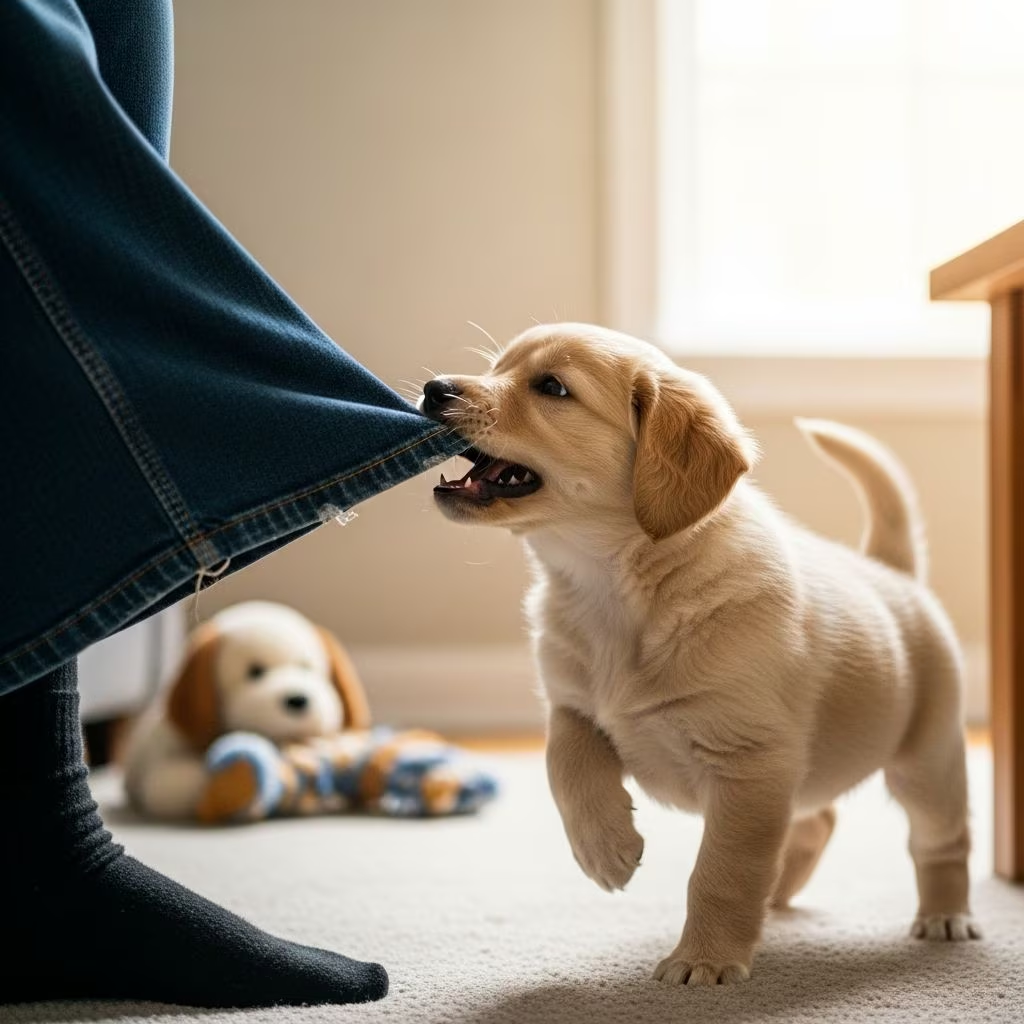
Puppies are energetic, curious bundles of joy that bring excitement to any household. However, their natural exuberance can sometimes translate into behaviors that challenge even the most patient dog owners. From destructive chewing to incessant barking and jumping on guests, understanding how to address these behaviors effectively sets the foundation for a well-adjusted adult dog. The key to successfully managing disruptive puppy conduct lies not in punishment, but in understanding the underlying causes and redirecting that energy toward appropriate outlets.
Understanding the Root Causes of Puppy Misbehavior
Before implementing corrective strategies, it’s essential to recognize that puppies don’t misbehave out of spite or malice. Rather, their actions stem from natural developmental stages, unmet physical needs, or lack of proper guidance. Puppies explore their world through their mouths, which explains the prevalence of chewing behaviors. Similarly, barking serves as a communication tool—whether expressing excitement, alerting to stimuli, or seeking attention. Jumping typically develops as puppies attempt to greet people at face level, a behavior inherited from their canine heritage.
Recognizing these motivations allows owners to address the behavior rather than merely punishing the symptom. A puppy that barks excessively might need increased physical exercise or mental stimulation. One that chews furniture might be teething or bored. This diagnostic approach transforms puppy training from a confrontational battle into a collaborative process where owners guide their pets toward better choices.
Establishing Environmental Controls
The most effective first step in managing puppy behavior involves controlling the environment to prevent misbehavior before it occurs. Rather than constantly correcting inappropriate actions, thoughtful environmental design reduces opportunities for problems to develop in the first place.
- Secure the space: Use baby gates to restrict access to areas where supervision isn’t possible. This prevents unsupervised destruction and keeps your puppy safe.
- Remove temptations: Store shoes, electrical cords, cushions, and other attractive items out of reach. The easier you make it for your puppy to make good choices, the faster learning occurs.
- Designate boundaries: Establish areas where your puppy is permitted to explore freely while cordoning off dangerous or off-limit zones.
- Utilize crates appropriately: A properly-sized crate serves as a den-like space where puppies naturally avoid eliminating waste, supporting house training efforts.
Environmental management isn’t about imprisoning your puppy—it’s about creating a safe space where they can succeed. When puppies have fewer opportunities to engage in unwanted behaviors, they simultaneously have more opportunities to practice desired ones.
Redirecting Energy Through Appropriate Outlets
Puppies possess seemingly limitless energy reserves. Rather than expecting them to suppress this natural exuberance, successful training channels that energy into constructive activities. Providing appropriate outlets prevents boredom-driven misbehavior and gives puppies an acceptable way to satisfy their instincts.
Chewing Solutions
Chewing is a natural and necessary part of puppy development, particularly during teething phases. Instead of eliminating this behavior, guide it toward appropriate objects. Stock your home with diverse chew toys—rope toys for tugging, puzzle feeders for problem-solving, and rubber toys for texture variety. Rotate these toys regularly to maintain novelty and sustained interest.
When you catch your puppy chewing inappropriate items, avoid chasing them, as this transforms the interaction into a rewarding game. Instead, calmly offer a trade—present a more enticing toy as an alternative. Once your puppy engages with the appropriate toy, provide enthusiastic praise and possibly a treat. Over time, puppies learn that approved toys deliver better rewards than furniture or shoes.
Barking Management
Address excessive barking by first identifying its source. Is your puppy alerting you to external stimuli, seeking attention, or experiencing boredom? Each cause requires a different approach. For attention-seeking barking, ignore the behavior completely and only provide attention when your puppy is quiet. For noise-triggered barking, close curtains or blinds to reduce visual stimuli. For boredom-related barking, increase daily exercise, introduce puzzle toys, and engage in training sessions.
To teach a “quiet” command, allow your puppy two or three barks, then say “quiet” and immediately reward with treats when silence follows. This teaches puppies that quiet behavior earns rewards, making it more appealing than the barking itself.
Physical Exercise and Mental Stimulation
A well-exercised puppy is significantly less likely to engage in destructive behaviors. Daily walks should include time for sniffing and exploration, not just forward movement. Incorporate play sessions, fetch games, and trips to dog parks where puppies can run freely. Additionally, mental stimulation through training, scent work, and puzzle toys provides cognitive exercise that tires puppies as effectively as physical activity. A combination of both physical and mental outlets creates a balanced approach that promotes overall well-being.
Implementing Positive Reinforcement Training
Positive reinforcement-based training proves far more effective than punishment for addressing puppy misbehavior. Reward-based methods teach puppies what you want them to do rather than simply what you don’t want, creating a cooperative learning environment that strengthens the human-dog bond.
| Training Principle | Application | Expected Outcome |
|---|---|---|
| Clear Commands | Teach one behavior at a time with consistent cues | Puppy understands expectations and responds reliably |
| Timely Rewards | Treat or praise the exact moment desired behavior occurs | Puppy makes stronger association between action and reward |
| Steady Practice | Train in short sessions under ten minutes daily | Skills develop gradually without overwhelming the puppy |
| Progressive Difficulty | Master basics in quiet spaces before adding distractions | Puppy builds confidence and reliability across environments |
Training Structure and Consistency
Break complex behaviors into small, manageable steps. Rather than expecting your puppy to understand “sit” immediately, reward them for slightly lower hindquarters, gradually shaping the final position. Keep training sessions brief to match your puppy’s attention span, and always end on a positive note with success.
Consistency across all household members is crucial. If one person allows jumping while another discourages it, your puppy receives conflicting messages that slow learning. Establish clear household rules and ensure everyone enforces them uniformly.
Establishing Predictable Routines
Puppies thrive with structure and predictability. Knowing when feeding, potty breaks, play, and sleep occur reduces anxiety-driven misbehavior and supports house training progress.
- Schedule outdoor breaks immediately after waking, eating, playing, and before bedtime
- Maintain consistent meal times to create predictable elimination patterns
- Establish designated play sessions rather than random interactions
- Implement a calm bedtime routine that signals the end of activity
When puppies understand what happens next, they’re less likely to develop anxiety-related behaviors. Predictable routines also make house training more efficient, as owners can anticipate when their puppy needs outdoor access.
Managing Attention-Seeking Behaviors
Puppies quickly learn which behaviors capture human attention. Unfortunately, negative attention—such as scolding for jumping or barking—still constitutes attention and can inadvertently reward misbehavior. Instead, deliberately ignore unwanted attention-seeking behaviors while providing generous praise and interaction when your puppy behaves appropriately.
If your puppy jumps on guests, teach them to sit instead. Guests should only interact with your puppy when all four feet are on the ground. This redirects the jumping impulse into a behavior that earns rewards. Over time, sitting becomes the default greeting behavior.
Handling Resource Guarding and Nipping
Some puppies display resource guarding—showing possessive behavior over toys, food, or other items. Rather than punishing growling, understand that these vocalizations communicate discomfort and provide valuable warning signals. Hand-feed meals occasionally to build positive associations with humans approaching food. Teach “drop it” and “leave it” commands through trading games—offering something more valuable in exchange for the guarded item.
Similarly, mouthing and gentle nipping are normal puppy behaviors as they explore their world and develop bite inhibition. Redirect mouthing to appropriate toys and avoid hand-chase games that teach puppies that hands are toys. When nipping occurs during play, immediately end the interaction to teach puppies that biting terminates fun.
Addressing House Training Challenges
Accidents during house training aren’t misbehavior—they’re developmental stages. Establish outdoor routines tied to natural elimination times. Always reward immediately after successful outdoor elimination with treats and enthusiastic praise. If accidents occur indoors, clean thoroughly with enzyme-based cleaners to remove scent markers that attract repeated elimination to the same spot. Avoid punishing indoor accidents, as this teaches puppies to hide, not to eliminate appropriately.
Keep a simple log noting when accidents occur to identify patterns. Many puppies naturally eliminate at predictable times, allowing owners to optimize outdoor access accordingly.
Knowing When to Seek Professional Help
While many puppy behaviors respond well to owner-implemented training, certain situations warrant professional intervention. Seek guidance from a qualified, positive reinforcement-based trainer if your puppy displays biting aggression, intense fear responses, severe separation anxiety, or resource guarding that escalates despite your efforts. Early professional involvement prevents behavior problems from becoming ingrained habits that are harder to modify in adult dogs.
Frequently Asked Questions
Can I use treats throughout my puppy’s training?
Yes, treats are highly effective for teaching new behaviors. As your puppy develops competence and habits form, gradually transition to variable rewards—sometimes treats, sometimes praise, sometimes access to play or walks. This maintains motivation without creating excessive food dependency.
What if my puppy ignores commands when we’re outside?
Outdoor environments contain more distractions than indoor spaces, which naturally reduces responsiveness. Start teaching commands indoors in quiet settings, then gradually introduce mild distractions before progressing to busier environments. Increase the value of outdoor rewards and keep training sessions brief until reliability improves.
Does exercise alone eliminate behavior problems?
Exercise helps tremendously, but mental stimulation proves equally important. Combine physical activity with training games, puzzle toys, and scent work. A tired puppy with an engaged mind exhibits fewer behavior problems than one that’s only physically exhausted.
How do I prevent my puppy from nipping during play?
Teach puppies bite inhibition by yelping and ending play sessions immediately when nipping occurs. Redirect mouthing to toys and avoid hand-chase games. Consistency across all interactions teaches puppies that gentle play continues, while any mouthing stops the fun.
What’s the best timeline for introducing new commands?
Introduce one new command weekly while continuing to practice previously learned commands. This prevents overwhelming your puppy while building a comprehensive command repertoire. Keep each training session under ten minutes to match your puppy’s attention span.
Building Long-Term Success
Managing disruptive puppy behavior requires patience, consistency, and empathy. Your puppy isn’t attempting to frustrate you—they’re learning how to navigate their world. By providing clear guidance, appropriate outlets, and positive reinforcement for desired behaviors, you establish patterns that shape your puppy’s adult personality. The effort invested during these formative months creates a foundation for a well-behaved, confident adult dog.
Track your progress by noting improvements in specific behaviors. Celebrate small wins and remain flexible as your puppy develops. Most behavior challenges respond well to consistent, positive training approaches combined with environmental management and appropriate exercise. With dedication and understanding, your mischievous puppy transforms into a trustworthy companion you’ll enjoy for years to come.
References
- Fix Puppy and Adult Dog Behavior Issues | Practical Training Guide — Founders Green. 2024. https://www.foundersgreen.com/fix-common-puppy-and-adult-dog-behavior-problems/
- 5 Common Behavior Problems And Solutions In Puppies — Pioneer Animal Hospital. 2024. https://pioneeranimalhospital.com/blog/5-common-behavior-problems-and-solutions-in-puppies/
- Bad Behaviour: Dealing with Your Dog’s Behaviour Problems — PDSA. 2024. https://www.pdsa.org.uk/pet-help-and-advice/looking-after-your-pet/puppies-dogs/bad-behaviour
- 16 Common Dog Behavior Issues and Tips to Fix Them — CareCredit. 2024. https://www.carecredit.com/well-u/pet-care/dog-behavior-issues/
- How to Curb Unwanted Dog Behaviors — American Kennel Club. 2024. https://www.akc.org/expert-advice/training/how-to-curb-unwanted-dog-behaviors/



