

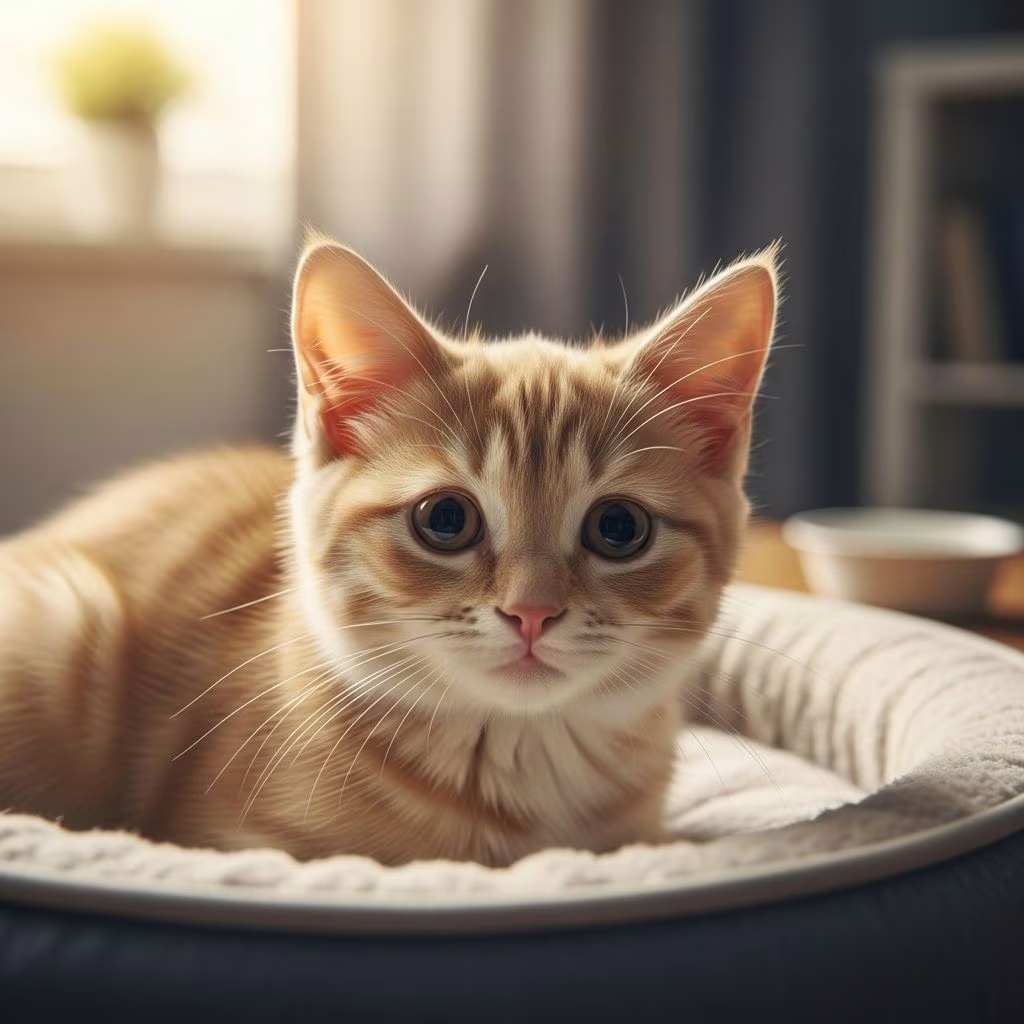
Loose stools and digestive disturbances are among the most frequent health concerns that develop in young cats during their first months of life. While these episodes can be alarming for new kitten owners, understanding the underlying causes and appropriate responses can help you navigate this common challenge with confidence. This guide provides practical information about recognizing digestive upset, identifying potential triggers, and implementing effective management strategies.
Understanding Digestive Upset in Kittens
Digestive upset refers to unformed or loose stools, which typically occur more frequently than normal bowel movements and may contain excess moisture. Young cats experience these episodes more often than adult felines because their gastrointestinal systems are still developing and remain more sensitive to environmental changes and dietary modifications. The condition itself is usually a symptom rather than a disease, indicating that something requires attention within the kitten’s digestive system.
Unlike adult cats, kittens have limited ability to regulate their intestinal functions when exposed to unfamiliar foods, stressful situations, or infectious agents. Their immune systems are still maturing, which means they cannot always effectively combat parasitic infestations or bacterial imbalances that adult cats might handle without issue. Recognizing that digestive upset is typically treatable and responsive to intervention can help you remain calm and take appropriate action.
Primary Dietary Factors Contributing to Digestive Issues
Nutritional choices represent one of the most straightforward and modifiable causes of digestive upset in young cats. Understanding how dietary decisions impact your kitten’s gastrointestinal health enables you to prevent many episodes before they occur.
Sudden Dietary Transitions
One of the most common triggers for temporary digestive upset involves rapidly changing a kitten’s food source. When transitioning between kitten formulas, brands, or food types, the abrupt shift in nutritional composition and ingredients can irritate the intestinal lining. The kitten’s digestive system requires time to adjust to new proteins, fat levels, and fiber content. Rather than implementing immediate food changes, veterinarians recommend gradually mixing increasing amounts of new food with the previous diet over a period of seven to ten days, allowing the digestive system to acclimate progressively.
Lactose Intolerance and Dairy Products
Despite the persistent cultural image of kittens enjoying bowls of cow’s milk, the reality is that most young cats cannot digest dairy products effectively. While kittens possess the enzyme needed to digest lactose while nursing from their mother, cow’s milk differs significantly from feline mother’s milk in its nutritional composition and lactose concentration. Offering standard dairy milk to kittens typically results in rapid gastrointestinal upset, including loose stools and abdominal discomfort. If a kitten has been separated from its mother and requires supplemental nutrition, specially formulated kitten milk replacer should replace cow’s milk entirely, as these products contain balanced nutrients appropriate for feline development.
Contaminated or Inappropriate Foods
Young cats may consume food contaminated with harmful bacteria such as salmonella or E. coli, leading to infections that manifest as digestive upset. Additionally, curious kittens sometimes ingest spoiled food or items not intended for consumption, triggering gastrointestinal disturbances. Ensuring that food storage practices prevent contamination and monitoring what your kitten accesses helps minimize these preventable causes.
Infectious Causes of Digestive Upset
Beyond dietary factors, various infectious agents can compromise a kitten’s digestive function. Understanding these potential infections helps you recognize when professional veterinary evaluation becomes necessary.
Parasitic Infestations
Internal parasites represent particularly common causes of digestive upset in young cats. Common parasites affecting kittens include roundworms, tapeworms, hookworms, whipworms, coccidia, and Giardia. These parasites irritate the intestinal lining, interfere with nutrient absorption, and can cause severe diarrhea accompanied by other symptoms including stunted growth, lethargy, and poor coat condition. Kittens should receive deworming treatments beginning at two weeks of age, with repeated treatments every two weeks until reaching twelve weeks of age, followed by monthly preventive medications prescribed by a veterinarian.
Bacterial Infections
Bacterial imbalances or infections within the gastrointestinal tract can trigger digestive upset in kittens. Specific bacteria including salmonella, E. coli, and campylobacter may be identified through fecal PCR testing, which enables veterinarians to prescribe targeted antibiotic therapy. Young, unvaccinated kittens face heightened vulnerability to bacterial infections, particularly when exposed to stressed environments such as shelters or multi-cat households.
Viral Infections
Several viral infections can cause digestive upset in young cats. Feline panleukopenia (also called feline distemper or feline parvovirus) represents a particularly serious viral infection that causes severe diarrhea, vomiting, and potential dehydration in affected kittens. Feline coronavirus, distinct from COVID-19, typically produces mild symptoms or remains asymptomatic but may occasionally cause mild digestive upset. Ensuring your kitten receives appropriate vaccinations provides essential protection against these serious viral threats.
Non-Infectious Health Conditions
Beyond dietary and infectious causes, various underlying health conditions can manifest as digestive upset in young cats.
Inflammatory Bowel Conditions
Inflammatory bowel disease affects the digestive tract lining, causing chronic or intermittent loose stools. This condition interferes with nutrient absorption and can lead to vitamin deficiencies and associated health problems. Diagnosis typically requires veterinary examination and possibly imaging studies.
Structural Abnormalities
Congenital conditions affecting the intestinal structure, such as a shortened colon or intussusception (where one segment of intestine telescopes into another), can impair normal bowel function. While less common than dietary or infectious causes, these conditions warrant veterinary investigation when digestive upset persists despite addressing dietary and parasitic factors.
Medication Side Effects
Certain medications used to treat various feline health conditions can trigger digestive upset as an adverse effect. Antibiotics such as amoxicillin commonly cause stomach irritation and loose stools. When your kitten begins a new medication and develops digestive symptoms, discussing alternatives or supportive treatments with your veterinarian helps address the underlying issue.
Environmental and Stress-Related Factors
Beyond physical health factors, emotional and environmental stressors significantly impact kitten digestive function. Stress represents a documented trigger for digestive upset in young cats. Major life changes including relocation to a new home, introduction to new animals, or adjustment to a new environment can temporarily compromise digestive function. Providing a calm, consistent environment with appropriate resources (litter boxes, food, water, hiding spaces) helps minimize stress-related digestive disturbances.
Recognizing Warning Signs and Symptoms
Understanding which symptoms warrant immediate veterinary attention versus those that might resolve with conservative home management enables appropriate response to your kitten’s condition.
Symptoms Requiring Routine Veterinary Evaluation
- Loose or unformed stools lasting more than 5-7 days
- Mild digestive upset accompanied by normal appetite and energy levels
- Gradual changes in stool consistency without other systemic symptoms
- Mild abdominal bloating or discomfort
Symptoms Requiring Urgent Veterinary Care
- Bloody or tarry stools (indicating internal bleeding)
- Severe, liquid diarrhea
- Vomiting accompanying digestive upset
- Fever, lethargy, or loss of appetite
- Signs of dehydration including dry gums or excessive thirst
- Abdominal pain or distension
- Weight loss or poor coat condition
The presence of red blood in stools may indicate Giardia infection or intestinal inflammation, while black or tarry stools suggest bleeding higher in the digestive tract and require emergency veterinary evaluation.
Diagnostic Approach and Testing
When your kitten experiences persistent digestive upset, your veterinarian may recommend specific diagnostic tests to identify underlying causes. Fecal analysis can identify parasitic infestations and some bacterial infections. Fecal PCR testing provides more detailed bacterial identification when specific organisms require targeted treatment. In some cases, blood work or imaging studies help identify systemic conditions contributing to digestive upset.
Treatment Strategies and Management Options
Conservative Management for Mild Cases
For digestive upset persisting less than 5 days in an otherwise healthy, active kitten with normal appetite, conservative management often proves effective:
- Bland diet transition: Switching to a limited-ingredient diet formulated for digestive sensitivity helps reduce intestinal irritation while maintaining adequate nutrition
- Probiotic supplementation: Adding probiotics to food once daily for 7 days can help restore beneficial intestinal bacteria and improve digestive function
- Increased water availability: Ensuring fresh water access helps prevent dehydration
Pharmaceutical Interventions
When digestive upset becomes liquid in consistency, contains blood, or persists beyond 5-7 days despite conservative management, veterinarians may prescribe medications including:
- Metronidazole: An antibiotic commonly prescribed for intestinal infections and diarrhea, typically costing $5-$10 for a 10-day supply
- Kaolin-pectin formulations: Anti-diarrheal medications that help firm stool consistency
- Dewormers: Oral medications treating parasitic infestations, with common options costing approximately $6 for 50 tablets
Dietary Management Long-Term
After resolving acute digestive upset, transitioning to a high-quality kitten diet formulated with appropriate protein levels and digestible ingredients supports continued digestive health. Premium kitten foods often cost $30 or more per small bag of dry kibble but provide superior nutritional balance compared to budget alternatives.
Preventive Measures and Best Practices
Implementing preventive strategies significantly reduces the likelihood of digestive upset episodes:
- Maintain consistent feeding schedules and avoid table scraps or inappropriate treats
- Implement gradual dietary transitions over 7-10 days when changing foods
- Provide fresh water daily and monitor hydration status
- Ensure appropriate deworming and anti-parasite treatments according to your veterinarian’s recommendations
- Maintain current vaccinations to protect against viral infections
- Minimize environmental stressors and provide secure, comfortable spaces
- Store food properly to prevent contamination
- Prevent access to toxic substances, plants, and household chemicals
Frequently Asked Questions
When should I contact my veterinarian about kitten diarrhea?
Contact your veterinarian if digestive upset persists for more than 5-7 days, if blood appears in stools, if your kitten shows signs of dehydration or lethargy, or if other symptoms accompany the digestive upset. Immediate emergency care becomes necessary if your kitten shows severe symptoms including high fever, severe abdominal pain, or collapse.
Can I treat kitten diarrhea at home?
Mild cases in otherwise healthy kittens may respond to conservative home management including dietary transition to bland food and probiotic supplementation. However, persistent or severe cases require veterinary evaluation to identify and treat underlying causes appropriately.
How long does it take for kitten diarrhea to resolve?
Mild digestive upset related to dietary changes often resolves within 3-5 days with appropriate management. Parasitic or infectious causes may require 7-14 days of appropriate treatment before digestive function normalizes. Underlying conditions may require longer-term management.
Will my kitten get diarrhea again?
Kittens with a history of digestive upset may experience recurrence if exposed to similar triggers. Maintaining consistent diet, preventing parasitic infestations through preventive medications, and minimizing stressors help reduce recurrence risk.
Conclusion
Digestive upset in young cats represents a common but typically manageable condition. By understanding potential causes ranging from dietary factors to infectious agents, recognizing when professional veterinary evaluation becomes necessary, and implementing evidence-based treatment and preventive strategies, you can effectively support your kitten’s digestive health and overall development. When in doubt about your kitten’s condition, consulting with your veterinarian ensures appropriate diagnosis and treatment planning tailored to your individual pet’s needs.
References
- Rational Approach to Diagnosing and Managing Infectious Causes of Diarrhea in Kittens — National Center for Biotechnology Information (NCBI). 2020. https://pmc.ncbi.nlm.nih.gov/articles/PMC7152495/
- 18 Common Causes of Diarrhea in Cats and Kittens — CareCredit. https://www.carecredit.com/well-u/pet-care/what-causes-kitten-diarrhea/
- Kitten Diarrhea: Common Causes, Symptoms and Treatment — BluePearl Pet Hospital. https://bluepearlvet.com/medical-articles-for-pet-owners/kitten-diarrhea/
- Diarrhea — Kitten Lady. http://www.kittenlady.org/diarrhea
- Kitten Diarrhea 101: Causes, Symptoms, and Treatment — Chewy Education. https://www.chewy.com/education/cat/health-and-wellness/dealing-with-kitten-diarrhea
- Diarrhea in Shelter Kittens — Wisconsin Federated Humane Societies. http://www.wisconsinfederatedhs.org/diarrhea-in-shelter-kittens.html
- Diarrhea in Cats: Definition and Physiology — VCA Animal Hospitals. https://vcahospitals.com/know-your-pet/diarrhea-in-cats



