

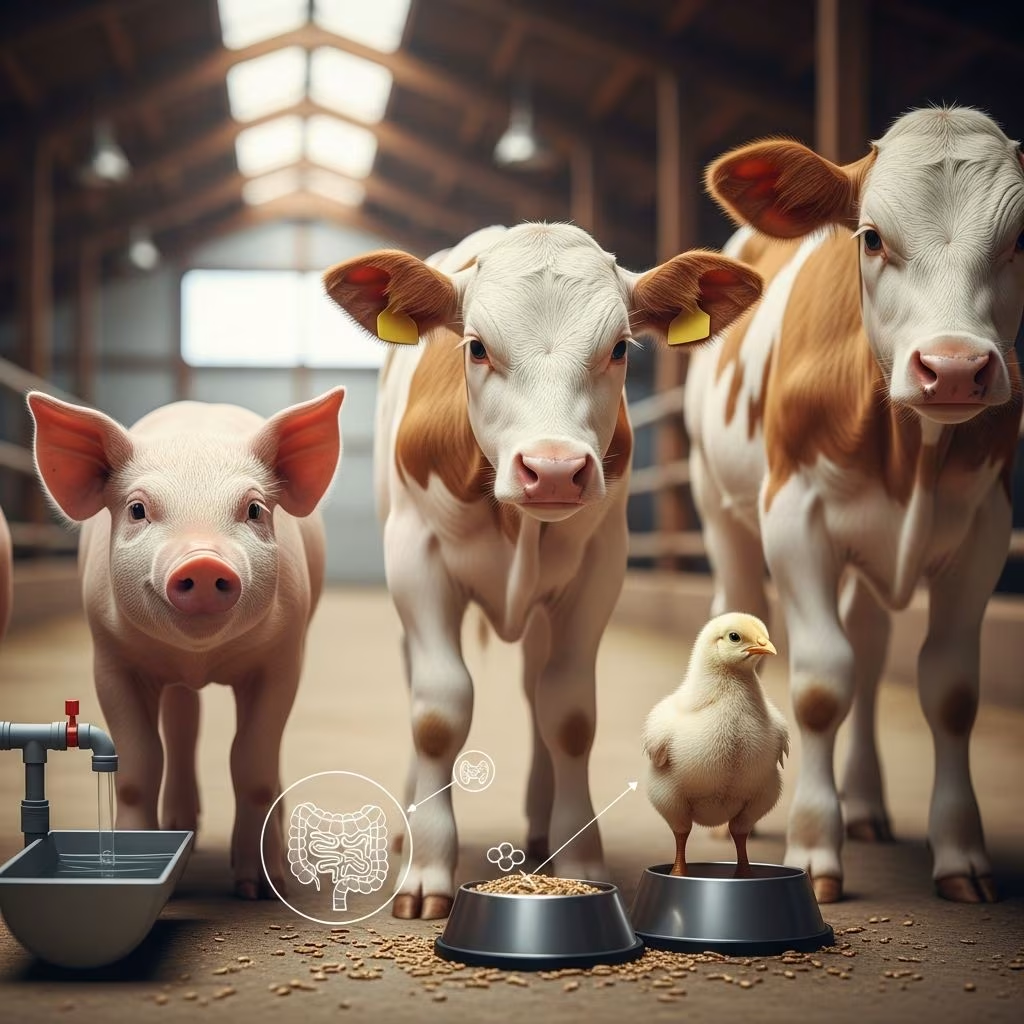
Diarrhea represents a frequent gastrointestinal challenge in monogastric animals, including dogs, cats, horses, and pigs, often stemming from infections, dietary issues, or stress. Effective management combines supportive care with targeted pharmacotherapeutics to restore hydration, stabilize gut function, and address underlying causes. This article details key strategies, drug classes, and practical applications drawn from veterinary pharmacology principles.
Understanding Diarrhea Pathophysiology
In monogastric species, diarrhea arises from disrupted intestinal absorption, increased secretion, or mucosal damage, leading to fluid and electrolyte loss. Small intestinal issues cause voluminous watery stools, while large bowel problems result in frequent, mucus-laden defecations. Supportive therapies prioritize rehydration and gut protection, with drugs modulating motility or adsorbing toxins.
Supportive Fluid and Electrolyte Therapy
Dehydration correction forms the cornerstone of treatment. Calculate deficits as percentage dehydration multiplied by body weight in kg, adding maintenance needs (44-66 mL/kg/day) and ongoing losses. For mild cases, subcutaneous isotonic fluids like lactated Ringer’s suffice; severe dehydration demands intravenous administration. Oral rehydration solutions leverage sodium-glucose transporters to enhance absorption.
Nutritional Interventions for Gut Recovery
Withhold food for 6-12 hours in acute cases, then introduce small, frequent meals of highly digestible diets. Bland options include boiled chicken with white rice or pasta for dogs and cats. Low-fat formulations support GI rest without exacerbating steatorrhea. High-fiber diets with psyllium aid large bowel diarrhea by promoting epithelial repair and reducing tenesmus. Gradually transition back to normal diet over 2-3 days.
- Highly digestible diets: Prescription GI formulas (e.g., Hill’s i/d, Purina EN).
- Fiber supplementation: Soluble fibers like psyllium (1 tsp/10 kg body weight).
- Feeding schedule: 3-6 small meals daily, increasing volume as tolerated.
Adsorbents and Protectants
Adsorbents bind toxins and protect mucosa. Kaolin-pectin mixtures coat the gut and slow transit at dosages of 1-2 mL/kg PO q6h in dogs/cats, or 3-4 mL/kg q6-8h in horses. Activated charcoal (1-2 g/kg PO q4-6h) adsorbs endotoxins across species. Bismuth subsalicylate (1-3 mL/kg PO q24h divided in dogs/cats; higher volumes in foals/horses) offers antimicrobial and antisecretory effects.
| Drug | Dogs/Cats Dosage | Horses/Foals Dosage |
|---|---|---|
| Kaolin-pectin | 1–2 mL/kg PO q6h | 3–4 mL/kg PO q6–8h |
| Activated charcoal | 1–2 g/kg PO q4–6h | 1–2 g/kg PO q4–6h |
| Bismuth subsalicylate | 1–3 mL/kg PO q24h divided | Foals: 0.5–1 mL/kg q6h; Adults: 2–4 L NG |
Antimotility Agents: Use with Caution
Opioid derivatives like diphenoxylate (0.05–0.1 mg/kg PO q8–12h in dogs/cats) or paregoric (0.06 mg/kg PO q8h in dogs) reduce peristalsis but risk toxin retention in infectious cases. Anticholinergics such as hyoscine butylbromide (0.3 mg/kg IV slowly in horses) provide spasmolytic relief. Reserve for non-infectious, secretory diarrhea.
Microbial Modulation: Probiotics and Prebiotics
Probiotics restore beneficial bacteria, producing short-chain fatty acids to support enterocytes. Effective in canine acute diarrhea, shortening duration despite transient colonization. Combine with prebiotics like psyllium for synergistic effects. Veterinary-specific strains outperform human products.
- Benefits: Reduced inflammation, improved barrier function.
- Dogs: Proven in shelter and outpatient settings.
- Prevention: Useful in stress-prone environments like boarding.
Antimicrobials: Targeted Application Only
Avoid routine use due to resistance risks; reserve for confirmed bacterial pathogens. Metronidazole targets anaerobes in suspected C. difficile cases in horses. Oxytetracycline treats Potomac horse fever. Studies show no benefit in uncomplicated canine diarrhea. Deworming addresses parasitic contributors universally.
Species-Specific Considerations
Dogs and Cats
Acute self-limiting diarrhea responds to bland diets, probiotics, and gastroprotectants. Hemorrhagic gastroenteritis requires aggressive fluids; antimicrobials optional.
Horses and Foals
Foal diarrhea often viral; focus on fluids, protectants. Adult horses benefit from nasogastric bismuth or antispasmodics.
Swine
Neonatal scours demand supportive care; antimicrobials for bacterial enteritis per diagnostics.
Advanced Therapies and Emerging Options
Fecal microbiota transplantation shows promise for recurrent Clostridial diarrhea in horses, outperforming vancomycin in humans. Pain management with NSAIDs aids comfort without GI compromise.
Diagnostic Approach to Guide Therapy
Assess dehydration, fecal quality, systemic signs. Fecal analysis rules out parasites/pathogens. Monitor response; escalate if no improvement in 24-48 hours.
FAQs
What is the first step in treating animal diarrhea?
Assess and correct dehydration with fluids, tailored to severity.
Are antidiarrheal drugs safe for all cases?
No; avoid in infectious diarrhea to prevent toxin retention.
Can probiotics prevent diarrhea?
Yes, especially in stressful situations like shelter stays.
How long to withhold food?
6-12 hours maximum, then resume digestible feeding.
When to seek veterinary care?
If bloody stools, lethargy, or persistent >24 hours.
Monitoring and Prognosis
Track hydration, stool consistency, appetite. Most acute cases resolve with supportive care; chronic requires diagnostics. Early intervention optimizes outcomes.
References
- Diarrhea – Vet Med: Applied GI Physiology — University of Minnesota. Accessed 2026. https://open.lib.umn.edu/vetphysioapplied/chapter/diarrhea/
- Diarrhea | Cornell University College of Veterinary Medicine — Cornell University. Accessed 2026. https://www.vet.cornell.edu/departments-centers-and-institutes/riney-canine-health-center/canine-health-topics/diarrhea
- Antidiarrheal Drugs – Merck Veterinary Manual — Merck & Co. Accessed 2026. https://www.merckvetmanual.com/multimedia/table/antidiarrheal-drugs
- Approach to Diagnosis & Therapy of the Patient With Acute Diarrhea — Today’s Veterinary Practice. 2015. https://todaysveterinarypractice.com/gastroenterology/gi-intervention-approach-to-diagnosis-and-therapy-of-the-patient-with-acute-diarrhea/
- Diagnosis and Treatment of Undifferentiated and Infectious Acute Diarrhea in Horses — PMC (NCBI). 2020-03-24. https://pmc.ncbi.nlm.nih.gov/articles/PMC7134835/
- Eight Home Remedies for Diarrhea — VCA Animal Hospitals. Accessed 2026. https://vcahospitals.com/resources/conditions-dog/stomach-digestion/8-home-remedies-for-diarrhea-and-2-that-are-dangerous-for-your-pet



