

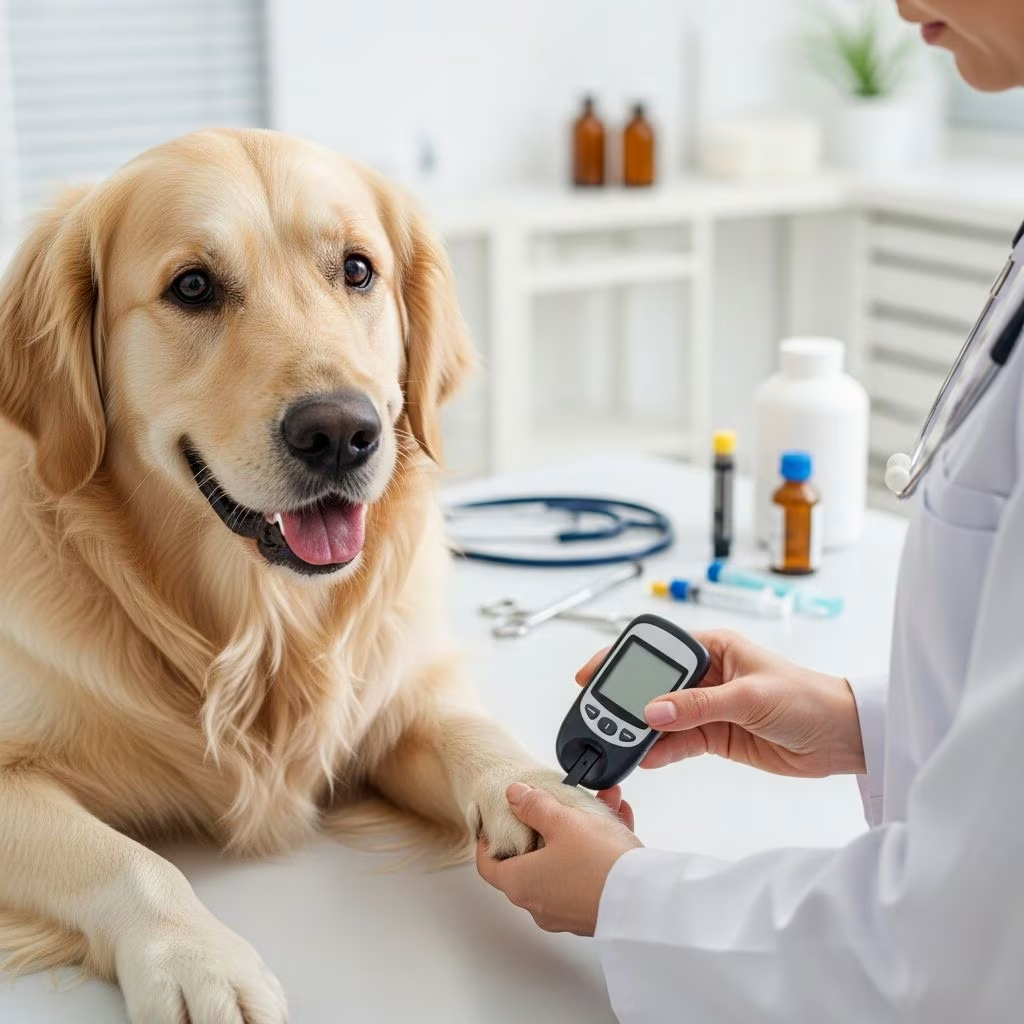
Diabetes mellitus affects thousands of dogs annually, requiring dedicated care to regulate blood glucose levels and promote well-being. Effective management combines insulin therapy, precise nutrition, consistent exercise, and vigilant monitoring under veterinary guidance.
Recognizing the Signs of Diabetes in Canines
Early detection plays a pivotal role in successful diabetes control. Common indicators include excessive thirst and urination, unexplained weight loss despite normal or increased appetite, lethargy, and recurrent infections. Owners often notice their dog drinking more water and producing larger urine volumes, signaling elevated blood sugar spilling into the urine.
- Increased thirst (polydipsia): Dogs may empty water bowls multiple times daily.
- Frequent urination (polyuria): Larger puddles or accidents indoors.
- Weight loss: Muscle wasting even with steady food intake.
- Lethargy and weakness: Reduced interest in play or walks.
- Blurred vision or cataracts: Cloudiness in the eyes from high glucose.
These symptoms arise when the pancreas fails to produce sufficient insulin, leading to hyperglycemia. Breeds like Poodles, Dachshunds, and Labrador Retrievers show higher susceptibility.
Confirming Diagnosis Through Veterinary Testing
Veterinarians confirm diabetes via blood tests measuring glucose levels above 200 mg/dL (normal range: 80-120 mg/dL) and urinalysis detecting glucosuria. Persistent elevation rules out stress-induced hyperglycemia. Additional checks for ketones prevent ketoacidosis diagnosis.
| Test | Normal Range | Diabetic Indicator |
|---|---|---|
| Blood Glucose | 80-120 mg/dL | >200 mg/dL |
| Urine Glucose | Negative | Positive (above renal threshold ~180 mg/dL) |
| Ketones in Urine | Negative | Positive (indicates ketoacidosis) |
Thorough exams exclude other conditions like Cushing’s disease or urinary tract infections.
Core Treatment: Insulin Administration Essentials
Exogenous insulin is the cornerstone of therapy, replacing deficient pancreatic production. Most dogs require twice-daily subcutaneous injections, starting at 0.25-0.5 U/kg using intermediates like NPH, Lente, or Vetsulin (porcine zinc insulin).
- Types of Insulin: Neutral Protamine Hagedorn (NPH), Lente, or long-acting like detemir (0.1 U/kg twice daily for poor control).
- Dosing Schedule: Every 12 hours, coinciding with meals to minimize hypoglycemia risk.
- Injection Technique: Use U-40 syringes; administer while dog eats to build positive association.
Initial control takes 4-6 weeks; veterinarians adjust based on response curves. ProZinc (once-daily) suits 72% of cases per trials. Human insulins like glargine offer longevity but require twice-daily use initially.
Optimizing Nutrition for Glycemic Stability
Diet profoundly influences blood sugar. Feed twice daily, matching insulin timing, with high-insoluble fiber formulas to slow glucose absorption and curb post-meal spikes.
- Key Dietary Principles: Low glycemic index carbs, moderate protein, minimal fats; aim for lean body condition.
- Calorie Control: Divide daily needs into two equal meals; add small fiber-rich snacks at insulin peak (4-8 hours post-dose).
- Therapeutic Foods: Prescription diets enhance control; avoid table scraps or high-sugar treats.
Maintain ideal weight to boost insulin sensitivity. Consult vets before changes, especially if pancreatitis develops, warranting ultra-low-fat options.
Exercise: Balancing Activity for Better Control
Regular, moderate exercise improves insulin utilization and combats obesity. Consistent routines prevent glucose fluctuations from variable activity.
- Daily Walks: 20-30 minutes, same time daily, adjusted to fitness.
- Play Sessions: Fetch or gentle games to engage without exhaustion.
- Precautions: Monitor for hypoglycemia during/after; carry sugar source like honey.
Sudden increases risk low blood sugar; pair with feeding adjustments.
Home Monitoring Techniques for Proactive Care
Track glucose at home via ear prick glucometers or urine strips initially. Log readings, meals, insulin, and activity for vet reviews.
| Method | Pros | Cons |
|---|---|---|
| Blood Glucose Curve | Precise; tracks peaks/nadir | Invasive; time-intensive |
| Urine Strips | Easy first weeks | Less accurate |
| Continuous Monitors | Real-time data | Costly; vet-prescribed |
Target: 100-250 mg/dL fasting; avoid <80 mg/dL. Watch for hypo signs: tremors, disorientation, seizures.
Veterinary Follow-Ups and Adjustments
Schedule check-ups every 1-3 months for fructosamine tests, weight checks, and dose tweaks. Annual full exams screen complications.
- Curve Days: In-clinic serial glucose for regulation.
- Remission Rare: Unlike cats, dogs seldom achieve it without insulin.
- Concurrent Issues: Treat UTIs, cataracts promptly.
Client education halves euthanasia rates post-diagnosis.
Preventing and Handling Complications
Hypoglycemia demands immediate action: rub honey on gums, then feed. Chronic high sugar risks cataracts (surgery viable), neuropathy, infections.
- Hypoglycemia Signs: Shaking, vomiting, collapse—treat fast.
- Long-Term Risks: Ketoacidosis (hospitalize), organ damage.
- Prevention: Strict routine adherence.
Ketoacidotic dogs need 24-hour IV therapy.
Daily Routine Blueprint for Success
Consistency stabilizes levels. Sample schedule:
| Time | Activity |
|---|---|
| 7 AM | Insulin + Meal 1 |
| 8 AM | Walk |
| 5 PM | Insulin + Meal 2 |
| 6 PM | Play/Exercise |
| Evening | Glucose Check if Needed |
Adapt per vet; log deviations.
FAQs on Canine Diabetes Management
Can my dog live a normal life with diabetes?
Yes, with diligent care, many thrive for years.
How do I give insulin injections?
Vets demonstrate; pinch skin, insert needle at 45 degrees.
What if I miss a dose?
Call vet; never double up.
Are treats allowed?
Low-carb, vet-approved only.
When to seek emergency care?
Hypoglycemia, vomiting, lethargy.
References
- Diabetes Mellitus in Dogs and Cats — Merck Veterinary Manual. 2023. https://www.merckvetmanual.com/endocrine-system/the-pancreas/diabetes-mellitus-in-dogs-and-cats
- Treating and Managing Diabetes Mellitus in Dogs — Today’s Veterinary Practice. 2023. https://todaysveterinarypractice.com/endocrinology/treating-and-managing-diabetes-mellitus-in-dogs/
- 2018 AAHA Diabetes Management Guidelines for Dogs and Cats (2022 Update) — American Animal Hospital Association (AAHA). 2022-10-01. https://www.aaha.org/wp-content/uploads/globalassets/02-guidelines/diabetes/2018-aaha-diabetes-management-guidelines-2022-update.pdf
- Nutrition for Dogs with Diabetes Mellitus — VCA Animal Hospitals. 2023. https://vcahospitals.com/know-your-pet/nutrition-for-dogs-with-diabetes-mellitus
- Diagnosis & Management for Canine Diabetes — Merck Animal Health USA. 2023. https://www.merck-animal-health-usa.com/hub/vetsulin/dogs/diagnosis-management-for-canine-diabetes/
- Diabetes in Pets — American Veterinary Medical Association (AVMA). 2023. https://www.avma.org/resources-tools/pet-owners/petcare/diabetes-pets



