

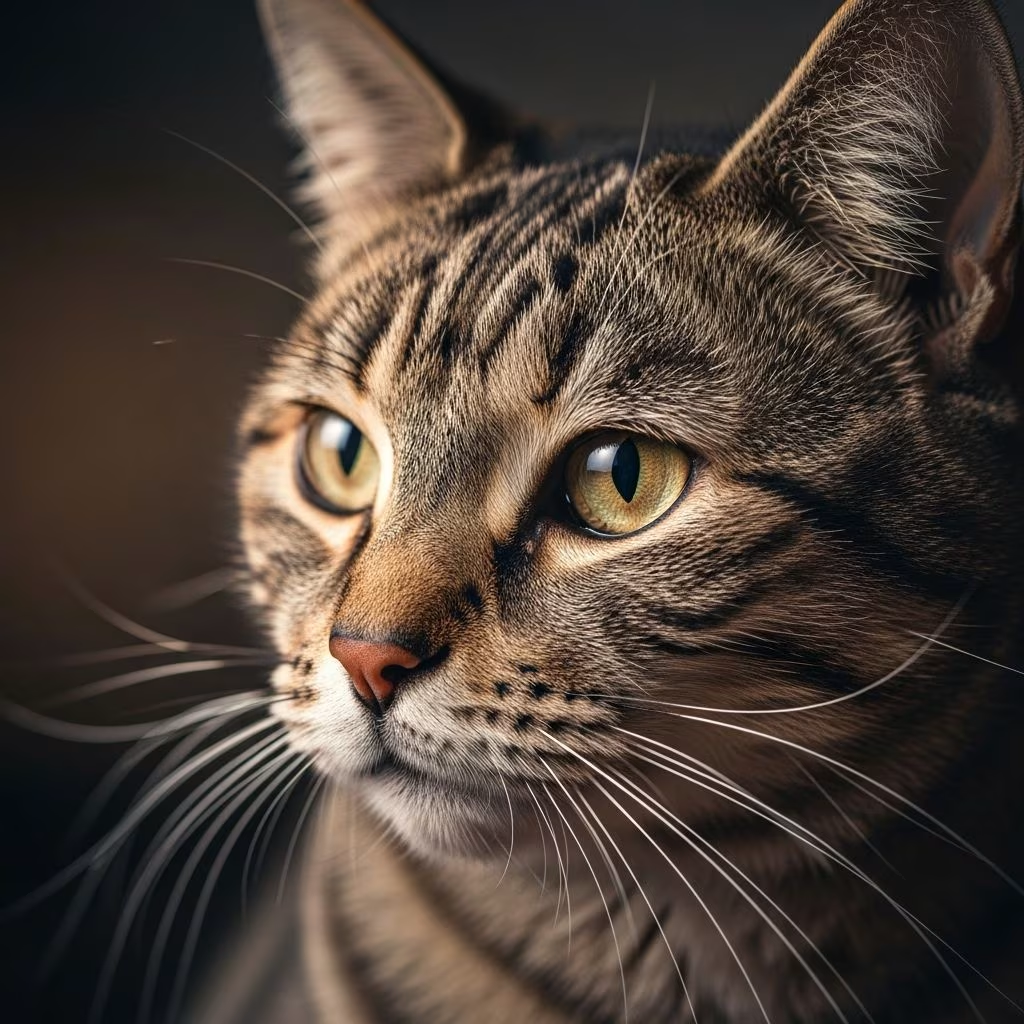
Managing Dental Disease in Your Senior Cat
Dental disease is one of the most common health issues affecting senior cats, yet many cat owners underestimate its significance. As cats age, they become increasingly susceptible to various oral health problems that can cause pain, affect nutrition, and lead to serious systemic health complications. Proper dental care is essential for maintaining your senior cat’s quality of life and preventing secondary health issues that arise from untreated oral disease.
The good news is that dental disease in senior cats is manageable with the right combination of professional veterinary care, appropriate medications, and consistent home maintenance. Understanding the common dental problems that affect aging cats and recognizing early warning signs can help you take proactive steps to protect your feline companion’s oral health.
Understanding Common Dental Problems in Senior Cats
Senior cats commonly experience several types of dental problems that require attention and management. Recognizing these conditions early makes treatment more effective and less costly.
Periodontal Disease
Periodontal disease is one of the most prevalent dental problems in elderly cats. This condition begins with the buildup of plaque and tartar on the teeth, which leads to gingivitis—inflammation of the gums. If left untreated, it progresses to periodontitis, causing the gums to recede and teeth to loosen, eventually resulting in tooth loss. The inflammation not only affects oral tissues but can also contribute to systemic health problems when bacteria enter the bloodstream.
Tooth Resorption
Tooth resorption is a painful condition where the structure of the tooth gradually breaks down. This condition is particularly common in senior cats and can affect one or multiple teeth. Unlike human cavities, tooth resorption originates from within the tooth structure and cannot be reversed, making early detection and management crucial.
Stomatitis
Stomatitis is a severe inflammation of the mouth affecting the gums, tongue, and other oral tissues. This condition can be extremely painful and may have immune-mediated causes. Because the exact cause of feline stomatitis is not fully understood, treatment focuses on managing symptoms and controlling inflammation.
Gingivitis
Gingivitis occurs when plaque and tartar accumulate on teeth, causing gum inflammation. The good news is that gingivitis is usually reversible when treated appropriately, unlike more advanced periodontal diseases.
Recognizing Signs of Dental Disease in Senior Cats
Early detection of dental problems significantly improves treatment outcomes and reduces costs. Watch for these warning signs in your senior cat:
- Bad breath (halitosis) that smells worse than typical cat breath
- Difficulty eating or loss of appetite
- Drooling or excessive salivation
- Swelling or discharge around the mouth or jaw
- Bleeding from the mouth or blood in saliva
- Loose or missing teeth
- Behavioral changes such as increased irritability or reduced social interaction
- Pawing at the mouth or face
- Preferring soft foods over dry kibble
If you notice any of these symptoms, schedule a veterinary dental examination promptly. Early intervention can prevent progression to more serious conditions.
The Role of Professional Dental Care
While home care and medications are important, professional veterinary dental care remains the gold standard for managing dental disease in senior cats. Professional cleanings cannot be replicated at home and are essential for comprehensive oral health management.
What Professional Dental Procedures Include
During a professional dental examination and cleaning, your veterinarian will:
- Perform dental radiographs (x-rays) to assess tooth roots and bone structures
- Scale teeth to remove plaque and tartar above and below the gumline
- Polish teeth to create smooth surfaces that resist future plaque accumulation
- Extract diseased teeth that cannot be saved
- Apply specific treatments to address particular dental issues
Anesthesia Safety for Senior Cats
Many cat owners worry about anesthesia risks for senior cats, but modern veterinary anesthesia protocols are highly safe. Pre-anesthetic screening, tailored medication plans, and advanced monitoring minimize risks for geriatric patients. The benefits of proper dental treatment typically outweigh anesthesia risks, even for elderly cats. Your veterinarian will perform blood tests to check kidney and liver function before recommending anesthesia.
Frequency of Professional Cleanings
The recommended frequency of professional dental cleanings varies based on your cat’s individual condition and disease severity. Some cats may need cleanings every six months, while others might require annual cleanings. Your veterinarian will help you determine the appropriate schedule for your senior cat’s specific needs.
Essential Medications for Managing Senior Cat Dental Disease
Medications play crucial supportive roles in managing pain, fighting infection, and improving oral health between professional cleanings. Here are seven categories of medications commonly used in dental disease management:
1. Antibiotics
Antibiotics combat bacterial infections in the mouth and prevent or treat infections that can spread systemically. Common oral antibiotics prescribed for dental issues include clindamycin and clavamox, available as pills or oral rinses. Antibiotics are particularly important when dental disease has led to significant inflammation or infection.
2. Pain Management Medications
Dental disease causes significant pain that must be addressed for your cat’s comfort and quality of life. Pain management medications help senior cats eat normally and maintain their nutritional intake. Various pain relievers are available, and your veterinarian will select the most appropriate option based on your cat’s health status.
3. Anti-inflammatory Medications
Controlling inflammation is crucial for managing gingivitis, stomatitis, and periodontal disease. Two main types are used: NSAIDs, which serve a dual purpose as anti-inflammatories and pain relievers, and corticosteroids like prednisolone for severe stomatitis or immune-mediated oral inflammation. Senior cats often receive lower doses due to age-related changes in drug metabolism. Your veterinarian will perform blood tests to check kidney and liver function before prescribing these medications and may recommend periodic monitoring during long-term use.
4. Oral Rinses and Gels
Antiseptic products help control bacteria between professional cleanings and are particularly valuable for senior cats with chronic dental issues. Chlorhexidine solutions (0.12%) are the most effective antiseptics for reducing oral bacteria. Zinc ascorbate gels help control plaque formation and bacterial growth, while hyaluronic acid preparations support gum healing and reduce inflammation.
5. Plaque-Reducing Enzymes
Enzyme products help break down plaque-forming bacteria and can be particularly useful as adjunctive therapy in comprehensive dental disease management protocols.
6. Immune System Modulators
Some senior cats develop severe stomatitis or other immune-mediated oral conditions that benefit from medications targeting the immune response. Cyclosporine helps manage severe stomatitis by modulating immune function, and interferon may improve outcomes in cats with viral components to their oral disease. These medications are typically reserved for cases that don’t respond adequately to conventional treatments and require careful monitoring by veterinarians experienced in managing complex oral conditions.
7. Specialized Prescription Diets
While not medications in the traditional sense, prescription dental diets play an important therapeutic role. These specialized diets feature special kibble texture that mechanically cleans teeth during chewing, contain additives that reduce tartar mineralization, and have adjusted calcium levels to support oral health. Products like Hills Prescription Diet t/d and Royal Canin Dental have demonstrated clinical efficacy in reducing plaque and tartar. These diets can serve as your cat’s primary nutrition or be offered as supplements to regular meals.
Home Dental Care Strategies for Senior Cats
While professional care is essential, consistent home maintenance significantly improves outcomes and slows disease progression. Implementing these strategies creates a comprehensive approach to oral health.
Tooth Brushing
Daily toothbrushing is one of the most effective home care methods for maintaining oral health. Use a soft-bristled toothbrush and cat-specific toothpaste. Start slowly with your senior cat, allowing them to become accustomed to the routine. Even brushing several times per week is beneficial if daily brushing isn’t feasible.
Dietary Modifications
Diet plays a significant role in oral health. Consider transitioning your senior cat to prescription dental diets specifically formulated to promote oral health through mechanical cleaning action and antibacterial ingredients. Ensure your cat maintains adequate nutrition while supporting dental health goals.
Plaque Prevention Products
Plaque prevention gels and oral rinses can be applied to teeth and gums to help control bacterial growth and reduce plaque accumulation between professional cleanings.
Dental Treats and Toys
Specially designed dental treats and toys can supplement other home care methods. Look for products with the Veterinary Oral Health Council (VOHC) seal, which indicates the product has met rigorous standards for plaque and tartar reduction. Account for calories from treats in your senior cat’s daily intake, and choose appropriate textures based on your cat’s dental condition. While treats and toys alone won’t prevent dental disease, they can be valuable components of a comprehensive dental care plan.
Preventive Care for Senior Cat Dental Health
Benefits of Regular Dental Examinations
Yearly dental cleanings and regular checkups provide significant benefits for senior cats:
- Early Detection: Regular checkups can detect dental problems in their early stages, when they are easier and less expensive to treat
- Prevention: Professional cleanings help remove plaque and tartar, reducing risks of periodontal disease and tooth resorption
- Overall Health: Maintaining good oral health contributes to general wellbeing and prevents secondary health issues related to dental problems
- Reduced Extractions: Regular cleanings help preserve teeth, reducing the likelihood of extractions due to advanced periodontal disease
- Pain Management: Early treatment prevents pain and discomfort associated with advanced dental diseases
- Cost Savings: Preventive care is generally more affordable than emergency or surgical treatments required for severe dental problems
Creating a Preventive Care Schedule
Work with your veterinarian to establish an appropriate dental care schedule for your senior cat. Most cats benefit from annual examinations, though some may need more frequent assessments based on their individual disease status and response to treatment.
Managing Dental Disease: Key Considerations
Understanding several important points about feline dental disease helps set realistic expectations and optimize treatment outcomes:
- Dental disease is generally considered manageable rather than curable, requiring ongoing preventive care to slow progression
- The combination of professional care, medication management, and home maintenance provides the most comprehensive approach
- There is little or no evidence that treating gingivitis with antibiotics alone is effective; professional cleaning is necessary
- If gingivitis is caused by an underlying disease, managing the underlying problem is essential to controlling oral inflammation
- Senior cats often tolerate dental procedures well when appropriate pre-operative screening is performed
Frequently Asked Questions About Senior Cat Dental Disease
Q: Is anesthesia safe for senior cats during dental procedures?
A: Yes, modern veterinary anesthesia protocols are highly safe for senior cats. Pre-anesthetic screening, tailored medication plans, and advanced monitoring minimize risks for geriatric patients. The benefits of proper dental treatment typically outweigh anesthesia risks, even for elderly cats. Your veterinarian will perform blood work to ensure your cat is a good surgical candidate.
Q: Can gingivitis in cats be reversed?
A: Yes, gingivitis is usually reversible when treated appropriately. Treatment typically involves professional dental cleaning, antibiotics, anti-inflammatory medications, and consistent home care. Early intervention provides the best chance for reversing the condition before it progresses to periodontitis.
Q: How often should senior cats have professional dental cleanings?
A: The frequency varies based on individual needs and disease severity. Most cats benefit from annual examinations, while some may require cleanings every six months. Your veterinarian will recommend an appropriate schedule based on your cat’s specific condition and response to treatment.
Q: What should I do if my senior cat won’t tolerate tooth brushing?
A: If brushing isn’t feasible, focus on other home care methods such as prescription dental diets, oral rinses, plaque prevention gels, and dental treats with the VOHC seal. Discuss alternative approaches with your veterinarian, who can recommend the most suitable options for your individual cat’s needs and temperament.
Q: Can dental disease in senior cats cause systemic health problems?
A: Yes, untreated dental disease can lead to serious systemic complications when oral bacteria enter the bloodstream. Proper dental care helps prevent these secondary health issues and maintains your cat’s overall wellbeing.
Q: Are prescription dental diets effective?
A: Yes, prescription dental diets like Hills Prescription Diet t/d and Royal Canin Dental have demonstrated clinical efficacy in reducing plaque and tartar. These specialized formulations use mechanical action during chewing and antibacterial ingredients to support oral health, making them valuable components of comprehensive dental disease management.
Conclusion
Dental disease in senior cats is both common and manageable with a comprehensive, multi-faceted approach. By combining professional veterinary dental care with appropriate medications, preventive treatments, and consistent home maintenance, you can significantly improve your aging companion’s comfort and quality of life. Early detection through regular examinations, prompt treatment of emerging dental problems, and ongoing preventive care are essential components of optimal senior cat dental health management.
Working closely with your veterinarian to develop an individualized dental care plan ensures that your senior cat receives the most appropriate and effective treatment for their specific needs. Regular monitoring, appropriate medication use, and dedicated home care efforts will help preserve your cat’s oral health, maintain proper nutrition, prevent pain, and reduce the risk of systemic complications related to untreated dental disease. Your commitment to your senior cat’s dental health directly contributes to their overall wellbeing and longevity.
References
- Senior Cat Dental Disease: 7 Essential Medications That Work — The Pet Vet. Accessed November 2025. https://thepetvet.com/senior-cat-dental-disease/
- Understanding Dental Problems in Elderly Cats and How to Prevent Them — Vet Dentist Wisconsin. July 19, 2024. https://vetdentistwi.com/dental-problems-in-elderly-cats/
- 5 Common Dental Problems in Elderly Cats — Wag Walking. Accessed November 2025. https://wagwalking.com/wellness/5-common-dental-problems-in-elderly-cats
- Feline Dental Disease — Cornell University College of Veterinary Medicine. Accessed November 2025. https://www.vet.cornell.edu/departments-centers-and-institutions/cornell-feline-health-center/health-information/feline-health-topics/feline-dental-disease
- Dental Disease in Senior Cats — Catwatch Newsletter. Accessed November 2025. https://www.catwatchnewsletter.com/health/dental-disease-in-senior-cats/
- Dental Issues in Cats — PetMD. Accessed November 2025. https://www.petmd.com/cat/conditions/mouth/dental-issues-cats



