Managing Dental Care for Resistant Dogs
Proven strategies to establish effective tooth brushing routines with difficult canine companions.
Managing Dental Care for Resistant Dogs: A Comprehensive Guide to Overcoming Behavioral Challenges
Maintaining proper oral hygiene is one of the most critical aspects of canine health care, yet many dog owners struggle when their pets resist tooth brushing efforts. An uncooperative dog can make what should be a routine health practice into a frustrating ordeal for both owner and animal. Understanding the root causes of resistance and employing evidence-based strategies can transform dental care from a battle into a manageable part of your dog’s wellness routine.
Understanding Why Dogs Resist Dental Care
Dogs display resistance to tooth brushing for several interconnected reasons. Fear of the unfamiliar, discomfort from past negative experiences, lack of habituation during puppyhood, and natural protective instincts around the mouth all contribute to uncooperative behavior. Additionally, if a dog has pre-existing dental disease or gum inflammation, the brushing process itself may cause genuine discomfort, creating a negative feedback loop where the dog becomes increasingly resistant. Recognizing that resistance is rarely out of pure stubbornness—but rather stems from fear, confusion, or pain—helps owners approach the situation with appropriate patience and modified techniques.
The Foundation: Pre-Brushing Mouth Desensitization
Before introducing a toothbrush, resistant dogs require an extended period of oral desensitization. This phase cannot be rushed and may take several weeks or even months depending on the severity of the dog’s anxiety.
Phase One: Gentle Finger Contact
Begin by allowing your dog to become comfortable with you touching the exterior of their muzzle and lips during calm moments. Use treats and positive reinforcement to create pleasant associations with mouth contact. Gently lift the upper lip for just a few seconds, let it drop, and immediately reward. This teaches your dog that mouth handling leads to positive outcomes rather than restraint or discomfort. During this phase, make no attempt to access the teeth themselves—focus entirely on normalizing the sensation of someone manipulating the facial area.
Phase Two: Interior Mouth Exploration
Once your dog tolerates exterior lip handling without tension, progress to introducing your fingertip just inside the cheek area for approximately five seconds. Hold it still without making brushing motions; the goal is simple tolerance, not yet participation in cleaning. Repeat this during multiple short sessions daily. Gradually extend the duration by a few seconds each session until your dog can comfortably accommodate your finger inside the mouth for 30 seconds or longer. This phase establishes that interior mouth contact is safe and rewarding.
Selecting Appropriate Tools and Products
The right equipment can significantly impact success with resistant dogs. Choose a toothbrush specifically designed for canines with soft bristles that won’t cause gum irritation or discomfort. Dog-specific toothpaste formulated with enzymes that break down plaque biochemically is essential—never use human toothpaste, which can upset a dog’s digestive system. Pet toothpastes come in appealing flavors like poultry or beef, making them genuinely enjoyable for dogs rather than something to avoid.
For particularly resistant dogs, finger toothbrushes or soft rubber applicators designed to fit over your index finger may feel less threatening than traditional brushes. Some dogs respond better to ultra-soft cloths or gauze wrapped around your finger as an intermediate step between bare-finger brushing and toothbrush use. Experiment with different options to identify what your individual dog finds most tolerable.
Building Positive Associations with Toothpaste
Dog-specific toothpaste should initially be presented as a treat rather than a dental tool. Allow your dog to lick small amounts from your finger or directly from the tube. Many dogs actually enjoy the taste and will seek opportunities to get more. By the time you begin actual tooth brushing, your dog already associates the toothpaste with something positive rather than a precursor to an unpleasant experience. This psychological shift is crucial for cooperation.
Let your dog become thoroughly accustomed to the flavor and texture of the toothpaste across several sessions before attempting any brushing motion. Some dogs will naturally want to lick and taste the paste; this is exactly the desired outcome at this stage.
Introducing the Toothbrush Gradually
Introduce the toothbrush as a novel object worthy of exploration rather than a tool of enforcement. Let your dog sniff and inspect the brush during normal play or treat-giving moments. Apply a small amount of the flavored toothpaste to the bristles and allow your dog to lick it off. This removes any mystery from the object and creates the foundation that the brush equals something tasty.
Once your dog shows interest in the toothpaste-covered brush, you can begin making brief contact with the outer tooth surfaces using gentle circular motions. Work only on the large cheek teeth and canine teeth initially, as these accumulate plaque most rapidly and allow you to focus on a manageable area. Start with just two or three teeth and very light brushing before gradually expanding the area brushed in subsequent sessions.
Proper Brushing Technique for Uncooperative Dogs
Establishing the correct technique prevents injury and discomfort that could reinforce negative associations. Position the toothbrush at a 45-degree angle to the tooth surface, directing the bristles toward where the tooth meets the gum tissue. Use gentle circular motions rather than aggressive back-and-forth scrubbing—excessive force causes gum irritation and discomfort that will increase resistance in future sessions.
Apply only light pressure; the bristles should never flare outward or flatten against the tooth surface, which indicates excessive force. Most enzymatic dog toothpastes do the chemical work of breaking down plaque, so vigorous scrubbing is unnecessary and counterproductive. Focus on the outer surfaces of the teeth that face the cheeks, as these areas accumulate the most plaque and tartar.
Managing the Muzzle During Brushing
Gently control your dog’s head by cupping their muzzle with your non-dominant hand in a “C-shape,” or by placing your thumb and index finger on opposite sides of the upper jaw to maintain a consistent position. Keep sessions very brief—even 30 seconds of actual brushing represents significant progress with a resistant dog. Multiple short sessions are far more effective than attempting longer sessions that increase stress and reinforce avoidance behavior.
Strategic Timing and Environmental Setup
Choose moments when your dog is naturally calm and less reactive. Many dogs are more cooperative after physical exercise when their energy levels are lower. Establish a consistent time and location for brushing to create predictability, which reduces anxiety for dogs who struggle with uncertainty. Some dogs respond better to brushing at specific times, such as after meals or during their normal evening wind-down period.
Minimize distractions and interruptions during brushing sessions. A quiet, comfortable environment where your dog feels secure supports cooperation far better than chaotic or stressful settings. Never force brushing immediately after traumatic or negative experiences, as this creates additional negative associations.
Addressing Pain and Pre-Existing Dental Disease
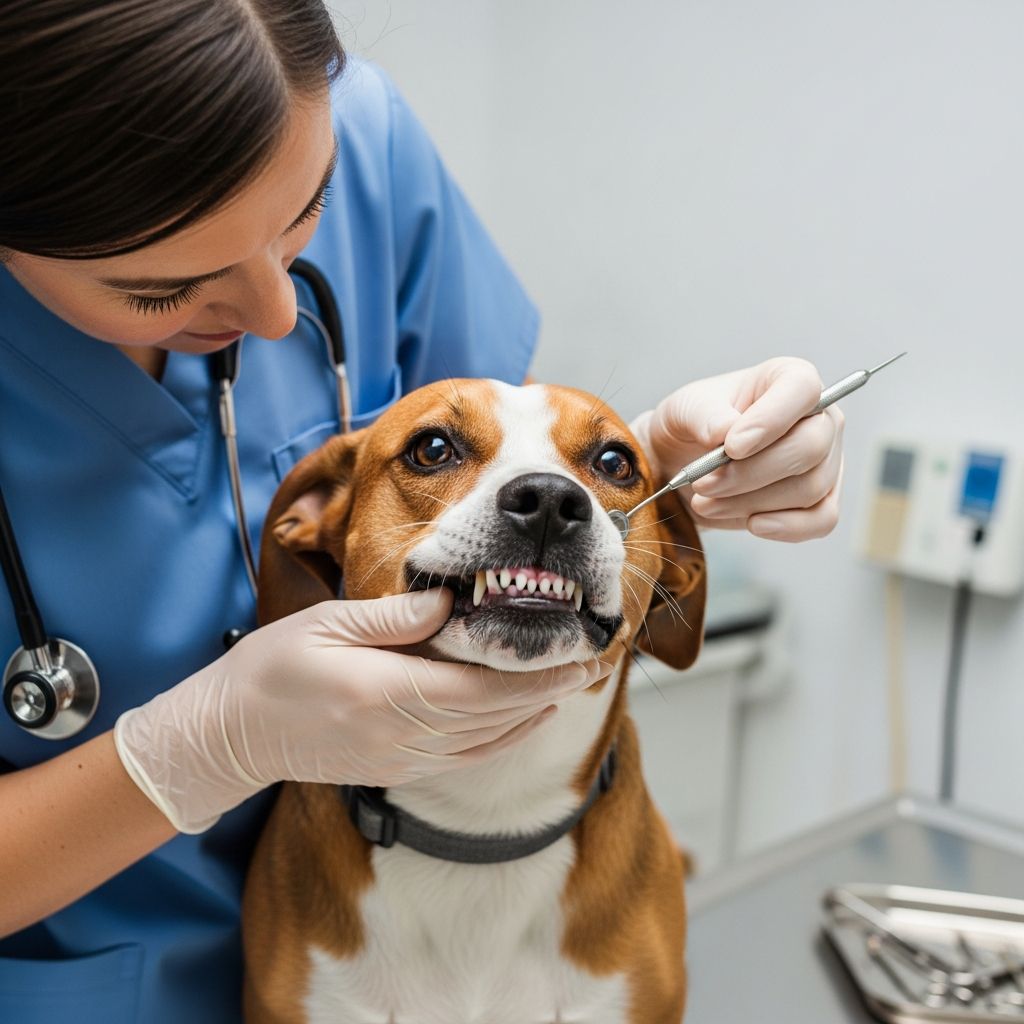
Before beginning any tooth brushing program, have your veterinarian examine your dog’s teeth and gums. If your dog has existing tartar buildup, gum inflammation, or dental disease, brushing may cause discomfort that naturally triggers resistance. Your veterinarian may recommend professional dental cleaning under anesthesia to remove tartar and address disease before initiating a home care routine. Starting with a clean slate—teeth free from disease and inflammation—removes a major source of resistance and discomfort.
During brushing, watch for signs of pain such as pulling away, lip licking, or head turning. These subtle signals indicate that your approach is causing discomfort. Adjust your technique, reduce pressure, or shorten the session if you observe these behaviors. Any resistance should be interpreted as feedback that your dog is uncomfortable rather than being deliberately uncooperative.
Extending Brushing Duration Systematically
Work up to brushing for approximately 30 to 60 seconds on each side of the mouth every other day as a realistic maintenance goal. This progression takes time with resistant dogs. In early sessions, you may only brush two or three teeth for a few seconds before stopping. As your dog becomes more comfortable, gradually increase the number of teeth and the duration in small increments across multiple sessions.
Some dogs may require weeks or even months to progress from finger brushing to toothbrush use and from 10 seconds to a full minute of brushing. This extended timeline is not a failure—it represents the realistic pace at which an anxious or resistant dog can be safely conditioned to accept dental care. Rushing this process often results in setbacks where the dog becomes more resistant rather than less.
Implementing Consistent Reward Systems
Reward your dog immediately and generously after each brushing session, before your dog has time to feel frustrated or plan escape strategies. Use high-value treats that your dog genuinely loves—not routine kibble but special items reserved specifically for dental care success. This powerful positive reinforcement reshapes your dog’s emotional response to the entire experience from “something to avoid” to “something that leads to excellent rewards.”
Verbal praise and physical affection also contribute to building positive associations. Some dogs respond best to play or access to a favorite toy as their reward. Identify what genuinely motivates your individual dog and deploy that reward consistently.
When Professional Assistance Becomes Necessary
Some dogs have such severe anxiety or behavior issues that home brushing remains impractical even with extended conditioning. In these cases, professional veterinary dental cleaning under anesthesia becomes the primary maintenance strategy, supplemented by dietary modifications and other preventive measures recommended by your veterinarian. This is not a failure—it represents a realistic adjustment to your dog’s individual temperament and needs.
Frequently Asked Questions
How often should I brush my resistant dog’s teeth?
Daily brushing is ideal, but even every-other-day brushing significantly reduces dental disease. For resistant dogs, consistency matters more than frequency—even twice weekly is substantially better than sporadic efforts.
Can I use human toothpaste for my dog?
No. Human toothpaste often contains xylitol and fluoride levels unsafe for dogs. Always use veterinarian-approved canine toothpaste.
What if my dog refuses to open their mouth?
You don’t need your dog to open their mouth wide. Work on the outer tooth surfaces accessible with the mouth closed. The most critical areas accumulate plaque on surfaces facing the cheeks.
How long will conditioning take?
Timeline varies dramatically based on individual temperament, previous experiences, and age. Puppies may condition in weeks, while severely resistant adult dogs may require months. Patience and consistency yield better results than forcing rapid progression.
Should I brush all teeth or focus on specific areas?
Begin with large cheek teeth and canine teeth where plaque accumulates most rapidly. As your dog becomes comfortable, expand to other areas. Complete mouth coverage is the goal but not necessary initially.
References
- Brushing Your Dog’s Teeth — Apex Veterinary Specialists. Accessed March 2026. https://apexvetss.com/brushing-your-dogs-teeth/
- How to Brush Your Dog’s Teeth — Colorado State University Veterinary Teaching Hospital. Accessed March 2026. https://vetmedbiosci.colostate.edu/vth/animal-health/how-to-brush-your-dogs-teeth/
- Brushing Your Dog’s Teeth — VCA Canada Animal Hospitals. Accessed March 2026. https://vcahospitals.com/know-your-pet/brushing-teeth-in-dogs
- Dog Dental Hygiene and How to Clean Your Dog’s Teeth — Dogs Trust. Accessed March 2026. https://www.dogstrust.org.uk/dog-advice/health-wellbeing/at-home/dog-dental-hygiene
- Brushing Your Dog’s Teeth — Cornell University College of Veterinary Medicine, Riney Canine Health Center. Accessed March 2026. https://www.vet.cornell.edu/departments-centers-and-institutes/riney-canine-health-center/canine-health-information/brushing-your-dogs-teeth
Similar Articles




Read full bio of medha deb