

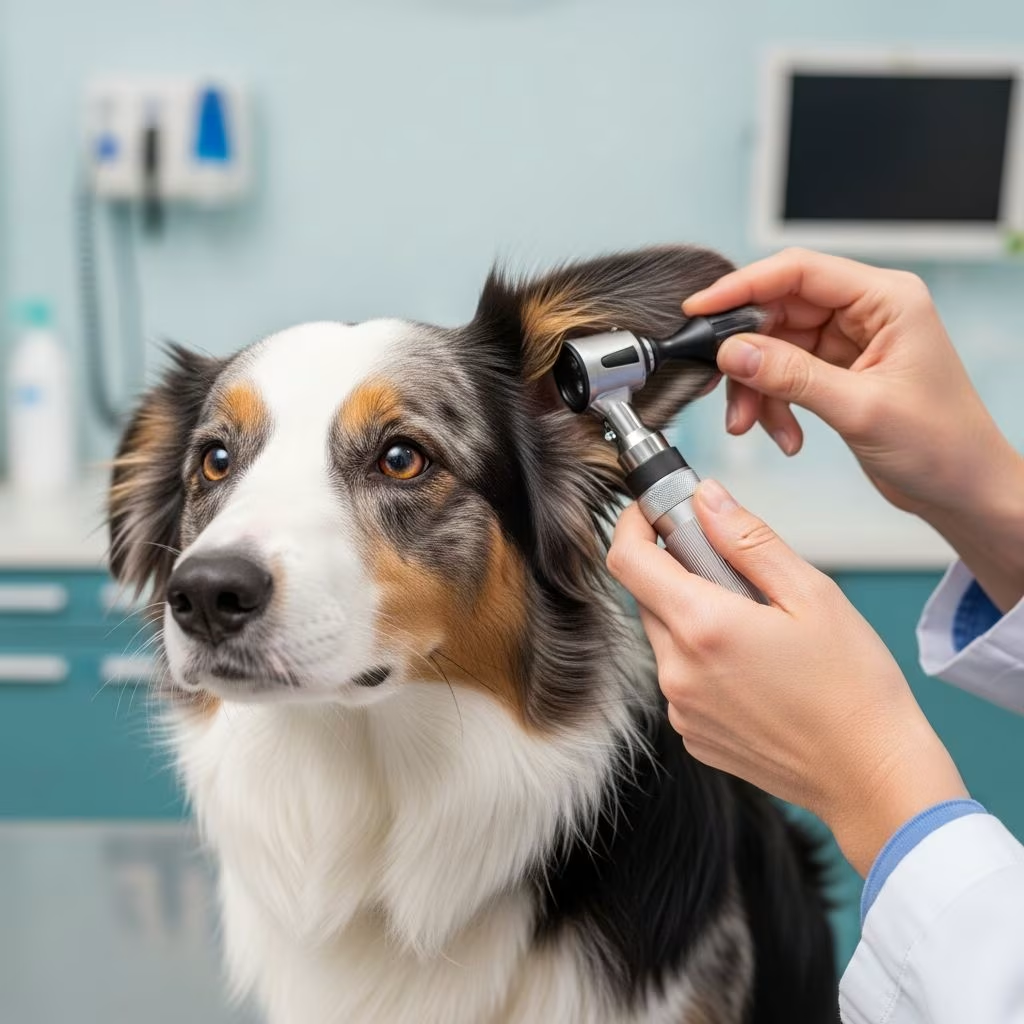
Deafness in dogs, whether partial or complete, affects thousands of pets each year and can stem from genetic factors, infections, aging, or injury. While it presents unique challenges, many deaf dogs lead vibrant, fulfilling lives with proper adaptations in training, communication, and home safety. This guide draws on veterinary expertise to outline causes, detection methods, and proven strategies for supporting hearing-impaired canines.
Understanding the Roots of Canine Hearing Impairment
Hearing loss in dogs arises from diverse origins, categorized broadly into congenital, acquired, and age-related types. Congenital deafness often links to specific genetic mutations prevalent in certain breeds.
For instance, cochleosaccular deafness frequently impacts puppies with merle or piebald coat patterns and blue eyes, becoming evident within the first few weeks of life. Neuroepithelial deafness, involving the absence or damage of cochlear hair cells, similarly manifests early and typically affects both ears.
Breeds like Dalmatians, Australian Shepherds, English Setters, and Jack Russell Terriers show higher susceptibility to these inherited conditions, which are generally irreversible.
- Congenital factors: Genetic defects in ear or nervous system development, often breed-specific.
- Acquired issues: Stem from external influences post-birth.
- Senior-related decline: Gradual sensorineural degeneration common in older dogs.
Common Acquired Triggers for Hearing Decline
Beyond genetics, numerous environmental and health-related factors contribute to hearing loss. Ear infections, particularly chronic otitis externa, media, or interna, represent a leading reversible cause, often resolving with targeted treatment like antibiotics or ear flushing.
Otitis can lead to temporary deafness from canal blockages or inflammation, but persistent cases may scar inner structures, causing permanence. Trauma, such as head injuries or ruptured eardrums, noise exposure from gunfire or fireworks, and ototoxic drugs like aminoglycosides or high-dose aspirin also play roles.
| Cause Category | Examples | Reversibility | High-Risk Breeds/Groups |
|---|---|---|---|
| Conductive (Outer/Middle Ear) | Wax buildup, infections, foreign objects | Often reversible with treatment | All breeds |
| Sensorineural (Inner Ear/Nerve) | Genetic mutations, noise trauma, aging | Usually permanent | Merle/piebald breeds, seniors |
| Central (Brain-Related) | Tumors, infections (meningitis), cognitive decline | Varies; rare | Older dogs |
Systemic conditions exacerbate risks: hypothyroidism disrupts nerve function and warrants blood tests including total T4 and free T4 levels. Endocrine disorders like Cushing’s disease alter blood flow to auditory pathways, while cognitive disorders mimicking ‘doggy Alzheimer’s’ respond partially to supplements like phosphatidylcholine and antioxidants.
Less common culprits include brain tumors, granulomatous meningoencephalitis (GME), or heavy metal toxicity from mercury or lead exposure.
Spotting the Signs of Hearing Loss Early
Dogs mask hearing deficits adeptly, relying on sight and vibration cues. Key indicators include ignoring calls or doorbells, startling when touched unexpectedly, excessive barking without apparent stimuli, or failure to respond to sounds like claps or whistles.
Puppies may fail BAER tests, while seniors exhibit gradual withdrawal from auditory play. Home assessments involve testing responses to varied volumes behind the dog—startling reactions or no ear flicks signal impairment.
- Unresponsiveness to name or commands amid normal vision.
- Increased sleepiness or confusion in noisy settings.
- Failure to awaken from loud household noises.
- Head shaking or pawing at ears alongside balance issues.
Veterinary Diagnosis: Confirming and Addressing Deafness
Professional evaluation is crucial. Brainstem Auditory Evoked Response (BAER) testing objectively measures cochlear and neural responses via electrodes, confirming congenital or unilateral loss. EEG or imaging like CT/MRI rules out tumors or inflammation.
Blood panels screen for hypothyroidism or infections; ear cytology identifies pathogens. Treatments target root causes: antimicrobials for infections, thyroid supplements for endocrine issues, or surgical clearance for blockages.
Permanent cases shift focus to quality-of-life enhancements rather than restoration.
Transforming Communication for Deaf Dogs
Visual signals replace verbal cues effectively. Hand signals for ‘sit,’ ‘stay,’ and ‘come’—consistent and paired initially with vibrations—build reliable understanding. Use large, deliberate gestures in good lighting.
Vibration collars or leashes signal attention safely, avoiding shock features. Treat-dispensing devices paired with signs reinforce learning. Deaf dogs excel in scent work or agility, leveraging intact senses.
- Begin in low-distraction areas with high-value rewards.
- Teach a ‘watch me’ cue by holding treats near your face.
- Gradually introduce signs for basic obedience.
- Incorporate play to maintain engagement.
Securing the Home and Outdoors for Safety
Deaf dogs miss auditory warnings like car horns or intruders. Baby gates, visual barriers, and enclosed yards prevent mishaps. Strobe lights or vibrating bowls announce mealtimes or visitors.
Outdoor walks demand extra vigilance: long lines over retractables, high-visibility collars, and ID tags noting ‘Deaf Dog—Use Visual Cues.’ Avoid off-leash areas initially; build trust with recall training.
Bed placement near family zones aids monitoring, with flashing doorbells for entry alerts.
Enriching Daily Life and Socialization
Deafness need not limit joy. Puzzle toys, scent games, and tactile play engage other senses. Regular exercise curbs boredom barking; swimming offers low-impact fun.
Socialize via controlled puppy classes emphasizing visuals. Many deaf dogs pair well with hearing buddies for pack alerts. Monitor for isolation signs, countering with interactive routines.
Breed Vulnerabilities and Prevention Tactics
Genetic screening for at-risk breeds precedes breeding. Minimize noise exposure with ear protection for hunting dogs. Routine ear cleanings thwart infections; avoid ototoxic meds without vet oversight.
Annual senior wellness checks include hearing screens. Early intervention maximizes outcomes.
FAQs on Deaf Dog Care
Can deaf dogs be trained effectively?
Yes, using hand signals, vibrations, and positive reinforcement, deaf dogs often surpass hearing peers in focus.
Is congenital deafness always bilateral?
No, unilateral cases occur, but bilateral is more common in genetic forms.
What if my dog goes deaf suddenly?
Seek immediate vet care for infections, toxins, or trauma; many recover fully.
Do deaf dogs make good family pets?
Absolutely, with adaptations; they bond deeply via sight and touch.
How does aging affect hearing reversibly?
Presbycusis is progressive and permanent, managed through environmental tweaks.
Long-Term Wellness for Hearing-Challenged Canines
Holistic care emphasizes nutrition supporting nerve health—omega-3s, antioxidants—and routine checkups. Deaf dogs thrive with patient owners, proving hearing loss alters life minimally when met with creativity. Celebrate their resilience; many compete in agility or therapy roles, showcasing adaptability.
References
- 5 Causes of Hearing Loss in Dogs — Paws and Claws Animal Hospital. Accessed 2026. https://pawsandclawsanimalhospital.com/5-causes-of-hearing-loss-in-dogs/
- Canine Deafness: Understanding & Care — Mt Airy Vets. 2024-09-15. https://mtairyvets.com/2024/09/15/canine-deafness/
- Deafness in Dogs – Dog Owners — Merck Veterinary Manual. Accessed 2026. https://www.merckvetmanual.com/dog-owners/ear-disorders-of-dogs/deafness-in-dogs
- Hearing Loss in Dogs – Symptoms, Causes — WagWalking. Accessed 2026. https://wagwalking.com/condition/hearing-loss
- Deaf Dogs: Living with Hearing Loss — Dalton Animal Care. Accessed 2026. https://www.daltonanimalcare.com/blog/deaf-dogs-living-with-hearing-loss/
- How to Tell if Your Dog is Deaf — Animal Friends. Accessed 2026. https://www.animalfriends.co.uk/dog/dog-advice/dog-health-problems/how-to-tell-if-your-dog-is-deaf–and-how-to-help/
- Your Guide to Deafness and Hearing Loss in Dogs — CareCredit. Accessed 2026. https://www.carecredit.com/well-u/pet-care/dog-deafness/



