

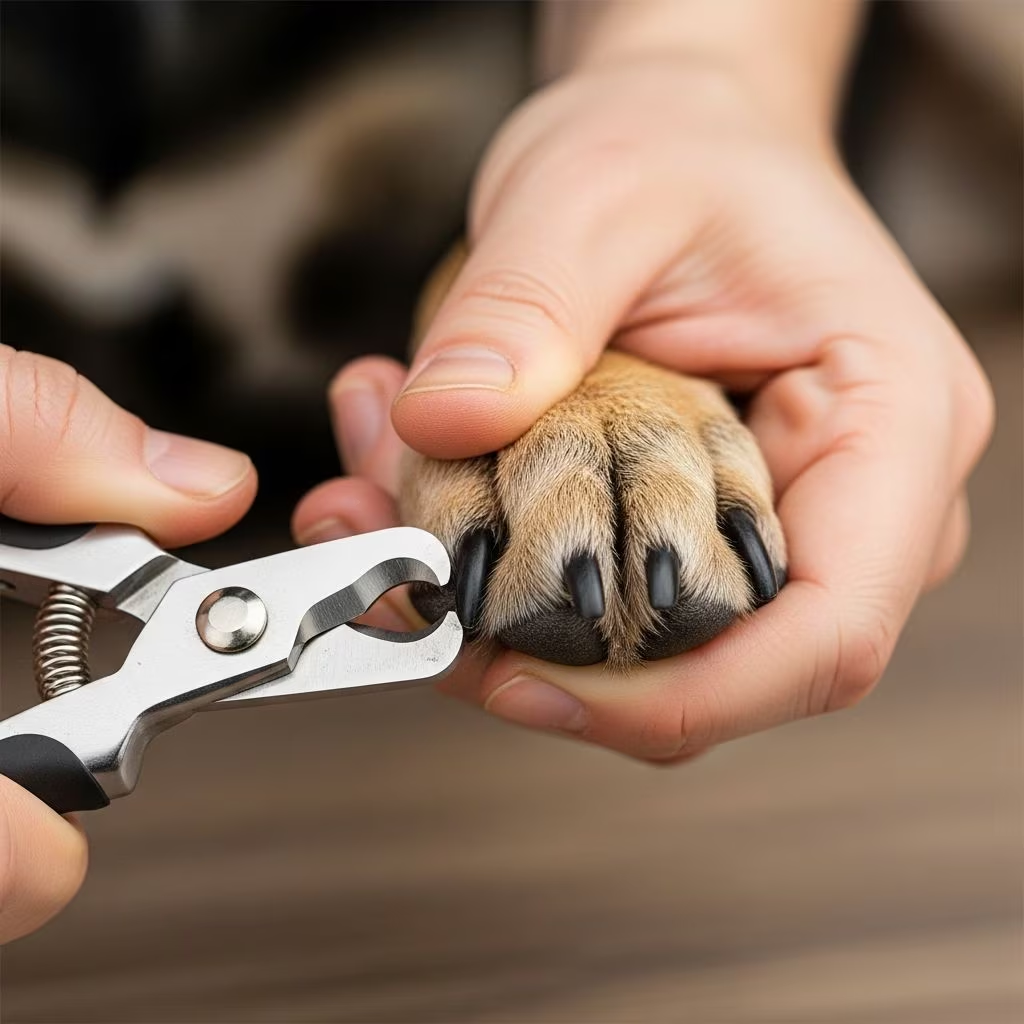
Maintaining your dog’s nails is a fundamental aspect of pet care that directly impacts their comfort, mobility, and overall paw health. Yet, many dog owners find themselves intimidated when faced with dark or black nails, which obscure the sensitive blood vessel within the nail, commonly called the quick. Unlike lighter-colored nails where the quick appears as a visible pinkish line, black nails present a unique challenge that requires knowledge, patience, and the right approach to trim safely and effectively.
Understanding Your Dog’s Nail Structure
Before attempting to trim your dog’s nails, it’s essential to understand the anatomical components you’re working with. A dog’s nail consists of several distinct layers, with the quick being the most critical structure to avoid. The quick is the living tissue inside the nail that contains blood vessels and nerves. Cutting into this sensitive area causes bleeding, pain, and can create negative associations with grooming for your dog.
In light-colored nails, identifying the quick is relatively straightforward since it appears as a distinct pinkish or reddish center. However, dark nails completely obscure this vital structure, making it necessary to employ alternative identification methods. Understanding this challenge is the first step toward building confidence in your nail trimming routine.
Why Regular Nail Maintenance Matters
Neglecting to trim your dog’s nails can lead to serious complications that affect their quality of life. Overgrown nails naturally curve inward and can press against the paw pad, causing discomfort with every step. This pressure may lead to infections, inflammation, or painful injuries that require veterinary intervention. Additionally, long nails can catch on fabrics, flooring, or outdoor surfaces, resulting in breaks or tears that bleed and cause infection.
Regular trimming promotes healthy paw development and ensures that nails grow in the correct direction without causing irritation to surrounding skin. By maintaining a consistent trimming schedule, you preserve your dog’s mobility and comfort throughout their life. This preventive approach is far more effective and humane than dealing with complications that arise from prolonged neglect.
Essential Tools and Equipment for Dark Nail Trimming
Selecting the right tools is crucial for achieving safe and effective results. Quality equipment not only makes the job easier but also reduces the risk of accidents or unnecessary stress for your dog.
- Nail Clippers: Choose between scissor-style or guillotine-style clippers based on your comfort level and your dog’s nail thickness. Scissor-style clippers offer better control for precision cutting, while guillotine-style clippers work efficiently for thicker nails by cutting through them in one motion.
- Styptic Powder: This essential first-aid product stops bleeding immediately if you accidentally cut into the quick. Keep it readily accessible during every trimming session as a safety net.
- Lighting Equipment: A bright flashlight or headlamp helps you see the nail’s curvature and texture more clearly. Positioning light from underneath the nail may reveal subtle shadows that indicate proximity to the quick.
- Nail Grinder: A rotary nail grinder provides a gentler alternative or complement to clippers. Grinders smooth sharp edges and offer more control, making them especially valuable for anxious dogs or those with particularly thick nails.
- Nail File: After trimming, a file smooths any rough edges that could cause discomfort or catch on surfaces.
- High-Value Treats: Positive reinforcement is essential for building a cooperative dog. Choose treats your dog finds irresistible to reward calm behavior throughout the process.
Preparing Your Dog for the Trimming Experience
Success in nail trimming begins long before you pick up the clippers. Taking time to acclimate your dog to the grooming process reduces anxiety and makes the experience safer and more pleasant for both of you.
Start by familiarizing your dog with the tools. Allow them to sniff the clippers and grinder without any pressure. Offer treats and praise during this exploration phase. If your dog shows significant nervousness, spend several days simply handling their paws gently while rewarding calm behavior. This gradual approach builds confidence and reduces fear responses.
Create a calm environment for the trimming session. Choose a quiet time when your dog is relaxed and you’re not rushed. Speak in soothing tones and use gentle body language to communicate that this is a safe experience. The emotional tone you set directly influences how your dog responds to handling.
Step-by-Step Trimming Technique for Dark Nails
Position Your Dog Appropriately: For small dogs, have them sit on your lap or a non-slip table surface. Larger breeds should lie on their side, which provides better stability and access to all four paws. Ensure your dog feels secure and supported throughout the process.
Locate and Stabilize the Paw: Hold your dog’s paw firmly but gently in one hand. This prevents unexpected movement that could lead to accidental cuts. Use your other hand to operate the clippers with confidence and control.
Angle Your Clippers Correctly: Position the clippers at a 45-degree angle, approaching the nail from underneath. This angle allows you to observe the nail’s cross-section and identify the quick more easily. Avoid cutting straight across the nail top, which obscures your view of internal structures.
Make Small, Deliberate Cuts: Trim only tiny slivers of nail at a time. This conservative approach is the most important safety principle when working with dark nails. After each cut, examine the nail’s exposed surface to look for the quick’s appearance.
Identify Quick Indicators: As you trim deeper, watch for a grayish, whitish, or slightly pinkish oval or circle appearing in the center of the nail cross-section. This is the quick. The moment you see this indicator, stop trimming that nail immediately. Continuing past this point risks cutting into the blood vessel.
Smooth the Edges: After achieving the desired length, use a nail grinder or file to smooth any sharp edges. This prevents your dog’s nails from catching on surfaces and reduces discomfort during movement.
Reward Consistently: Offer treats and enthusiastic praise after completing each paw or even each individual nail. Building positive associations transforms nail trimming from a source of anxiety into an experience your dog actually looks forward to.
Handling Accidents: What to Do If You Cut the Quick
Despite your best efforts, accidents can happen. If you accidentally cut into the quick and bleeding occurs, respond quickly and calmly to minimize your dog’s stress.
Apply styptic powder directly to the bleeding nail immediately. Press the powder onto the nail and hold pressure for a few seconds. You may need to reapply the powder several times to fully stop the bleeding. If styptic powder isn’t available, cornstarch works as a temporary alternative, though styptic powder is more effective.
For minor bleeding, you can also gently bandage the paw to contain the bleeding and protect the nail. Observe your dog for signs of infection in the following days. While most quick-cutting incidents are minor and resolve quickly, excessive bleeding or signs of infection warrant a veterinary consultation.
Recognizing Signs of Anxiety During Trimming
Dogs communicate discomfort through subtle body language cues. Learning to recognize these signals helps you avoid painful mistakes and build trust with your dog.
Watch for paw pulling, flinching, whimpering, or attempts to move away from you. These responses indicate that your dog is uncomfortable or nervous about what’s happening. If you notice these signs, pause the session. Take time to calm your dog, offer treats, and resume when they’re more relaxed. Pushing through a dog’s anxiety signals only reinforces their fear and makes future trimming sessions more difficult.
Strategies for Anxious or Difficult Dogs
Some dogs present particular challenges due to anxiety, sensitivity, or previous negative grooming experiences. These strategies can help make the process more manageable:
- Gradual Desensitization: Begin weeks before you need to trim nails. Simply handle paws regularly without any intention to trim. Reward calm behavior generously.
- Combine Activities: Pair nail trimming with enjoyable experiences like treats, toy play, or access to favorite peanut butter-covered mats that occupy your dog’s attention.
- Extended Timeline: Instead of trimming all nails in one session, cut just one or two nails per day. This distributes the stress and makes each individual session shorter and less overwhelming.
- Auditory Support: Play calming music during grooming sessions. Research shows that soft background music reduces anxiety in dogs.
- Professional Assistance: Don’t hesitate to consult a professional groomer if your dog’s anxiety is severe. Groomers have extensive experience working with nervous dogs and may have specialized techniques or tools that make the experience easier.
Common Mistakes to Avoid
Rushing the Process: Attempting to trim all nails quickly increases the risk of accidents. Patience is essential when working with dark nails.
Cutting Large Sections: Removing substantial portions of nail in a single cut prevents you from monitoring the quick’s location and significantly increases injury risk.
Using Dull Clippers: Dull tools require more pressure to cut through the nail, increasing the risk of slipping or crushing the nail rather than cutting cleanly.
Ignoring Your Dog’s Signals: Dismissing signs of anxiety or discomfort may result in injury or create lasting negative associations with grooming.
Skipping Styptic Powder: Not having this essential product on hand means you’re unprepared for accidents. Always keep styptic powder within arm’s reach.
Establishing a Regular Trimming Schedule
Most dogs benefit from nail trimming every 3 to 4 weeks, though individual needs vary based on activity level, nail growth rate, and lifestyle. Very active dogs that spend considerable time on rough outdoor surfaces naturally wear their nails down more quickly and may need less frequent trimming. Indoor dogs with less activity typically require more frequent maintenance.
Watch for signs that trimming is needed. If you hear your dog’s nails clicking on hard flooring or notice they’re curving inward, it’s time to trim. Establishing a consistent schedule prevents nails from becoming overgrown and ensures your dog remains comfortable.
When to Seek Professional Help
While many owners successfully trim their dogs’ nails at home, some situations warrant professional intervention. If your dog has severe anxiety around grooming, if you’re uncomfortable with the procedure despite practice, or if your dog has particularly thick or stubborn nails, a professional groomer or veterinarian can handle the task more safely and efficiently.
Professional groomers have specialized tools, extensive experience, and techniques specifically designed for managing anxious or difficult dogs. There’s no shame in using professional services—it ensures your dog receives quality care and builds positive associations with grooming.
Frequently Asked Questions
How can I tell if I’m cutting too close to the quick?
Watch for a grayish, whitish, or pinkish center appearing in the nail cross-section. Stop trimming immediately when you see this indicator. When in doubt, leave the nail slightly longer rather than risking injury.
What’s the difference between scissor and guillotine-style clippers?
Scissor-style clippers offer greater control and precision, making them ideal for dogs with thinner nails. Guillotine-style clippers cut through the entire nail in one motion and work efficiently for thicker nails. Choose based on your comfort level and your dog’s nail thickness.
Is it better to trim or grind black dog nails?
Both methods have advantages. Clippers allow quick cutting but require precision to avoid the quick. Grinders provide more control and reduce injury risk, though they take longer. Many owners use both methods—clippers for the initial trim and grinders for smoothing edges.
What should I do if my dog bleeds excessively after trimming?
Apply styptic powder immediately and maintain pressure for several seconds. If bleeding continues excessively or if your dog shows signs of pain beyond the immediate incident, contact your veterinarian.
How often should dark dog nails be trimmed?
Most dogs need trimming every 3 to 4 weeks. Active dogs may need less frequent trimming, while indoor dogs typically need more. Trim whenever nails begin clicking on hard floors or curving inward.
References
- How to Trim Black Dog Nails Safely at Home — Boops n Bubbles. 2025. https://www.boopsnbubbles.com/how-to-trim-black-dog-nails
- Tips and Tricks for Caring for Your Dog’s Black Nails — Dogs Gone Country. 2025. https://www.dogsgonecountry.com/blog/1033200-tips-and-tricks-for-caring-for-your-dogs-black-nails
- How to Cut Your Dog’s Black Nails — Westside Veterinary Hospital. 2025. https://www.westsidevethospital.com/blog/1044782-how-to-cut-your-dogs-black-nails
- ASPCA Grooming 101: Trimming Nails for Dogs — ASPCA. https://www.aspca.org
- Keep It Paw-sitive: Trimming Your Dog’s Black Nails — Ontario SPCA. 2025. https://ontariospca.ca/blog/keep-it-paw-sitive-trimming-your-dogs-black-nails/



