Managing Cysts in Dogs: Vet-Approved Guide
Discover effective strategies for identifying, treating, and preventing cysts in dogs to keep your pet comfortable and healthy.
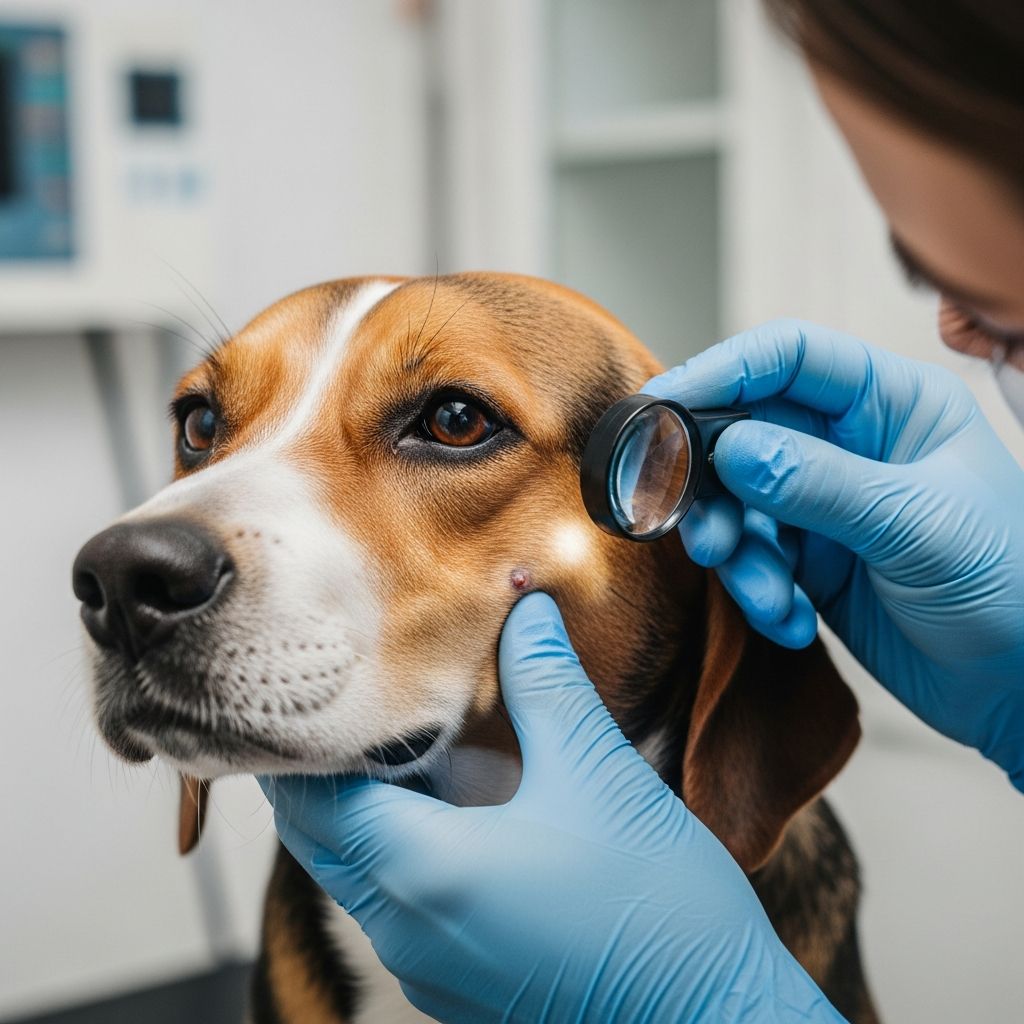
Cysts are common benign growths on a dog’s skin that can appear anywhere on the body. These fluid- or semi-solid-filled sacs often arise from blocked glands or hair follicles and typically pose no serious threat unless they become infected or rupture. Understanding their nature allows pet owners to respond appropriately, combining vigilant observation with professional veterinary intervention when needed.
Understanding the Nature of Canine Cysts
Cysts form when sebaceous glands or hair follicles become obstructed, leading to the accumulation of keratin, sebum, or other materials.
Sebaceous cysts
, the most prevalent type, develop from blocked oil-producing glands and present as firm, round lumps beneath the skin surface. They feel smooth and movable, often ranging from pea-sized to golf ball dimensions. Follicular cysts, another variety, originate deeper in hair follicles and may cluster in areas like the trunk or limbs.These growths are generally harmless but can cause issues if they grow large, rupture, or get infected. Rupture releases a cheesy, foul-smelling discharge, potentially leading to secondary bacterial infections. Breeds with oily skin or heavy coats, such as Cocker Spaniels, Labrador Retrievers, and Shar-Peis, seem more prone, though any dog can develop them.
Recognizing Cyst Symptoms Early
Early detection hinges on regular skin checks during grooming or petting sessions. Look for:
- Smooth, raised bumps that move freely under the skin.
- Lumps filled with white, pasty material if expressed gently.
- Redness, swelling, or warmth indicating inflammation or infection.
- Hair loss or crusting around the site.
- Your dog licking, scratching, or biting at the area excessively.
Not all lumps are cysts; tumors, abscesses, or insect bites can mimic them. If a growth changes size rapidly, bleeds, or causes pain, seek veterinary evaluation promptly to rule out malignancy.
Initial Home Assessment and Monitoring
Upon discovering a potential cyst, start with non-invasive monitoring. Chart the lump’s size, location, and appearance weekly using photos or measurements. Small, stable cysts without discomfort often require no immediate action beyond observation. Prevent self-trauma by fitting an Elizabethan collar if your dog shows interest in the area.
Cleanliness is key: Gently wash the site with mild soap and water. For minor oozing, prepare a saline solution (1 teaspoon salt in 500ml boiled, cooled water) and apply 2-3 times daily. Monitor for 24-48 hours; improvement signals a benign process, but persistence warrants a vet visit.
Veterinary Diagnostic Approaches
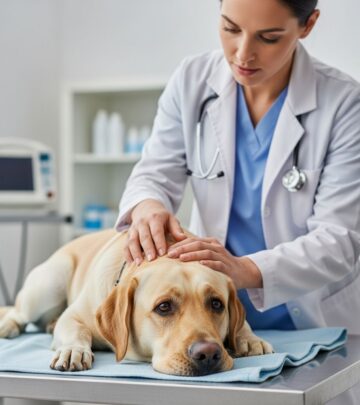
A veterinarian confirms a cyst through physical examination, palpation, and possibly fine-needle aspiration to sample contents. Cytology reveals characteristic flaky material without malignant cells. For ambiguous cases, biopsy or ultrasound provides definitive diagnosis, distinguishing cysts from lipomas or mast cell tumors.
Underlying factors like allergies, hormonal imbalances, or genetics may contribute, prompting bloodwork or allergy testing.
Conservative Treatment Options
Many cysts respond to medical management without surgery. Veterinarians may prescribe:
- Topical therapies: Antiseptic wipes, antibiotic ointments for irritated or small ruptured cysts.
- Oral medications: Antibiotics like amoxicillin-clavulanate for infections; anti-inflammatories to reduce swelling.
- Advanced options: Low-dose isotretinoin (a vitamin A derivative) has shown promise in cases of multiple follicular cysts, resolving lesions when combined with antibiotics.
False cysts from trauma might drain naturally or with needle aspiration, followed by topical care to avert reinfection.
Surgical Interventions for Persistent Cysts
**Surgical excision** remains the gold standard for problematic cysts—those that recur, rupture repeatedly, cause pain, or grow excessively. The procedure involves:
| Step | Description |
|---|---|
| 1. Preparation | Anesthetize locally, clip and disinfect area. |
| 2. Incision | Elliptical cut encompassing cyst margins. |
| 3. Dissection | Blunt separation of cyst wall from tissues. |
| 4. Removal | Complete extraction of epithelial lining to prevent recurrence. |
| 5. Closure | Sutures, saline rinse, post-op bandage. |
Alternatives include laser surgery or cryotherapy for precision and reduced scarring. Recovery entails an e-collar, restricted activity, and suture removal in 10-14 days. Surgery eliminates the specific cyst permanently but doesn’t preclude new ones elsewhere.
First Aid for Ruptured Cysts
Ruptures create mess and infection risk. Immediate steps include:
- Apply gentle pressure with sterile gauze to staunch bleeding.
- Clean with chlorhexidine solution or diluted iodine; avoid hydrogen peroxide.
- Bandage loosely and secure with an e-collar.
- Contact your vet for antibiotics if pus or fever develops.
Home remedies like warm compresses soothe inflammation but never replace professional care.
Preventive Measures for Healthy Canine Skin
Minimize cyst formation through proactive care:
- Bathe regularly with medicated shampoos to control oils and allergens.
- Maintain a balanced diet rich in omega-3 fatty acids for skin integrity.
- Groom frequently to prevent follicle blockages.
- Address allergies with hypoallergenic foods or environmental controls.
- Schedule annual vet exams for early detection.
While no strategy guarantees prevention, these habits reduce incidence significantly.
When to Escalate to Professional Help
Consult a vet immediately if the cyst:
- Grows rapidly or exceeds 2cm.
- Ruptures and doesn’t heal in 48 hours.
- Shows signs of infection (pus, fever, lethargy).
- Multiplies or appears in clusters.
Delay risks systemic infection or unnecessary suffering.
Frequently Asked Questions (FAQs)
Are cysts in dogs cancerous?
Most are benign, but biopsy confirms this. Rapid changes merit investigation.
Can cysts disappear on their own?
Small, uncomplicated ones may resolve, but monitoring is essential.
Is home surgery safe for dog cysts?
No—attempts cause infection or incomplete removal, leading to recurrence.
How much does cyst removal cost?
Varies by size/location; expect $200-$800 including anesthesia.
Do certain breeds get more cysts?
Yes, oily-coated breeds like Spaniels are predisposed.
Long-Term Management for Recurrent Cases
Dogs prone to multiple cysts benefit from dermatologist referral. Ongoing isotretinoin therapy or allergy management controls outbreaks. Laser treatments offer minimally invasive options for diffuse lesions. Track patterns to identify triggers like diet or seasonal allergies.
References
- Cysts in dogs | Health A-Z — Joii Pet Care. Accessed 2026. https://www.joiipetcare.com/blogs/health-conditions/cysts-in-dogs
- Cysts in Dogs: What They Look Like + What to Do — Lavengel. Accessed 2026. https://lavengel.com/pages/skin-issues-cysts
- Sebaceous Cyst Removal in Dogs — WagWalking. Accessed 2026. https://wagwalking.com/treatment/sebaceous-cyst-removal
- Sebaceous Cyst in Dogs: Appearance, Diagnosis, and Treatment — ToeGrips. Accessed 2026. https://toegrips.com/sebaceous-cyst-dog/
- Successful control of disseminated follicular cysts in a dog with low dose isotretinoin — PMC (Canadian Veterinary Journal). 2018-10-01. https://pmc.ncbi.nlm.nih.gov/articles/PMC6190175/
Similar Articles





Read full bio of medha deb