
Managing Cystine Stones in Pets with Binding Agents
Explore effective cystine-binding therapies for preventing and dissolving urinary stones in dogs, with insights on drugs, dosages, and emerging options.
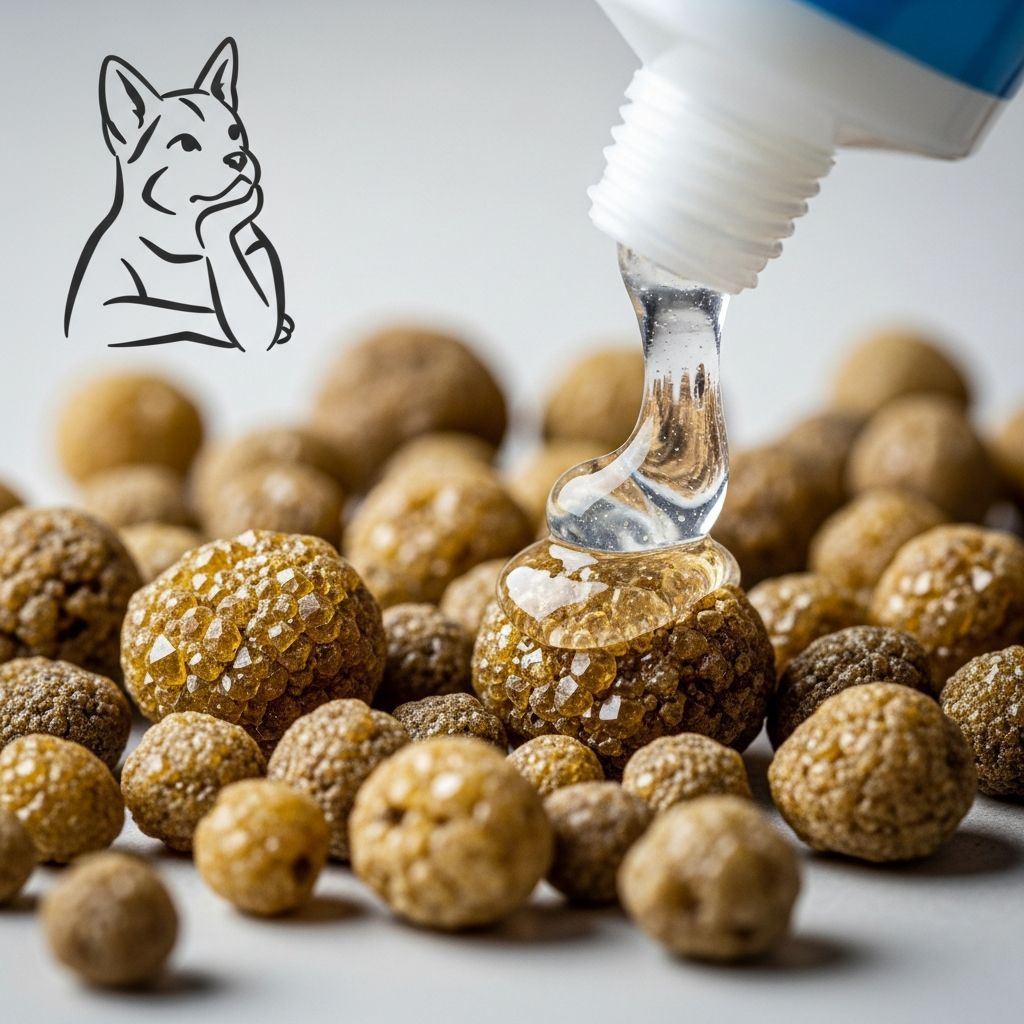
Cystine-binding agents play a crucial role in veterinary medicine for treating cystinuria, a genetic condition primarily affecting dogs, where excessive cystine in urine leads to stone formation. These drugs chemically interact with cystine to enhance its solubility, preventing urolith development and aiding dissolution.
Understanding Cystinuria in Canine Patients
Cystinuria stems from defective renal tubular reabsorption of dibasic amino acids, including cystine, ornithine, lysine, and arginine. This hereditary disorder is prevalent in breeds like Newfoundlands, Dachshunds, and Miniature Pinschers, resulting in cystine uroliths that can obstruct urinary tracts and cause severe complications.
Diagnosis involves urine analysis showing COLA (cystine, ornithine, lysine, arginine) elevations, often confirmed by imaging or stone analysis. Early intervention is vital to avoid recurrent stones and renal damage.
Primary Cystine-Binding Therapies
The cornerstone of pharmacotherapy involves thiol-containing compounds that form soluble mixed disulfides with cysteine, reducing cystine precipitation.
Tiopronin: The Preferred Option
Tiopronin, also known as 2-mercaptopropionylglycine (2-MPG), is a second-generation agent with superior efficacy and safety. It undergoes thiol-disulfide exchange, producing highly soluble complexes. Administered at 20-40 mg/kg/day divided into two doses, it has successfully dissolved stones in many cases.
- Dosage: Start at 20 mg/kg BID, adjust based on monitoring.
- Absorption: Rapid oral uptake, renal excretion.
- Success Rate: Complete dissolution in up to 53% of treated dogs.
Veterinarians favor tiopronin over older alternatives due to fewer gastrointestinal issues.
D-Penicillamine: An Older Alternative
D-Penicillamine, a first-generation chelator, binds cystine effectively at 30 mg/kg/day in divided doses but is limited by high adverse effect rates, including vomiting (50% of cases), fever, and lymphadenopathy.
Due to these risks, many centers, like the Minnesota Urolith Center, have discontinued its use in favor of tiopronin.
Potential Side Effects and Monitoring
Both agents can induce immune-mediated reactions such as Coombs-positive anemia, thrombocytopenia, elevated liver enzymes, and skin hypersensitivity. Regular monitoring includes complete blood counts, serum biochemistry, and urinalysis every 3-6 months.
| Agent | Common Side Effects | Monitoring Frequency |
|---|---|---|
| Tiopronin | Anemia, liver enzyme rise, glomerulonephritis | Quarterly initially |
| D-Penicillamine | Vomiting, fever, lymphadenopathy | Monthly at start |
Discontinue if severe reactions occur; symptoms often resolve post-withdrawal.
Supportive Treatments for Optimal Outcomes
Pharmacotherapy pairs with dietary protein restriction, increased water intake, and urine alkalinization (pH >7.2) using potassium citrate. Low-purine diets further aid prevention.
- Promote hydration to dilute urine cystine.
- Alkalinize urine to inhibit crystal formation.
- Restrict sodium and protein to minimize stone risk.
Allopurinol’s Role in Related Urolithiasis
Though not a direct cystine binder, allopurinol inhibits xanthine oxidase, reducing uric acid in breeds like Dalmatians prone to urate stones alongside cystine issues. Dose at 10-15 mg/kg/day, reducing in renal compromise.
Emerging and Experimental Agents
Captopril and Bucillamine
Captopril, an ACE inhibitor, forms highly soluble cystine disulfides but lacks canine data. Bucillamine, a tiopronin derivative, shows promise in humans for rheumatoid conditions and cystinuria trials.
Crystal Growth Inhibitors
L-Cystine dimethyl ester (L-CDME) and L-cystine methyl ester (L-CME) hinder cystine crystal aggregation in murine models without toxicity concerns in initial tests. Veterinary trials are pending.
Other Innovations
Tolvaptan increases urine output via vasopressin antagonism, potentially applicable but challenging in pets due to owner-dependent voiding. Alpha-lipoic acid enhances cystine solubility independently of binding.
Clinical Guidelines for Treatment Success
Initiate therapy post-confirmed diagnosis. Combine agents with lifestyle changes for 6-12 months minimum, reassessing via imaging. Recurrence prevention demands lifelong management.
Genetic screening in at-risk breeds aids breeding decisions.
Frequently Asked Questions (FAQs)
What breeds are most prone to cystinuria?
Newfoundlands, English Bulldogs, Dachshunds, and Miniature Pinschers show high incidence due to SLC3A1 or SLC7A9 mutations.
How long does stone dissolution take?
With tiopronin, 3-6 months typically, monitored by radiographs.
Can diet alone manage cystinuria?
Diet supports but rarely suffices without drugs in severe cases.
Is tiopronin safe for long-term use?
Yes, with vigilant monitoring; safer than penicillamine.
What if my dog reacts to binding agents?
Switch agents or use supportive measures; consult a specialist.
Preventive Strategies Beyond Pharmacology
Regular veterinary check-ups, breed-specific genetic testing, and owner education on hydration are essential. Surgical removal may precede medical dissolution in obstructions.
References
- Cystine-Binding Agents Used to Treat Urinary Disease in Animals — Merck Veterinary Manual. 2026. https://www.merckvetmanual.com/pharmacology/systemic-pharmacotherapeutics-of-the-urinary-system/cystine-binding-agents-used-to-treat-urinary-disease-in-animals
- Cystinuria in Dogs and Cats: What Do We Know after Almost 200 Years of Research? — PMC/NCBI. 2021-08-26. https://pmc.ncbi.nlm.nih.gov/articles/PMC8388795/
- Cystine nephrolithiasis — Translational Andrology and Urology. 2015. https://tau.amegroups.org/article/view/4084/html
- Common questions on dogs forming cystine stones — University of Minnesota College of Veterinary Medicine. Recent. https://vetmed.umn.edu/urolith-center/advice-and-facts/common-questions-dogs-forming-cystine-stones
- Update on cystine stones: current and future concepts in treatment — Cystinuria.org. Recent. https://cystinuria.org/update-on-cystine-stones-current-and-future-concepts-in-treatment/
- Cystine Bladder Stones in Dogs — VCA Animal Hospitals. Recent. https://vcahospitals.com/know-your-pet/cystine-bladder-stones-in-dogs
- Cystinuria — Cornell University College of Veterinary Medicine. Recent. https://www.vet.cornell.edu/departments-centers-and-institutes/riney-canine-health-center/canine-health-topics/cystinuria
Similar Articles








Read full bio of medha deb


