

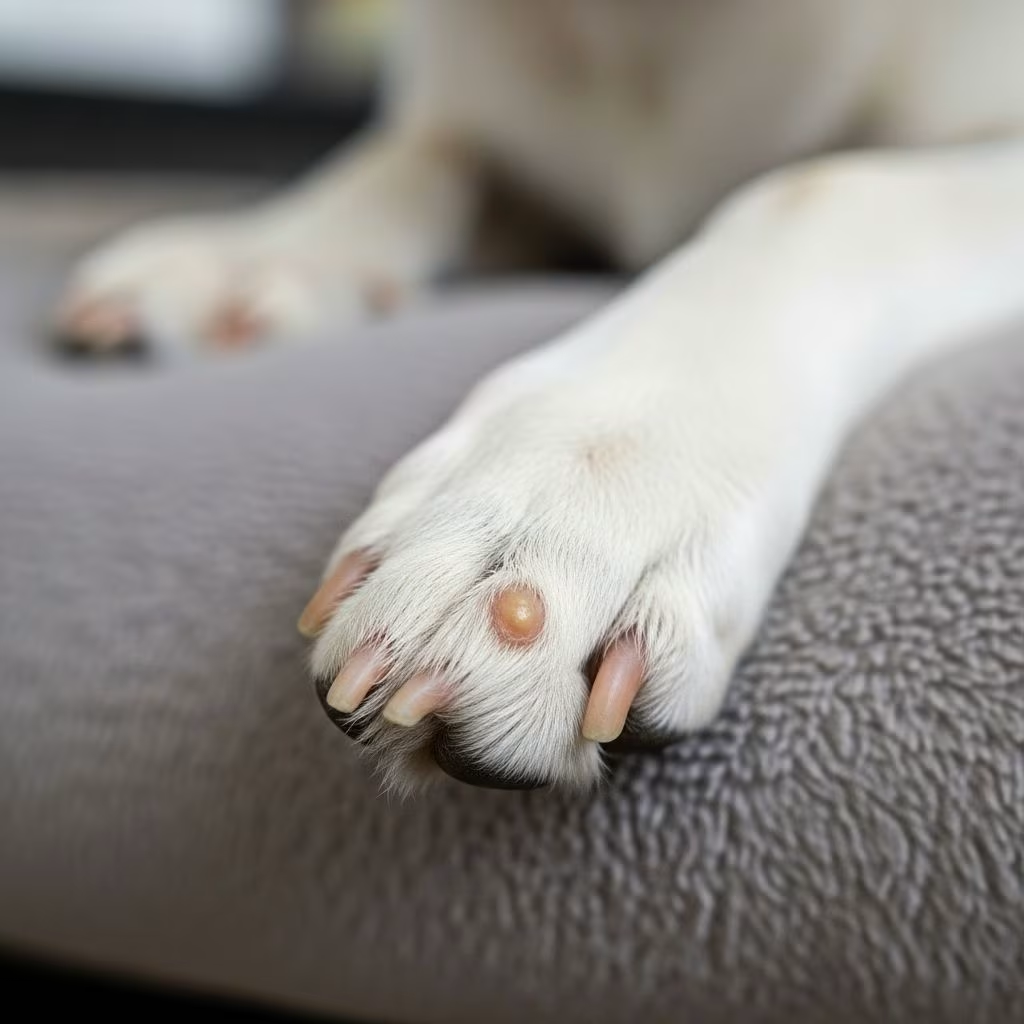
Canine corns and warts represent common yet challenging skin conditions that affect dogs’ comfort and mobility. Corns typically form on paw pads, causing pain during movement, while warts appear as raised growths on the skin or mucous membranes due to viral infections. Understanding these issues allows pet owners to seek timely interventions, improving their dog’s quality of life.
Understanding Paw Pad Corns
**Corns** are hardened, callus-like thickenings on a dog’s paw pads, often likened to human corns but uniquely problematic in certain breeds. They develop from chronic pressure, friction, or trauma, leading to fibrous tissue buildup that painfully presses on sensitive underlying structures.
Breeds like Greyhounds, with their thin pads and high activity levels on hard surfaces, are particularly susceptible. These growths start as small, dry areas that evolve into raised, circular lesions with a central core, causing limping or reluctance to walk.
- Symptoms include localized lameness, pad discoloration, and visible hardening.
- Early detection prevents progression to deeper ulceration or infection.
Diagnosis involves veterinary examination, sometimes with trimming to reveal the extent, ensuring no underlying issues like foreign bodies mimic the condition.
Decoding Canine Warts
**Warts**, or viral papillomas, arise from papillomavirus infections targeting skin and oral tissues. Puppies and young dogs under two years are most affected as their immune systems mature, though older or immunocompromised pets face higher risks.
These benign tumors appear as cauliflower-like protrusions, varying from tiny bumps to clusters covering lips, gums, or eyelids. While usually harmless, large oral warts can hinder eating, and traumatized ones risk secondary bacterial infections.
| Feature | Corns | Warts |
|---|---|---|
| Location | Paw pads | Skin, mouth, eyes |
| Cause | Friction/trauma | Viral infection |
| Appearance | Hard, callused | Soft, raised, irregular |
| Age Group | Any, esp. racers | Young dogs |
This comparison highlights key differences for accurate identification.
Diagnostic Approaches for Growths
Veterinarians begin with a thorough history and physical exam, noting breed, age, and lesion locations. For corns, gentle paring with a curette exposes the core without anesthesia. Warts may require biopsy if atypical, ruling out malignancies like squamous cell carcinoma, especially in seniors.
Fine-needle aspiration or histopathology provides definitive confirmation. Bloodwork assesses immune status in persistent cases, guiding tailored therapies.
Professional Treatment Options for Corns
Treatment focuses on removal and pad protection. Surgical hulling with a scalpel or curette debrides the lesion, followed by smoothing via pumice stone for comfort.
Duct tape therapy proves effective: cover the trimmed corn with a small piece, changing every 3-5 days to soften and exfoliate. Kerasolv gel, massaged daily, chemically dissolves keratin, often yielding marked improvement over weeks, even in severe cases.
- Initial soreness may occur but subsides.
- Repeat as needed for recurrence control.
Avoid over-surgery; conservative management preserves pad integrity.
Effective Therapies for Dog Warts
Many warts regress spontaneously within 1-2 months via immune maturation.12 Interventions target persistent or problematic cases.
Surgical methods include scalpel excision, laser ablation for precision in sensitive areas like eyes, or cryotherapy freezing the tissue. Laser minimizes bleeding and promotes rapid healing.12
Immune-modulating drugs boost clearance: Interferon (oral/injectable) enhances antiviral responses; Imiquimod cream applied topically stimulates local immunity; Cimetidine and Azithromycin show efficacy in studies.1
Autogenous vaccines, crafted from the dog’s wart tissue, provoke targeted immunity, ideal for multiples or recurrences.2
Home Care and Supportive Measures
Complement vet care with gentle management. For corns, booties shield pads on rough terrain; soft bedding eases rest. Vitamin E oil applied to warts 3-4 times daily may aid shrinkage, though evidence is anecdotal.68
Monitor for infection signs like swelling or discharge, prompting prompt vet visits. Nutrition supporting immunity, including omega-3s, aids recovery.
Preventing Recurrence of Corns and Warts
Minimize trauma: provide soft walking surfaces, trim nails regularly, and use paw balms. For warts, isolate puppies from infected dogs; vaccinate against core diseases maintaining immune vigor.
Reduce immunosuppressants if feasible in at-risk pets.1 Routine checkups catch issues early.
When to Seek Veterinary Help
Consult a vet if growths cause pain, bleed, grow rapidly, or persist beyond 2-3 months. Immunosuppressed dogs or those with multiple lesions warrant immediate evaluation to avert complications.
Frequently Asked Questions
Do dog corns go away on their own?
Rarely; consistent management is needed to prevent return, though symptoms improve with treatment.34
Are warts on dogs contagious?
Yes, via direct contact with infected dogs or surfaces; caution around young pups.17
Can I remove my dog’s wart at home?
No; risks include infection or incomplete removal. Professional care ensures safety.5
How long do treatments take?
Corns: weeks to months with ongoing care. Warts: 2-8 weeks for medical options, faster surgically.2
What breeds get corns most?
Greyhounds and sighthounds due to pad genetics and racing.34
Long-Term Management Strategies
Chronic cases benefit from multimodal plans: regular trims, protective gear, and immune support. Track progress with photos for subtle changes. Collaborate with vets for customized protocols, enhancing outcomes.
References
- Warts in Dogs – PetMD — PetMD. 2023. https://www.petmd.com/dog/conditions/all-about-dog-warts-types-causes-and-treatments
- Dog Wart Treatment: Essential Guide For Pet Owners — Devil Dog Pet Co. 2024. https://devildogpetco.com/blogs/the-devil-dog-blog/dog-wart
- Treating Your Dog’s Corns and Warts – Whole Dog Journal — Whole Dog Journal. 2023. https://www.whole-dog-journal.com/health/treating-your-dogs-corns-and-warts/
- Corns/Warts | Greyhound Gang — Greyhound Gang. 2022. https://www.greyhoundgang.org/learn/health/corns/
- Warts on Dogs: Vet Treatment Advice – MetLife Pet Insurance — MetLife Pet Insurance. 2024. https://www.metlifepetinsurance.com/blog/pet-health/warts-on-dogs/



