

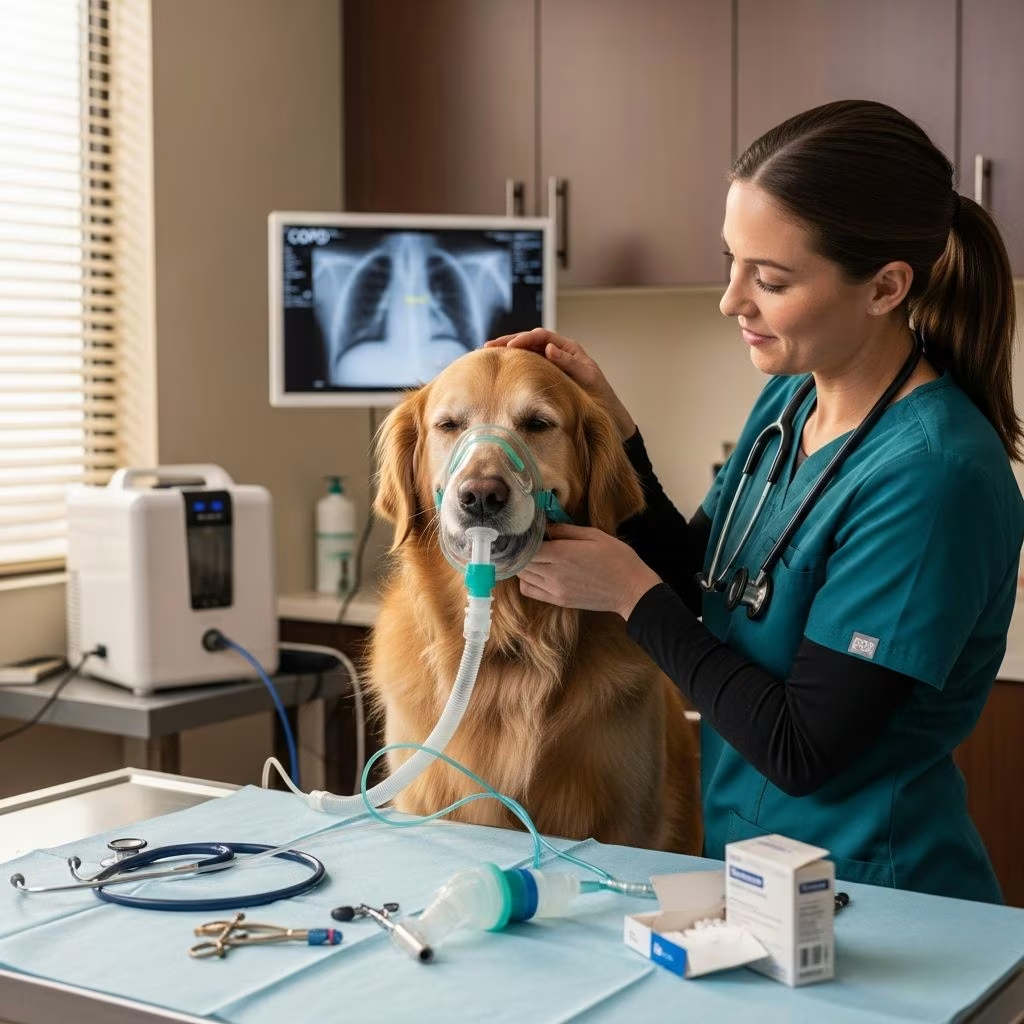
Chronic obstructive pulmonary disease (COPD), often referred to as chronic bronchitis in veterinary terms, is a progressive respiratory condition affecting dogs, characterized by persistent inflammation and narrowing of the airways. This leads to difficulties in breathing, chronic coughing, and reduced exercise tolerance. While there is no cure, proactive management can significantly enhance a dog’s comfort and longevity.
Understanding the Respiratory Challenge in Canines
COPD in dogs involves irreversible changes to the bronchial tubes, where mucus buildup and inflammation obstruct airflow. Small breeds like Yorkshire Terriers, Pomeranians, and Shih Tzus are particularly susceptible due to their anatomy, though any dog can develop it, especially with prolonged exposure to irritants. The disease progresses slowly, often starting subtly with occasional coughs that intensify over time.
Recognizing Early Warning Signs
Owners should watch for key indicators of COPD. Persistent coughing, especially after exercise or excitement, is the hallmark symptom, often described as a dry, hacking sound. Affected dogs may exhibit labored breathing, rapid shallow respirations, reduced stamina, and exercise intolerance. In advanced stages, bluish gums from oxygen deprivation or collapse after minimal activity can occur. Differentiating these from heart disease or infections is crucial, as symptoms overlap.
- Coughing fits: Triggered by activity, pressure on the trachea, or irritants.
- Breathing difficulties: Wheezing, prolonged expiration phases.
- Fatigue: Reluctance to play or walk.
- Secondary signs: Weight loss, appetite changes, or cyanosis.
Unraveling the Root Causes
The exact etiology remains multifactorial, but chronic exposure to environmental pollutants like cigarette smoke, dust, or allergens plays a pivotal role. Genetic predispositions in certain breeds contribute, alongside aging, as older dogs over 8 years are more prone. Secondary bacterial infections exacerbate the inflammation, creating a vicious cycle of irritation and mucus production. Unlike acute bronchitis, COPD reflects long-term damage rather than a single event.
Diagnostic Approaches for Accurate Assessment
Veterinarians employ a multi-step process to confirm COPD and rule out mimics like pneumonia or cardiac issues. Initial physical exams focus on lung sounds, revealing harsh or wheezy respirations. Radiographs assess bronchial thickening and hyperinflation, while bloodwork checks for infections or inflammation markers. Advanced tools like bronchoscopy or CT scans provide detailed airway views, and bronchoalveolar lavage samples mucus for cytology.
| Test | Purpose | Findings in COPD |
|---|---|---|
| Chest X-rays | Visualize lungs | Flattened diaphragm, bronchial patterns |
| Blood gas analysis | Oxygen/CO2 levels | Hypoxemia |
| Endoscopy | Direct airway inspection | Mucus, inflammation |
Core Treatment Strategies
Treatment prioritizes symptom relief and inflammation control, typically on an outpatient basis unless respiratory distress demands hospitalization with oxygen support. Medications form the backbone, tailored to disease severity.
Pharmacological Interventions
Corticosteroids such as prednisone are first-line, reducing airway swelling at doses starting 1-2 mg/kg daily, tapered to the minimum effective amount. Bronchodilators like theophylline relax smooth muscles, aiding airflow in about half of cases. Cough suppressants, including hydrocodone, are used judiciously to break the cough-inflammation cycle without suppressing protective reflexes. Antibiotics target secondary infections.
- Oral steroids: Effective but monitor for side effects like polydipsia.
- Bronchodilators: Improve stamina; watch for restlessness.
- Suppressants: For disruptive coughs only.
Innovative Inhaled Therapies
Inhaled corticosteroids and bronchodilators via devices like the AeroDawg chamber deliver drugs directly to lungs, minimizing systemic effects. This approach suits long-term management, preserving quality of life with fewer issues like urinary incontinence.
Lifestyle Modifications for Optimal Health
Beyond drugs, environmental tweaks are vital. Eliminate smoke, use air purifiers, and avoid dusty areas. Weight management through balanced diets prevents respiratory strain; obese dogs fare worse. Gentle exercise clears secretions but introduce gradually to avoid exacerbations. Harness use over collars reduces tracheal pressure. Oral hygiene prevents bacterial migration from mouth to lungs via daily brushing and professional cleanings.
Long-Term Prognosis and Monitoring
With diligent care, many dogs enjoy years of good quality life, though progression varies. Regular vet check-ups adjust therapies, tracking via repeat imaging or lung function tests. Emerging options like stem cell therapy or allergen desensitization show promise in trials. Owners must commit to compliance for best outcomes.
FAQs on Canine COPD
Q: Is COPD curable in dogs?
A: No, but management controls symptoms effectively.
Q: What breeds are at higher risk?
A: Small breeds like Terriers and toy breeds.
Q: Can diet help?
A: Yes, weight control and anti-inflammatory foods support breathing.
Q: When is emergency care needed?
A: For severe distress, open-mouth breathing, or collapse.
Q: Are inhalers safe for dogs?
A: Yes, with proper devices, they reduce side effects.
Preventive Measures for Respiratory Wellness
Minimize exposures early, maintain fitness, and schedule annual exams. Vaccinations prevent complicating infections. Antioxidant supplements may bolster lung health, per vet advice.
References
- Chronic Bronchitis in Dogs — VCA Animal Hospitals. 2023. https://vcahospitals.com/know-your-pet/chronic-obstructive-pulmonary-disease-copd-in-dogs
- Chronic Inflammation of the Bronchi in Dogs — PetMD. 2024. https://www.petmd.com/dog/conditions/respiratory/c_dg_chronic_bronchitis
- Canine Chronic Bronchitis: A Review and Update — Today’s Veterinary Practice. 2023. https://todaysveterinarypractice.com/respiratory-medicine/canine-chronic-bronchitis-a-review-update/
- Canine Chronic Bronchitis: What It Is, Symptoms To Look For, And How To Treat It — Trudell Animal Health. 2024. https://trudellanimalhealth.com/blogs/blog/canine-chronic-bronchitis-what-it-is-symptoms-to-look-for-and-how-to-treat-it
- COPD in Dogs: How Is It Treated? — Family Friends Veterinary Hospital. 2022-12-31. https://www.familyfriendsvh.com/site/blog/2022/12/31/copd-dogs–treatment



