

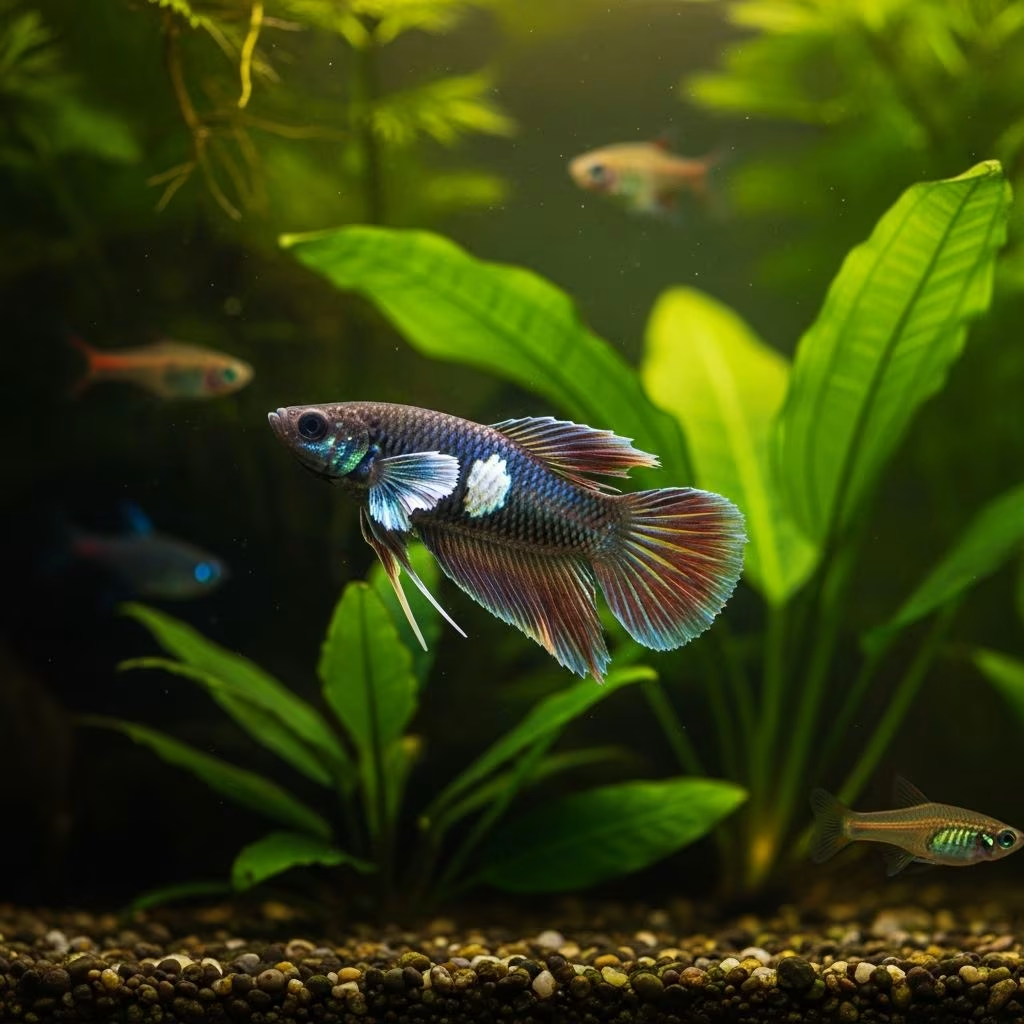
Columnaris disease, commonly referred to as cotton wool disease, represents one of the most prevalent bacterial infections threatening freshwater aquarium fish. This condition, caused by the bacterium Flavobacterium columnare, manifests as distinctive white, fluffy patches on fish skin, fins, and gill tissue. Understanding this disease’s characteristics, origins, and treatment approaches is essential for any aquarium enthusiast committed to maintaining a thriving aquatic environment.
The Nature of Columnaris: Distinguishing Bacterial from Fungal Infections
A critical aspect of managing columnaris involves recognizing that despite its common name and appearance, this disease is caused by bacteria rather than fungi. The bacterium Flavobacterium columnare is a gram-negative, rod-shaped organism found naturally in aquatic environments worldwide. Many aquarium keepers initially mistake columnaris for fungal infections due to the cotton-like appearance of the lesions. However, microscopic examination reveals the fundamental difference: columnaris presents as shorter, more compact patches, whereas true fungal infections display fuller, stringier appearances.
This distinction matters significantly for treatment selection. While antifungal medications prove ineffective against bacterial columnaris, antibacterial treatments address the actual pathogen responsible for the infection. Misidentifying the infection can waste valuable time and resources while the disease progresses unchecked.
Recognizing Infection Symptoms Across Disease Progression
Early identification of columnaris substantially improves treatment success rates. The disease typically develops through observable stages, each presenting distinct visual and behavioral indicators.
Initial Manifestations
The earliest signs of columnaris infection include:
- Localized white, pale, or occasionally greenish patches appearing on skin, fins, or mouth regions
- Pale or discolored gill tissue indicating infection of respiratory surfaces
- Subtle color loss in affected areas
- Minor behavioral changes such as reduced feeding response
Progressive Disease Indicators
As infection advances, affected fish demonstrate increasingly severe clinical signs:
- Expansion of white, cottony patches to cover larger body surface areas
- Fin fraying and deterioration as bacterial infection damages fin tissue
- Red or inflamed areas surrounding affected patches
- Visible skin ulcers or lesions in advanced cases
- Labored breathing patterns resulting from gill damage
- Complete loss of appetite
- Pronounced lethargy with fish spending extended periods near tank bottom
- Loss of equilibrium and abnormal swimming behavior
Severe Infection Consequences
Untreated columnaris can rapidly escalate to life-threatening conditions. Gill tissue damage becomes particularly concerning, as severely infected gill tissue impairs oxygen absorption, causing gasping at the water surface. In severe cases, mortality occurs suddenly, particularly among younger or immunocompromised specimens.
Understanding Root Causes: Why Columnaris Develops
Columnaris bacteria exist in most aquatic environments naturally, yet infections only occur under specific conditions that compromise fish immune function. Understanding these causative factors proves crucial for both treatment and prevention.
Environmental Stressors
Stress represents the primary factor enabling columnaris development. When fish experience stress, their immune systems weaken significantly, allowing normally harmless bacteria to proliferate. Common environmental stressors include:
- Rapid temperature fluctuations or chronically inappropriate water temperatures
- Sudden introduction of new fish without proper quarantine procedures
- Excessive tank population density creating crowding stress
- Insufficient oxygen levels in the water column
Water Quality Deterioration
Poor water conditions create toxic environments that stress fish and promote bacterial growth simultaneously. Specific water quality issues include:
- Elevated ammonia concentrations exceeding safe thresholds
- Nitrite accumulation indicating inadequate biological filtration
- Excessive nitrate levels from infrequent water changes
- Improper pH balance for the species maintained
Physical Trauma and Pathways
Physical injuries provide direct entry points for bacterial colonization. Common causes of injury include rough handling during transport or tank maintenance, aggressive interactions between tank inhabitants, sharp tank decorations, and collisions with tank equipment.
Treatment Protocol: A Systematic Approach to Recovery
Effective columnaris treatment requires addressing the infection while simultaneously improving conditions that enabled disease development. A multi-faceted approach combining environmental correction with medical intervention yields optimal results.
Isolation and Containment
Immediately transfer any fish displaying columnaris symptoms to a separate quarantine tank. This isolation prevents disease transmission to healthy tank inhabitants while allowing focused treatment of affected individuals. Maintain the quarantine tank under identical water parameters to minimize additional stress during transfer.
Water Quality Optimization
Test quarantine tank water parameters using reliable aquarium test kits, measuring ammonia, nitrites, nitrates, and pH levels. Perform partial water changes of 25-30% every other day to reduce waste products and improve overall water quality. Use aquarium-appropriate water conditioners when adding fresh water to remove chlorine and other harmful chemicals. Ensure adequate aeration and filtration in the quarantine tank to maintain oxygen saturation and remove decomposing matter.
Temperature Adjustment
Gradually increase water temperature to 78-80°F (25-27°C). Columnaris bacteria demonstrate reduced survival rates at elevated temperatures, while fish immune function simultaneously improves. Make temperature adjustments gradually over 24-48 hours using aquarium heaters with thermostats to avoid thermal shock. Monitor temperature stability closely throughout treatment duration.
Medication Administration
Several treatment options effectively combat columnaris infection:
- Antibacterial medications containing ingredients specifically formulated for gram-negative bacteria like columnaris
- Epsom salt supplementation at 1 teaspoon per gallon, which supports immune function and reduces inflammation
- Combinations of medications addressing both the bacterial infection and supporting fish recovery
Follow medication package instructions precisely regarding dosage, application frequency, and treatment duration. Most treatments require 7-14 days for full effectiveness. Maintain water quality during medication use, as some treatments may impact biological filtration and require more frequent partial water changes.
Recovery Timeline and Expectations
Recovery speed varies depending on infection severity, fish species resilience, and treatment initiation timing. With prompt intervention, visible improvement often appears within 3-5 days as white patches reduce in size and fish behavior normalizes. However, complete resolution typically requires 2-4 weeks of consistent treatment. Early-stage infections may resolve faster, while advanced cases with extensive gill or tissue damage require extended recovery periods.
Monitor treated fish closely during recovery. Gradually resume normal feeding once appetite returns, starting with small portions of high-quality food to support immune recovery. Avoid introducing fish to the main tank until patches completely disappear and behavior fully normalizes.
Prevention Strategies: Maintaining Disease-Free Aquariums
Preventing columnaris proves far simpler than treating infections. Consistent preventive practices create environmental conditions unfavorable to disease development.
Water Quality Maintenance
Establish and maintain regular water quality testing schedules. Perform weekly partial water changes of 20-30% depending on tank bioload. Clean filters regularly without disrupting beneficial bacteria colonies. Avoid overfeeding, which increases waste production and water quality deterioration.
Proper Tank Stocking
Research appropriate stocking densities for your specific fish species and tank volume. Overcrowding creates waste accumulation, oxygen depletion, and chronic stress—all factors enabling columnaris. Provide adequate space for each fish to establish territories and exhibit natural behaviors.
Temperature Stability
Maintain consistent water temperature appropriate for the species maintained. Use aquarium thermostats to prevent fluctuations. Avoid placing tanks near heating vents, air conditioning units, or direct sunlight, which cause rapid temperature changes.
Quarantine Protocol for New Arrivals
Implement strict quarantine procedures for all new fish additions. Maintain new fish in a separate tank for 2-4 weeks before introducing them to established aquariums. This allows observation for disease symptoms and reduces disease transmission risk significantly.
Gentle Fish Handling
Minimize stress and physical trauma during tank maintenance. Use appropriate nets sized for your fish species. Avoid sudden movements or excessive handling. Transfer fish gently using slow-motion techniques to prevent injuries that create bacterial entry points.
Frequently Asked Questions
Can columnaris affect all freshwater fish species?
Yes, virtually all freshwater fish species can develop columnaris infections. However, stressed, injured, or immunocompromised fish show significantly higher susceptibility. Young fish demonstrate particular vulnerability to severe infections.
What distinguishes columnaris from true fungal infections?
Columnaris patches appear more compact and uniform, while fungal infections display fuller, stringier, more irregular growth patterns. Microscopic examination definitively differentiates bacterial from fungal infections. Accurate identification ensures appropriate medication selection.
How long does columnaris treatment typically last?
Most treatments require 7-14 days of consistent application. Complete recovery with visual lesion disappearance may require 2-4 weeks depending on infection severity.
Can I treat columnaris in the main aquarium?
While possible, quarantine tank treatment proves superior as it allows focused care, prevents disease transmission, and simplifies water parameter management. If quarantine proves impossible, remove healthy fish or use appropriate tank dividers to isolate affected individuals.
What causes sudden columnaris outbreaks in previously healthy tanks?
Sudden disease outbreaks typically follow stressful events such as new fish introductions, temperature fluctuations, water quality deterioration, tank maintenance disruptions, or aggressive fish interactions. Review recent tank history to identify triggering factors.
How can I prevent columnaris recurrence?
Maintain consistent water quality through regular testing and water changes, avoid overcrowding, implement quarantine procedures for new fish, maintain appropriate temperatures, handle fish gently, and provide proper nutrition supporting immune function.
Conclusion: Vigilance and Proactive Management
Columnaris disease represents a manageable aquarium health challenge when aquarists understand disease characteristics, recognize symptoms promptly, and implement appropriate treatment protocols. By maintaining optimal water conditions, reducing environmental stressors, and practicing rigorous quarantine and handling procedures, most aquarium enthusiasts can prevent columnaris infections entirely. When infections do occur, early identification combined with systematic treatment—addressing both the bacterial infection and underlying environmental factors—typically results in complete recovery. Success in managing columnaris ultimately depends on understanding this disease as a consequence of system failure rather than a random misfortune, encouraging aquarists to examine and optimize their entire aquatic management approach.
References
- Cotton Wool Disease in Freshwater Fish — Dial A Vet. Accessed 2026-01-30. https://www.dialavet.com/blog/cotton-wool-disease-in-freshwater-fish
- Cotton Wool Disease Treatment – Cause, Medication & Prevention — Aquarium Craze. Accessed 2026-01-30. https://aquariumcraze.in/aquarium-fish-care/aquarium-disease-treatment/cotton-wool-disease-in-fish-causes-symptoms-and-effective-treatments/
- Cotton Wool Disease aka Columnaris in Fish — Fish Vet. Accessed 2026-01-30. https://cafishvet.com/fish-health-disease/cotton-wool-disease-aka-columnaris-in-fish/
- Columnaris — Wikipedia. Last updated 2025. https://en.wikipedia.org/wiki/Columnaris
- Common Diseases of Freshwater and Saltwater Fish — Fritz Aquatics. 2023. https://fritzaquatics.com/assets/files/uploads/Meds_Chart_2023.pdf
- Aquarium Fish Health & Diseases: Fungal Infections in Fish — Live Aquaria. Accessed 2026-01-30. https://www.liveaquaria.com/article/80/?aid=80
- Saprolegniasis – Cotton Wool Disease — Alaska Department of Fish and Game. https://www.adfg.alaska.gov/static/species/disease/pdfs/fishdiseases/saprolegniasis.pdf



