

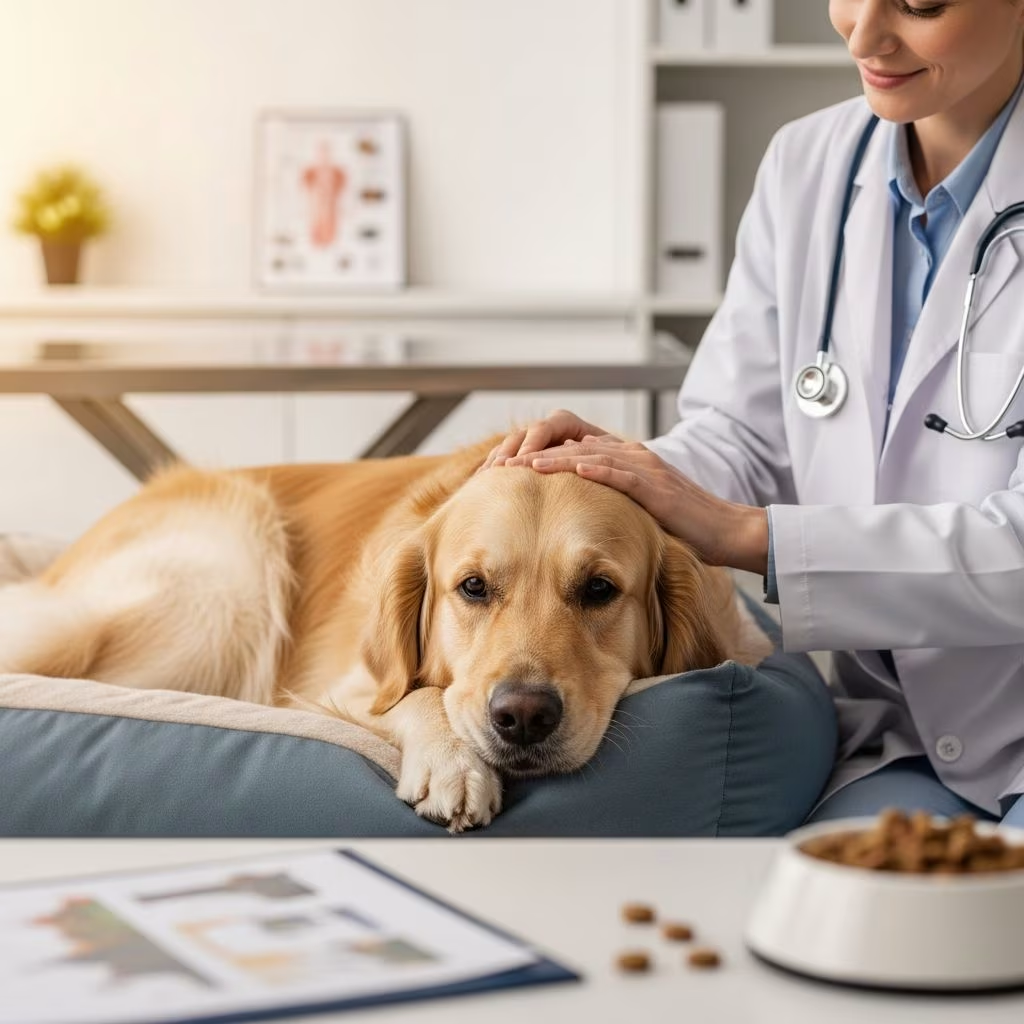
Colitis in dogs involves inflammation of the large intestine, leading to symptoms like frequent loose stools, straining, and discomfort. Prompt intervention through a combination of home care and professional treatments can significantly improve outcomes and quality of life for affected pets.
Recognizing the Signs of Colitis in Canines
Dogs with colitis often exhibit mucus-covered or bloody stools, increased urgency to defecate, and tenesmus, which is the sensation of incomplete evacuation. These signs may appear suddenly in acute cases or persist chronically, signaling deeper issues like infections or allergies. Early detection allows for targeted management, preventing dehydration and weight loss that can complicate recovery.
Owners should monitor stool consistency daily, noting changes in frequency or appearance. Accompanying lethargy or appetite loss warrants immediate veterinary consultation to rule out parasites, bacterial overgrowth, or stress-induced flares.
Primary Causes Behind Canine Colitis
Colitis arises from diverse triggers, including dietary indiscretions, parasitic infestations, and immune-mediated responses. Acute episodes frequently stem from ingesting spoiled food or foreign objects, while chronic forms link to inflammatory bowel disease (IBD) or allergies to proteins like beef or grains.
- Parasites: Whipworms and giardia disrupt gut lining integrity.
- Infections: Bacterial pathogens such as Clostridium or E. coli provoke inflammatory cascades.
- Stress: Environmental changes exacerbate symptoms in sensitive dogs.
- Food sensitivities: High-fat treats or abrupt diet shifts irritate the colon.
Understanding the root cause through fecal exams and bloodwork guides precise therapy selection.
Step-by-Step Home Management Protocols
Initial home strategies focus on soothing the inflamed colon while awaiting veterinary input. These measures rest the digestive tract and promote firmer stools without aggressive interventions.
Strategic Fasting Periods
A short fast of 24-48 hours, providing ample fresh water, allows the intestines to recover from overload. Puppies and small breeds require shorter durations to avoid hypoglycemia; consult a vet for tailored advice. Post-fast, rehydration with electrolyte solutions prevents imbalances.
Bland Diet Implementation
Transition to boiled lean proteins like turkey or chicken mixed with white rice or sweet potatoes in a 1:3 ratio. Feed small, frequent meals over 3-5 days, gradually increasing portions as stools normalize. This low-residue approach minimizes colonic workload.
| Diet Phase | Duration | Sample Meal | Portion Guideline |
|---|---|---|---|
| Fasting | 24-48 hours | Water only | Unlimited access |
| Bland Intro | Days 1-3 | Boiled chicken + rice | 1/4 normal amount, 4x/day |
| Transition | Days 4-7 | Mix with regular kibble | 50/50 blend, 3x/day |
| Maintenance | Ongoing | Hypoallergenic formula | Full portions |
Veterinary Interventions for Persistent Cases
When home care falls short, vets employ diagnostics like endoscopy or biopsies to pinpoint pathology, followed by tailored pharmacotherapy.
Antimicrobial and Anti-Inflammatory Options
Metronidazole or tylosin targets bacterial culprits while curbing inflammation. For granulomatous colitis, enrofloxacin proves effective against intracellular E. coli, administered for 8 weeks with susceptibility testing. Glucocorticoids like prednisone (2 mg/kg daily) manage immune flares, tapered gradually to sustain remission.
Gut Microbiome Restoration Techniques
Probiotics replenish beneficial flora, often combined with prebiotics for synergy. Fecal microbiota transplantation (FMT) via enema shows promise for refractory chronic colitis, modulating the microbiome alongside standard therapies. Pumpkin puree or psyllium husk adds soluble fiber, binding toxins and firming stools.
Advanced Therapies for IBD-Linked Colitis
Immunosuppressants such as azathioprine or sulfasalazine address autoimmune components in IBD. Budesonide offers targeted colonic delivery with fewer systemic effects than traditional steroids. Regular monitoring via fecal scoring and weight checks ensures efficacy and detects side effects like nausea promptly.
Long-Term Prevention and Lifestyle Adjustments
Sustaining remission demands proactive measures. Gradual food transitions over 7-10 days prevent rebounds, while avoiding table scraps eliminates common allergens.
- Consistent exercise routines bolster gut motility.
- Stress minimization through routine and enrichment toys.
- Annual deworming and fecal screenings catch issues early.
- Hypoallergenic or high-fiber prescription diets as maintenance staples.
Raw or whole-food diets, post-recovery, enhance microbiome diversity, with 90% of immunity residing in the gut.
Diagnostic Pathways for Accurate Treatment
Vets initiate with history and physical exams, progressing to fecal analysis for parasites and pathogens. Blood panels assess inflammation markers, while imaging rules out obstructions. Colonoscopy with biopsies confirms lymphocytic-plasmacytic or eosinophilic infiltrates, directing therapy.
Potential Complications and When to Escalate Care
Untreated colitis risks dehydration, sepsis, or megacolon. Seek emergency care for bloody diarrhea exceeding 48 hours, profound lethargy, or refusal to eat. Chronic cases may evolve into IBD, necessitating lifelong management.
Frequently Asked Questions (FAQs)
Can colitis in dogs resolve without medication?
Yes, mild acute cases often respond to fasting and diet alone, but persistent symptoms require vet evaluation.
Is pumpkin safe for dogs with colitis?
Plain canned pumpkin provides beneficial fiber; start with 1 tsp per 10 lbs body weight daily.
How long does treatment typically last?
Acute episodes: 3-7 days; chronic: weeks to months with follow-ups.
Are probiotics effective for all colitis types?
They aid most cases by restoring balance but pair best with cause-specific treatments.
Can stress alone cause colitis flares?
Yes, anxiety disrupts gut motility; calming aids like pheromone diffusers help.
Holistic Support for Optimal Recovery
Integrate omega-3 supplements for anti-inflammatory benefits and bone broth for mucosal repair. Slippery elm bark soothes linings naturally. Track progress with a symptom journal, sharing with vets for refinements.
By blending these strategies, most dogs achieve full recovery, regaining vitality. Collaborate closely with professionals for personalized plans.
References
- Dog Colitis: Causes, Symptoms, and Treatments Explained — Jiminy’s. 2025. https://jiminys.com/blogs/science/dog-colitis-complete-guide-to-causes-symptoms-effective-treatments-2025
- How to Treat Colitis in Dogs — PetCareRx. N/A. https://www.petcarerx.com/article/how-to-treat-colitis-in-dogs/6392
- All About Treating Colitis and Irritable Bowel Disease (IBD) in Dogs — The Honest Kitchen. N/A. https://www.thehonestkitchen.com/blogs/pet-wellness/treating-colitis-and-ibd-in-dogs
- Understanding Colitis in Dogs: A Comprehensive Guide — Dogs Naturally Magazine. N/A. https://www.dogsnaturallymagazine.com/colitis-in-dogs/
- Colitis in Small Animals — Merck Veterinary Manual. N/A. https://www.merckvetmanual.com/digestive-system/diseases-of-the-large-intestine-in-small-animals/colitis-in-small-animals



