

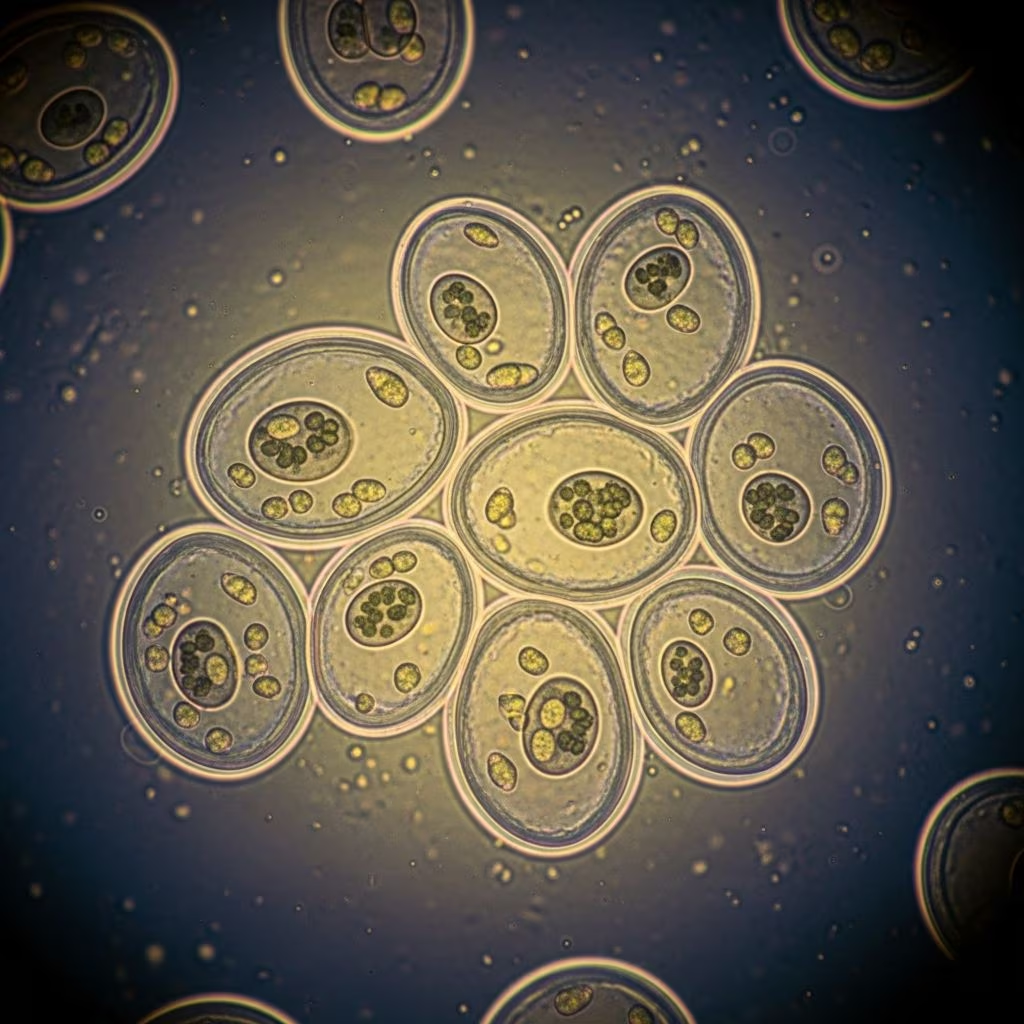
Coccidia represents one of the most common parasitic infections affecting dogs, particularly puppies and animals living in high-stress or unsanitary conditions. These microscopic intestinal parasites can trigger a range of gastrointestinal complications, from mild digestive upset to severe, life-threatening dehydration. Understanding how coccidia develops, recognizing warning signs, and knowing when veterinary intervention is necessary empowers dog owners to make informed decisions about their pets’ health and wellbeing.
Understanding Coccidia: The Microscopic Threat
Coccidia are microscopic protozoan parasites that inhabit the intestinal tract of dogs and other animals. These parasites reproduce within the intestinal lining, creating oocysts that are shed through fecal matter. The infection, medically termed coccidiosis, spreads through contaminated environments and direct contact with infected feces. Dogs can become infected by ingesting oocysts present in soil, food, water, or contaminated surfaces.
Certain populations face elevated infection risks. Puppies between six weeks and six months of age demonstrate heightened susceptibility due to developing immune systems. Adult dogs living in shelters, kennels, or multi-pet households with poor sanitation standards also experience higher infection rates. Additionally, dogs experiencing stress, malnutrition, or compromised immune function become more vulnerable to clinical disease development.
Recognizing Infection Symptoms in Your Dog
One of the most challenging aspects of coccidia management is that many infected dogs display no observable symptoms whatsoever. These asymptomatic carriers shed parasites into the environment, potentially infecting other animals. However, when clinical signs do emerge, they typically manifest as gastrointestinal disturbances.
Common indicators of active coccidiosis include:
- Diarrhea, ranging from mild to severe and sometimes containing blood or excess mucus
- Vomiting or loss of appetite
- Abdominal discomfort or visible signs of pain
- Weight loss or failure to gain weight in puppies
- Lethargy or unusual behavioral changes
Puppies tend to display more pronounced symptoms compared to adult dogs, primarily because their developing immune systems cannot effectively combat the parasitic invasion. In severe cases, particularly affecting young, small, or immunocompromised dogs, coccidiosis can escalate to life-threatening conditions including severe dehydration, anemia, and in rare instances, death.
How Veterinarians Diagnose Coccidia
Veterinary diagnosis of coccidia relies primarily on fecal examination, where microscopic analysis reveals the presence of oocysts in stool samples. This straightforward diagnostic approach allows veterinarians to confirm infections and assess infection severity. Importantly, infected dogs may not exhibit clinical symptoms, making routine wellness examinations valuable for identifying asymptomatic carriers before they contaminate household environments.
Follow-up fecal testing proves essential following treatment completion to ensure complete parasite elimination and determine if additional treatment rounds are necessary. Some infections prove resistant to initial medication courses, requiring modified therapeutic approaches or extended treatment duration.
Treatment Approaches: From Self-Resolution to Medication
Treatment recommendations vary significantly based on infection severity and individual dog characteristics. Remarkably, many cases of coccidia resolve spontaneously without intervention, as a dog’s immune system gradually eliminates the parasites. For these self-limiting infections, veterinarians typically recommend supportive care including adequate hydration, proper nutrition, and environmental monitoring rather than pharmaceutical intervention.
However, dogs displaying clinical symptoms require active medical management. Sulfadimethoxine (brand name Albon) represents the only FDA-approved medication specifically licensed for treating coccidia in the United States. This sulfa-type antibiotic typically requires multi-day courses, with treatment duration ranging from five to twenty days depending on infection severity and individual response.
When sulfadimethoxine proves ineffective or unsuitable, veterinarians may prescribe alternative medications used off-label, including ponazuril, toltrazuril, or amprolium. These alternatives demonstrate efficacy in many cases and provide valuable options for dogs with sulfa sensitivities or resistant infections.
Supportive Care and Hospitalization
Dogs experiencing severe coccidiosis may require hospitalization and intensive supportive care. Intravenous or subcutaneous fluid therapy addresses dehydration resulting from diarrhea and vomiting. Medications protecting the gastrointestinal tract, anti-nausea agents, and bland dietary modifications support recovery and comfort during treatment. Most dogs recover successfully on an outpatient basis with at-home medication administration, though severe cases necessitate veterinary monitoring and hospitalization.
Prevention Strategies: Environmental Control and Hygiene
Preventing coccidia transmission centers on rigorous sanitation practices and environmental management. Since coccidia oocysts resist most standard disinfectants, prevention requires consistent, aggressive cleaning protocols.
Essential prevention measures include:
- Promptly removing feces from yards, kennels, and living areas—ideally within hours of defecation
- Bathing dogs regularly and after treatment completion to eliminate oocysts from the coat
- Sanitizing food and water bowls daily with hot water and appropriate cleaning agents
- Disinfecting dog bedding, crates, and resting areas through washing and steam treatment
- Avoiding raw meat diets, which may harbor additional parasites and complicate infection management
- Maintaining adequate spacing between dogs in multi-pet households to minimize fecal contact
- Using steam cleaning for heavily contaminated areas, as high temperatures effectively destroy oocysts
Environmental management proves particularly critical in shelter, kennel, and breeding environments where multiple animals share confined spaces. A period of environmental rest—temporarily ceasing use of contaminated areas while focusing on thorough cleaning—significantly reduces reinfection risk.
Important Considerations About Prevention and Vaccination
Currently, no vaccine exists for coccidia protection. Standard monthly preventative medications prescribed for other parasitic infections do not treat or prevent coccidia, making strict environmental hygiene the cornerstone of infection prevention. Dog owners relying on routine parasite prevention should discuss coccidia risk factors with their veterinarians to ensure comprehensive protection strategies.
Recovery Expectations and Prognosis
Most dogs diagnosed with coccidia demonstrate favorable recovery outcomes with appropriate treatment and management. Adult dogs typically respond well to prescribed medications and environmental modifications. Puppies experiencing mild to moderate infections also recover successfully, though severe infections in very young or immunocompromised puppies carry increased risk of serious complications.
The prognosis significantly improves when owners comply with veterinary treatment recommendations and implement thorough environmental sanitation protocols. However, coccidia infections frequently occur alongside other health conditions or parasitic infections, and these coexisting problems may complicate recovery or require additional medical interventions.
Underlying Health Factors and Long-Term Management
Coccidia infections often indicate underlying health vulnerabilities rather than representing isolated parasitic events. Stress, malnutrition, immunosuppression, or other infectious agents frequently precede or accompany coccidiosis development. Addressing these underlying conditions proves essential for preventing recurrent infections and supporting overall health.
Dogs with repeated coccidiosis episodes warrant comprehensive veterinary evaluation to identify causative factors. Chronic stress, inadequate nutrition, housing conditions, or undiagnosed immune disorders may require targeted intervention to prevent future infections.
Frequently Asked Questions About Canine Coccidia
Can adult dogs contract coccidia?
Yes, adult dogs can develop coccidiosis, though they are less likely to display clinical symptoms compared to puppies. Many adult dogs harbor coccidia without showing signs of illness, making them potential sources of environmental contamination.
Is coccidia contagious to humans?
Coccidia species affecting dogs are host-specific and do not transmit to humans. However, maintaining good hygiene practices when handling infected dogs’ feces remains important for general sanitation and preventing other potential infections.
How long does coccidia treatment typically last?
Treatment duration varies based on medication type and infection severity, ranging from five to twenty days depending on the chosen therapeutic approach. Some cases require repeated treatment courses to achieve complete parasite elimination.
What happens if coccidia goes untreated?
Many uncomplicated cases resolve independently without treatment as the immune system eliminates parasites. However, severe infections—particularly in puppies or immunocompromised dogs—can progress to serious complications including severe dehydration, anemia, and potentially death.
Can my dog get reinfected after treatment?
Yes, reinfection occurs readily if environmental contamination persists. Thorough environmental disinfection and ongoing sanitation practices are critical for preventing recurrent infections after successful treatment completion.
When to Contact Your Veterinarian
Schedule a veterinary appointment if your dog exhibits persistent diarrhea lasting more than a few days, particularly if accompanied by vomiting, lethargy, or loss of appetite. Puppies showing any gastrointestinal symptoms warrant prompt evaluation due to increased risk of severe complications. Additionally, any dog displaying signs of dehydration—including dry gums, reduced skin elasticity, or excessive lethargy—requires immediate veterinary attention.
Routine wellness examinations remain invaluable for early detection of asymptomatic coccidia infections, allowing intervention before environmental contamination or symptom development occurs. Discuss coccidia risk factors with your veterinarian based on your dog’s age, living situation, and health status to implement appropriate prevention strategies.
Creating a Comprehensive Wellness Strategy
Managing coccidia effectively extends beyond treating active infections to encompassing broader wellness approaches. Maintaining optimal nutrition supports immune function and disease resistance. Regular veterinary examinations enable early identification of infections and underlying health vulnerabilities. Stress reduction through appropriate exercise, environmental enrichment, and consistent routines strengthens immune competence. Together, these strategies create a comprehensive foundation for preventing coccidia and supporting long-term canine health.
References
- Coccidia in Dogs — Small Door Veterinary. 2024. https://www.smalldoorvet.com/learning-center/medical/coccidia-in-dogs
- Coccidia in Dogs: Symptoms, Treatment, and Prevention — PetMD. 2024. https://www.petmd.com/dog/conditions/infectious-parasitic/coccidia-in-dogs
- Coccidia in Dogs: Causes, Symptoms, and Treatment — MetLife Pet Insurance. 2024. https://www.metlifepetinsurance.com/blog/pet-health/coccidia-in-dogs/
- Coccidia in Dogs — Cornell University College of Veterinary Medicine. 2024. https://www.vet.cornell.edu/departments-centers-and-institutes/riney-canine-health-center/canine-health-topics/coccidia-dogs
- Coccidiosis in Dogs — VCA Animal Hospitals. 2024. https://vcahospitals.com/know-your-pet/coccidiosis-in-dogs
- Coccidiosis of Cats and Dogs — Merck Veterinary Manual. 2024. https://www.merckvetmanual.com/digestive-system/coccidiosis/coccidiosis-of-cats-and-dogs
- Coccidia Treatment Guidelines — Companion Animal Parasite Council. 2024. https://capcvet.org/guidelines/coccidia/



