

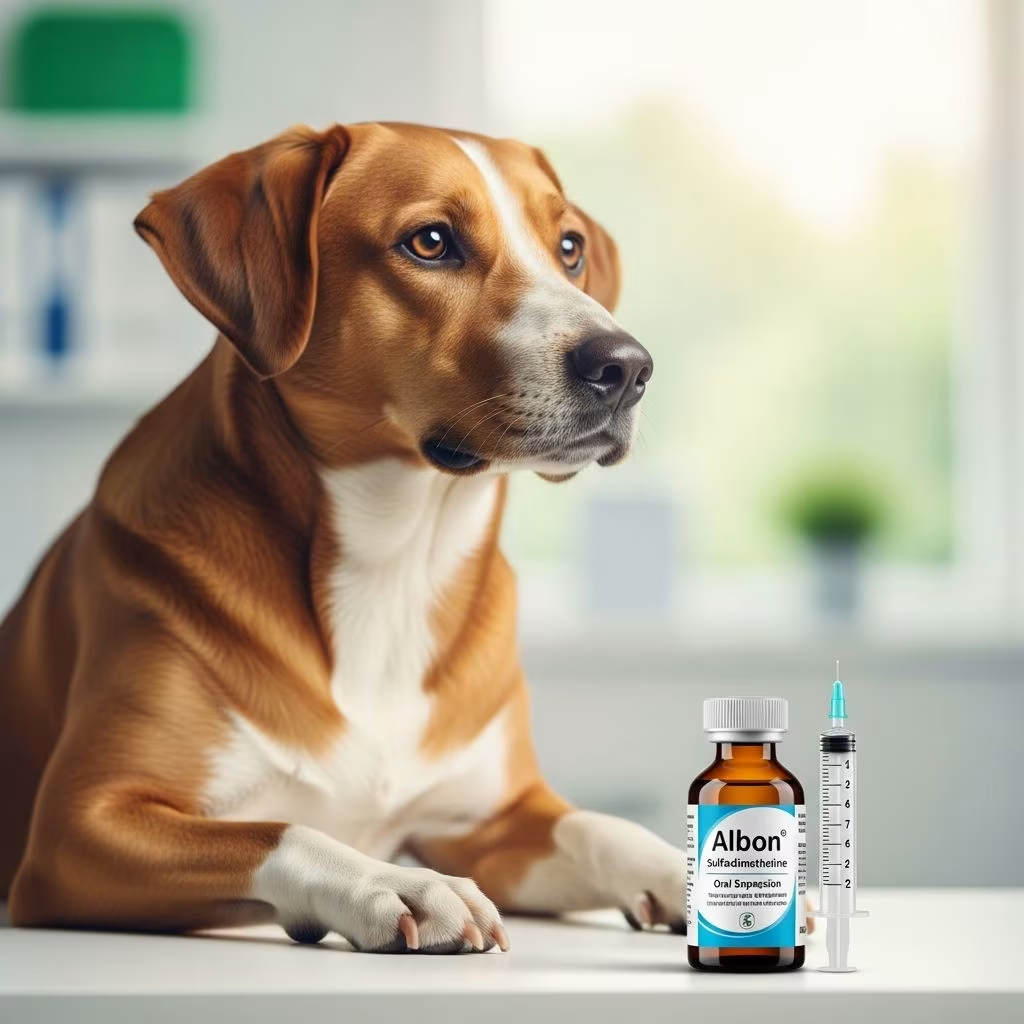
Coccidia are single-celled parasites that target the intestinal tract of dogs, particularly affecting young puppies and those in crowded or unclean conditions. Albon, known scientifically as sulfadimethoxine, stands out as a primary treatment option by disrupting the parasite’s life cycle.
Understanding the Nature of Coccidia Infections
Coccidia belong to the protozoan group and thrive in the small intestine, where they multiply rapidly and damage the gut lining. Dogs typically ingest infective oocysts from contaminated soil, water, or feces. While many adult dogs carry these parasites asymptomatically, vulnerable populations like puppies under six months or immunocompromised animals face higher risks of clinical disease.
The parasite’s resilience stems from its oocysts, which can survive harsh environmental conditions for months. This durability complicates control efforts, making hygiene a cornerstone of management.
Recognizing Clinical Signs in Affected Dogs
Early detection hinges on observing subtle to severe symptoms. Most infections remain subclinical, but when illness strikes, it often manifests as:
- Watery or bloody diarrhea: The hallmark sign, sometimes containing mucus.
- Lethargy and weakness: Due to nutrient malabsorption and dehydration.
- Appetite loss and weight reduction: Stemming from abdominal discomfort.
- Vomiting and dehydration: In advanced cases, leading to sunken eyes and dry gums.
- Abdominal pain: Indicated by hunching or tenderness.
Puppies may deteriorate quickly, with severe cases risking fatality without prompt intervention.
Diagnostic Approaches for Accurate Identification
Veterinarians confirm coccidia through fecal flotation tests, where oocysts appear under a microscope using sugar or saline solutions. Multiple samples might be needed since shedding is intermittent. Advanced PCR tests offer higher sensitivity for low-level infections.
Differentiating coccidia from other causes like giardia or bacterial enteritis is crucial, often requiring comprehensive stool panels. Blood work assesses dehydration and secondary issues.
Albon as the Cornerstone of Pharmacological Treatment
Sulfadimethoxine (Albon) inhibits folic acid synthesis essential for coccidia reproduction. Standard dosing starts at 50-60 mg/kg on day one, followed by 25-50 mg/kg daily for 5-20 days, tailored to response.
| Medication | Dosage | Duration | Notes |
|---|---|---|---|
| Sulfadimethoxine (Albon) | 50-60 mg/kg initial, then 25-50 mg/kg daily | 5-20 days | Monitor for resolution; repeat if needed |
| Ponazuril | 20-50 mg/kg daily | 1-5 days | Off-label; effective alternative |
| Toltrazuril/Diclazuril | 5-20 mg/kg | Single or short course | Limited canine data; consult vet |
Not all infections demand treatment; healthy adults often clear spontaneously. However, symptomatic cases benefit significantly from Albon.
Supportive Therapies to Aid Recovery
Beyond antiparasitics, address dehydration with oral rehydration solutions or IV fluids in hospital settings. Anti-diarrheals like kaolin-pectin soothe the gut, while probiotics restore flora balance.
Nutritional management involves bland diets—boiled rice and chicken—to ease digestion. Probiotics and electrolyte supplements bolster resilience. Hospitalization suits severe puppy cases with profound dehydration.
Environmental Decontamination Strategies
Oocysts resist most cleaners, necessitating rigorous protocols:
- Dilate 1:32 bleach solution (1 cup bleach per gallon water); apply after removing feces.
- Steam clean carpets and bedding.
- Daily yard fecal pickup; limit multi-dog access.
- Bathe dogs to remove adherent oocysts.
- Quarantine infected animals.
A 1-2 week fallow period for kennels disrupts the cycle.
Prevention Tactics for Long-Term Protection
Prophylaxis shines in high-risk settings like shelters. Routine fecal checks, prompt cleanup, and avoiding overcrowding curb spread. Puppies gain from medicated milk replacers containing amprolium, though not universally approved.
Boost immunity via balanced nutrition, deworming, and vaccinations. Educate multi-pet households on hygiene to avert outbreaks.
Monitoring Progress and Follow-Up Care
Reassess via fecal tests 1-2 weeks post-treatment. Persistent oocysts may signal resistance or reinfection, prompting regimen switches like ponazuril.
Track weight, stool quality, and energy. Full recovery spans 1-4 weeks with adherence. Beware relapse in stressed dogs.
Risks and Side Effects of Albon Therapy
Albon is generally safe but can cause:
- Vomiting, anorexia, or keratoconjunctivitis sicca (dry eye).
- Rare sulfonamide allergies.
- Crystalluria; ensure ample water intake.
Pregnant dogs require caution; consult vets for alternatives. Routine bloodwork monitors for issues in prolonged courses.
Special Considerations for Puppies and Vulnerable Dogs
Neonates face dire risks due to immature immunity. Early intervention with Albon plus fluids is lifesaving. Weaning stress heightens susceptibility—implement hygiene rigorously.
FAQs on Coccidia Management in Canines
Can humans contract coccidia from dogs?
No, canine coccidia species do not infect people.
How long is Albon treatment?
Typically 5-20 days, based on clinical response.
Is environmental cleaning sufficient alone?
No, combine with meds for infected dogs; cleaning prevents spread.
Will my dog get reinfected?
Possible without hygiene; monitor closely.
When to seek emergency care?
Bloody diarrhea, collapse, or unremitting vomiting.
Holistic Approaches and Emerging Therapies
While Albon dominates, research explores triazines like diclazuril for shorter courses. Probiotics and prebiotics show promise in adjunct roles, enhancing gut recovery. Always prioritize vet-guided plans over unproven remedies.
In shelters, prophylactic dosing curbs epidemics, but resistance monitoring is key. Future diagnostics may include rapid at-home kits for owners.
References
- What is Coccidia in Dogs – Broomfield Veterinary Hospital — Broomfield Veterinary Hospital. 2023. https://broomfieldvet.com/blog/what-is-coccidia-in-dogs/
- Coccidia in Dogs: Symptoms, Treatment, and Prevention — PetMD. 2024. https://www.petmd.com/dog/conditions/infectious-parasitic/coccidia-in-dogs
- Coccidiosis in Dogs — VCA Animal Hospitals. 2024. https://vcahospitals.com/know-your-pet/coccidiosis-in-dogs
- Coccidiosis of Cats and Dogs – Digestive System — Merck Veterinary Manual. 2023-11-30. https://www.merckvetmanual.com/digestive-system/coccidiosis/coccidiosis-of-cats-and-dogs
- Coccidia — Companion Animal Parasite Council. 2024. https://capcvet.org/guidelines/coccidia/
- Coccidiosis Handout — Bridgeport Veterinary Hospital. 2024-04. https://bridgeportveterinary.com/wp-content/uploads/2024/04/Coccidia-Handout-.pdf
- Coccidia – Dog Owners — Pets & Parasites. 2024. https://www.petsandparasites.org/dog-owners/coccidia/



