

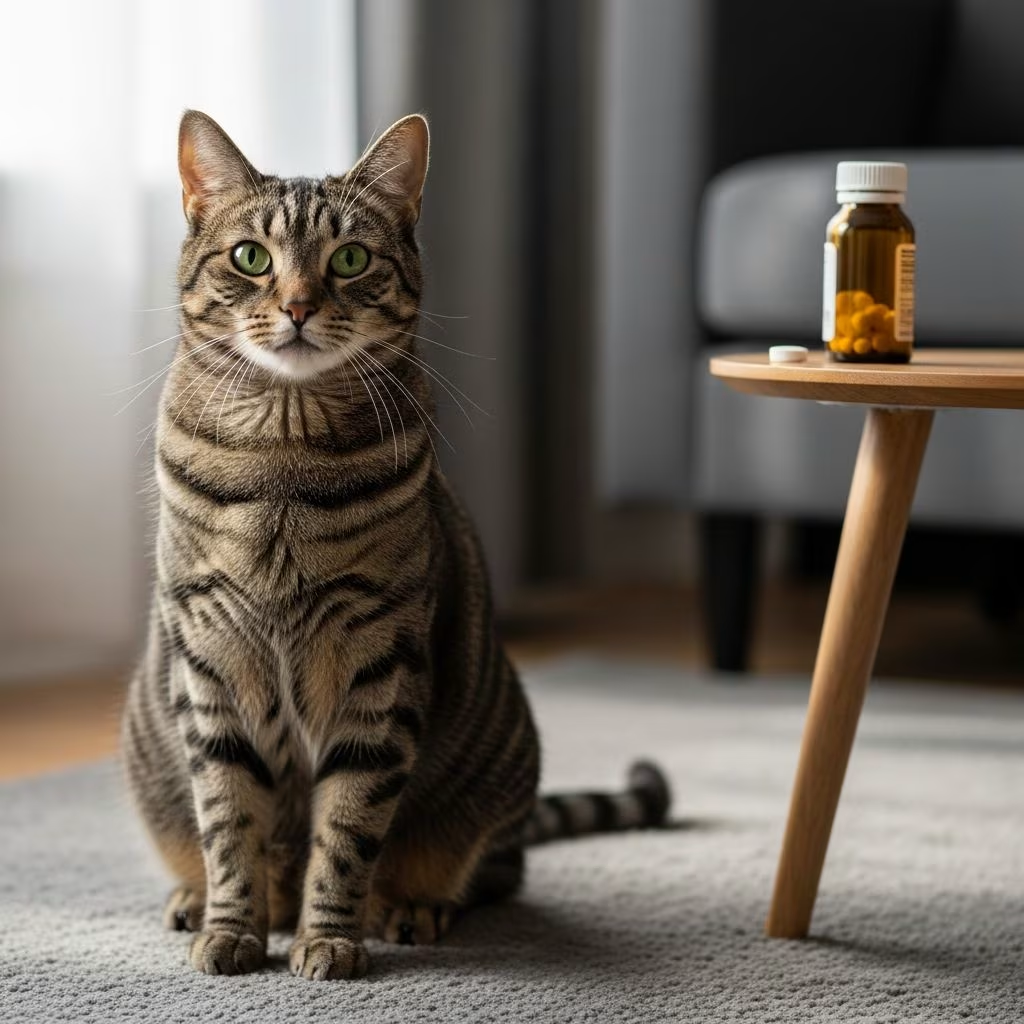
Cat urine spraying presents a common challenge for pet owners, manifesting as vertical urine deposits on walls, furniture, or other surfaces to communicate territory or stress. While distressing, this behavior responds well to targeted interventions, including the anti-anxiety drug buspirone, alongside environmental and behavioral adjustments.
Understanding the Roots of Feline Spraying
Spraying typically arises from territorial instincts, stress, or medical issues rather than litter box avoidance. Intact cats spray more frequently, but neutered ones may do so due to household changes, new pets, or conflicts with outdoor cats visible through windows. Medical evaluations are essential first, as conditions like urinary tract infections or hyperthyroidism can mimic behavioral spraying.
Observe patterns: spraying often occurs near doors or windows signaling intruders. Frequency increases during mating seasons or after moves, underscoring the need for prompt diagnosis to differentiate from horizontal elimination.
Initial Steps: Rule Out Health Concerns
Begin with a veterinary exam to exclude underlying illnesses. Bloodwork, urinalysis, and imaging detect issues like cystitis or kidney disease that provoke spraying. Neutering or spaying reduces spraying by up to 90% in intact cats, making it a foundational step.
- Schedule a full physical including thyroid screening for seniors.
- Confirm no pain-related aversions to litter use.
- Discuss recent stressors like diet changes or new family members.
Environmental Modifications for Success
Altering the home environment minimizes triggers and promotes appropriate elimination. Increase litter boxes—one per cat plus one extra—in quiet, accessible spots. Use unscented, clumping litter; experiment with sizes and materials if preferences shift.
Clean sprayed areas thoroughly with enzymatic cleaners to erase pheromone scents that attract repeat marking. Avoid ammonia products mimicking urine odor. Block visual access to roaming cats via window films or shutters.
| Strategy | Benefits | Implementation Tips |
|---|---|---|
| Extra Litter Boxes | Reduces competition | One per cat +1, varied locations |
| Enzymatic Cleaning | Eliminates pheromones | Apply multiple times, let dry |
| Window Barriers | Cuts territorial stress | Frosted film or curtains |
| Vertical Spaces | Offers security | Cat trees, shelves |
Behavioral Techniques to Discourage Spraying
Positive reinforcement trains cats to use litter boxes consistently. Reward box use with treats or play immediately after. Ignore or distract from spraying attempts without punishment, which heightens anxiety.
Confinement to a litter-rich small area (e.g., bathroom) may be necessary short-term for retraining, expanding access gradually as success builds. Pheromone diffusers like Feliway mimic calming facial scents, reducing marking in studies by up to 74%.
- Diffuse Feliway in problem zones continuously.
- Provide hiding spots and perches to alleviate stress.
- Maintain play routines to burn energy.
Role of Medications in Persistent Cases
When non-drug methods fall short, pharmaceuticals address anxiety driving spraying. Anti-anxiety drugs like SSRIs (fluoxetine at 1 mg/kg daily) and tricyclics (clomipramine at 0.5 mg/kg daily) yield 75-90% reductions, often requiring 4-32 weeks. Side effects are minimal with monitoring, but recurrence post-withdrawal is common, sometimes necessitating lifelong use.
Drug therapy complements behavior plans; standalone use rarely suffices. Veterinary oversight includes baseline bloodwork and follow-ups every 6 months.
Buspirone: A Targeted Anti-Anxiety Option
Buspirone, a serotonin 1A receptor agonist, eases anxiety without sedation common in other drugs. Historically used for feline spraying, it shows promise at 5-7.5 mg per cat twice daily, though less studied recently compared to fluoxetine. It suits cats with mild to moderate stress, promoting relaxation to curb marking impulses.
Owners report success combining buspirone with cleaning and pheromones, noting calmer demeanor within days. Unlike benzodiazepines, it lacks addiction risk, supporting long-term management. Consult vets for dosing, as extra-label use requires monitoring for rare effects like hyperactivity.
Comparing Medication Choices
| Drug | Dose | Onset | Effectiveness | Side Effects |
|---|---|---|---|---|
| Fluoxetine | 1 mg/kg/day | 2-4 weeks | 90% reduction possible | Rare; monitor bloodwork |
| Clomipramine | 0.5 mg/kg/day | 2-4 weeks | 75%+ in 4 weeks | Sedation, appetite loss |
| Buspirone | 5-7.5 mg BID | Days | Variable, anxiety-focused | Minimal, non-sedating |
Fluoxetine excels long-term; clomipramine acts faster; buspirone fits non-drowsy needs. Selection hinges on history and response.
Implementing a Comprehensive Plan
Combine strategies for best outcomes: vet check, clean/enrich environment, apply pheromones, reinforce behaviors, then medicate if needed. Track progress weekly via logs of incidents and box use. Patience is key—full resolution may take months.
Multicat homes demand tension assessment; separate feeding and intros if aggression lurks. Supplements like Zylkene offer mild aid alongside meds.
Monitoring Progress and Adjustments
Log spraying episodes, litter use, and med effects. If no 50% drop in 4 weeks, reassess triggers or switch drugs. Regular vet visits ensure safety, especially long-term.
Success stories abound: cats resuming normalcy post-protocol, with owners noting stronger bonds. Persistence pays off.
Frequently Asked Questions
Will neutering stop spraying entirely?
Up to 90% effective in intact cats, but stressed neutered ones may need additional help.
How quickly does buspirone work?
Often within days for anxiety relief, though full spraying cessation varies.
Can I use cleaners like bleach?
No; opt for enzymatic to neutralize pheromones without urine mimicry.
Is medication safe long-term?
Yes with monitoring; fluoxetine and others show low side effects chronically.
What if spraying persists?
Seek behaviorist referral for tailored plans beyond basics.
References
- Treating feline urine marking – It’s not just a pill (Proceedings) — dvm360. 2023. https://www.dvm360.com/view/treating-feline-urine-marking-its-not-just-pill-proceedings
- Common feline problem behaviors: Urine spraying — PMC (PubMed Central). 2024-09-01. https://pmc.ncbi.nlm.nih.gov/articles/PMC11373755/
- How To Stop a Cat From Spraying — Laurel Veterinary Clinic. 2024. https://laurelpets.com/blog/how-to-stop-a-cat-from-spraying/
- Cat Spraying: Why Cats Do It and How to Stop It — PetMD. 2024. https://www.petmd.com/cat/general-health/cat-spraying-why-cats-do-it-and-how-to-stop-it
- Cat Behavior Problems – Marking and Spraying Behavior — VCA Animal Hospitals. 2024. https://vcahospitals.com/know-your-pet/cat-behavior-problems-marking-and-spraying-behavior
- Feline Behavior Problems: House Soiling — Cornell University College of Veterinary Medicine. 2024. https://www.vet.cornell.edu/departments-centers-and-institutes/cornell-feline-health-center/health-information/feline-health-topics/feline-behavior-problems-house-soiling



