

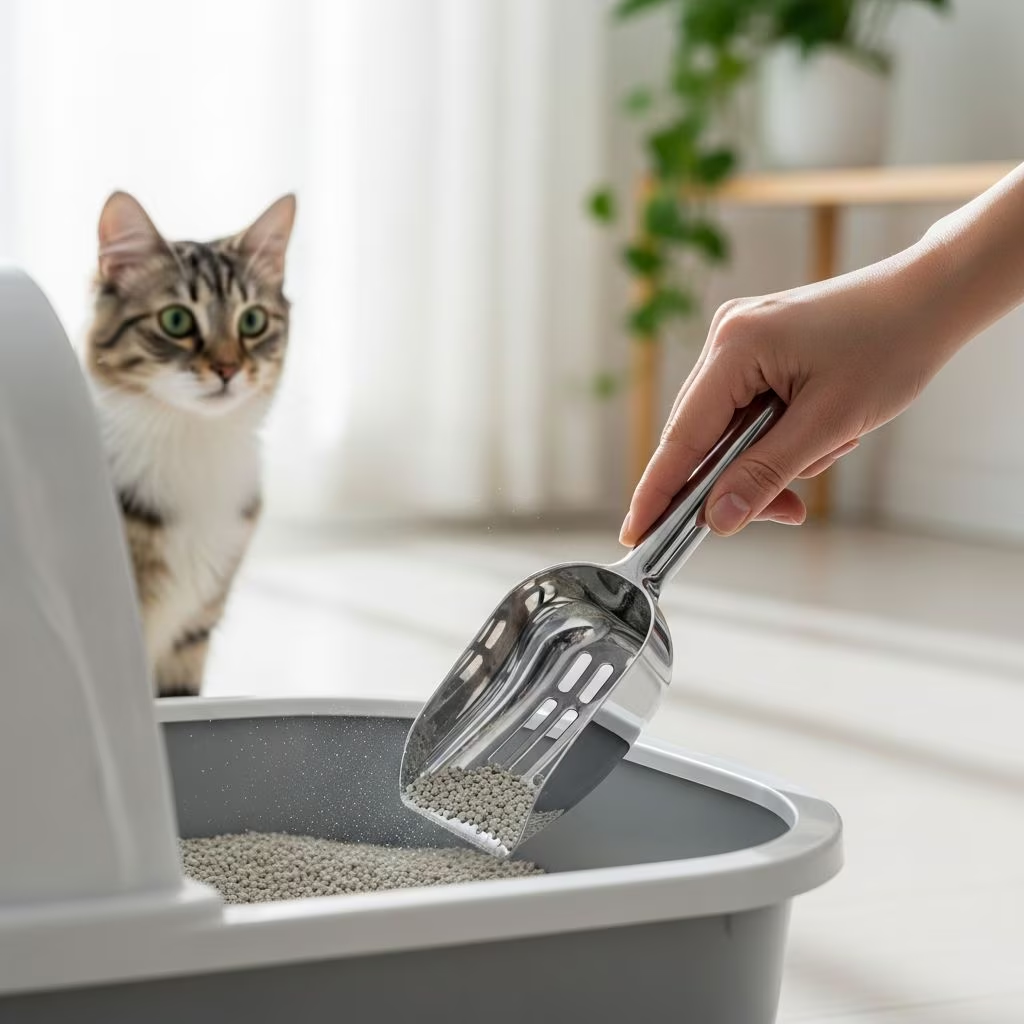
Cat litter dust poses significant challenges for pet owners, contributing to respiratory issues in cats and humans while creating ongoing cleaning hassles. Effective dust management involves selecting appropriate litters, optimizing litter box setups, and adopting consistent maintenance routines to foster a healthier living space.
Health Impacts of Cat Litter Dust
Litter dust can irritate the respiratory systems of both cats and their owners. Fine particles become airborne during digging and scooping, potentially leading to inflammation in airways. Cats, particularly indoor ones, face heightened risks of conditions like asthma due to prolonged exposure in confined areas.
- Dust inhalation triggers coughing, wheezing, and long-term lung sensitivity in sensitive felines.
- Human family members with allergies or asthma may experience exacerbated symptoms from settling particles on surfaces.
- Reducing dust exposure supports overall pet wellness and minimizes veterinary interventions for breathing difficulties.
Transitioning to low-dust formulations markedly improves air quality, as evidenced by products engineered with minimal particulate emission.
Understanding Sources of Litter Dust
Dust arises primarily from clay-based litters, where fine silica particles break off during use. Traditional clumping varieties often contain high dust levels, dispersing into the air and adhering to paws for widespread tracking. Natural alternatives like corn or crystal-based options generate far less airborne matter due to their composition and granule structure.
| Litter Type | Dust Level | Key Characteristics |
|---|---|---|
| Clay Clumping | High | Fine particles, strong tracking |
| Corn-Based | Low (99% dust-free) | Larger granules, natural clumping |
| Silica Crystal | Very Low | Minimal mess, odor absorption |
| Wood Pellets | Low | Biodegradable, reduced scatter |
This comparison highlights how material choice directly influences dust output, with larger, heavier granules staying contained within the box.
Top Low-Dust Litter Recommendations
Opt for litters specifically designed with dust control in mind. Corn-derived formulas stand out for their 99.9% dust-free claims, featuring oversized granules that resist airborne dispersion. These options provide quick clumping, superior odor neutralization, and environmental benefits without synthetic additives.
- Corn Granule Litters: Made from whole-kernel sources, they offer extended longevity—up to 30+ days for one cat—and septic safety.
- Crystal Silica Variants: Produce negligible dust, easing cleanup and reducing paw tracking across floors.
- Pellet-Style Naturals: Heavier particles minimize scatter, ideal for multi-cat households.
These selections not only curb dust but also enhance user convenience through lightweight packaging and flushable properties in approved cases.
Strategies to Minimize Litter Tracking
Tracking occurs when litter clings to paws, spreading dust throughout the home. Counter this with granule size prioritization—heavier, larger particles fall off more readily. Complement litter choice with practical accessories like entry mats and enclosed boxes to trap escapees.
- Position high-sided or hooded litter boxes to contain vigorous digging.
- Place scatter-catching mats with honeycomb designs directly outside the box entrance.
- Maintain 2-3 inches of litter depth to prevent excessive granule displacement.
Regular sweeping around the area prevents accumulation, while robot vacuums handle fine particles efficiently, though warranty considerations apply for litter use.
Optimizing Litter Box Placement and Maintenance
Strategic placement reduces dust spread: situate boxes in quiet, accessible spots away from food zones, ideally with ventilation. One box per cat plus an extra prevents overuse and mess amplification in multi-pet homes.
Daily scooping removes clumps before dust intensifies, paired with weekly full changes for peak freshness. During transitions to new litters, introduce gradually: start with one-third new product mixed in, increasing over days to avoid rejection.
Daily Routine Checklist
- Scoop solid waste immediately after use.
- Stir litter to distribute evenly and expose odors.
- Wipe box interiors with pet-safe disinfectants bi-weekly.
- Monitor for signs of dust buildup on nearby surfaces.
Environmental and Safety Considerations
Low-dust litters often derive from renewable sources like U.S.-grown corn, avoiding clay mining’s ecological footprint. Free of chemicals, perfumes, and silica, they prioritize pet, human, and planetary safety. Flushable variants support septic systems when third-party verified, reducing landfill contributions.
For households with respiratory concerns, air purifiers targeting fine particulates further safeguard indoor air, complementing litter improvements.
Common Challenges and Solutions
Multi-cat setups amplify dust issues; larger granule litters excel here, lasting 10-18 days depending on household size. Picky cats may resist changes—patience with gradual mixing resolves most cases. Persistent tracking signals box size inadequacies; upgrade to spacious models accommodating natural behaviors.
| Household Size | Expected Duration (Corn Low-Dust) |
|---|---|
| 1 Cat | 30+ Days |
| 2 Cats | 15+ Days |
| 3 Cats | 10+ Days |
Frequently Asked Questions (FAQs)
What makes a litter truly dust-free?
Litters claiming 99%+ dust-free status use engineered granules minimizing fine particle release, verified through lab testing.
Can low-dust litters control odors effectively?
Yes, natural absorbents in corn and crystal formulas neutralize smells without additives, outperforming traditional clays in longevity.
Are these litters safe for kittens or seniors?
Absolutely—chemical-free compositions suit all ages, with soft textures available for tender paws.
How do I transition my cat without stress?
Mix incrementally over 1-2 weeks, ensuring ample boxes and positive reinforcement.
Is flushable low-dust litter reliable for plumbing?
Opt for third-party tested products; small quantities per flush prevent clogs.
Implementing these dust management practices transforms litter routines, yielding cleaner homes and healthier cats. Consistent application of low-dust products and smart setups yields lasting results.
References
- Low Tracking & Dust Control Cat Litter — World’s Best Cat Litter. 2023. https://www.worldsbestcatlitter.com/low-tracking-dust-control-litter/
- World’s Best Cat Litter Low Tracking & Dust Control — Only Natural Pet. 2023. https://www.onlynaturalpet.com/products/worlds-best-cat-litter-low-tracking-dust-control
- The Benefits of Dust-Free Cat Litter — PrettyLitter Blog. 2024-01-15. https://www.prettylitter.com/blog/the-benefits-of-dust-free-cat-litter
- Cat Litter Everywhere? How to Stop Litter Tracking & Scatter — YouTube (Jackson Galaxy). 2023-05-10. https://www.youtube.com/watch?v=SexBOMcKyFw



