

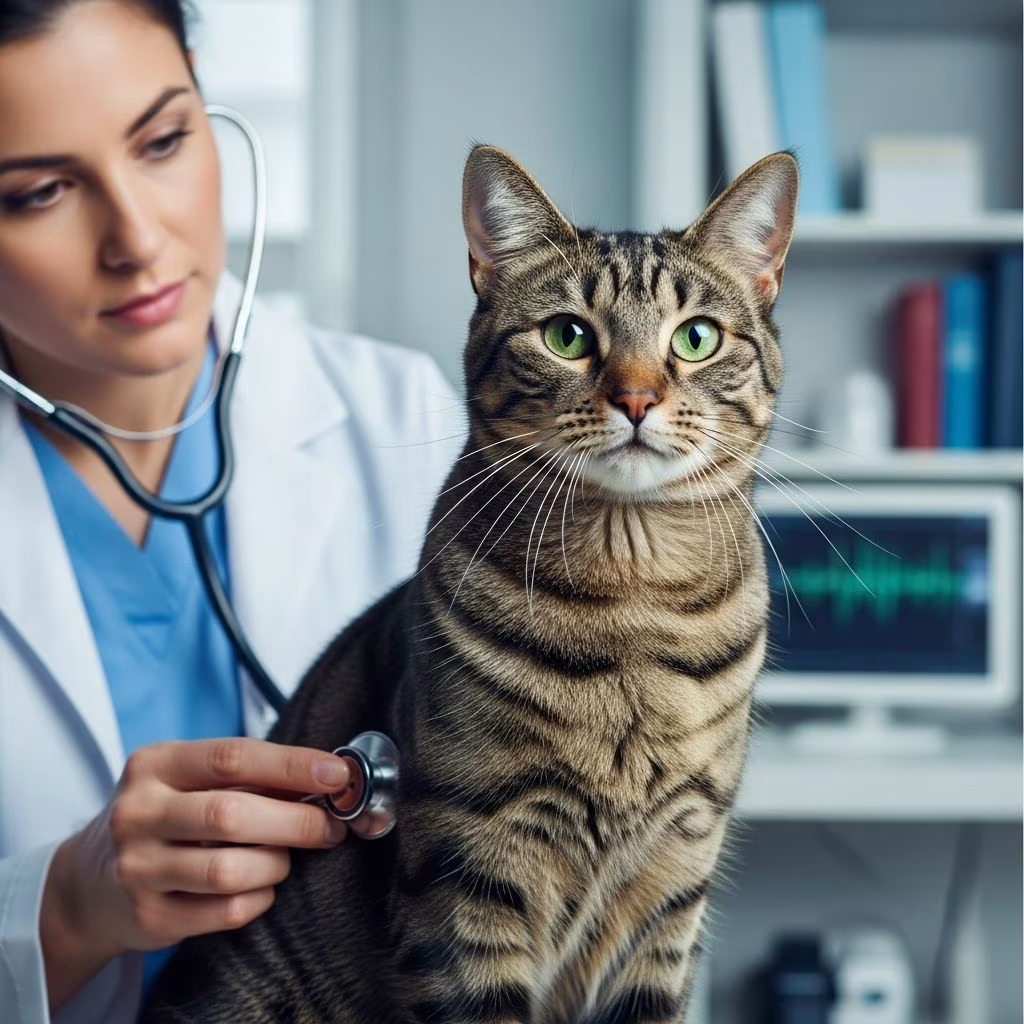
Cardiovascular diseases affect many cats, often silently until advanced stages. Early detection and tailored treatment can significantly extend life and maintain comfort. This article details approaches to handling these conditions, from drug therapies to supportive care.
Understanding Feline Cardiac Issues
Heart problems in cats primarily involve conditions like hypertrophic cardiomyopathy (HCM), where the heart muscle thickens abnormally, and dilated cardiomyopathy, though rarer now due to improved nutrition. These lead to inefficient pumping, fluid buildup, irregular rhythms, or clot risks. Symptoms may include lethargy, rapid breathing, or sudden weakness from clots.
Cats often hide illness, making regular vet checkups vital, especially for breeds like Maine Coons or Ragdolls prone to HCM. Diagnosis uses echocardiography, X-rays, and blood tests to assess heart function and rule out secondary causes like hyperthyroidism.
Core Principles of Treatment
Treatment targets symptom relief and disease progression halt. Goals include reducing heart workload, eliminating excess fluids, stabilizing rhythms, preventing clots, and ensuring oxygenation. Therapy varies by condition stage: asymptomatic cats may need monitoring, while those in failure require immediate intervention.
- Minimize myocardial stress: Drugs ease pumping demands.
- Control congestion: Diuretics clear lung and body fluids.
- Regulate rhythm: Medications normalize heart rate.
- Prevent thrombosis: Anticoagulants reduce clot risks.
- Support oxygenation: Oxygen therapy in crises.
Pharmacological Interventions
Medications form the treatment backbone, customized by a veterinarian. Precise dosing is crucial to avoid complications.
Diuretics for Fluid Management
Diuretics like furosemide increase urine production, alleviating pulmonary edema and ascites. Furosemide acts quickly in emergencies, often via injection, transitioning to oral for maintenance. Spironolactone complements by conserving potassium. Monitoring prevents dehydration or electrolyte imbalances; regular bloodwork guides adjustments.
ACE Inhibitors and Vasodilators
Angiotensin-converting enzyme (ACE) inhibitors such as benazepril or enalapril lower blood pressure, dilate vessels, and reduce heart strain. They improve survival in heart failure cases. Amlodipine relaxes arteries for hypertension control, common in renal-linked cardiac issues.
Positive Inotropes and Rate Controllers
Pimobendan enhances contractions without speeding rate, beneficial in some cardiomyopathies. Beta-blockers (atenolol) or calcium channel blockers (diltiazem) manage tachycardia or arrhythmias, slowing conduction to prevent inefficient filling.
Antithrombotics
Cats risk aortic thromboembolism (ATE) from clots. Clopidogrel inhibits platelet aggregation, reducing recurrence. Aspirin was used historically but is less favored now due to inefficacy in felines.
| Drug Class | Examples | Primary Use |
|---|---|---|
| Diuretics | Furosemide, Spironolactone | Fluid removal |
| ACE Inhibitors | Benazepril, Enalapril | Reduce workload, BP control |
| Vasodilators | Amlodipine | Hypertension |
| Inotropes | Pimobendan | Improve contractility |
| Antiarrhythmics | Atenolol, Diltiazem | Rate/rhythm control |
| Antithrombotics | Clopidogrel | Clot prevention |
Emergency and Hospital-Based Care
Acute heart failure demands hospitalization. Oxygen cages stabilize breathing, thoracocentesis drains pleural fluid, and abdominocentesis handles abdominal effusion. IV diuretics and vasodilators provide rapid relief, with monitoring for kidney function.
Post-crisis, owners learn home monitoring: track respiratory rate (normal <30/min at rest), weight, and appetite. Sudden changes warrant immediate vet visits.
Nutritional and Lifestyle Modifications
Diet impacts cardiac health. Low-sodium formulas reduce fluid retention; prescription cardiac diets optimize taurine, omega-3s, and antioxidants. Taurine deficiency, once common, is rare in commercial foods but supplements aid if deficient.
- Feed measured portions to maintain ideal weight.
- Limit stress: quiet environments, pheromone diffusers.
- Restrict exercise during decompensation.
- Ensure hydration, especially on diuretics.
Advanced and Emerging Therapies
Surgery suits congenital defects like septal defects, though uncommon. Balloon valvuloplasty addresses valve stenoses. For HCM, rapamycin shows promise in trials, slowing hypertrophy without curing. Ongoing studies explore gene therapies for genetic forms.
Parasite control prevents heartworm disease, using preventives like ivermectin-based products.
Monitoring and Long-Term Prognosis
Regular echocardiography tracks remodeling, X-rays assess congestion, and NT-proBNP blood tests gauge stress. Adjust therapies based on response; stage C (failure) cats can live months to years with good management, stage D is terminal.
Owners face challenges like multiple daily doses—pilling techniques and treat-masking help. Quality of life assessments guide euthanasia discussions.
Frequently Asked Questions (FAQs)
Can heart disease in cats be cured?
No, most are managed lifelong, but symptoms control improves life quality.
What are early signs of cat heart problems?
Lethargy, coughing, rapid breathing, or hindlimb weakness from clots.
How often should I medicate my cat?
Typically 1-3 times daily; follow vet schedules precisely.
Is diet change enough for mild cases?
Helpful for prevention or early stages, but meds often needed.
What if my cat refuses medication?
Consult vet for alternatives like transdermal gels or compounding.
Owner Responsibilities and Support
Success hinges on compliance. Track meds in logs, attend rechecks, and join support groups. Cardiologist referrals optimize complex cases. Early intervention transforms prognosis from weeks to years.
References
- Treatment of Cardiovascular Disease in Cats — Merck Veterinary Manual. 2023. https://www.merckvetmanual.com/cat-owners/heart-and-blood-vessel-disorders-of-cats/treatment-of-cardiovascular-disease-in-cats
- Heart Disease in Cats – Types, Symptoms & Treatments — Carolina Veterinary Specialists. 2021-07-15. https://www.matthews.carolinavet.com/site/pet-health-blog/2021/07/15/heart-disease-cats-types-symptoms-treatments
- Hypertrophic Cardiomyopathy — Cornell University College of Veterinary Medicine. 2023. https://www.vet.cornell.edu/departments-centers-and-institutes/cornell-feline-health-center/health-information/feline-health-topics/hypertrophic-cardiomyopathy
- Congestive Heart Failure in Cats — Paws at Peace. 2023. https://pawsatpeace.com/congestive-heart-failure-cats/
- Cat and Dog Heart Diseases And Their Treatment — Long Beach Animal Hospital. 2023. https://lbah.com/feline/heart-diseases-and-their-treatment/
- Cat Heart Disease — CVCA Cardiac Care for Pets. 2023. https://www.cvcavets.com/blog/cat-heart-disease
- The Feline Cardiomyopathies: 1. General concepts — PMC (PubMed Central). 2021-12-20. https://pmc.ncbi.nlm.nih.gov/articles/PMC8723176/



