

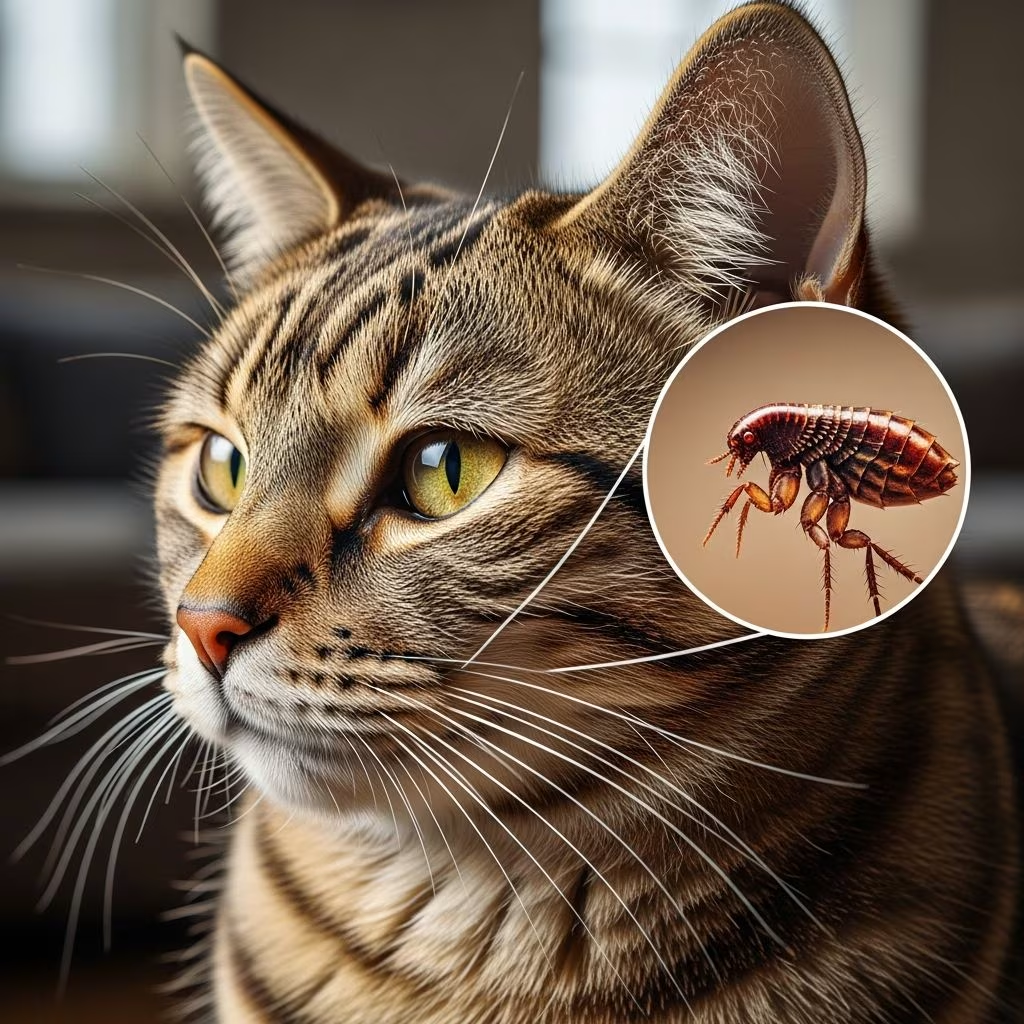
Washington State’s temperate climate fosters persistent flea populations, posing ongoing risks to cats even indoors. Proactive measures combining veterinary preventatives, vigilant inspections, and environmental sanitation are crucial for control.
Why Fleas Thrive in the Evergreen State
The Pacific Northwest’s frequent rainfall and moderate temperatures create ideal conditions for flea proliferation. Unlike colder regions where winter freezes populations, Washington’s mild winters allow fleas to persist year-round, with peaks from spring through fall.
- Humidity and warmth: Fleas require 70-95% relative humidity and temperatures above 70°F for optimal breeding, conditions common in western Washington during wet seasons.
- Mild winters: Rare deep freezes mean eggs, larvae, and adults survive, infesting homes via wildlife or strays.
- Urban-rural overlap: Proximity to forests and fields introduces fleas from rodents and deer, amplifying risks for outdoor cats.
Indoor cats face exposure through open windows, shared spaces with dogs, or human-transported fleas, necessitating constant vigilance.
Recognizing Flea Presence on Your Cat
Early detection prevents infestations. Fleas are tiny (1/8 inch), fast-moving, and reddish-brown, often hiding in fur.
| Sign | Description | Action |
|---|---|---|
| **Itching and Scratching** | Intense grooming, especially at base of tail, hindquarters, and neck. | Part fur to inspect skin. |
| **Flea Dirt** | Black specks (digested blood) that turn red in water. | Use flea comb; confirm with wet paper test. |
| **Hair Loss (Alopecia)** | Bald patches from over-grooming, often with red, inflamed skin. | Consult vet for allergies or secondary infections. |
| **Live Fleas or Eggs** | Visible adults jumping; white rice-like eggs in bedding. | Comb daily and isolate pet. |
| **Tapeworm Segments** | Rice-like pieces near anus; fleas transmit tapeworms. | De-worm and treat fleas. |
Regular combing with a fine-toothed flea comb detects issues early, removing adults mechanically.
Health Risks Linked to Fleas in Cats
Beyond irritation, fleas transmit serious diseases. In Washington, cat scratch disease and plague are concerns, though human cases are rare.
- Bartonellosis (Cat Scratch Disease): Fleas carry bacteria; infected cats spread via scratches or licks. Prevent with flea control.
- Plague (Yersinia pestis): Found in wildlife statewide; fleas vector to cats and rarely humans. Antibiotics treat it.
- Flea Allergy Dermatitis (FAD): Hypersensitivity causes severe itching; even one flea triggers symptoms.
- Anemia: Heavy infestations in kittens lead to pale gums, weakness.
Year-round prevention reduces these risks, protecting cats and households.
Veterinary-Recommended Prevention Strategies
Consult a vet for tailored products; avoid OTC options due to safety and efficacy issues.
- Topical Spot-Ons: Applied monthly to skin; kill adults and break life cycle (e.g., fipronil, imidacloprid).
- Oral Preventatives: Pills disrupt flea reproduction; safe for kittens over 8 weeks.
- Systemic Options: Insect growth regulators (IGRs) like lufenuron prevent larval development.
- Collars: Some with permethrin or tetrachlorvinphos; vet-approved only.
Year-round use is advised due to climate; treat all household pets simultaneously.
Pro Tips for Success
- Start kittens on preventatives early.
- Combine with heartworm and de-worming for broad protection.
- Monitor weight/age-specific dosing to avoid toxicity.
Environmental Control: Keeping Fleas Out of Your Home
Pets host only 5% of fleas; 95% reside in the environment as eggs/larvae. Integrated pest management (IPM) is key.
Indoor Cleaning Protocols
- Vacuum daily: Carpets, furniture, baseboards—dispose bag immediately.
- Wash bedding/hot water weekly for 2-3 weeks to kill eggs.
- Steam clean carpets/upholstery; targets larvae.
- Apply IGR sprays to infested areas post-vacuuming; re-vacuum after drying.
Concentrate on pet resting spots; vacuuming alone kills 95% larvae and stimulates pupae to emerge.
Outdoor Yard Maintenance
- Mow grass short; rake leaves/debris.
- Trim vegetation near house; reduce shade for wildlife.
- Treat shaded pet areas with pet-safe IGRs; avoid broad yard sprays.
- Seal home entry points: screens, doors, foundations.
Professional pest control for persistent issues; they identify local flea strains.
Step-by-Step Flea Removal Process
Address pet and home concurrently for eradication.
- Day 1: Pet Treatment Bathe if tolerated (mild soap), comb fleas into soapy water, apply vet preventative.
- Days 1-3: Deep Clean Vacuum/steam everywhere; launder fabrics.
- Week 1: Monitor & Re-Treat Comb daily, vacuum 2x/day, second preventative dose if needed.
- Weeks 2-4: Maintenance Weekly cleans, ongoing preventatives.
- Ongoing: Monthly vet products, bi-weekly bedding washes.
Expect re-emergence for 2 weeks from pupae; persistence pays off.
Special Considerations for Washington Cat Owners
Western areas (Seattle, Olympia) see higher humidity-driven infestations; eastern drier zones have seasonal peaks.
- Multi-pet Homes: Treat all animals; isolate during initial treatment.
- Apartments/Condos: Coordinate with neighbors; fleas travel via vents/shared walls.
- Outdoor Access: Limit roaming; use enclosed patios.
- Seniors/Kittens: Extra caution; anemia risks higher.
Vets like VCA note ticks alongside fleas, suggesting combo preventatives.
Frequently Asked Questions (FAQs)
Are fleas a year-round issue in Washington?
Yes, mild winters prevent die-off; use preventatives continuously.
Can indoor cats get fleas?
Absolutely—via owners’ shoes, other pets, or vents.
What if OTC flea products don’t work?
Seek vet prescriptions; resistance is common, and wrong dosing risks health.
How long until fleas are gone after treatment?
2-4 weeks with full protocol; pupae delay results.
Do natural remedies repel fleas?
Limited evidence; brewer’s yeast, ultrasonics ineffective. Rely on proven vet products.
Long-Term Flea Management Plan
Sustainable control blends prevention, monitoring, and response:
- Monthly vet check-ups for product updates.
- Seasonal yard audits.
- Educate household on hygiene.
- Track via flea comb logs.
Washington’s climate demands diligence, but these steps ensure flea-free felines.
References
- Fleas – King County, Washington — King County Department of Health. 2023. https://kingcounty.gov/en/dept/dph/health-safety/disease-illness/zoonotic-diseases/diseases-by-animal/fleas
- Fleas and Ticks on Cats in the Pacific Northwest — Catster. 2023. https://www.catster.com/cat-health-care/fleas-in-washington-state/
- Fleas / Home and Landscape — UC Statewide IPM Program, University of California Agriculture and Natural Resources. 2024-01-15. https://ipm.ucanr.edu/home-and-landscape/fleas/
- Flea and Tick Control Services — VCA Animal Hospitals. 2024. https://vcahospitals.com/central-kitsap/services/preventive-care/flea-and-tick-control
- Parasite Control — Wilderness Animal Hospital. 2023. https://wildernessvet.com/service/parasite-control/



