Managing Cat Bleeding Emergencies: A Comprehensive Guide
Essential guide to identifying, stopping, and preventing bleeding in cats from minor cuts to serious internal issues.
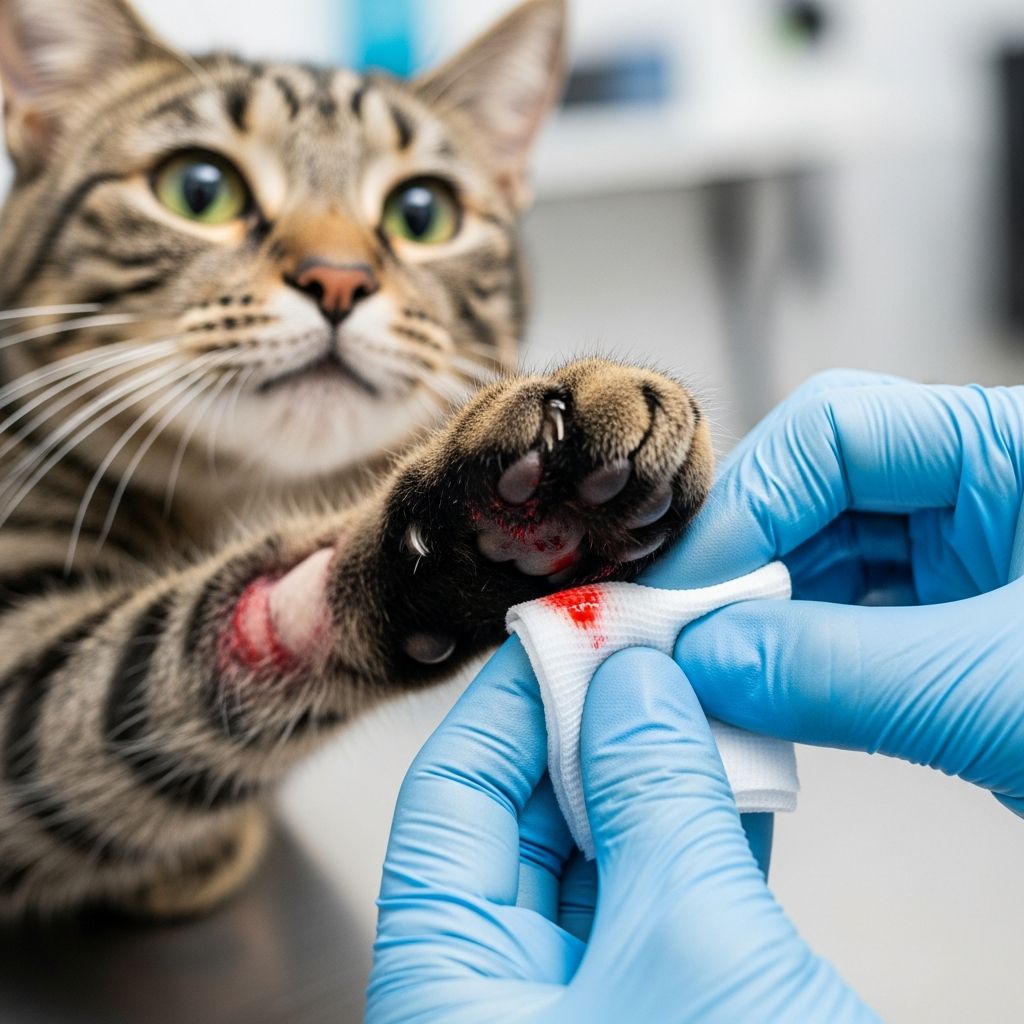
Managing Cat Bleeding Emergencies
Bleeding in cats can range from minor surface scratches to life-threatening internal hemorrhages, requiring quick assessment and action to protect your pet’s health. Understanding the source and severity helps determine if home care suffices or if professional veterinary intervention is essential.
Recognizing Different Types of Bleeding in Cats
Cats may bleed from various body areas, each signaling unique underlying problems. Prompt identification is crucial for effective response.
- Skin and External Wounds: Often from fights, falls, or scratches, these appear as visible cuts or punctures. Bites are common culprits due to cats’ territorial nature.
- Oral Bleeding: Blood in saliva or gums typically stems from dental infections, ulcers, or trauma. Severe cases link to gingivitis or stomatitis.
- Urinary Tract Bleeding: Pink or red urine indicates issues like infections, stones, or inflammation, especially urgent in males prone to blockages.
- Nasal Bleeding: From nosebleeds caused by trauma, infections, or tumors; often noticed during sneezing.
- Vomiting Blood: Suggests gastrointestinal problems, swallowed foreign objects, or clotting defects.
- Internal Bleeding: Harder to spot, manifesting as pale gums, weakness, or abdominal swelling from trauma or toxins.
Immediate First Aid for External Bleeding
For superficial wounds, act swiftly to minimize blood loss and prevent infection. Always wear gloves to avoid scratches.
- Apply Direct Pressure: Use a clean cloth or gauze to press firmly on the wound for 5-10 minutes. Elevate the area if possible.
- Clean Gently: Rinse with warm soapy water once bleeding slows; avoid hydrogen peroxide as it damages tissue.
- Bandage Securely: Wrap with non-stick gauze and vet wrap, checking circulation every 15 minutes. For broken nails, use styptic powder.
- Monitor Closely: If bleeding persists beyond 10 minutes or restarts easily, seek vet care immediately.
| Wound Type | First Aid Tool | Expected Stop Time |
|---|---|---|
| Minor Scratch | Clean Cloth | 3-5 minutes |
| Bite Wound | Gauze + Pressure | 5-10 minutes |
| Broken Nail | Styptic Powder | Immediate |
Urinary Bleeding: A Common and Critical Concern
Blood in urine, or hematuria, affects many cats, often from feline lower urinary tract disease (FLUTD), infections, or stones. Stress and dehydration exacerbate risks.
Key Causes:
- Bladder inflammation (cystitis), triggered by stress in indoor cats.
- Urinary tract infections (UTIs), requiring antibiotics.
- Stones (uroliths) like calcium oxalate or struvite, causing blockages.
- Rarely, tumors or trauma.
Emergency Signs: Straining without urine output demands immediate vet attention, as blockages can be fatal within 24-48 hours, especially in males.
Oral and Nasal Bleeding Issues
Mouth bleeding frequently arises from periodontal disease, where plaque buildup leads to gingivitis or stomatitis. Testing for FeLV/FIV is advised.
Nosebleeds (epistaxis) may result from upper respiratory infections, injuries, or nasal tumors. Keep the cat calm and head elevated while heading to the vet.
Clotting Disorders and Internal Breeds
Hemophilia A (Factor VIII deficiency) causes prolonged bleeding post-injury, treated with plasma transfusions. Von Willebrand’s disease involves deficient clotting proteins, managed similarly.
Internal bleeds from trauma or rodenticides show as bruising, dark stools, or collapse. Vitamin K counters anticoagulant poisons.
Veterinary Diagnosis and Treatment Approaches
Vets use urinalysis, blood tests, imaging, and cultures to pinpoint causes.
- Medications: Anti-inflammatories, pain relief, antibiotics for infections.
- Fluid Therapy: IV hydration dissolves crystals and supports kidneys.
- Surgery: Stone removal or urethrostomy for recurrent blockages.
- Transfusions: For clotting disorders or severe anemia.
Prevention Strategies for a Healthier Cat
Proactive steps reduce bleeding risks significantly.
- Diet and Hydration: Wet food and fountains encourage drinking, preventing stones.
- Stress Reduction: Enrichment toys, stable routines, separate spaces.
- Dental Care: Brush teeth, annual cleanings.
- Indoor Living: Limits trauma and infections.
- Supplements: Glucosamine for bladder lining, omega-3s for inflammation.
When to Rush to the Vet
Not all bleeding needs emergency care, but these warrant it:
- No urine despite straining.
- Heavy, unstoppable external bleeding.
- Pale gums, lethargy, rapid breathing.
- Blood in vomit, stool, or multiple sites.
- Known toxin exposure.
FAQs on Cat Bleeding
Is blood in cat urine always an emergency?
Not always, but if straining or no urine passes, treat as urgent—blockages kill quickly.
How do I stop a cat’s nosebleed at home?
Keep calm, apply cold compress gently; vet evaluation needed for cause.
Can diet prevent urinary bleeding?
Yes, wet prescription diets reduce stone formation and support hydration.
What if my cat has bleeding gums?
Likely dental disease; professional cleaning and FeLV/FIV tests recommended.
Are clotting disorders common in cats?
Rare, but inherited like hemophilia require transfusions for management.
Long-Term Monitoring After Bleeding Episodes
Post-treatment, watch for recurrence with dipsticks for urine blood, weight checks, and behavior logs. Annual exams catch issues early.
References
- Cat Bleeding When Urinating: Causes and Treatment — Veteris. 2023. https://veteris.co.uk/petcare-advice/cat-bleeding-when-urinating-causes-and-treatment
- How to Stop Your Cat from Bleeding — PetPlace.com. 2023. https://www.petplace.com/article/cats/keeping-your-cat-healthy/how-to-stop-your-cat-bleeding
- Bleeding Disorders of Cats — Merck Veterinary Manual. 2025-01-01. https://www.merckvetmanual.com/cat-owners/blood-disorders-of-cats/bleeding-disorders-of-cats
- Cat Bleeding From Mouth: Causes, Treatment, & Prevention — Cats.com. 2023. https://cats.com/cat-bleeding-from-mouth
- Bleeding Disorder in Cats — PetMD. 2023. https://www.petmd.com/cat/conditions/cardiovascular/c_ct_von_willebrand_disease
- Cat Peeing Blood: How to Tell If It’s an Emergency — GSVS. 2023. https://gsvs.org/blog/cat-peeing-blood-emergency/
- First Aid for Bleeding Cats — VCA Animal Hospitals. 2023. https://vcahospitals.com/know-your-pet/first-aid-for-bleeding-cats
Similar Articles







Read full bio of medha deb