

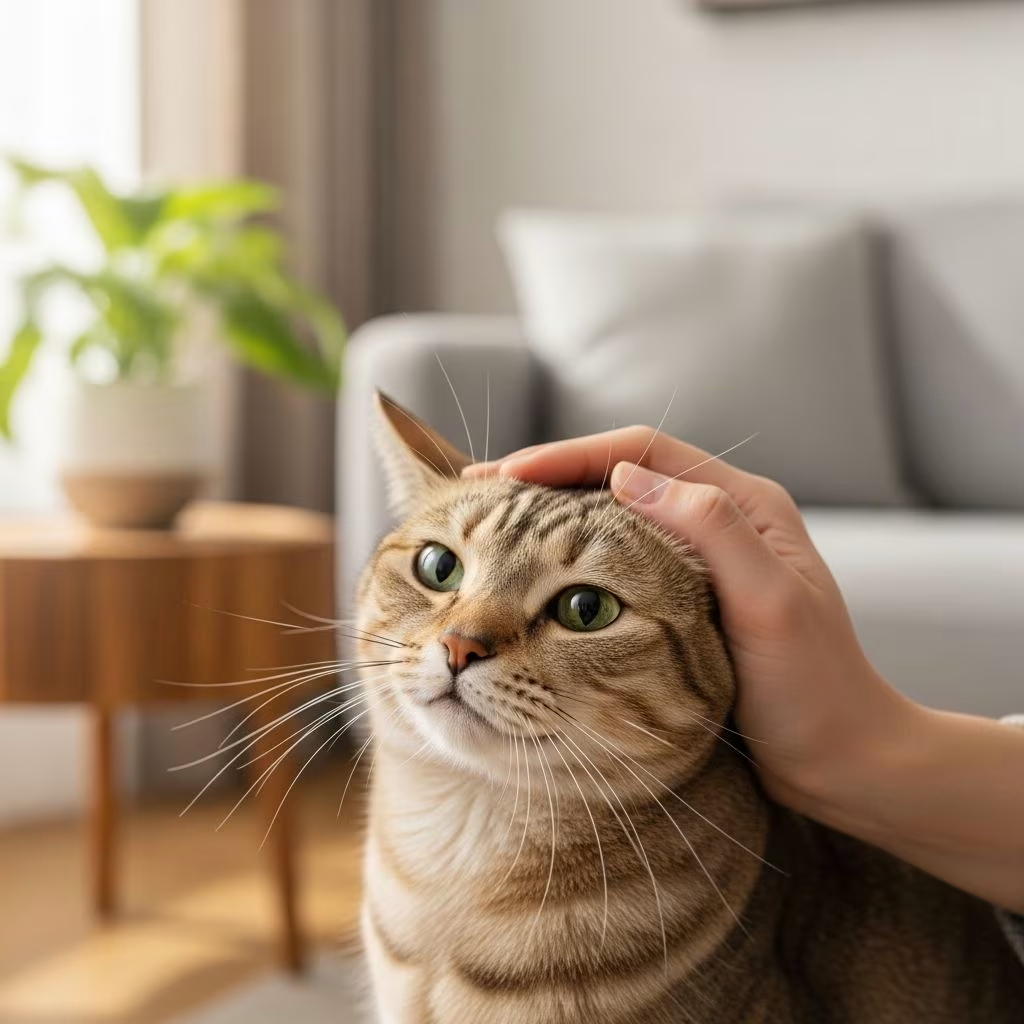
Cat allergies affect millions, causing sneezing, itchy eyes, and breathing difficulties, yet many refuse to part with their beloved pets. This guide explores practical ways to reduce exposure to allergens like Fel d 1 protein in cat saliva, dander, and urine while maintaining a harmonious home.
Understanding the Science Behind Cat Allergies
Allergies to cats stem from an immune overreaction to proteins primarily produced in salivary glands and skin glands. When cats groom, these proteins dry on fur and flake off as dander, becoming airborne and sticking to surfaces. Unlike common belief, it’s not fur itself but these microscopic particles that trigger reactions. Studies show allergens can linger in homes for months, even without a cat present.
Symptoms vary: nasal congestion, watery eyes, skin rashes, or asthma exacerbation. Children and adults alike experience these, with severity depending on exposure levels and individual sensitivity.
Key Symptoms to Recognize Early
- Nasal issues: Runny or stuffy nose, frequent sneezing.
- Eye irritation: Redness, itching, excessive tearing.
- Skin reactions: Hives, eczema flare-ups from contact.
- Respiratory distress: Coughing, wheezing, shortness of breath in severe cases.
Early identification prevents escalation. Track symptoms post-cat interaction to confirm the trigger.
Environmental Controls for Allergy Reduction
Minimizing allergen spread starts at home. Create low-exposure zones and routine cleaning protocols.
| Strategy | Benefits | Implementation Tips |
|---|---|---|
| Pet-free bedroom | Reduces nighttime exposure by 80-90% | Close door; use door sweeps. |
| Weekly cat bathing | Cuts airborne allergens up to 84% | Use pet-safe shampoo; enlist non-allergic help. |
| HEPA air purifiers | Filters dander effectively | Run continuously in key rooms. |
| Frequent vacuuming | Removes settled particles | HEPA-filter vacuums; wear mask if sensitive. |
Replace carpets with hard floors and minimize upholstery. Wash hands post-contact and avoid face-touching. Spay or neuter cats to lower Fel d 1 production.
Pharmacological Options for Symptom Relief
Medications provide quick relief when avoidance falls short.
- Antihistamines: OTC options like loratadine block histamine, easing sneezing and itching. Take daily for prevention.
- Nasal corticosteroids: Sprays reduce inflammation; prescription-strength for better control.
- Eye drops: Antihistamine formulas soothe ocular symptoms.
- Bronchodilators: For asthma-like responses, inhaled versions open airways.
Consult a physician before combining treatments. Long-term use requires monitoring.
Advanced Therapy: Immunotherapy Explained
For persistent cases, allergen immunotherapy (AIT) desensitizes the immune system. Administered as shots or sublingual drops/tablets, it builds tolerance over 3-5 years.
Shots: Weekly injections escalating doses, then monthly maintenance.
Sublingual: Home-administered, fewer side effects, ideal for needle-phobes.
Effectiveness: Up to 80% symptom reduction long-term. Requires allergist oversight.
Caring for Cats with Skin Allergies
Cats can suffer allergies too, often to fleas, food, or environment, causing itching and infections. Symptoms mimic human ones: hair loss, red skin.
- Flea control: Strict monthly preventives; treat environment.
- Food trials: 12-week hypoallergenic diet test.
- Medications: Steroids, Atopica for itch; antibiotics for secondary infections.
- Supplements: Omega-3 oils bolster skin barrier, reducing flares.
ASIT works for feline environmental allergies. Prevention: Monitor pollen, limit licking.
Daily Habits for Long-Term Success
- Wash bedding weekly in hot water.
- Brush cats outdoors weekly.
- Use allergen-reducing wipes on fur.
- Monitor indoor humidity to deter mites.
- Schedule annual vet checks for cat health.
These habits compound, significantly lowering allergen loads.
FAQ
Can I ever be cured of cat allergies?
No full cure exists, but immunotherapy offers lasting relief for many.
Is bathing my cat helpful?
Yes, weekly baths reduce dander by up to 84%; use gentle products.
What if OTC meds fail?
See an allergist for prescriptions or AIT evaluation.
Do hypoallergenic cats exist?
No breed is truly hypoallergenic; all produce Fel d 1, though levels vary.
How to test for cat allergy?
Skin prick or blood tests confirm sensitivity.
Holistic and Supportive Measures
Omega-3 supplements aid skin health in both humans and cats. Cool baths or oatmeal soaks calm irritation naturally, though not curative. Maintain strict flea protocols and use recovery suits to prevent scratching.
Word count: 1678 (excluding metadata and references).
References
- Tips for Relief from Cat-Related Allergies — ENT of Georgia. 2023. https://www.entofga.com/tips-for-relief-from-cat-allergies/
- Cat Skin Allergies: Types, Symptoms, and How Vets Treat Them — PetMD. 2024. https://www.petmd.com/cat/conditions/skin/cat-skin-allergies-types-symptoms-and-how-vets-treat-them
- Pets, Dog and Cat Allergies | Symptoms & Treatment — American College of Allergy, Asthma & Immunology (ACAAI). 2024. https://acaai.org/allergies/allergic-conditions/pet-allergies/
- Allergic to your cat? Easy tips to prevent and control your allergy — Ohio State University Veterinary Medical Center. 2022. https://vet.osu.edu/sites/default/files/documents/allergic%20to%20your%20cat.pdf
- Pet allergy – Diagnosis & treatment — Mayo Clinic. 2025-01-15. https://www.mayoclinic.org/diseases-conditions/pet-allergy/diagnosis-treatment/drc-20352198
- Top 10 Ways to Decrease Your Allergies to Cats! — Midwest ENT. 2023. https://www.midwestent.com/images/Forms/Cat_Allergies.pdf



