

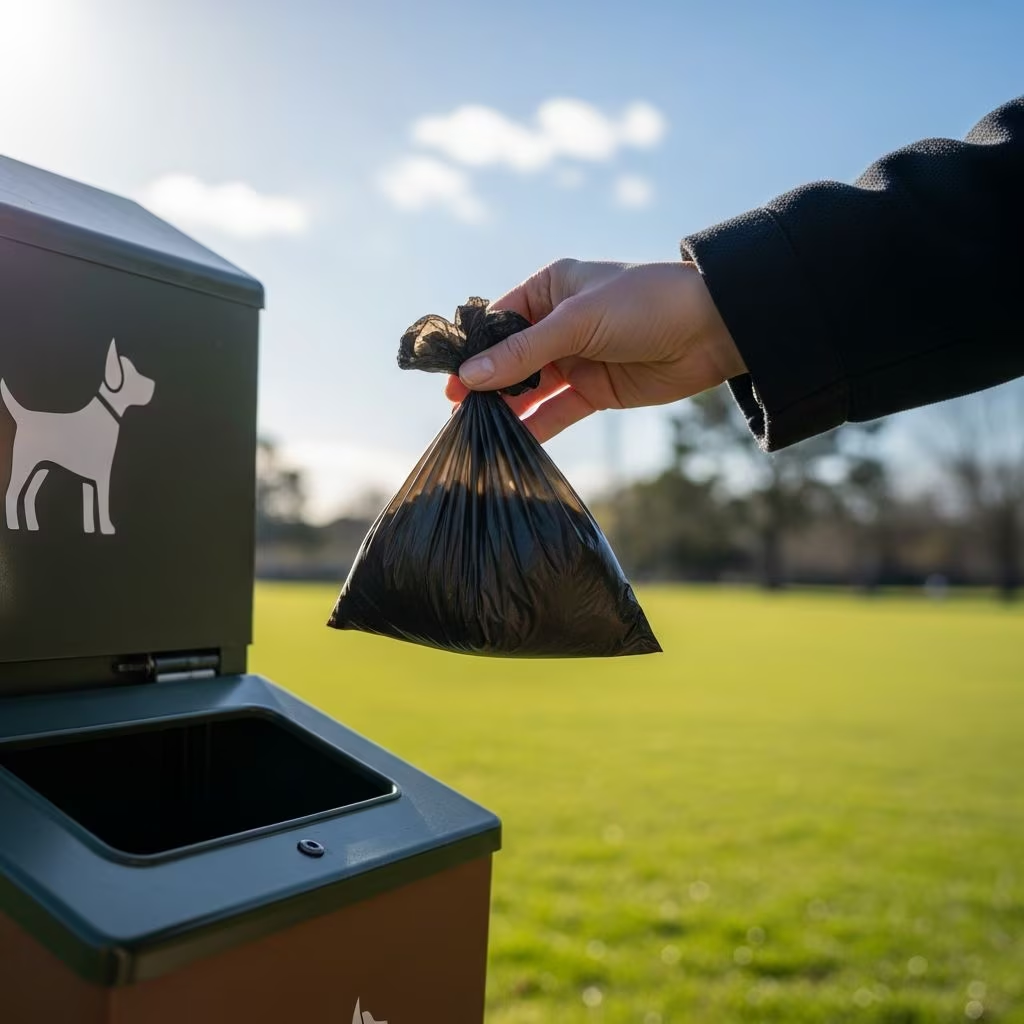
Pet ownership comes with numerous rewards, but it also carries responsibilities that extend beyond feeding and exercise. One of the most critical yet often overlooked aspects of responsible dog care involves properly managing and disposing of waste. Whether you’re a new pet owner or have years of experience, understanding the best practices for handling canine waste can significantly improve your living environment, protect public spaces, and contribute to environmental sustainability.
Understanding the Importance of Proper Waste Management
Dog waste poses several challenges that go beyond simple cleanliness. Unlike the common misconception that pet waste serves as a natural fertilizer, canine feces can actually harm soil quality when left on the ground or concentrated in specific yard areas. More importantly, dog waste contains parasites and pathogens that pose genuine health risks. Research indicates that roundworm, one of the most prevalent parasites found in dog feces, can remain infectious in contaminated soil and water for extended periods, with studies showing that 14 percent of Americans tested positive for roundworm exposure.
Beyond health concerns, improperly managed pet waste affects the broader environment. Stormwater can transport pet waste that owners leave on the ground directly into storm sewer systems, ultimately reaching nearby streams, lakes, and other water bodies. This environmental impact makes understanding disposal methods not just a matter of personal preference but a community responsibility.
Essential Tools for Effective Cleanup
Successfully managing canine waste begins with having the right equipment on hand. The tools you select influence both the efficiency of cleanup and the hygiene standards you maintain.
Selecting Appropriate Waste Bags
Choosing the correct bags forms the foundation of effective waste management. Biodegradable poop bags should be your primary consideration for minimizing environmental impact. These bags break down significantly faster than traditional plastic alternatives and come in various sizes to accommodate dogs of all breeds and sizes, from small terriers to large mastiffs. When selecting bags, prioritize durability to prevent accidents during collection and transport. Quality matters here—a bag that tears during cleanup defeats the purpose of containment.
Supplementary Cleaning Equipment
For managing waste that has already soiled surfaces like carpets or outdoor areas, enzymatic cleaners become essential tools. These specialized cleaners work by breaking down the proteins present in waste, effectively eliminating both stains and odors at the molecular level. The cleaning action addresses the root cause rather than merely masking unpleasant smells. When using enzymatic cleaners, follow manufacturer instructions carefully, as they typically require allowing the product to sit for a specified duration before removal.
One critical mistake to avoid involves the use of steam cleaners on fresh stains. The heat from steam can actually set stains and odors deeper into carpet fibers or upholstery, making the problem worse rather than better. Additionally, exercise caution with strong chemical cleaners, as these can pose risks to pets and children in your household.
Primary Disposal Methods for Canine Waste
Understanding your available disposal options empowers you to choose the method that best fits your circumstances, local regulations, and environmental values.
Trash Disposal Through Standard Waste Collection
The most common disposal method involves placing bagged waste in your regular household trash bin. To minimize odors and maintain hygiene standards, double-bagging the waste proves especially important if your trash isn’t collected daily. The first bag contains the initial waste, while the second bag provides an additional barrier against odors and potential leakage. Ensure both bags are securely tied at the top to protect sanitation workers and prevent waste from escaping during collection and transport.
Toilet Flushing: The EPA-Recommended Approach
According to the Environmental Protection Agency, flushing dog waste down the toilet represents the most sustainable disposal method available. Most municipal water treatment facilities possess the capability to process water containing fecal matter, with dog waste being chemically similar to human waste. This method eliminates the need for bags and reduces plastic waste entering landfills.
However, this option comes with an important caveat: septic tank systems require careful consideration. Never flush dog waste into a septic system, as this can disrupt the bacterial balance necessary for proper septic function. If you rely on septic service, alternative disposal methods become necessary. Additionally, while flushable dog poop bags made from polyvinyl alcohol (PVA) exist on the market, you should verify compatibility with your municipal water treatment system before adopting this approach.
Specialized In-Ground Composting Systems
For homeowners seeking sustainable alternatives to trash disposal, in-ground dog waste digesters offer a practical solution. These buried systems, with commercial options like the Doggie Doolie available on the market, allow waste to decompose naturally within a contained underground unit. The decomposition process requires minimal maintenance and produces no refuse requiring collection.
A critical consideration when using composting systems involves the intended use of any resulting material. Never use compost created from dog feces on edible plants or vegetables due to pathogenic concerns. Reserve this compost exclusively for non-food ornamental plants, flowering shrubs, or decorative landscaping.
Managing Waste in Public and Shared Spaces
Different environments present unique challenges for canine waste disposal. Understanding appropriate practices for various settings helps maintain community standards and environmental quality.
During Walks and Outdoor Outings
When walking your dog in public spaces, always carry an adequate supply of waste bags to handle any elimination. Once you’ve bagged the waste, locate nearby public trash cans for disposal. Parks, sidewalks, and public areas deserve to remain clean and sanitary for all users. However, exercise care in selecting disposal receptacles—use public bins designated for dog waste or general trash only. Never dispose of bagged waste in recycling bins, as this contaminates recyclable materials and creates problems for waste processing facilities.
Dedicated Dog Waste Stations
Many forward-thinking communities have installed dedicated dog waste stations in parks and pet-friendly spaces. These specialized facilities exist specifically for disposing of dog waste and help reduce the burden on regular municipal waste services while ensuring appropriate waste handling. Utilizing these dedicated stations, when available, represents responsible community participation.
Professional facility managers often recommend installing complete dog waste stations rather than simple dispensers attached to existing trash cans. A comprehensive station includes a pole, sign, dispenser for bags, and a dedicated receptacle, which keeps dog waste separate from general trash. Recommendations suggest placing stations every 500 feet within parks, with monitoring to identify needs for additional stations. A practical guideline suggests providing one station for every 50 dogs expected to pass the location daily.
Apartment and Condominium Communities
Residents in shared living spaces face particular challenges regarding waste disposal. When available, dedicated pet waste stations at apartment complexes or condominiums provide the ideal solution. These stations are specifically designed for convenient disposal and receive regular maintenance to manage odors and maintain hygiene standards. If your residential community lacks dedicated pet waste stations, inquire with management about installation possibilities, as these facilities benefit all residents and reduce complaints related to improper waste disposal.
Controlling Odors in Your Environment
Unpleasant odors from canine waste can strain relationships with neighbors and diminish your quality of life. Effective odor management relies on consistent habits and appropriate techniques.
Establishing Regular Disposal Routines
The foundation of odor control involves establishing a consistent routine for disposing of waste immediately in designated bins. Prompt disposal prevents odors from festering and becoming progressively more difficult to manage over time. When walking your dog, avoid carrying bagged waste for extended periods—locate and use nearby public disposal bins to minimize the duration waste remains in your possession.
Environmental Maintenance Strategies
Beyond waste removal, maintaining your immediate environment prevents odor accumulation. Regular yard inspection and prompt cleanup of any waste your dog leaves behind keeps your property fresh and pleasant. In communal spaces like apartment courtyards or shared yards, this becomes even more critical, as accumulated waste affects multiple households.
Frequency and Best Practices for Yard Maintenance
For homeowners with yards, establishing a regular yard cleaning schedule proves essential for health and environmental reasons. Pet waste should be picked up and removed from your property consistently rather than left to accumulate. Weekly scooping represents a practical schedule for most households, though frequency may increase with multiple dogs or during seasons when your pet spends more time outdoors.
Never leave waste concentrated in one area of your yard, as this practice damages soil quality and creates pathogenic hotspots that threaten family and pet health. Instead, distribute yard maintenance across your property evenly.
Frequently Asked Questions About Canine Waste Management
Can dog waste be used as fertilizer for my garden?
No. Despite common misconceptions, dog waste is not suitable for gardens or edible plants due to health risks from parasites and pathogens. Reserve any compost derived from dog waste exclusively for non-edible ornamental plants.
What’s the difference between biodegradable and regular plastic bags?
Biodegradable bags break down significantly faster than traditional plastic bags, reducing long-term environmental impact. They represent a more sustainable choice, though both types serve containment functions during disposal.
Is flushing dog waste always acceptable?
Flushing dog waste is acceptable for municipal water systems but not for septic tanks. If you rely on septic service, choose alternative disposal methods instead.
How often should I clean areas where my dog has had accidents?
Clean soiled areas promptly using enzymatic cleaners to prevent stains from setting and odors from persisting. The quicker you address accidents, the easier they are to manage.
Summary: Making Responsible Choices
Managing canine waste effectively represents a fundamental aspect of responsible pet ownership. Whether you choose trash disposal, toilet flushing, or in-ground composting systems, the key lies in selecting a consistent method and maintaining regular cleanup habits. By understanding health risks, environmental impacts, and available options, you can make informed decisions that benefit your household, community, and the broader environment. Responsible waste management demonstrates respect for your neighbors, contributes to cleaner public spaces, and protects water systems and soil quality for future generations.
References
- The Complete Guide to Dog Poop Management: Tips & Tools — Porch Potty. 2024. https://porchpotty.com/blogs/news/the-complete-guide-to-dog-poop-management-tips-tools
- Pet Waste Management — GeoSyntec. 2023. https://megamanual.geosyntec.com/npsmanual/petwastemanagement.aspx
- Guide To Dog Waste Management — Zero Waste USA. 2023. https://zerowasteusa.com/guide-to-dog-waste-management/
- Best Sustainable Ways to Dispose of Dog Poop — Leashless Lab. 2024. https://leashlesslab.com/blogs/lab-notes-dogs-craft-beer-sustainability/embracing-dog-poop-shame-eco-friendly-methods-to-get-a-handle-on-your-shit-copy
- Pet Waste — Westchester County Planning Department. 2023. https://planning.westchestergov.com/pet-waste
- How to Properly Dispose of Pet Waste — DoodyCalls. 2024. https://www.doodycalls.com/articles/blog/lawn-care-for-dog-owners/how-to-properly-dispose-of-pet-waste/
- Stormwater Best Management Practice: Pet Waste Management — U.S. Environmental Protection Agency. 2023. https://www.epa.gov/system/files/documents/2023-01/bmp-pet-waste-management.pdf



