

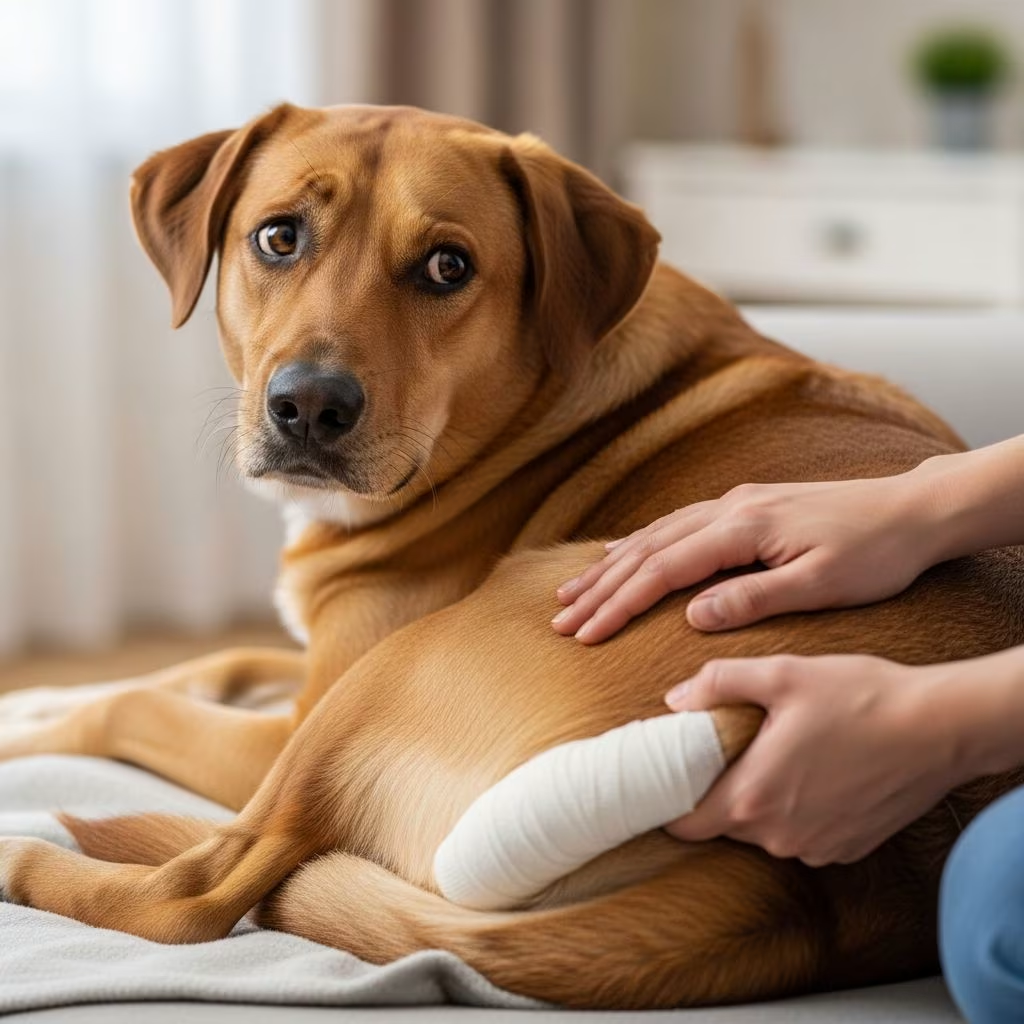
Your dog’s tail is a vital part of their body, serving communication, balance, and mobility functions. When a tail injury occurs, it can cause significant pain and discomfort while potentially leading to serious complications if left untreated. Understanding how to recognize, assess, and treat these injuries is essential for every dog owner committed to their pet’s wellbeing.
Understanding Common Types of Canine Tail Injuries
Dogs can experience several distinct types of tail injuries, each requiring different approaches to treatment and recovery. Recognizing which type of injury your dog has sustained is the first step toward appropriate care.
Structural Fractures and Breaks
Fractured or broken tails occur when the bones within the tail sustain damage from trauma, such as being stepped on, caught in a door, or struck by a vehicle. The severity and location of the fracture significantly influence the treatment approach and prognosis. Fractures occurring near the tail tip typically heal without extensive intervention, though they may leave a permanent bend or bump at the injury site. However, fractures at the base of the tail are considerably more serious, as they frequently involve nerve damage and may compromise your dog’s ability to control bowel and bladder functions. Crushing injuries in these areas may result in permanent nerve damage, necessitating surgical intervention or even amputation.
Laceration and Wound Injuries
Lacerations occur when the tail skin splits or tears, creating open wounds. These injuries vary in severity based on the length and depth of the wound. While minor lacerations may respond to conservative treatment with proper wound care and bandaging, deeper or longer wounds often require professional veterinary intervention. Lacerations create particular challenges because they expose underlying tissue to bacterial contamination and infection.
Happy Tail Syndrome
Happy tail syndrome, medically known as acute caudal myopathy, develops when dogs enthusiastically wag their tails, striking their tails against hard surfaces, walls, or furniture repeatedly. This repetitive trauma causes the tail skin to become abraded, bruised, or cut. The condition typically presents with bleeding, raw patches, and open sores on the tail tip or sides. Unlike other injuries that result from single traumatic events, happy tail syndrome develops progressively through behavioral patterns.
Degloving Injuries
Degloving represents one of the most severe tail injuries a dog can sustain. This injury occurs when the skin covering the tail is stripped backward, exposing the underlying tissue, nerves, and muscle structures beneath. Degloving injuries typically require immediate veterinary attention and often necessitate tail amputation, unless the injury is very minor and caught early. These injuries should never be treated at home due to their severity and the risk of infection or permanent nerve damage.
Identifying Signs Your Dog Has a Tail Injury
Early recognition of tail injuries allows for prompt intervention and better outcomes. Watch for these warning signs:
- Visible bleeding or blood stains on bedding or furniture
- Swelling, bruising, or discoloration of the tail
- Open wounds, sores, or abraded areas on the tail surface
- Abnormal tail position or lack of tail movement
- Your dog licking, biting, or paying excessive attention to the tail
- Signs of pain when the tail is touched or moved
- Behavioral changes such as reluctance to sit or move
- Discharge or odor indicating infection
The Diagnostic Process at Your Veterinary Clinic
When you bring your injured dog to the veterinarian, the diagnostic process begins with a thorough physical examination. Your veterinarian will carefully assess the tail for obvious signs of injury, including wounds, swelling, deformity, or neurological deficits. During this examination, the vet evaluates your dog’s ability to move the tail and checks for nerve function by assessing sensation and reflexes.
For suspected fractures, X-rays are essential diagnostic tools that reveal the precise location and severity of bone damage. These imaging studies help determine whether bones remain properly aligned or require surgical realignment. In some cases, additional testing may be recommended to assess nerve damage or rule out underlying complications.
Treatment Strategies Based on Injury Severity
Treatment approaches vary significantly depending on injury type and severity. Your veterinarian will develop a customized treatment plan tailored to your dog’s specific condition.
Conservative Management Approaches
Many tail injuries respond well to conservative (non-surgical) treatment combining several therapeutic modalities. For simple fractures where bones remain aligned, strict cage or crate rest is often sufficient to allow natural healing. This approach involves limiting your dog’s movement and activity for several weeks while the bones reknit.
Bandaging plays a crucial role in treating many tail injuries. Proper bandaging protects wounds from further trauma and contamination while allowing healing to progress. For fresh injuries with significant bleeding, sterile gauze pads secured with veterinary wrap can be applied for one to two hours to control bleeding. Your veterinarian or veterinary technician can apply professional bandages that remain secure despite your dog’s tail wagging. Bandages require regular changing to prevent infection and monitor healing progress.
Pain management is essential throughout recovery. Non-steroidal anti-inflammatory drugs (NSAIDs) prescribed by your veterinarian reduce both pain and inflammation, facilitating faster healing and improving your dog’s comfort. Warm compresses applied to the tail for ten to fifteen minutes at a time can also provide relief and reduce inflammation, if your dog tolerates them.
Elizabethan collars (cone collars) prevent your dog from licking or chewing the injured tail during healing. While dogs often resist wearing cones, they are essential for preventing self-trauma that could significantly delay healing or introduce infection.
Antibiotic and Infection Prevention
Open wounds require topical or systemic antibiotics to prevent bacterial infection. Your veterinarian may prescribe oral antibiotics or recommend topical antibiotic ointments depending on wound characteristics. Maintaining proper wound hygiene through regular cleaning and bandage changes is critical for preventing infection.
Surgical Interventions
Severe fractures, particularly those involving nerve damage or crushing injuries, often require surgical intervention. During surgery, your veterinarian may realign broken bones, remove damaged tissue, or repair nerve damage when possible. In cases where the tail is severely crushed or damaged beyond repair, amputation of the affected tail section may be the most appropriate solution to eliminate pain and prevent chronic complications.
Most dogs recover well from tail amputation and quickly return to normal activities. The psychological impact on dogs is minimal, as they adapt readily to partial or complete tail loss.
Behavioral Modifications for Happy Tail Syndrome
Dogs with happy tail syndrome require environmental modifications to prevent repeated injury. Since the condition stems from enthusiastic tail wagging, your veterinarian may recommend:
- Adding padding to kennels, crate interiors, or wall surfaces where the dog spends time
- Rearranging furniture to remove hard surfaces the tail contacts
- Restricting vigorous activities and playtime during healing phases
- Consulting with a certified dog trainer or veterinary behaviorist to address excitement triggers
- Gradually reintroducing normal activities as the tail heals
In chronic cases that don’t respond to conservative treatment, surgical tail shortening may be necessary to prevent continued self-injury.
Home Care and Recovery Management
Your role in your dog’s recovery extends far beyond the veterinary clinic. Proper home care significantly influences healing outcomes and prevents complications.
Activity Restriction
Limit your dog’s physical activity during the recovery period. Minimize jumping, running, and rough play that could stress the injured tail. Maintain controlled walks on a leash to prevent uncontrolled movement. Gradually increase activity levels as your veterinarian confirms healing progress.
Wound Care Protocols
Follow your veterinarian’s specific instructions regarding bandage changes, wound cleaning, and medication application. Change bandages regularly to monitor for signs of infection such as increased swelling, discharge, odor, or heat at the injury site. Watch for any changes in your dog’s behavior or tail appearance that might indicate complications.
Medication Administration
Administer all prescribed medications exactly as directed. Pain medications should be given on schedule rather than only when your dog appears to be in distress. NSAIDs help control inflammation that perpetuates pain, so consistent dosing is important. If your dog experiences side effects from medications, contact your veterinarian immediately rather than adjusting doses independently.
Preventing Self-Trauma
Keep the Elizabethan collar on your dog at all times except during supervised eating and drinking. Even brief periods without the collar allow dogs to lick or bite at wounds, causing significant damage. Consider keeping your dog in a comfortable confined space when you cannot directly supervise them.
Monitoring Progress and Recognizing Complications
Regular veterinary follow-up appointments allow your veterinarian to monitor healing and adjust the treatment plan as needed. Watch for warning signs of complications between appointments:
- Increased swelling or heat at the injury site
- Foul-smelling discharge or pus
- Spreading redness or discoloration beyond the original injury
- Your dog becoming lethargic or losing appetite
- Signs of fever or illness
- Lack of improvement or worsening of the injury after one week of treatment
- Inability to move or control the tail
Contact your veterinarian immediately if you notice any of these complications. Early intervention prevents minor issues from becoming major problems.
Why Prompt Treatment Matters
Some pet owners hope that tail injuries will heal independently, but this approach often leads to preventable complications. Untreated tail injuries frequently develop bacterial infections that spread rapidly due to the tail’s constant movement and exposure. Chronic pain from untreated injuries significantly impacts your dog’s quality of life, affecting sleep, appetite, and behavior. Repeated injuries create permanent damage and chronic wounds that eventually necessitate amputation.
Proper, prompt treatment ensures injuries heal correctly and completely, preventing recurring problems and long-term complications. The investment in veterinary care early on typically costs far less than treating chronic infections or managing permanent disabilities.
Prevention Strategies for Future Protection
While not all tail injuries can be prevented, understanding risk factors helps you reduce injury likelihood. Keep doors firmly closed to prevent crushing injuries, ensure toys and play areas are free from hazards that could trap the tail, and supervise outdoor play in areas with potential hazards. If your dog develops happy tail syndrome, work with trainers to manage excessive excitement and modify your home environment to reduce impact surfaces.
When to Seek Professional Veterinary Care
Consult your veterinarian about any tail injury, even if it seems minor. Professional evaluation prevents hidden complications and ensures appropriate treatment from the beginning. Degloving injuries should always be treated by a veterinarian. Don’t delay seeking care hoping injuries will self-resolve—early intervention significantly improves outcomes and reduces long-term consequences.
Frequently Asked Questions About Dog Tail Injuries
Can dogs live without tails?
Yes, dogs adapt remarkably well to tail amputation or partial tail loss. The tail contributes to balance and communication, but dogs compensate effectively using their legs and body position. Most dogs return to normal activities within weeks of amputation.
How long does a tail fracture take to heal?
Healing time varies based on fracture severity and location. Simple fractures may heal in four to six weeks with proper rest, while more complex fractures require eight to twelve weeks or longer. Your veterinarian will monitor healing through physical examination and repeat X-rays.
Can I treat my dog’s tail injury at home?
Minor injuries may be manageable at home under veterinary guidance, but professional evaluation is essential first. Never attempt to treat severe injuries, open wounds, or degloving injuries at home, as improper care leads to infection and permanent damage.
What should I do if my dog’s tail won’t stop bleeding?
Apply direct pressure with clean gauze for ten to fifteen minutes. If bleeding continues after this period, seek veterinary care immediately. Persistent bleeding may indicate arterial damage requiring professional intervention.
How can I prevent happy tail syndrome?
Reduce environmental hazards by padding hard surfaces, limiting vigorous play, and managing excitement triggers. Work with trainers to modify excessive tail wagging behavior and create a safer play environment.
References
- Dog Tail Fracture: How This Can Happen — 441 Animal Hospital. https://441animalhospitalboca.com/blog/dog-tail-fracture/
- Limber Tail in Dogs (Acute Caudal Myopathy) — Cornell University College of Veterinary Medicine Riney Canine Health Center. https://www.vet.cornell.edu/departments-centers-and-institutes/riney-canine-health-center/canine-health-information/Limber-tail-in-dogs
- The ABCs of Happy Tail Syndrome Treatment for Dogs — Happy Tail Saver. https://happytailsaver.com/blogs/news/the-abcs-of-happy-tail-syndrome-treatment-for-dogs
- 5 Dog Tail Injuries to Be Aware Of — Zoetis Petcare. https://www.zoetispetcare.com/blog/article/dog-tail-injuries
- Dog Tail Injury: Signs and Causes — PetMD. https://www.petmd.com/dog/general-health/dog-tail-injury-signs-causes
- What Is Happy Tail Syndrome in Dogs — Partners Animal Hospital West Loop. https://partnersvetwl.com/?p=4877
- Broken Tails in Pets — ASPCA Pet Health Insurance. https://www.aspcapetinsurance.com/resources/broken-tails-pets/



