

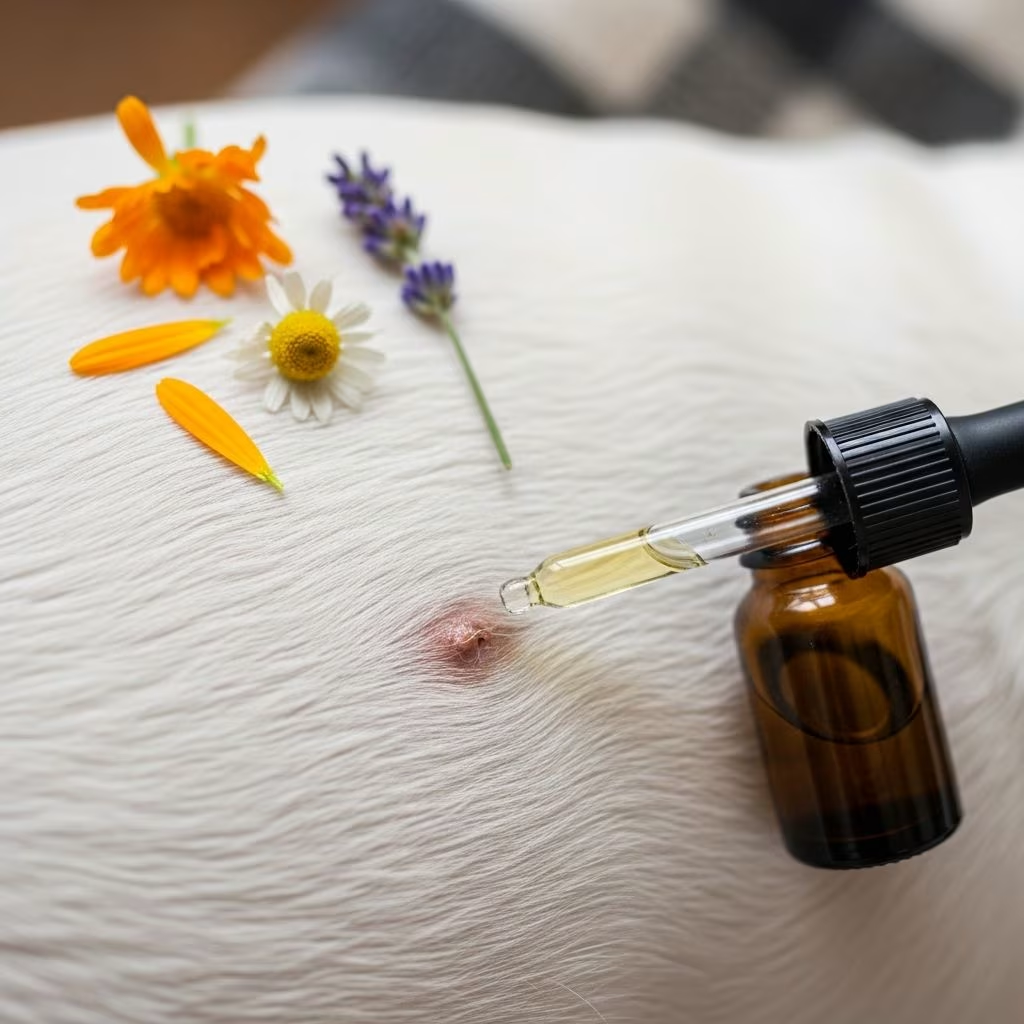
Skin lesions in dogs, commonly referred to as hot spots or acute moist dermatitis, represent one of the most frequently encountered dermatological problems in veterinary medicine. These painful, inflamed areas develop rapidly and can cause significant discomfort for your dog. Understanding the nature of these lesions, their underlying causes, and the various treatment modalities available—from professional veterinary care to natural home remedies—is essential for every dog owner.
Understanding Canine Skin Lesions and Their Development
Hot spots emerge as localized areas of inflammation, infection, and tissue damage that develop quickly, often within hours or days. The condition typically manifests as red, moist, and hairless patches on your dog’s skin, frequently accompanied by discharge and a pungent odor. These lesions are self-traumatizing in nature, meaning dogs exacerbate the problem through continuous licking, biting, and scratching.
The development of hot spots follows a distinct pattern. Initially, your dog experiences itching or discomfort from an underlying cause, which triggers scratching. This mechanical trauma damages the skin barrier, allowing bacteria to colonize the area. As the infection progresses and inflammation increases, the lesion becomes increasingly itchy and painful, creating a vicious cycle where the dog’s attempts to relieve discomfort actually worsen the condition.
Several predisposing factors increase a dog’s susceptibility to developing these skin lesions. Dogs with thick or long coats are at higher risk, particularly breeds prone to moisture retention in their fur. Environmental factors such as warm, humid weather can accelerate development. Additionally, dogs with underlying allergies, arthritis, or grooming neglect face elevated risk of lesion formation.
Identifying Root Causes of Skin Lesions
Effective treatment of hot spots requires more than addressing surface symptoms; it demands identification and elimination of the underlying cause. Without this approach, lesions often recur despite successful initial treatment.
- Allergic Reactions: Allergies represent the most common underlying factor, whether from food sensitivities, environmental allergens, or contact dermatitis
- Parasitic Infestations: Fleas, lice, and mites trigger intense itching that initiates the lesion cycle
- Grooming Deficiencies: Poor coat maintenance allows moisture and bacteria accumulation
- Joint and Skeletal Issues: Arthritis or other painful conditions cause dogs to lick affected areas excessively
- Behavioral Factors: Anxiety and stress-related licking behaviors can initiate lesion development
- Environmental Moisture: Dogs spending excessive time in water or damp conditions face increased risk
Professional Veterinary Approach to Treatment
While home remedies can support healing, professional veterinary evaluation remains paramount, especially for moderate to severe lesions. Veterinarians employ a comprehensive treatment strategy that addresses both the lesion itself and its underlying causes.
Initial Assessment and Preparation: Your veterinarian will examine the lesion to determine its extent and severity. For painful or sensitive lesions, sedation may be necessary before treatment begins, as the area is often too uncomfortable for dogs to tolerate without anesthesia.
Hair Removal and Cleaning: The veterinarian will carefully clip the hair surrounding the lesion, extending several centimeters beyond the visible affected area. This step is crucial because it allows the lesion to dry properly, prevents hair from matting with discharge, and enables topical treatments to contact affected skin directly. The area is then cleaned with antiseptic solutions, typically chlorhexidine, which effectively eliminates bacteria without damaging healthy tissue.
Topical Antimicrobial Therapy: Recent 2025 antimicrobial guidelines published in spring indicate that topical antimicrobial therapy is the treatment of choice for hot spots, meaning true uncomplicated lesions often do not require oral antibiotics. Veterinarians may apply medicated sprays, creams, or recommend specific over-the-counter products like hydrocortisone ointments.
Oral Medications: For inflammation and itching relief, veterinarians prescribe oral steroids such as prednisone, or newer options including oclacitinib and ilunocitinib. These medications break the itch-scratch cycle, allowing natural healing to proceed. Antihistamines such as diphenhydramine or cetirizine may also be recommended depending on the underlying cause.
Prevention of Self-Trauma: An Elizabethan collar (E-collar or cone) prevents your dog from accessing the lesion during healing. Modern alternatives include recovery suits that cover larger body areas.
Natural Remedies and Botanical Treatments
Many dog owners seek natural treatment options to complement or support professional veterinary care. Several botanicals and natural substances demonstrate beneficial properties for skin lesions, though they work best alongside proper wound care and veterinary supervision.
Aloe Vera Gel: Aloe vera contains chromone, an anti-inflammatory compound that interrupts the inflammation cycle. Beyond its anti-inflammatory properties, aloe vera exhibits both antibacterial and antifungal characteristics. The gel also contains vitamins that support skin regeneration and healing processes, making it a multifunctional natural remedy. For application, use pure aloe vera gel and apply directly to cleaned, clipped areas. Ensure your dog cannot lick the gel, as excessive ingestion may cause digestive upset.
Coconut Oil Benefits: Coconut oil contains saturated fats that can reduce allergic reactions in susceptible dogs, potentially interrupting the initial itching cycle. The oil’s antibacterial properties make it suitable for topical application to active lesions. For systemic benefits, add approximately one teaspoon to your medium-sized dog’s food daily, adjusting portions based on your dog’s size. This approach provides anti-inflammatory benefits while reducing the risk of the dog licking topical applications.
Vitamin E Supplementation: As an antioxidant, vitamin E helps interrupt itching and scratching cycles, particularly beneficial for dogs with recurring lesions stemming from allergies. Simply pierce a vitamin E capsule and add the contents to your dog’s food once daily.
Antiseptic Washes: Chlorhexidine-based shampoos and washes effectively cleanse affected areas without the harshness of standard soaps. Gentle antiseptic solutions kill bacteria while maintaining skin integrity. When bathing, use lukewarm water and avoid vigorous scrubbing, as hot water and aggressive washing can inflame skin and exacerbate lesions.
Home Care Protocol for Lesion Management
Implementing a structured home care routine significantly impacts healing timelines and prevents complication development.
- Initial Clipping: Using dog-specific clippers (scissors risk accidental cutting), remove hair from the lesion and surrounding area. Clip at least 2-3 centimeters beyond the visible affected area to ensure adequate exposure.
- Gentle Cleansing: Using lukewarm water and mild antiseptic solutions, gently clean the lesion. Pat dry thoroughly with clean cloth or paper towels rather than rubbing.
- Topical Application: Apply recommended antiseptic sprays, creams, or natural remedies. Veterinary-approved products like Vetericyn® Plus provide safety even if ingested.
- Protective Measures: Place an Elizabethan collar on your dog to prevent licking and further self-trauma. Alternatively, cover the area with a clean bandage or protective sock.
- Ongoing Monitoring: Observe the lesion daily for signs of improvement including decreased redness, reduced moisture, and smaller lesion size. Contact your veterinarian if the lesion worsens or fails to improve within 48 hours.
- Systemic Treatment: Ensure your dog receives prescribed oral medications consistently as directed.
Preventing Future Lesion Development
Once your dog has experienced a hot spot, prevention becomes increasingly important as recurrence is common if underlying causes remain unaddressed.
- Allergy Management: Work with your veterinarian to identify and manage allergies through dietary changes, environmental modifications, or prescribed allergy medications
- Regular Grooming: Maintain consistent bathing and brushing schedules. Use high-quality grooming shampoos and professional groomers trained in fear-free techniques to minimize stress.
- Parasitic Prevention: Implement year-round flea and tick prevention programs as prescribed by your veterinarian
- Moisture Management: Dry your dog thoroughly after swimming or bathing. For dogs prone to ear infections or moisture-related issues, consider limiting water exposure
- Pain Management: Address underlying arthritis or joint conditions that may cause excessive licking through appropriate medications or therapies
- Coat Maintenance: For long-haired breeds, maintain appropriate coat length and break up matting regularly using appropriate brushing tools
When to Seek Professional Veterinary Care
While home remedies offer support, certain situations require immediate professional intervention.
- Lesions that fail to improve within 48 hours of treatment initiation
- Expanding lesions or multiple new lesions developing
- Signs of systemic infection including fever or lethargy
- Lesions accompanied by excessive discharge or foul odor
- Dogs in severe pain or unable to rest comfortably
- First-time lesion development requiring cause identification
Comparing Treatment Approaches
| Treatment Method | Effectiveness | Application Timeline | Best For |
|---|---|---|---|
| Veterinary Topical Treatments | Highly effective for active lesions | Professional application initially | Severe or complicated lesions |
| Oral Antibiotics & Steroids | Effective for inflammation and systemic issues | Ongoing, as prescribed | Severe cases with systemic involvement |
| Aloe Vera & Coconut Oil | Moderately effective as complementary therapy | Daily application or dietary | Mild lesions, prevention, maintenance |
| E-collar Prevention | Highly effective at preventing self-trauma | Continuous during healing | All cases to interrupt lick cycle |
| Dietary Supplements | Supportive, slower action | Daily, long-term | Prevention and underlying allergy management |
Frequently Asked Questions
- How long do hot spots take to heal?
- With appropriate treatment, most lesions improve significantly within 48-72 hours. Complete healing typically requires 7-14 days depending on severity and cause identification.
- Can I use human topical treatments on my dog’s lesions?
- Not all human products are safe for dogs. Veterinary-formulated treatments are specifically designed for canine skin and safety if ingested. Always consult your veterinarian before applying any topical product.
- Will natural remedies alone cure my dog’s hot spot?
- Natural remedies work best as complementary treatments alongside proper wound care and veterinary supervision. Identifying and treating underlying causes remains essential.
- Is bathing beneficial or harmful during lesion treatment?
- Bathing with mild, medicated shampoos removes bacteria and allergens, but use lukewarm water and avoid scrubbing. Hot water and harsh washing can worsen inflammation.
- How can I prevent my dog from licking the lesion?
- Elizabethan collars remain the most effective solution, though recovery suits and bandages offer alternatives. Consistent supervision and distraction techniques also help.
Comprehensive Healing Strategy
Successfully managing your dog’s skin lesions requires a multifaceted approach combining professional veterinary care with diligent home treatment and prevention strategies. Beginning with professional diagnosis and treatment addressing underlying causes, supplemented by appropriate home care including proper cleaning, topical remedies, and prevention of self-trauma, provides the best pathway to resolution. Natural remedies such as aloe vera and coconut oil support conventional treatments and offer preventive benefits. However, these remedies work most effectively within a comprehensive care plan established through veterinary collaboration.
The key to preventing recurrence lies in identifying and managing underlying causes—whether allergies, parasites, grooming issues, or behavioral factors—rather than merely treating surface symptoms. Regular communication with your veterinarian, consistent preventive care including grooming and parasitic control, and prompt treatment of new lesions as they develop significantly reduce the frequency and severity of future episodes.
By combining evidence-based veterinary medicine with supportive natural remedies and rigorous home care, you provide your dog with the optimal conditions for rapid healing and long-term skin health.
References
- Treating Hot Spots on Your Dog — FurEver Friends of North Carolina. https://fureverfriendsnc.org/treating-hot-spot-on-your-dog/
- First Aid for Hot Spots in Dogs — VCA Animal Hospitals. https://vcahospitals.com/know-your-pet/first-aid-for-hot-spots-in-dogs
- All You Need To Know About Hot Spots On Dogs — GoodRx. https://www.goodrx.com/pet-health/dog/hot-spots
- Hot Spots on Dogs: Causes, Treatment, and Home Remedies — PetMD. https://www.petmd.com/dog/general-health/hot-spots-dogs
- What To Do If Your Dog Has A Hot Spot: Causes & Treatments — Bulger Veterinary Hospital. https://www.bulgervet.com/blog/what-to-do-if-your-dog-has-a-hot-spot-causes-treatments
- Hot Spots on Dogs: Signs, Treatment, and Prevention — American Kennel Club. https://www.akc.org/expert-advice/health/hot-spots-on-dogs/
- Hot Spots on Dogs — Small Door Veterinary. https://www.smalldoorvet.com/learning-center/what-to-do/hot-spot-in-dogs
- That Itches! A Guide to Canine Hot Spots — University of Vermont Veterinary Teaching Hospital. https://vth.vetmed.vt.edu/animal-care-tips/vetmed-pet-canine-hot-spots.html



