

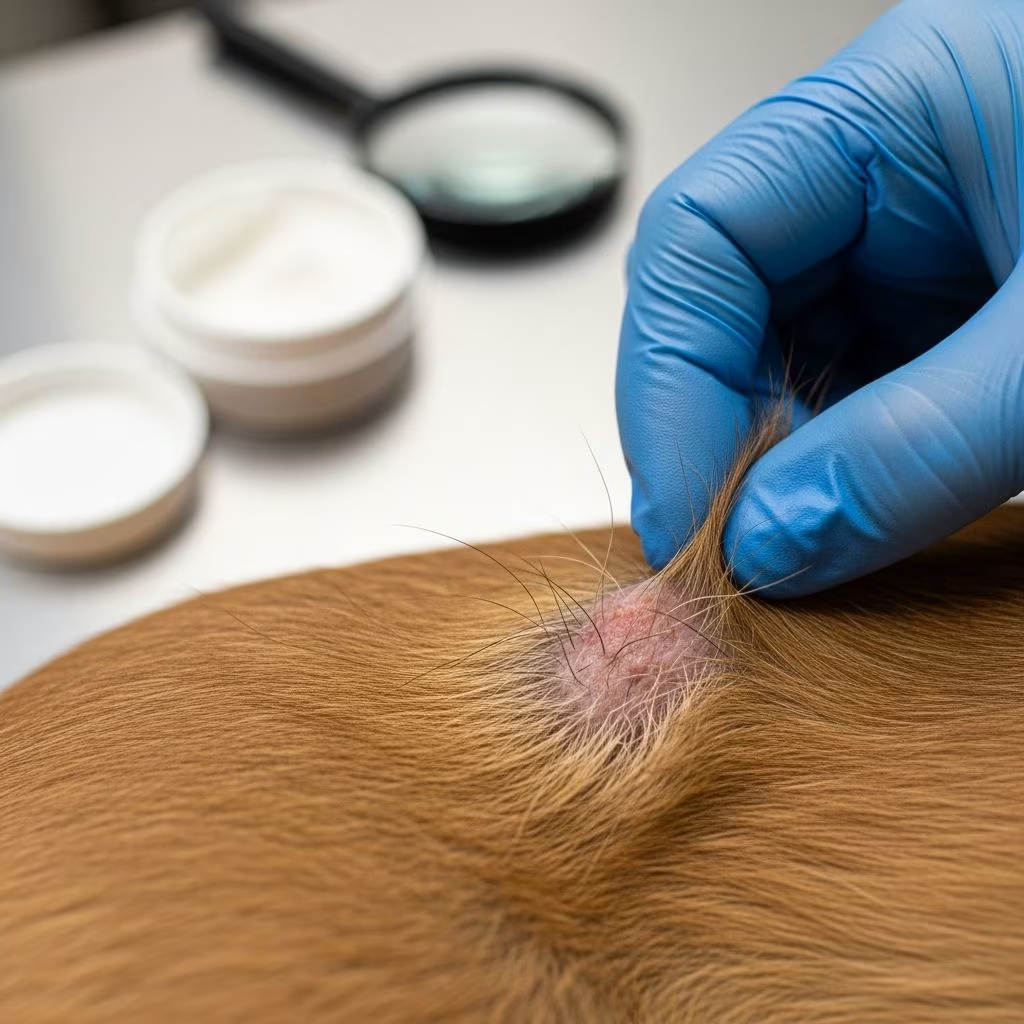
Canine skin problems affect millions of dogs annually, manifesting as itching, redness, hair loss, and infections that diminish quality of life. Effective management hinges on pinpointing the root cause—whether bacterial, allergic, fungal, or parasitic—and combining targeted therapies with preventive measures. This article delves into diagnostic approaches, treatment protocols, and long-term care strategies drawn from veterinary expertise.
Understanding the Scope of Dog Skin Issues
Skin disorders in dogs range from superficial irritations to deep-seated infections. **Pyoderma**, a bacterial skin infection primarily caused by Staphylococcus pseudintermedius, tops the list of common ailments. Methicillin-resistant strains (MRSP) complicate treatment, necessitating precise interventions. Allergies, yeast overgrowths, and hot spots further contribute to chronic discomfort, often exacerbated by underlying factors like fleas or environmental triggers.
Early recognition prevents escalation. Watch for symptoms such as persistent scratching, moist lesions, foul odors, or thickened skin. These signs warrant a veterinary visit for cytology, cultures, or allergy testing to guide therapy.
Diagnostic Approaches for Accurate Treatment
Diagnosis forms the cornerstone of successful management. Veterinarians employ several methods:
- Skin Cytology: Scraping samples reveal bacteria, yeast, or inflammatory cells under microscopy.
- Culture and Sensitivity Testing: Essential for resistant infections, identifying effective antibiotics.
- Flea Checks and Scrapings: Rule out parasites via combing or biopsies.
- Allergy Evaluations: Intradermal or blood tests pinpoint environmental or food sensitivities.
These steps ensure treatments address the primary issue rather than symptoms alone, reducing recurrence risks.
Topical Therapies: First Line of Defense
Topical applications offer localized relief with fewer systemic side effects, ideal for superficial conditions. **Chlorhexidine-based products** (2-4% concentration) stand out for efficacy against staphylococci, Pseudomonas, and Malassezia yeast.
Bathing protocols maximize benefits:
- Use lukewarm water to avoid irritation.
- Apply shampoo to affected areas first, massaging gently.
- Leave on for 10 minutes to penetrate, then rinse thoroughly.
- Follow with leave-on conditioners or sprays for sustained action.
Frequency starts daily for acute cases, tapering to twice weekly. Studies show 50% improvement in two weeks for MRSP pyodermas with consistent use. Additional topicals include mupirocin for focal lesions and amikacin sprays for broader coverage, avoiding gentamicin due to resistance concerns.
| Topical Agent | Target Pathogens | Application Frequency | Notes |
|---|---|---|---|
| Chlorhexidine Shampoo (2-4%) | Staph, Pseudomonas, Malassezia | Every 1-2 days | Leave on 10 min; rinse well |
| Mupirocin Ointment | MRSP | 2-3 times daily | Focal use only |
| Amikacin Spray | Resistant bacteria | Twice daily | DIY with Tris-EDTA |
| Oatmeal Shampoo | Allergies, irritations | As needed | Soothing, hypoallergenic |
For allergies, hypoallergenic or oatmeal shampoos soothe without stripping natural oils. Always vet-approved to prevent residue-induced irritation.
Systemic Medications for Severe Cases
When topicals fall short—such as in deep pyodermas or generalized infections—oral or injectable drugs become necessary. Antibiotics require culture guidance to combat resistance.
- Sulfonamides: Potentiated forms like sulfamethoxine/ormetoprim, once daily if sensitive.
- Lincosamides: Clindamycin for confirmed susceptibility, monitoring for inducible resistance.
- Anti-inflammatories: Corticosteroids or antihistamines for allergic flares.
- Antifungals: Oral options for persistent yeast dermatitis.
Treatment duration matches resolution, often 3-6 weeks, paired with topicals to shorten courses and preserve efficacy. Avoid empirical fluoroquinolones for gram-positive infections.
Addressing Allergies and Secondary Infections
Allergies underlie many skin woes, triggering self-trauma and infections. Flea allergies respond to preventives; environmental ones to avoidance and immunotherapy.
Hot spots, acute moist dermatitis, demand clipping, cleaning, and combined antibiotics with anti-itch meds like Vetericyn sprays. Yeast infections present with greasiness and odor, treated via antifungal shampoos or systemic drugs.
Home supports include omega-3 supplements for inflammation and probiotics for gut-skin axis health, under supervision.
Preventive Strategies for Long-Term Skin Health
Prevention trumps reaction. Key practices:
- Regular flea control year-round.
- Weekly hypoallergenic baths for at-risk breeds.
- Environmental management: frequent bedding washes, vacuuming.
- Nutritional balance with essential fatty acids.
- Annual vet dermatology checks for chronic cases.
Addressing predispositions like breed (e.g., Bulldogs for folds) or immune issues enhances resilience.
Home Care Tips for Pet Owners
Empower owners with safe routines:
- Prevent licking via cones or bitter sprays.
- Monitor for worsening: swelling, pus, lethargy—seek immediate care.
- Use prescribed products only; natural remedies like chamomile need vet okay.
Clean environments reduce allergen loads, aiding recovery.
Frequently Asked Questions (FAQs)
Can I treat my dog’s skin infection at home?
Mild cases benefit from vet-recommended baths, but cultures guide antibiotics for infections. Avoid self-medicating.
How often should I bathe a dog with skin problems?
Daily initially for pyoderma, then every 2-3 days with chlorhexidine; adjust per vet.
Are natural remedies effective for dog allergies?
Omega-3s and probiotics help adjunctively, but pair with professional care.
What if my dog’s skin issues recur?
Investigate allergies or resistance via testing; long-term topicals prevent cycles.
Is chlorhexidine safe for all dogs?
Yes, when diluted properly; rinse to avoid dryness.
Word Count: 1678 (excluding metadata and citations)
References
- Treating Resistant Skin Infections in Dogs — Today’s Veterinary Practice. 2023. https://todaysveterinarypractice.com/dermatology/treating-resistant-skin-infections-in-dogs/
- Treatment of Skin Disorders in Dogs — Merck Veterinary Manual. 2024. https://www.merckvetmanual.com/dog-owners/skin-disorders-of-dogs/treatment-of-skin-disorders-in-dogs
- Common Skin Allergies in Dogs: Symptoms and Treatments — Bluegrass Veterinary Hospital. 2023. https://bluegrassvet.net/common-skin-allergies-in-dogs-symptoms-and-treatments/
- 10 Most Common Dog Skin Issues: How To Spot, Diagnose, and Treat — PetMD. 2024. https://www.petmd.com/dog/general-health/dog-skin-issues
- Dog Skin Problems: Scratching, Itching & Other Skin Conditions — VRA Veterinary. 2022-08-15. https://www.vravet.com/site/blog/2022/08/15/dog-skin-problems-scratching-itching-skin-conditions



