

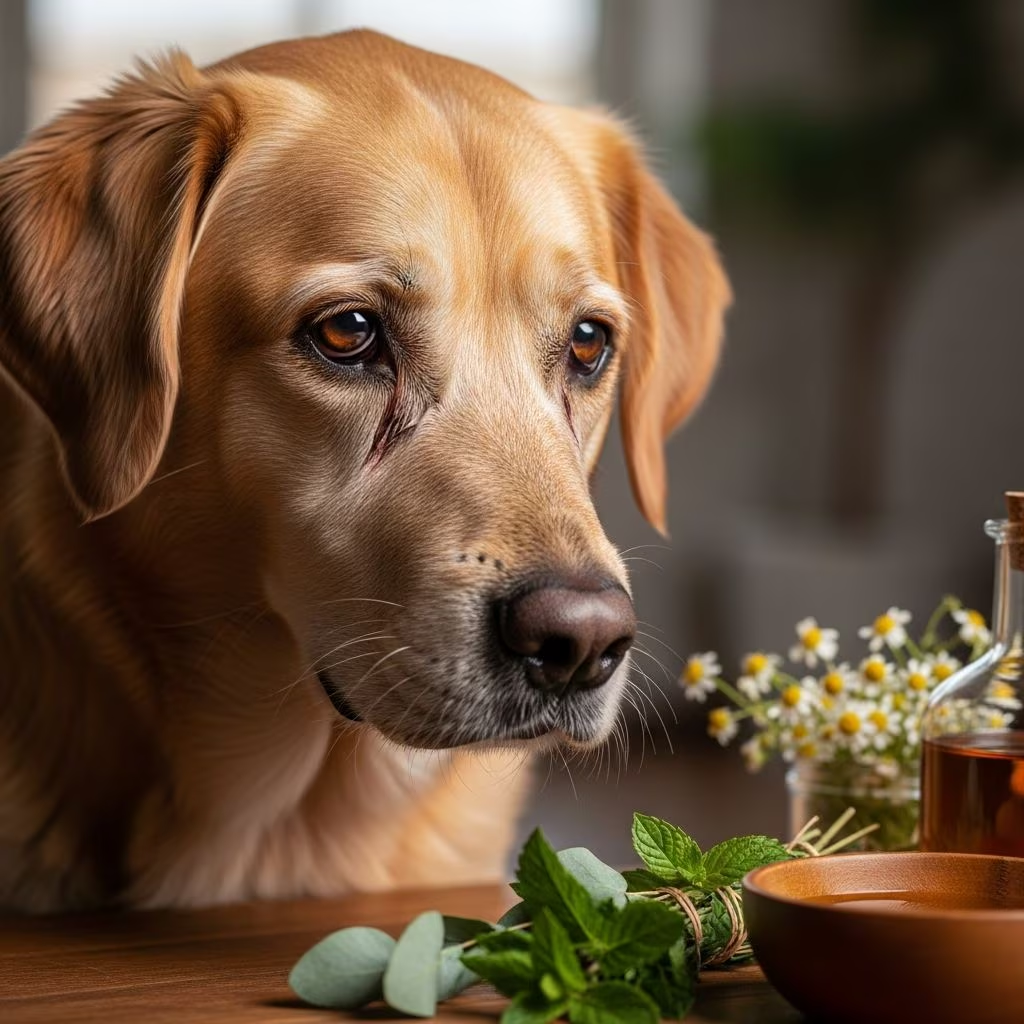
When your dog exhibits persistent nasal discharge, frequent sneezing, or labored breathing, sinus and nasal inflammation may be the underlying cause. Understanding how to support your dog’s respiratory system while working with veterinary professionals can significantly improve their comfort and recovery. This guide explores practical approaches to managing canine sinus conditions at home alongside appropriate medical interventions.
Understanding Canine Sinus and Nasal Conditions
Canine rhinitis and sinusitis involve inflammation of the nasal passages and sinus cavities. Unlike acute conditions that develop suddenly, chronic rhinitis can persist for months or even years, significantly impacting your dog’s quality of life. The nasal cavity in dogs contains delicate tissues that are susceptible to various irritants and pathogens, making prevention and early intervention important.
Several distinct presentations of nasal inflammation exist. Acute-onset rhinitis typically manifests with violent sneezing as a primary symptom, often triggered by specific inciting events. Chronic presentations develop gradually and may involve multiple underlying factors working together. Understanding which type affects your dog helps determine the most appropriate management strategy.
Recognizing When Your Dog Needs Attention
Identifying the symptoms of sinus involvement allows for timely intervention. Dogs experiencing nasal inflammation commonly display the following signs:
- Persistent or intermittent nasal discharge varying in color from clear to yellow, green, or blood-tinged
- Frequent sneezing or sudden sneezing episodes
- Open-mouth breathing or audible snorting and wheezing sounds
- Facial swelling or asymmetrical depressions along the face or nose area
- Visible discomfort including pawing at the nose or face
- Reduced appetite or difficulty eating
- Reverse sneezing, a reflex that sounds like the dog is gasping or honking
- Coughing or gagging, particularly when nasal discharge drains into the throat
- Watery or inflamed eyes
- Behavioral changes such as lethargy or reluctance to play
The character and location of discharge provides diagnostic clues. Discharge from a single nostril suggests a localized problem such as a foreign object, while bilateral discharge often indicates systemic inflammation or infection.
Primary Factors Contributing to Nasal Inflammation
Understanding what triggers your dog’s sinus issues guides both prevention and treatment decisions. The most common contributors include viral infections, particularly during initial onset, followed by secondary bacterial colonization. Environmental allergens present year-round or seasonally can perpetuate chronic inflammation. Bacterial and fungal infections, tooth root abscesses from dental disease, foreign material lodged in nasal passages, and structural trauma or injury also frequently cause or contribute to rhinitis.
Allergic responses deserve particular attention as they represent one of the most frequent causes of chronic nasal issues in dogs. Food sensitivities, atopic dermatitis related to environmental allergens, and flea allergy dermatitis can all trigger nasal inflammation as part of a broader allergic response.
Creating an Optimal Home Environment
Environmental modifications form the foundation of supportive home care. A stable indoor environment minimizes respiratory irritation and supports healing of inflamed tissues.
Humidity Management
Maintaining appropriate moisture levels in your dog’s living space eases breathing and reduces nasal irritation. Dry air worsens inflammation and mucus production, while excessive humidity can promote microbial growth. A humidifier running during sleeping hours adds beneficial moisture to the air, particularly valuable during winter when heating systems dry indoor environments significantly. Adding moisture helps thin nasal secretions, making them easier to clear naturally.
Air Quality Considerations
Minimizing airborne irritants prevents additional inflammation. Strong cleaning chemicals, scented products, smoke, and cooking fumes all irritate sensitive nasal tissues. Using unscented, pet-safe cleaning products and ensuring adequate ventilation protects your dog’s respiratory system. Air filtration systems with HEPA filters can help remove allergens, dust, and other particles that trigger inflammatory responses.
Allergen Reduction
For dogs with allergic rhinitis, reducing environmental allergen exposure provides meaningful relief. Regular vacuuming with HEPA-filter equipped machines removes dust and mold spores. Washing bedding frequently in hot water eliminates dust mites and allergen accumulation. Keeping your dog out of areas with visible mold, damp basements, or musty spaces limits fungal spore exposure.
Supporting Hydration and Nutritional Health
Proper hydration supports mucus membrane health and aids the body’s natural inflammatory response. Fresh, clean water should always be available. Some dogs respond well to warm broths made from bone broth or low-sodium vegetable stock, which encourage drinking while providing additional minerals and amino acids that support tissue healing.
Nutritional support plays an underappreciated role in managing chronic nasal inflammation. Omega-3 fatty acids possess natural anti-inflammatory properties and support immune function. These can be provided through fish oil supplements or omega-3 rich foods under veterinary guidance. Antioxidant-rich foods including sweet potatoes, blueberries, and leafy greens support the immune system’s ability to resolve inflammation appropriately.
Maintaining consistent nutrition and avoiding dietary changes during acute flare-ups prevents additional gastrointestinal stress that can compromise immune function. High-quality proteins support tissue repair and immune cell production essential for fighting infections.
Nasal Drainage Support Techniques
Gentle techniques can assist your dog’s natural ability to clear nasal passages. Allowing steam inhalation through your bathroom during a shower (without forcing proximity) provides natural humidification that can loosen congestion. Some dogs tolerate brief warm compress applications near the nasal area, which may provide comfort and encourage drainage.
Elevating your dog’s sleeping area slightly can help prevent fluid from pooling in nasal passages during rest, reducing morning congestion. This can be accomplished through proper bedding arrangement without creating an uncomfortable angle.
Dietary Considerations and Supplements
While not a substitute for veterinary treatment, certain dietary additions may support recovery. Vitamin C supports immune function and collagen formation needed for tissue repair. Probiotics help maintain healthy bacteria balance, reducing opportunities for secondary infections. However, any supplement introduction should align with veterinary recommendations to ensure compatibility with existing health conditions and medications.
Avoiding foods your dog may be sensitive to prevents additional immune system stress during recovery. If food allergies contribute to nasal inflammation, identification and elimination of offending ingredients provides long-term relief.
When Home Care Is Insufficient
Despite supportive care at home, certain situations require professional veterinary evaluation and intervention. Seek veterinary attention if nasal discharge persists beyond two weeks, includes blood, appears purulent or foul-smelling, or if your dog develops fever or difficulty breathing. Chronic conditions lasting weeks despite environmental improvements need diagnostic evaluation to identify underlying causes such as infections, foreign bodies, or structural abnormalities.
Fungal infections, particularly aspergillosis, require specific antifungal medications that only veterinarians can prescribe. Bacterial infections secondary to viral illness often need antibiotic treatment. Dental disease causing sinusitis requires professional cleaning or extraction. Foreign bodies lodged in nasal passages necessitate professional removal to prevent complications and patient distress.
Diagnostic Evaluation and Professional Treatment
Your veterinarian may recommend diagnostic imaging including radiographs or CT scans to visualize sinus structures and identify abnormalities. Nasal cytology or cultures can identify specific infectious agents guiding targeted treatment. Endoscopic examination allows direct visualization of nasal passages and sinus cavities, enabling identification and removal of foreign material.
Treatment approaches depend on underlying causes. Bacterial infections respond to specific antibiotics, while fungal infections require antifungal medications. Allergic rhinitis may require allergen avoidance, antihistamines, or immunotherapy. Chronic inflammatory conditions might benefit from topical or systemic anti-inflammatory medications. Dental disease requires appropriate oral care or extraction of affected teeth.
Distinguishing Between Temporary and Chronic Issues
Acute nasal inflammation from minor viral infection may resolve within days to two weeks with supportive care. Chronic conditions lasting beyond four weeks warrant investigation into underlying causes. Some dogs experience seasonal exacerbations related to pollen exposure, while others maintain consistent symptoms year-round suggesting allergic or structural causes.
Practical Home Care Checklist
- Maintain humidity levels between 40-60% through humidifier use
- Provide constant access to fresh, clean water and encourage hydration
- Minimize exposure to irritants including smoke, cleaning chemicals, and scents
- Use air filtration systems to reduce allergens and dust particles
- Wash dog bedding frequently in hot water to eliminate dust mites
- Consider omega-3 supplementation after veterinary consultation
- Keep sleeping areas slightly elevated to prevent fluid pooling
- Monitor nasal discharge character and duration closely
- Schedule veterinary evaluation if symptoms persist or worsen
- Maintain current vaccinations to prevent infectious causes
Frequently Asked Questions
Can home remedies alone cure my dog’s sinus infection?
Home care supports recovery and comfort but cannot treat bacterial or fungal infections requiring specific medications. Environmental modifications and supportive care work best alongside appropriate veterinary treatment for underlying causes.
How long should I wait before seeking veterinary care?
Acute symptoms from minor viral infection may improve within 7-10 days with supportive care. If nasal discharge, sneezing, or breathing difficulties persist beyond two weeks, professional evaluation is recommended to identify underlying causes.
What’s the difference between rhinitis and sinusitis?
Rhinitis involves inflammation of the nasal passages themselves, while sinusitis affects the sinus cavities. Both conditions often occur together (rhinosinusitis) and share similar symptoms and causes.
Is my dog’s condition contagious to other pets?
Viral and some bacterial causes can spread between dogs through direct contact or respiratory droplets. If your dog has infectious causes, limiting contact with other dogs until evaluated and treated is prudent.
Can allergies cause chronic sinus problems?
Yes, allergic rhinitis frequently causes chronic nasal discharge and inflammation. Environmental or food allergies trigger ongoing symptoms requiring either allergen avoidance or specific allergy management strategies.
Long-Term Management Strategies
Dogs with chronic rhinitis benefit from consistent environmental management and regular monitoring. Maintaining consistent temperature and humidity, minimizing allergen exposure, and supporting nutrition form the foundation of ongoing care. Regular veterinary check-ups allow early identification of secondary infections or complications requiring intervention.
Understanding your individual dog’s triggers enables proactive management. Some dogs experience seasonal exacerbations requiring increased humidification during dry winter months or pollen exposure. Others benefit from dietary modifications eliminating suspected allergens.
Supporting your dog’s immune system through appropriate nutrition, stress reduction, and preventive care decreases susceptibility to secondary infections. Regular exercise, maintained at appropriate levels for your dog’s health status, supports overall wellness and immune function.
Managing canine sinus and nasal inflammation combines practical home care strategies with professional veterinary guidance. By creating an optimal home environment, supporting hydration and nutrition, and recognizing when professional intervention is necessary, you provide your dog with the best opportunity for comfort and recovery. Close observation of symptoms and regular communication with your veterinarian ensures your dog receives appropriate care tailored to their specific condition and underlying causes.
References
- Rhinitis and Sinusitis in Dogs — Merck Veterinary Manual, Dog Owners Section. https://www.merckvetmanual.com/dog-owners/lung-and-airway-disorders-of-dogs/rhinitis-and-sinusitis-in-dogs
- Rhinitis and Sinus Infections in Dogs – Symptoms and Causes — PetMD. https://www.petmd.com/dog/symptom/rhinitis-sinus-infections-in-dogs
- Canine Rhinitis and Sinusitis: A Closer Look — PetCareRx. https://www.petcarerx.com/article/canine-rhinitis-and-sinusitis-a-closer-look/6712
- Nasal Discharge in Dogs: Causes, Symptoms & When to See a Vet — Spot and Tango. https://www.spotandtango.com/blog/nasal-discharge-in-dogs
- What to Do When Your Dog Has a Runny Nose — Lane Veterinary. https://lanevet.com/blog/dog-has-a-runny-nose/



