

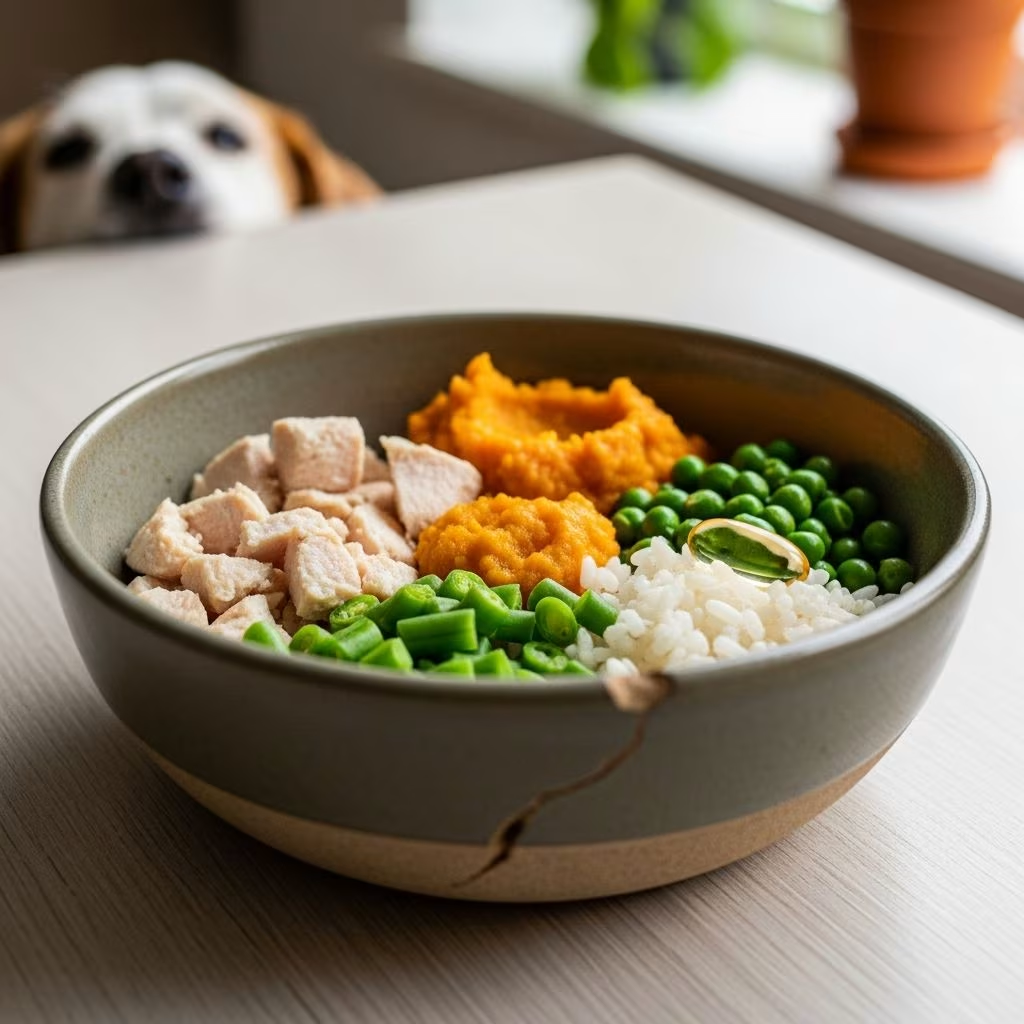
Pancreatitis in dogs represents a significant health challenge that requires immediate attention and sustained dietary management. When a dog’s pancreas becomes inflamed, even minor dietary missteps can trigger painful flare-ups and complicate the recovery process. The cornerstone of managing this condition lies in making deliberate, informed choices about what enters your dog’s food bowl. Unlike acute illnesses that may resolve with time and medication alone, pancreatitis often demands lifelong nutritional vigilance to prevent recurrence and maintain your dog’s quality of life.
Understanding the Nutritional Foundation for Pancreatic Health
The pancreas plays a crucial role in your dog’s digestive system by producing enzymes that break down food and regulating blood sugar through insulin production. When inflammation occurs, the organ becomes oversensitive to dietary challenges, particularly those from high-fat foods. The digestive system essentially goes on heightened alert, making the selection of appropriate foods a medical necessity rather than a preference.
A low-fat, easily digestible diet represents the most effective nutritional intervention for dogs experiencing pancreatitis. This approach allows the inflamed pancreas to function with minimal stress while still providing the essential nutrients your dog needs for recovery and maintenance. The goal is not deprivation but rather strategic nourishment that supports healing without triggering additional inflammatory responses.
The Critical Role of Fat Content in Dietary Management
Fat restriction forms the bedrock of pancreatitis management, yet understanding appropriate fat levels requires nuance. Dogs with acute episodes or those showing signs of fat intolerance benefit from ultra-low-fat diets containing approximately 10 percent fat on a dry matter basis, or roughly 2 to 3 grams per 100 kilocalories of metabolizable energy. This represents a substantial reduction from standard commercial dog foods, which typically contain 15 to 20 percent fat.
For dogs recovering from acute episodes without concurrent high blood triglycerides, slightly higher fat levels—approximately 15 percent on a dry matter basis or less than 3.5 grams per 100 kilocalories—may be tolerated as recovery progresses. However, a completely fat-free diet creates additional problems, as dietary fat provides essential fatty acids like linoleic acid and facilitates the absorption of fat-soluble vitamins (A, D, E, and K). The challenge lies in finding the appropriate balance for each individual dog’s tolerance level.
Identifying your dog’s specific fat threshold requires close observation and gradual adjustments under veterinary guidance. Some dogs may stabilize at the lower end of the spectrum, while others demonstrate tolerance for slightly higher amounts as their pancreatic function improves. Keeping detailed records of your dog’s response to dietary changes helps establish patterns and informs future modifications.
Selecting Appropriate Protein Sources
Protein remains essential for tissue repair and immune function, but the source matters tremendously. Lean proteins are far gentler on the compromised digestive system than their fatty counterparts. Skinless chicken and turkey breast represent excellent starting points, offering high-quality protein with minimal fat content. Egg whites provide another viable option, containing pure protein without the fat found in yolks. Low-fat cottage cheese and white fish offer variety while maintaining nutritional integrity.
Beyond these conventional choices, some dogs benefit from novel proteins when they show sensitivity to standard options. Ostrich, crocodile meat, and kangaroo represent increasingly available alternatives for dogs with specific protein intolerances. These lean meats offer the advantage of being less commonly encountered in commercial foods, reducing the likelihood of cumulative allergenic responses.
The preparation method significantly influences protein digestibility and fat content. Boiling proteins removes additional fats that emerge during cooking, making this the preferred preparation technique for pancreatitis management. Grilling, roasting, or frying introduces unnecessary fats and should be avoided entirely. When feeding raw diets—something generally not recommended during acute phases—the pancreas must work harder to digest the food, potentially prolonging inflammation. Cooked diets are preferable initially because cooking breaks down food structures and makes digestion considerably easier for the sensitive organ.
Carbohydrate Selection and Digestibility
Starchy carbohydrates form the backbone of appropriate meals for dogs with pancreatitis, providing easily accessible energy without taxing the digestive system. White rice stands out as the carbohydrate of choice for many dogs, particularly when prepared with excess water to create a congee-like consistency that requires minimal digestive effort. Potatoes and sweet potatoes offer nutritional benefits, though the skins must be removed to minimize fiber content that could irritate the digestive tract.
Pasta made from refined flour provides another carbohydrate option that many dogs tolerate well. The refinement process reduces fiber content, making these carbohydrates gentler than whole-grain alternatives. While whole grains offer nutritional advantages for healthy dogs, the elevated fiber content can trigger or worsen gastrointestinal symptoms in dogs with pancreatitis.
The ratio of protein to carbohydrates in initial meals typically follows a 1:2 proportion, with one-third coming from protein sources and two-thirds from carbohydrates. This composition ensures adequate nutrition while preventing the pancreas from being overwhelmed by protein digestion demands. As your dog’s condition stabilizes and shows consistent improvement, gradual adjustments to these ratios may become possible under veterinary supervision.
Meal Frequency and Portion Management
The frequency of feeding influences how much digestive stress your dog experiences. Rather than consuming one or two large meals daily, dividing the total daily food intake into three, four, or even five smaller meals distributes the pancreatic workload more evenly. This approach prevents the organ from facing sudden demands to produce large quantities of digestive enzymes, allowing for more manageable enzyme secretion throughout the day.
Consistent feeding schedules create predictability for your dog’s digestive system, allowing the pancreas to anticipate and prepare for food processing. Establishing set mealtimes—such as breakfast, lunch, dinner, and perhaps an afternoon snack—helps regulate pancreatic function and reduces the likelihood of inflammatory responses. This consistency becomes particularly important for dogs with chronic pancreatitis, where maintaining stable digestive conditions prevents flare-ups.
Foods and Substances to Eliminate Completely
Certain foods pose such significant risks that they should never appear in your dog’s diet, regardless of how much your dog enjoys them or how special the occasion. Fatty table scraps represent one of the most common culprits in triggering pancreatitis flare-ups, as they contain concentrated fats that overwhelm the compromised organ. Foods like pork, lamb, beef brisket, and other fatty meat cuts should be avoided entirely.
High-fat treats designed for general consumption often exceed the fat thresholds appropriate for dogs with pancreatitis. Even well-intentioned treats can derail recovery efforts if they contain excessive fat. Dairy products like cheese, while seemingly innocent and often used as training rewards, contain fat levels problematic for sensitive pancreases. Fried foods, baked goods made with oil or butter, and anything prepared with added fats or oils must be excluded.
Understanding which family members or visitors might unknowingly offer your dog inappropriate foods helps prevent dietary lapses. Clear communication with children, guests, and caregivers about your dog’s dietary restrictions protects your dog from well-meaning but potentially harmful gestures. A designated safe treat list helps ensure that anyone feeding your dog selects only appropriate options.
Long-Term Dietary Considerations for Chronic Pancreatitis
Some dogs recover sufficiently from mild to moderate pancreatitis episodes to eventually transition toward less restrictive diets. However, dogs experiencing repeated attacks require permanent adoption of low-fat feeding protocols. The distinction between these outcomes depends on individual factors including the severity of initial inflammation, the underlying cause of pancreatitis, and the presence of concurrent conditions like hyperlipidemia.
For dogs requiring lifelong management, fat content typically starts at less than 15 percent and may increase slightly as the dog demonstrates consistent tolerance without flare-ups. This gradual approach to dietary liberalization allows veterinarians and pet owners to identify each dog’s individual threshold—the point beyond which increased fat content triggers symptoms.
Consistency in long-term dietary management cannot be overstated. Dogs that have experienced pancreatitis require unwavering adherence to low-fat feeding protocols throughout their remaining lives. The pancreas does not fully return to normal function after inflammation; rather, it becomes predisposed to repeated episodes if challenged by inappropriate foods. This predisposition necessitates permanent vigilance rather than temporary modification.
Comparing Raw Versus Cooked Dietary Approaches
The raw feeding movement has gained popularity among some dog owners, but dogs with pancreatitis represent a clear exception to this approach. While raw meat can be selected for its lean characteristics, cooking provides several advantages that significantly outweigh any purported benefits of raw feeding. The cooking process breaks down muscle fibers and other food components, making nutrients more bioavailable and requiring less enzymatic effort from the pancreas.
Cooking also effectively reduces fat content beyond what raw preparation can achieve. The heat causes fat to render and separate from the meat, and careful preparation removes this rendered fat before feeding. This controlled fat reduction proves particularly valuable for dogs requiring ultra-low-fat diets.
Dogs that have sufficiently recovered and achieved stable long-term management might eventually tolerate raw feeding if individual assessment suggests no fat intolerance exists. However, during acute recovery and for any dog showing ongoing sensitivity, cooked diets remain the appropriate choice. The digestive advantages clearly benefit the inflamed or compromised pancreas.
Supplementation and Nutritional Support
While the foundation of pancreatitis management rests on appropriate food selection, certain supplements may provide additional support. Omega-3 fatty acids have shown promise in reducing pancreatic inflammation and preventing cellular damage in research settings. Current recommendations suggest omega-3 supplementation at approximately 1 to 3 milligrams of combined EPA (eicosapentaenoic acid) and DHA (docosahexaenoic acid) per kilocalorie, though optimal dosing for dogs remains an area of ongoing research.
Probiotics and digestive enzymes may offer benefits for dogs struggling with ongoing digestive symptoms. These supplements support gut health and can reduce the inflammatory burden on the gastrointestinal system. Any supplementation should occur under veterinary guidance to ensure appropriateness for your individual dog and to prevent interactions with medications.
Transition Strategies and Dietary Changes
Moving your dog to a pancreatitis-appropriate diet requires a thoughtful transition process rather than abrupt changes. Sudden dietary shifts can trigger digestive upset, making the transition itself problematic for a system already compromised by inflammation. Gradually mixing increasing proportions of the new food with the previous diet over seven to ten days allows the digestive system to adapt to new ingredients and nutrient ratios.
During acute pancreatitis episodes, some dogs benefit from temporary fasting or minimal feeding under veterinary supervision. Short-term fasting has not been associated with worse outcomes and may provide symptomatic relief. Once feeding resumes, starting with small amounts of bland, low-fat food and gradually increasing quantities supports progressive recovery.
Future modifications to your dog’s diet should follow this same gradual approach. If your veterinarian recommends increasing fat content as your dog demonstrates improved tolerance, introduce these changes incrementally while monitoring for any signs of worsening symptoms or pancreatic inflammation.
Practical Implementation and Feeding Guidelines
Creating a sustainable feeding routine requires practical strategies that fit into your daily life while maintaining nutritional consistency. Preparing several days’ worth of meals in advance ensures that you always have appropriate food available, reducing the temptation to offer unsuitable alternatives when convenience matters.
Establishing clear feeding guidelines for everyone in your household prevents accidental dietary infractions. Written instructions posted near food preparation areas help family members understand which foods are appropriate and reinforce the medical necessity of strict dietary adherence. When boarding your dog or having other caregivers assume feeding responsibilities, providing prepared meals with clear instructions eliminates guesswork.
Monitoring your dog’s response to dietary choices provides valuable information for ongoing management. Weight maintenance, consistent energy levels, normal bowel movements, and absence of vomiting or abdominal discomfort all indicate appropriate dietary selection. Conversely, weight loss, lethargy, diarrhea, or signs of digestive distress suggest the need for dietary modification or veterinary consultation.
References
- Diet for Dogs With Pancreatitis – Acute and Chronic — Kristina Johansen, Certified Canine Nutritionist. Accessed February 2026. https://www.kristinajohansen.com/dog-nutritionist/services/diet-for-dogs-with-pancreatitis/
- Chronic Pancreatitis in Dogs — Purina Institute Center Square. Accessed February 2026. https://www.purinainstitute.com/centresquare/therapeutic-nutrition/canine-chronic-pancreatitis
- Best Foods for Dogs with Pancreatitis — PetMD. Accessed February 2026. https://www.petmd.com/dog/nutrition/best-foods-for-dogs-with-pancreatitis
- Homemade Diets for Dogs with Pancreatitis — Under the Weather Pet. Accessed February 2026. https://www.undertheweatherpet.com/blogs/under-the-weather/homemade-diets-for-dogs-with-pancreatitis
- To Feed or Not to Feed? – Nutritional Management of Pancreatitis — Today’s Veterinary Practice. Accessed February 2026. https://todaysveterinarypractice.com/nutrition/acvn-nutrition-notesto-feed-not-feedcontroversies-nutritional-management-pancreatitis/



