

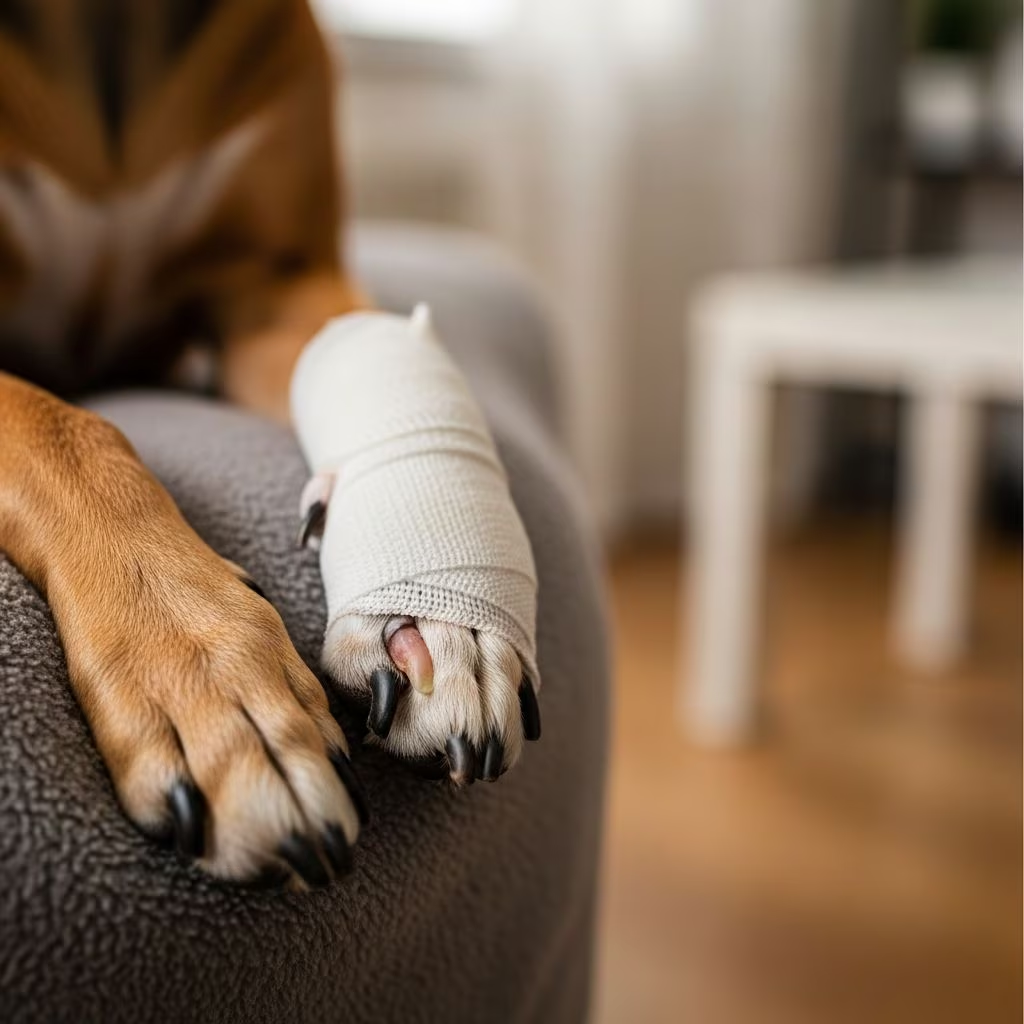
Accidents happen during pet grooming routines, and one of the most common mishaps involves cutting a dog’s nail too short, resulting in bleeding and discomfort. Understanding how to respond immediately, manage the injury, and prevent future occurrences is essential for responsible dog owners who prefer at-home nail maintenance. This comprehensive guide covers everything you need to know about handling nail-trimming accidents and maintaining your dog’s paw health.
Understanding Your Dog’s Nail Structure and the Quick
Before addressing what happens when you cut too short, it’s important to understand canine nail anatomy. A dog’s nail consists of a hard outer shell and an inner core containing blood vessels and nerves, commonly referred to as the quick. The quick delivers blood supply to the nail and causes significant pain and bleeding when damaged.
In light-colored or transparent nails, the quick appears as a pink center visible from the side, making it relatively easy to identify. However, dogs with dark or black nails present a greater challenge, as the quick cannot be seen through the opaque nail. This anatomical difference explains why trimming dark nails requires extra caution and a more conservative approach.
The quick naturally recedes as nails are trimmed regularly, but when trimming is neglected, the quick extends further into the nail, making it progressively more difficult to trim without injury. Understanding this relationship between nail maintenance frequency and quick position is crucial for preventing accidental trauma.
Immediate Response to Accidental Bleeding
If you accidentally clip into the quick during a nail-trimming session, your dog will likely yelp or show signs of discomfort, and bleeding will follow almost immediately. The initial panic is understandable, but remain calm—this is a manageable situation that resolves with proper care.
First aid steps:
- Stay composed and reassure your dog with a calm voice and gentle handling
- Stop the bleeding immediately by applying direct pressure using a clean gauze pad or cloth
- Press firmly on the nail bed for approximately five minutes without releasing pressure
- After initial pressure application, inspect the wound to assess its severity
- Monitor your dog for signs of continued bleeding or infection
Most minor bleeding stops within this five-minute window with consistent pressure application. Your dog will not experience life-threatening blood loss from a nail injury, though the discomfort and bleeding can be distressing for both pet and owner.
Advanced Bleeding Management Techniques
When standard pressure application doesn’t achieve results within five minutes, veterinary-recommended products can help control bleeding more effectively. Several professional-grade options exist for pet owners seeking additional solutions.
Styptic products and hemostatic agents:
- Silver nitrate sticks: These cauterizing agents are available through veterinary clinics and pet supply retailers. Apply the stick directly to the bleeding nail bed to chemically stop the bleeding
- Herbal healing sprays: Formulated specifically for pets, these sprays reduce pain while promoting blood vessel contraction to halt bleeding
- Styptic powder: A common household remedy made from potassium alum that can be applied to the wound site for hemostasis
- Cornstarch or flour: While less effective than commercial products, these kitchen staples can provide temporary clotting assistance in emergency situations
If bleeding continues beyond five minutes despite pressure application, apply a protective bandage and maintain gentle pressure for an additional four to twelve hours. Extended bleeding lasting several hours warrants a consultation with your veterinarian to rule out underlying clotting disorders or nail bed infections.
Post-Injury Monitoring and Aftercare
Once bleeding has stopped, your responsibilities shift to monitoring the wound and supporting your dog’s healing process. Proper aftercare prevents infection and reduces pain during recovery.
Ongoing care considerations:
- Keep the injured nail clean by gently washing the paw with lukewarm water and mild soap
- Prevent your dog from licking or chewing at the injured nail, as this delays healing and increases infection risk
- Observe the nail bed daily for signs of swelling, discharge, or persistent bleeding
- Avoid strenuous activities or excessive walking for 24–48 hours following the injury
- Consider temporary bandaging to protect the wound from dirt and contamination
- Watch for behavioral changes indicating pain, such as limping or reluctance to bear weight on the affected paw
Most nail bed injuries heal within one to two weeks without veterinary intervention if properly managed. However, signs of infection—including redness, swelling, discharge, or increased heat around the nail bed—require professional medical evaluation.
Distinguishing Between Minor and Serious Injuries
Not all nail-trimming accidents are equally severe. Understanding the spectrum of injury severity helps you determine whether home care is sufficient or veterinary attention is necessary.
| Injury Severity | Characteristics | Recommended Action |
|---|---|---|
| Minor | Slight bleeding lasting 5 minutes or less; minimal swelling; dog shows normal behavior within hours | Home treatment with pressure and monitoring |
| Moderate | Bleeding lasting 5–15 minutes; visible nail bed damage; temporary limping; manageable pain | Home treatment with hemostatic agents and protective bandaging |
| Severe | Persistent bleeding exceeding 15 minutes; significant nail or surrounding tissue damage; severe pain or behavioral changes; signs of infection developing | Immediate veterinary consultation recommended |
Severe injuries may involve nail bed damage extending beyond the quick or complications suggesting infection or underlying health conditions. When in doubt, consulting your veterinarian provides peace of mind and ensures your dog receives appropriate care.
Preventing Future Nail-Trimming Accidents
The most effective approach to nail injuries is prevention through proper technique and knowledge. Implementing these strategies significantly reduces the likelihood of accidental cuts.
Nail anatomy assessment before trimming:
- Examine your dog’s nails under good lighting before beginning any trimming session
- Locate the quick visually in light-colored nails or by observing the nail’s center as you trim
- For dark nails, look for a chalky white ring that indicates you’re approaching the quick
- Start by trimming conservatively—remove small amounts, only 1–2 millimeters at a time
- Stop trimming when the center of the nail transitions from light to dark and dense, signaling proximity to the quick
Equipment selection and maintenance:
- Invest in high-quality, sharp nail clippers specifically designed for dogs
- Use u-shaped clippers that conform to your dog’s nail shape without squishing the nail
- Replace or sharpen clippers regularly, as dull tools increase the risk of injury and cause pain
- Consider using a Dremel grinder tool, which allows more controlled, gradual nail reduction
- Maintain consistent RPM settings on electric grinders to prevent overheating and discomfort
Tool selection matters significantly. While guillotine-style clippers are popular, u-shaped clippers provide superior control and safety. Dremel tools offer the greatest precision for gradually reducing nail length, particularly for dogs with extended quicks or dark nails.
Establishing a Sustainable Trimming Schedule
Consistent nail maintenance prevents the quick from extending and makes regular trimming safer and easier. Dogs have highly individual nail growth rates influenced by activity level, surface exposure, and genetics.
Veterinarians recommend checking your dog’s nails every two weeks to assess growth and establish your dog’s personal trimming cycle. Ideally, trim nails before they click audibly on floors or appear to touch the ground. Maintaining this regular schedule keeps the quick short and allows you to trim confidently without excessive caution.
For dogs with extended quicks from previous neglect, gradual weekly Dremel filing reduces the quick over several weeks while maintaining nail health and function. This approach takes patience but safely achieves proper nail length without causing injury or pain.
Behavioral Preparation and Desensitization
A dog’s cooperation significantly influences trimming safety and stress levels. Implementing desensitization protocols before beginning home nail care sets the foundation for successful, injury-free sessions.
Gradual desensitization steps:
- Day 1–2: Gently touch and massage your dog’s paws daily to build comfort with paw handling
- Day 3: Introduce the nail clipper or grinder by allowing your dog to see, hear, and feel these tools without using them
- Day 4: Touch the tools lightly to your dog’s paws and provide treats and praise without actual trimming
- Day 5+: Begin trimming one or two nails at a time while offering continuous positive reinforcement
- Maintain short sessions and allow breaks if your dog becomes uncomfortable
- Always reward successful trims with treats and enthusiastic praise
Starting this process with puppies establishes lifelong comfort with nail care, but adult dogs can be desensitized at any age. Patience and consistency make the difference between a dog that tolerates nail trimming and one that actively cooperates.
Managing Dogs with Anxiety or Behavioral Challenges
Some dogs experience genuine anxiety during nail trims, making the process dangerous for both dog and owner. Strategic approaches help manage these situations safely.
Strategies for anxious dogs:
- Use high-value treats to create positive associations and distract from discomfort
- Trim nails when your dog is naturally calm or tired
- Have a second person help hold and comfort your dog during trimming
- Consider consulting a professional groomer experienced with anxious dogs
- If anxiety is severe, discuss sedation options with your veterinarian for trimming sessions
- Break sessions into multiple short periods rather than completing all nails in one sitting
Prioritizing your dog’s emotional wellbeing alongside physical safety ensures that nail maintenance remains a manageable part of your grooming routine. Professional assistance is always an option when home trimming becomes excessively stressful.
When to Seek Professional Help
Home nail trimming isn’t appropriate or necessary for every dog owner. Professional groomers and veterinarians possess specialized training and equipment for safe, efficient nail care.
Consider professional services if you:
- Feel uncertain about identifying the quick or proper trimming technique
- Have a dog with dark nails or unusually thick nails
- Have experienced repeated trimming accidents
- Have a dog with behavioral challenges during nail care
- Prefer to avoid the stress and potential safety risks of home trimming
- Have a dog with underlying health conditions affecting nail health
Professional groomers typically charge $10–$30 per nail-trimming session, a small investment compared to potential veterinary bills from infections or serious injuries. Many veterinary clinics also offer nail-trimming services if preferred.
Common Questions About Nail-Trimming Accidents
Q: Will my dog bleed to death if I cut the quick?
A: No. While nail bleeding appears dramatic, the amount of blood loss is minimal and non-life-threatening. Proper pressure application stops bleeding within minutes, and your dog will recover fully with appropriate aftercare.
Q: How long does a nail bed injury take to heal?
A: Minor injuries typically heal within one to two weeks. Complete regrowth of a severely damaged nail may take several months.
Q: Should I contact my veterinarian after a minor bleeding incident?
A: For truly minor incidents where bleeding stops quickly and your dog shows normal behavior, veterinary consultation isn’t necessary. However, contact your vet if bleeding persists beyond 15 minutes, signs of infection develop, or your dog shows unusual pain or behavioral changes.
Q: Can I use human nail clippers on my dog?
A: Human clippers can work if they’re extremely sharp, but they’re generally not recommended. Dog-specific clippers are designed for canine nail structure and provide superior control and safety.
Conclusion: Prioritizing Your Dog’s Paw Health
Accidental nail trimming injuries are manageable situations with proper knowledge and preparation. By understanding your dog’s nail anatomy, implementing proper technique, maintaining appropriate tools, and establishing consistent trimming schedules, you minimize injury risk substantially. When accidents do occur, remaining calm and applying appropriate first aid ensures quick recovery and prevents complications. Whether you choose home care or professional services, prioritizing your dog’s paw health contributes to their overall mobility, comfort, and quality of life.
References
- How to Trim Dogs Nails Safely — American Kennel Club. Accessed January 2026. https://www.akc.org/expert-advice/health/how-to-trim-dogs-nails-safely/
- How to Cut Your Dog’s Nails Safely at Home — Goddard Veterinary Group. Accessed January 2026. https://www.goddardvetgroup.co.uk/blog/how-to-cut-your-dogs-nails-safely-at-home/
- How to Cut Your Dog’s Nails: 5 Steps to Safe Nail Trims — Dr. Peter Dobias, DVM. Accessed January 2026. https://peterdobias.com/blogs/blog/5-step-guide-to-easy-painless-and-blood-free-nail-care
- Essential Guidelines for Safely Maintaining Your Dog’s Paw Health — The Rich Groomer. Accessed January 2026. https://therichgroomer.com/nail-trimming-essential-guidelines-for-safely-maintaining-your-dogs-paw-health/
- From Kitty Claws to Dog Paws: A Pet Parent’s Guide to Nailing Nail Trims — Animal Humane Society. Accessed January 2026. https://www.animalhumanesociety.org/resource/kitty-claws-dog-paws-pet-parents-guide-nailing-nail-trims



