

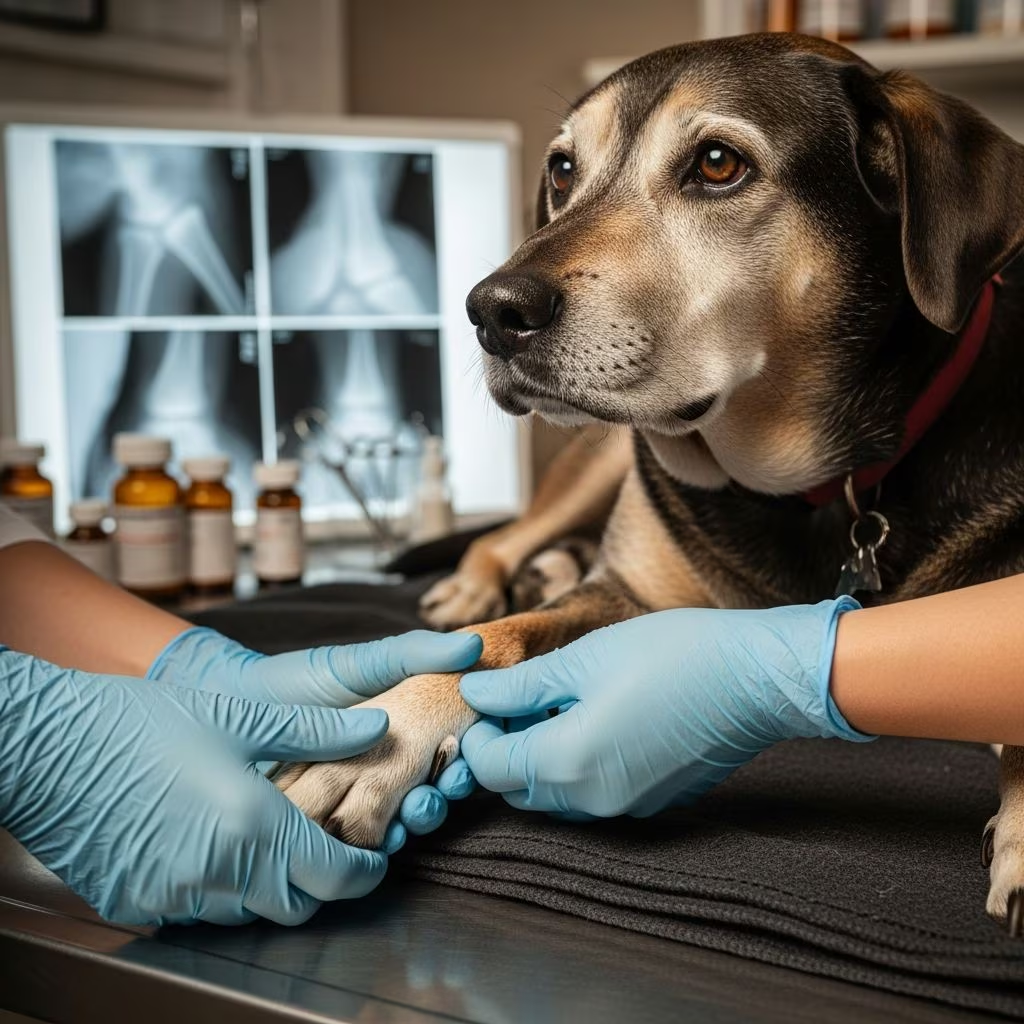
Arthritis in dogs is a progressive degenerative condition that affects millions of pets annually, significantly impacting their mobility, comfort, and quality of life. As dogs age, cartilage within their joints breaks down, leading to chronic pain, inflammation, and reduced activity levels. Fortunately, advances in veterinary medicine have expanded the toolkit available to veterinarians for managing this condition. Modern treatment approaches combine pharmaceutical interventions, emerging biological therapies, and rehabilitative techniques to provide dogs with improved comfort and extended periods of active living.
Understanding the Pharmaceutical Foundation of Arthritis Management
The cornerstone of prescription-based arthritis management in dogs revolves around understanding how different medication classes work to alleviate pain and reduce inflammation. Veterinarians typically employ a systematic approach, beginning with the most proven and accessible options before progressing to specialized treatments based on individual response and disease severity.
The foundation of successful arthritis management requires addressing multiple aspects of the condition simultaneously. Rather than relying on a single medication, contemporary veterinary practice emphasizes multimodal therapy—combining different treatment mechanisms to address pain through various pathways. This approach often results in superior pain control while potentially reducing the dosage requirements of individual medications, thereby minimizing side effects.
Non-Steroidal Anti-Inflammatory Medications: First-Line Defense
Non-steroidal anti-inflammatory drugs (NSAIDs) remain the most widely prescribed pharmaceutical option for managing arthritis in dogs. These medications function by inhibiting cyclooxygenase enzymes, which are responsible for producing inflammatory prostaglandins that cause joint pain and stiffness. The effectiveness of NSAIDs in reducing joint discomfort, decreasing stiffness, and enabling dogs to maintain higher activity levels has made them indispensable in veterinary orthopedic medicine.
Several NSAID formulations are available through veterinary prescription, each with distinct characteristics and dosing schedules:
- Carprofen (Rimadyl): Among the most established NSAID options, carprofen has an extensive safety and efficacy database spanning decades of clinical use. Available in tablet and liquid formulations, it offers flexibility for dogs that may have difficulty with solid medications.
- Meloxicam: Known for its extended half-life, meloxicam typically requires once-daily dosing, improving compliance and consistency in therapeutic levels. Available in various formulations including tablets and oral suspensions.
- Cimicoxib: A newer coxib-class medication that may provide alternative pain relief for dogs that respond inadequately to conventional NSAIDs or experience side effects.
- Enflicoxib: Representing the most recently available medication in the coxib class, enflicoxib is administered on a weekly dosing schedule, potentially improving owner compliance and maintaining stable medication levels.
Response to NSAID therapy varies considerably among individual dogs due to differences in metabolism, disease severity, and underlying conditions. Veterinarians may need to evaluate multiple NSAID options or adjust dosing schedules to achieve optimal pain management. Regular blood work monitoring is essential when using NSAIDs, as these medications can affect kidney and liver function over time. Most veterinarians recommend baseline blood work before starting NSAID therapy and periodic recheck bloodwork to ensure continued safety.
Next-Generation Pharmaceutical Interventions
Beyond traditional NSAIDs, several innovative medication classes have emerged to provide alternative pain management pathways, particularly beneficial for dogs that show inadequate response or adverse reactions to conventional NSAIDs.
Prostaglandin Receptor Antagonists
Grapiprant represents a novel class of non-NSAID, non-Cox-inhibiting drugs designed specifically for osteoarthritis pain management in dogs. This medication functions as a prostaglandin E2 (PGE2) EP4 receptor antagonist, targeting pain signaling through a different biological mechanism than traditional NSAIDs. Galliprant, the proprietary formulation of grapiprant, can be initiated at the earliest signs of osteoarthritis and offers the advantage of daily oral administration with a distinct side effect profile compared to NSAIDs. Many veterinarians view this medication as particularly valuable for dogs that cannot tolerate traditional NSAIDs or require an alternative therapeutic approach.
Nerve Growth Factor Inhibitors
Librela (bedinvetmab injection) represents a breakthrough in osteoarthritis management, receiving FDA approval in May 2023. This monoclonal antibody targets nerve growth factor (NGF), a protein implicated in arthritis pain signaling. By blocking NGF, Librela prevents pain signals from reaching the brain, offering a fundamentally different approach to pain management. Administered as a monthly injection by veterinarians, this medication shows promise for dogs with moderate to severe arthritis that may not respond adequately to oral medications or those experiencing side effects from other treatments.
Adjunctive Pain Management Medications
Beyond primary anti-inflammatory agents, veterinarians frequently incorporate additional medications to enhance overall pain control and address specific pain components:
- Gabapentin: An anticonvulsant medication that effectively manages neuropathic pain components associated with chronic arthritis. Often combined with NSAIDs for enhanced pain relief.
- Tramadol: An opioid analgesic that provides pain relief through central nervous system mechanisms, typically used in conjunction with anti-inflammatory medications rather than as monotherapy.
- Methocarbamol: A muscle relaxant that reduces muscle tension and spasticity associated with arthritic joints, particularly beneficial for dogs experiencing secondary muscle guarding.
The duration required to observe therapeutic benefits varies by medication class. NSAIDs may demonstrate improvement within days to weeks, while some medications, particularly supplements and newer biologics, may require three months of consistent use before maximum benefit becomes apparent.
Targeted Joint Interventions Through Injectable Therapies
Injectable treatments delivered directly into or near affected joints offer concentrated therapeutic action, bypassing systemic circulation and potentially requiring lower overall medication doses.
Joint Lubrication and Cartilage Support
Hyaluronic acid (HA) injections work by altering the metabolism of naturally occurring hyaluronic acid within the joint while simultaneously decreasing arthritis symptoms. These injections can provide substantial relief for arthritic dogs, with many veterinary practices reporting significant success rates. The mechanism involves improving joint fluid quality and providing a lubricating protective layer over cartilage surfaces.
Cartilage-Protective Medications
Polysulfated glycosaminoglycan (PSGAG), marketed under trade names such as Adequan, represents a disease-modifying approach to arthritis treatment. Unlike purely symptomatic treatments, PSGAG actually helps heal damaged cartilage while simultaneously reducing inflammation and improving joint lubrication. Administered as a series of injections under the skin over four weeks followed by ongoing maintenance therapy as recommended by the veterinarian, PSGAG typically demonstrates faster and longer-lasting effects compared to oral supplements. If inadequate improvement occurs after approximately six weeks of treatment, veterinarians may discontinue this intervention and explore alternative options.
Steroid Joint Injections
Corticosteroid injections into affected joints can rapidly reduce inflammation and provide pain relief. However, repeated steroid injections carry risks of cartilage deterioration, making them more appropriate as a final intervention for end-stage disease with minimal remaining cartilage rather than as routine management. Veterinarians must carefully weigh the short-term pain relief benefits against potential long-term cartilage damage when considering steroid injections as part of the treatment protocol.
Advanced Biological and Regenerative Therapies
Emerging technologies offer innovative approaches to address underlying joint damage rather than merely masking pain symptoms.
Platelet-Rich Plasma (PRP) Therapy involves concentrating platelets from the dog’s own blood and re-injecting them into affected joints. These platelets release growth factors that stimulate healing processes, decrease inflammation, and improve joint mobility in many treated dogs. The autologous nature of PRP means there are minimal rejection risks, as the treatment uses the patient’s own biological materials.
Stem Cell Therapy represents the frontier of regenerative medicine for canine arthritis. Stem cells collected from the dog’s own fat tissue are injected into damaged joints where they support cartilage repair, reduce chronic pain, and improve mobility. While more expensive than conventional treatments, stem cell therapy shows promise for dogs with severe arthritis or those inadequately responsive to standard medications.
Integrated Physical Rehabilitation Approaches
Pharmaceutical management achieves optimal results when combined with structured physical rehabilitation. Physical therapy addresses multiple therapeutic goals including weight loss, reduced pain and inflammation, increased range of motion, improved balance, and increased muscle strength.
Specific physical therapy techniques include:
- Passive range of motion exercises to maintain joint flexibility
- Therapeutic treadmill exercise with controlled intensity and duration
- Underwater treadmill therapy providing buoyancy support while enabling movement
- Massage techniques to improve circulation and reduce muscle tension
- Therapeutic exercises designed by certified rehabilitation practitioners
Working with a certified small animal physical rehabilitation specialist ensures that exercise prescriptions match individual dog capabilities and disease status, preventing exacerbation of symptoms while maximizing therapeutic benefit.
Complementary and Alternative Physical Modalities
Beyond pharmaceutical and rehabilitative approaches, several physical modalities have demonstrated clinical effectiveness in reducing arthritis-related pain and inflammation:
| Modality | Mechanism of Action | Clinical Application |
|---|---|---|
| Laser Therapy | Low-level lasers decrease inflammation and pain through non-invasive sessions using penetrating light to enhance oxygen and blood flow to joints | Painless sessions suitable for dogs with severe mobility limitations |
| Acupuncture | Insertion of thin needles at specific body points; clinical evidence supports pain reduction when combined with multimodal therapy approaches | Particularly effective for chronic joint pain management |
| Shockwave Therapy | High-intensity sound waves decrease inflammation and treat arthritis through acoustic stimulation | Alternative for dogs not responding to conventional treatments |
| Electrical Stimulation | Neuromuscular or transcutaneous electrical nerve stimulation strengthens muscles and reduces muscle wasting while providing pain relief | Helpful for dogs with severe mobility issues or muscle atrophy |
| Joint Mobilization | Therapeutic manipulation of affected joints to improve range of motion | Performed by rehabilitation specialists |
Surgical Interventions for Severe Cases
When conservative management proves inadequate, surgical options may provide significant benefit. These include joint stabilization procedures (such as tibial plateau leveling osteotomy for cruciate ligament ruptures), arthroscopic removal of cartilage or bone fragments, and joint replacement surgery using prosthetic components. Surgical decisions should be made in consultation with board-certified orthopedic surgeons who can evaluate specific joint pathology and overall patient health status.
Establishing Successful Long-Term Management Plans
Effective arthritis management requires individualized treatment protocols that account for disease severity, comorbid conditions, medication tolerance, and owner capability. Regular veterinary reassessment—typically every 4-6 weeks when initiating therapy and then at longer intervals once stabilized—allows for medication adjustments and identification of emerging complications.
Documentation of treatment response, side effects, and functional improvements enables veterinarians and owners to make informed decisions about continuing current protocols, modifying dosages, or introducing additional therapeutic elements. The goal extends beyond mere pain suppression to maintaining quality of life, enabling continued activity participation, and supporting long-term joint health.
References
- Prescription Medications for Pain Relief — Petfolk. 2024. https://petfolk.com/petfolklore/blog-best-arthritis-medicine-and-treatment-for-dogs
- Dog Arthritis Treatment: How To Help a Dog With Arthritis — PetMD. 2024. https://www.petmd.com/dog/general-health/dog-arthritis-treatment-how-to-help-a-dog
- What Are The Treatment Options For Dogs And Cats With Arthritis? — Mobile Pet Doc. 2024. https://mobilepetdoc.com/what-are-the-treatment-options-for-dogs-and-cats-with-arthritis/
- Common Treatments for Dog Arthritis — GoodRx. 2024. https://www.goodrx.com/pet-health/dog/dog-arthritis-tips-treatment-relief
- Advances in the pharmaceutical treatment options for canine osteoarthritis — National Center for Biotechnology Information (PMC). 2022. https://pmc.ncbi.nlm.nih.gov/articles/PMC9790257/
- Arthritis Treatment for Dogs by Gladesville Veterinary Hospital — Gladesville Veterinary Hospital. 2024. https://www.gladesvillevet.com.au/pet-health-care-information/arthritis-treatment/
- Arthritis in Dogs — VCA Animal Hospitals. 2024. https://vcahospitals.com/know-your-pet/arthritis-in-dogs
- Arthritis Management and Prevention — Colorado State University Veterinary Teaching Hospital. 2024. https://vetmedbiosci.colostate.edu/vth/services/orthopedic-medicine/arthritis-management-and-prevention/



