

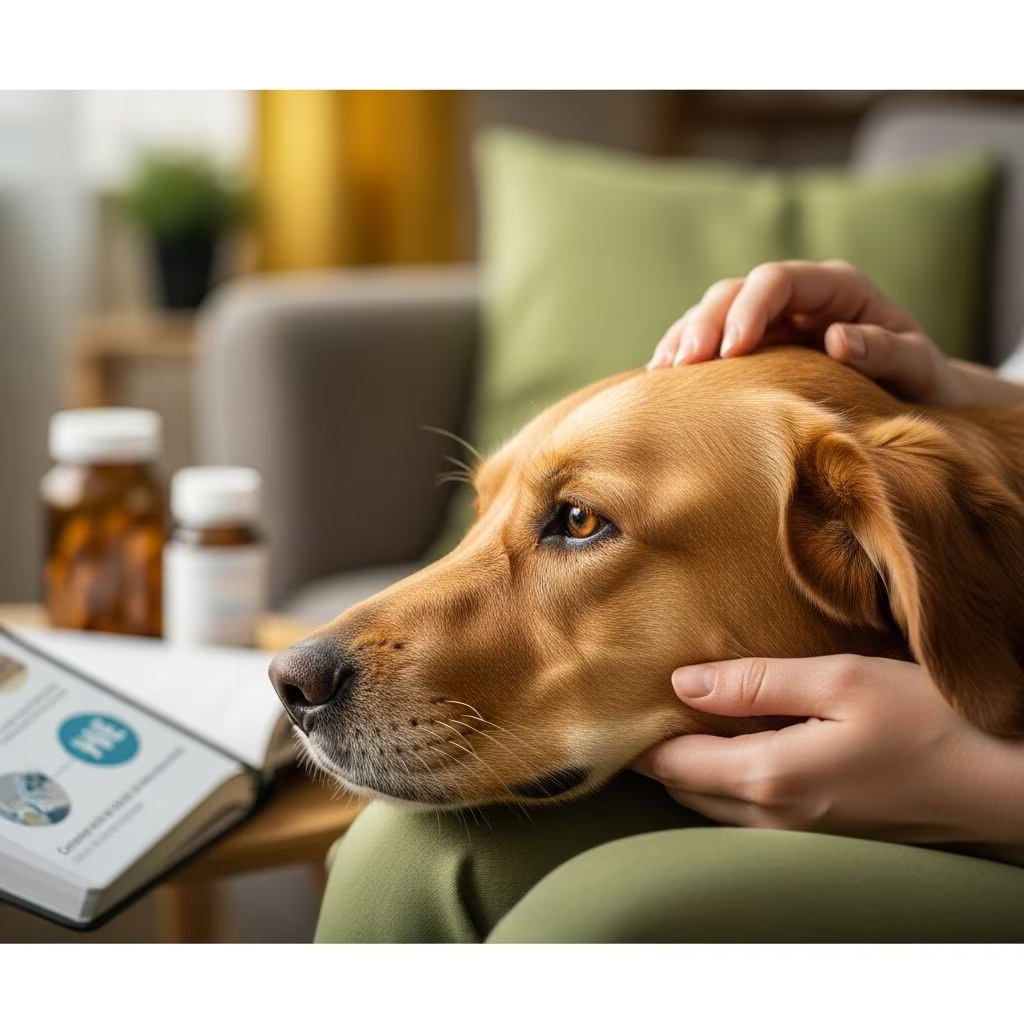
Hypothyroidism is a common endocrine disorder in dogs characterized by insufficient production of thyroid hormones, leading to slowed metabolism and various health issues. Treatment primarily involves lifelong oral administration of synthetic thyroid hormone replacement, such as levothyroxine, which effectively restores normal hormone levels and reverses symptoms when properly managed.
Understanding the Condition in Dogs
Canine hypothyroidism most often results from primary thyroid gland destruction, typically due to lymphocytic thyroiditis or idiopathic atrophy, affecting middle-aged dogs of breeds like Golden Retrievers, Dobermans, and Boxers. Dogs exhibit lethargy, weight gain despite reduced appetite, hair loss, skin infections, and intolerance to cold. Early recognition through veterinary evaluation is crucial for prompt intervention.
Diagnostic Approaches
Diagnosis begins with a thorough history, physical exam, and baseline bloodwork showing non-specific findings like elevated cholesterol and mild anemia. Screening total T4 (TT4) levels below the reference range prompts confirmatory tests including free T4, TSH, or thyroid autoantibodies. Avoid false positives from drugs like phenobarbital or high-dose glucocorticoids.
- Initial screening: Total T4 concentration.
- Confirmatory: TSH elevation with low T4.
- Rule out concurrent illnesses.
Primary Treatment: Levothyroxine Therapy
The cornerstone of therapy is levothyroxine sodium, available as FDA-approved products like Thyro-Tabs Canine and ThyroKare. Starting dose is typically 0.02 mg/kg orally, administered once or twice daily on an empty stomach for optimal absorption. Obese dogs require dosing based on lean body weight.
| Dosing Schedule | Frequency | Notes |
|---|---|---|
| 0.02 mg/kg | q12h or q24h | Empty stomach; adjust per monitoring. |
| Lean body weight basis | For obese dogs | Prevents overdose. |
| Reduced start (25% dose) | Cardiac/DM patients | Gradual increase every 2 weeks. |
Improvements in energy and attitude occur within days to weeks, while skin and coat changes may take 1-4 months.
Optimizing Medication Administration
Consistency is key: give levothyroxine without food to maximize bioavailability, or maintain the same fed state for monitoring. Tablets come in various strengths for precise dosing tailored to body weight. Lifelong therapy is required as the condition is not curable.
- Avoid human formulations due to dosing differences.
- Monitor for iatrogenic hyperthyroidism signs like panting or aggression.
- Transition to once-daily after stabilization if effective.
Monitoring Treatment Success
Recheck 4 weeks post-initiation with post-pill TT4 (4-6 hours after dose) targeting upper reference range. Adjust by 25% increments if needed, retesting every 2-4 weeks until stable. Thereafter, monitor every 6-12 months. TSH normalization confirms efficacy but is optional.
Clinical response trumps lab values: expect weight loss, increased activity, and hair regrowth. Persistent issues warrant dose increase, compliance check, or reevaluation for concurrent diseases.
Potential Challenges and Solutions
Treatment failure often stems from poor compliance, variable absorption, or misdiagnosis. If T4 is therapeutic but signs persist, consider twice-daily dosing or comorbidities like allergies. Adverse effects from overdose mimic hyperthyroidism and resolve with dose reduction.
| Issue | Solution |
|---|---|
| No improvement in 4-6 weeks | Increase dose 25%; retest T4. |
| Overdose signs | Decrease 25%; monitor. |
| GI upset | Consistent fed/fasted state. |
Supporting Your Dog’s Recovery
Beyond medication, provide a balanced diet, regular exercise, and skin care to aid recovery. Omega-3 supplements may support coat health, but consult your vet. Annual wellness exams ensure ongoing management.
Prognosis with Proper Care
With adherence to therapy, most dogs achieve excellent outcomes, regaining vitality and normal appearance. Lifelong commitment yields a normal lifespan without complications.
Frequently Asked Questions
Is hypothyroidism curable in dogs?
No, it requires lifelong hormone replacement, but it’s highly manageable.
How soon do symptoms improve?
Energy boosts in days; full skin recovery in months.
Can I adjust the dose myself?
No, always consult your veterinarian for bloodwork-guided changes.
What if my dog refuses pills?
Discuss liquid formulations or compounding with your vet.
Are there breed predispositions?
Yes, common in medium-to-large breeds like Labs and Huskies.
References
- Hypothyroidism in Dogs: The Ultimate Guide — ToeGrips. 2023. https://toegrips.com/hypothyroidism-in-dogs/
- 2023 AAHA Selected Endocrinopathies of Dogs and Cats Guidelines: Therapy — American Animal Hospital Association (AAHA). 2023. https://www.aaha.org/resources/2023-aaha-selected-endocrinopathies-of-dogs-and-cats-guidelines/therapy/
- Canine Hypothyroidism: Diagnosis and Treatment — Today’s Veterinary Practice. 2023. https://todaysveterinarypractice.com/endocrinology/canine-hypothyroidism-diagnosis-and-treatment/
- Hypothyroidism in Dogs — VCA Animal Hospitals. 2023. https://vcahospitals.com/know-your-pet/hypothyroidism-in-dogs
- Hypothyroidism in Dogs—There are FDA-Approved Drugs to Treat It — U.S. Food and Drug Administration (FDA). 2023. https://www.fda.gov/animal-veterinary/animal-health-literacy/hypothyroidism-dogs-there-are-fda-approved-drugs-treat-it
- Hypothyroidism — Cornell University College of Veterinary Medicine. 2023. https://www.vet.cornell.edu/departments-centers-and-institutes/riney-canine-health-center/canine-health-information/hypothyroidism
- Hypothyroidism in Animals — Merck Veterinary Manual. 2023. https://www.merckvetmanual.com/endocrine-system/the-thyroid-gland/hypothyroidism-in-animals
- A fool-proof method for managing hypothyroidism in dogs — dvm360. 2023. https://www.dvm360.com/view/fool-proof-method-managing-hypothyroidism-dogs



