

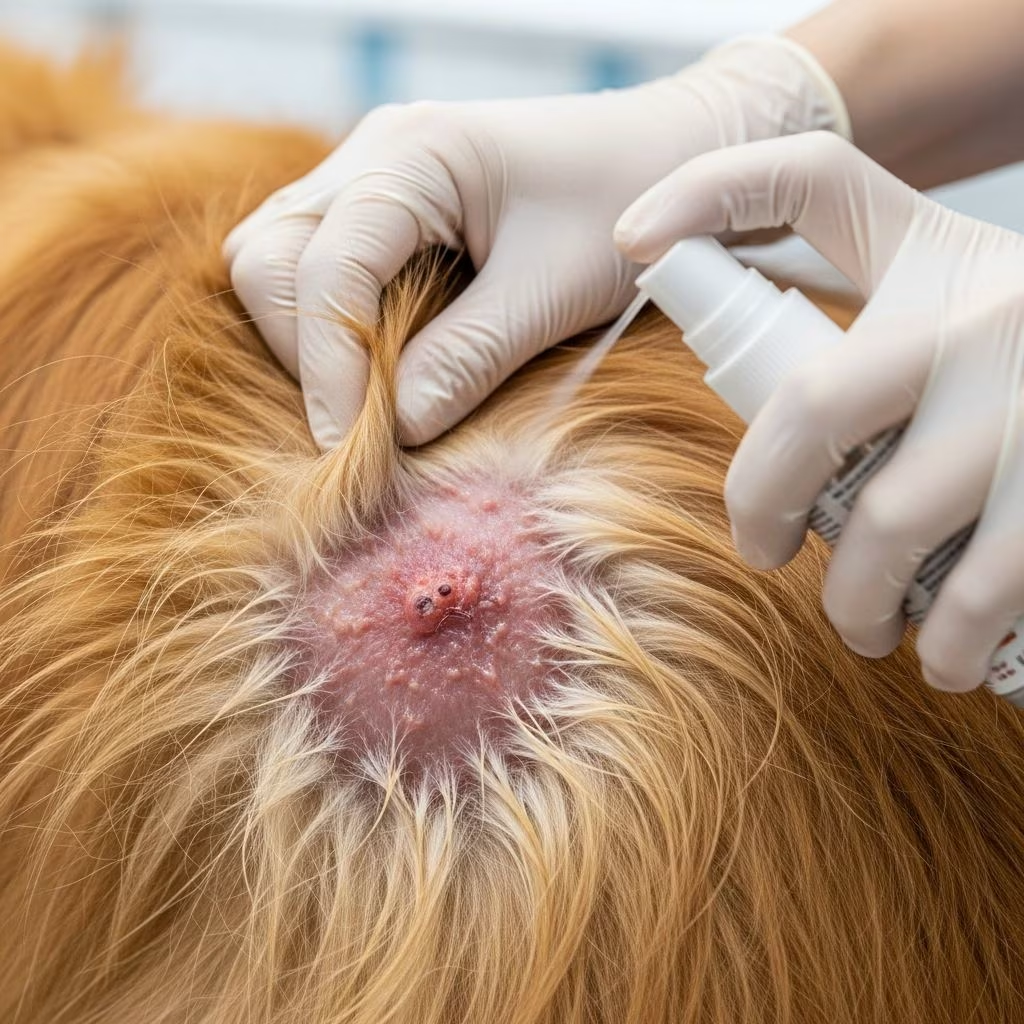
Hot spots, known medically as acute moist dermatitis, represent a common yet painful skin condition in dogs that demands prompt attention to halt progression and promote recovery. These self-inflicted wounds arise when dogs excessively lick, chew, or scratch a localized area, leading to rapid tissue damage, moisture buildup, and secondary bacterial invasion. Understanding their formation empowers pet owners to intervene swiftly, minimizing discomfort and veterinary costs.
Recognizing the Signs of Hot Spots in Dogs
Early detection proves crucial since hot spots can expand from a small irritation to a large, oozing lesion within hours. Watch for circular patches of red, inflamed skin that feel warm to the touch and exude moisture or pus. Affected dogs often display frantic behaviors such as nonstop biting or rubbing against furniture, accompanied by whining or restlessness. Common sites include the head, paws, hips, and tail base, though any furred area can be involved.
- Visual cues: Bright red, raised borders with central hair loss and sticky discharge.
- Behavioral indicators: Sudden obsession with one spot, leading to bald patches.
- Physical symptoms: Heat, swelling, foul odor signaling infection.
Differentiating hot spots from dry, flaky conditions like mange or fungal infections requires observing the moist, rapidly worsening nature. If unsure, consult a vet to rule out deeper issues.
Primary Triggers Behind Hot Spot Development
Hot spots stem from an itch-scratch cycle where initial irritants prompt self-trauma that perpetuates damage. Insect bites, particularly from fleas or mosquitoes, rank high among starters, injecting allergens that provoke intense reactions. Allergies to food proteins, pollen, or household chemicals similarly inflame skin, urging dogs to groom excessively.
| Trigger Category | Examples | Why It Leads to Hot Spots |
|---|---|---|
| Insect-Related | Fleas, ticks, flies | Bites cause localized itching and saliva introduces bacteria. |
| Allergic Reactions | Food, environment, contact | Chronic itch overrides normal grooming. |
| Physical Factors | Matting fur, water exposure | Traps moisture, fostering bacterial growth. |
| Health Conditions | Arthritis pain, anxiety | Excessive licking displaces discomfort. |
Breeds with thick or water-resistant coats, such as Golden Retrievers or Labradors, face heightened risk due to poor drying after swims or baths.
Immediate Steps for Home Treatment
Act quickly upon spotting a hot spot to interrupt the cycle. Begin by gently restraining your dog to prevent further injury, then use clippers—not scissors—to shear fur at least one inch beyond the lesion’s edges. This exposes the skin to air, reducing moisture that bacteria thrive on.
- Clean thoroughly: Flush with sterile saline or diluted chlorhexidine solution at moderate pressure to remove debris without aggravating the wound. Avoid hydrogen peroxide, which delays healing.
- Apply protectants: Use vet-recommended sprays like antimicrobial hot spot formulas safe for incidental licking. Over-the-counter antibiotic ointments such as Neosporin offer relief for mild cases, though monitor for ingestion.
- Barrier protection: Fit an Elizabethan collar (cone) or recovery suit immediately. These devices block access, essential since licking reintroduces saliva bacteria.
Bathe the entire body with medicated shampoo containing chlorhexidine to eliminate allergens or parasites elsewhere, preventing satellite lesions. Pat dry completely, using fans if needed for thick-coated breeds.
Advanced Veterinary Interventions
For severe or non-responsive hot spots spanning over two inches or showing pus/discharge, professional care becomes mandatory. Vets often sedate dogs for painless clipping and deep cleaning, followed by prescription topicals or oral meds. Recent guidelines emphasize topical antimicrobials over systemic antibiotics for uncomplicated cases, curbing resistance.
- Anti-inflammatories: Steroids like prednisone or oclacitinib reduce swelling and itch rapidly.
- Antibiotics: Reserved for confirmed infections, paired with pain relief like gabapentin if licking stems from discomfort.
- Diagnostic workup: Skin scrapes, allergy tests, or flea combing to pinpoint causes.
Follow-up visits ensure healing; most resolve in 7-14 days with compliance.
Natural Remedies to Support Healing
Complementary options can ease mild hot spots alongside conventional care. Pure aloe vera gel, sourced from plant leaves, provides cooling anti-inflammatory effects via chromones, plus antibacterial vitamins. Apply thinly after cleaning, ensuring no xylitol additives. Coconut oil’s lauric acid combats microbes topically or internally via diet supplementation—one teaspoon daily for medium dogs curbs allergies.
Vitamin E oil from capsules soothes itch when drizzled on food, acting as an antioxidant barrier against oxidative skin stress. Benadryl (diphenhydramine) at 1mg per pound every 8 hours offers antihistamine relief, but vet approval prevents overdose drowsiness. These remedies shine for prevention but lack strength for infected sites.
Long-Term Strategies to Prevent Recurrence
Eliminating root causes halts repeat episodes, vital for chronic sufferers. Implement year-round flea preventives like topical or oral formulations, rigorously checking environments. Switch to hypoallergenic or raw diets if food trials reveal sensitivities, noting improvements in weeks.
Regular grooming—brushing weekly, professional trims seasonally—prevents mats. For atopy-prone dogs, desensitization shots or apoquel build tolerance. Arthritis management via NSAIDs like carprofen reduces compensatory licking. Monitor high-risk periods like summer bug season or post-bath.
Frequently Asked Questions
Can hot spots heal without a vet visit?
Mild, small lesions often resolve with diligent home care—clipping, cleaning, and coning—for 3-5 days. Worsening mandates professional evaluation.
Is Neosporin safe for dogs?
Yes, in thin layers for superficial wounds, but cones prevent licking as ingestion risks GI upset.
How long do hot spots take to heal?
Typically 7-10 days with treatment; neglect extends to weeks with scarring.
Do all dogs get hot spots?
No, but long-haired, allergy-prone, or water-loving breeds are predisposed.
Can I use human creams on hot spots?
Avoid; hydrocortisone potency varies, risking toxicity. Opt for pet-specific products.
Breeds Most Susceptible and Tailored Advice
Double-coated retrievers and shepherds suffer most from trapped moisture. Provide post-swim drying sessions and oatmeal shampoos. Single-coated pit bulls may react to grass pollen—rinse paws after walks. Tailor prevention to lifestyle for optimal skin health.
In summary, vigilance transforms hot spot management from crisis to routine. Consistent care restores comfort swiftly.
References
- Hot Spots on Dogs: How to Treat and Prevent Them — OVRS. Accessed 2026. https://www.ovrs.com/blog/hot-spots-on-dogs-how-to-treat-and-prevent-them/
- Treating Hot Spots on your dog — FurEver Friends of North Carolina. Accessed 2026. https://fureverfriendsnc.org/treating-hot-spot-on-your-dog/
- Hot Spots on Dogs: Causes, Treatment, and Home Remedies — PetMD. Accessed 2026. https://www.petmd.com/dog/general-health/hot-spots-dogs
- First Aid for Hot Spots in Dogs — VCA Animal Hospitals. Accessed 2026. https://vcahospitals.com/know-your-pet/first-aid-for-hot-spots-in-dogs
- Hot Spot Treatments and Prevention on Dogs — American Kennel Club. Accessed 2026. https://www.akc.org/expert-advice/health/hot-spots-on-dogs/
- Hot Spots on Dogs — Small Door Veterinary. Accessed 2026. https://www.smalldoorvet.com/learning-center/what-to-do/hot-spot-in-dogs
- That itches! A guide to canine hot spots — Virginia Tech Veterinary Teaching Hospital. 2025. https://vth.vetmed.vt.edu/animal-care-tips/vetmed-pet-canine-hot-spots.html



