

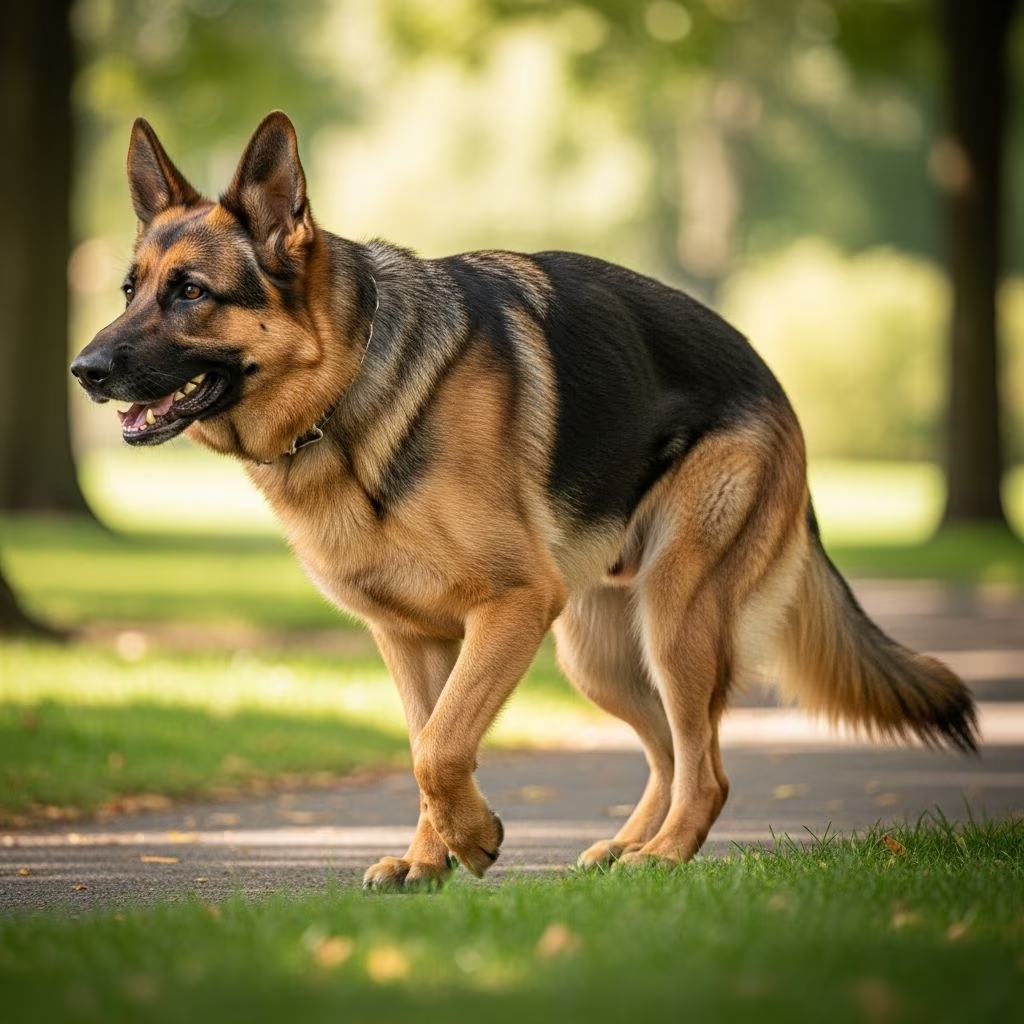
Hip dysplasia is a prevalent orthopedic disorder in dogs where the hip joint fails to develop properly, resulting in instability, pain, and progressive degeneration. This condition primarily affects large and giant breeds but can occur in any dog, leading to osteoarthritis if unmanaged. Early intervention through conservative measures or surgery can significantly improve quality of life.
Understanding the Anatomy and Development of Hip Dysplasia
The hip joint consists of the femoral head (ball) and acetabulum (socket). In healthy dogs, these fit snugly for smooth movement. Hip dysplasia arises from abnormal development, causing laxity where the ball moves loosely in the socket, leading to joint capsule stretching, ligament damage, and eventual cartilage wear.
Puppies are born with normal hips, but genetic factors trigger malformation during growth. Rapid growth exacerbates this, as excessive nutrition or diminished muscle mass increases severity. Environmental influences like over-exercise on hard surfaces during puppyhood contribute, turning genetic predisposition into clinical disease.
Recognizing Early Warning Signs
Symptoms often appear between 6-12 months or after age 3 when arthritis worsens. Common indicators include:
- Reluctance to rise, jump, or climb stairs
- Bunny-hopping gait with hind legs moving together
- Mild to severe lameness, worse after exercise
- Stiffness, especially in mornings or after rest
- Grating sound or reduced range of motion in hips
- Muscle wasting in hindquarters
Owners may notice decreased activity or pain during petting near hips. Early detection via veterinary exam prevents progression.
Risk Factors and Breed Predispositions
Genetics is the cornerstone, with heritability high in breeds like German Shepherds, Labrador Retrievers, Golden Retrievers, and Rottweilers. Large breeds face higher risk due to joint stress from size. Other factors include:
| Factor | Description | Impact |
|---|---|---|
| Genetic | Inherited poor joint conformation | Primary cause |
| Nutrition | High-calorie diets promoting rapid growth | Increases laxity |
| Exercise | Excessive during growth phase | Worsens instability |
| Obesity | Added joint stress | Accelerates OA |
Responsible breeding using OFA or PennHIP screening reduces incidence.
Diagnostic Approaches for Accurate Assessment
Veterinarians diagnose via physical exams testing joint laxity, gait analysis, and imaging. X-rays under sedation reveal shallow acetabulum, femoral head subluxation, or arthritis. Advanced tools like force platform gait analysis quantify lameness objectively.
Screening protocols for breeding dogs include Orthopedic Foundation for Animals (OFA) certification at 2 years or PennHIP at 4-6 months for early prediction. Blood tests or arthroscopy may rule out other issues.
Conservative Management Strategies
Many dogs thrive on non-surgical approaches controlling pain and supporting joint health. Core elements include:
- Weight Control: Reducing body weight lessens hip stress; even 10% loss improves mobility.
- Exercise Modification: Low-impact activities like swimming or walking on soft surfaces build muscle without strain. Avoid jumping or stairs.
- Physical Rehabilitation: Therapy enhances strength, flexibility, and circulation via hydrotherapy, massage, or controlled exercises.
Anti-inflammatory drugs like NSAIDs (e.g., Galliprant) reduce pain and swelling. Joint fluid modifiers and chondroprotectants like Adequan injections lubricate and protect cartilage.
Nutritional Supplements and Diets
Supplements target inflammation and joint repair:
- Omega-3 fatty acids from fish oil decrease OA pain.
- Glucosamine and chondroitin sulfate support cartilage.
- Green-lipped mussel extracts offer anti-inflammatory benefits.
Prescription joint health diets with controlled calories and added nutraceuticals aid weight management and OA control.
Advanced Medical Therapies
Emerging options include:
- Stem Cell Injections: Adipose-derived stem cells reduce lameness for up to 6 months, outperforming platelet-rich plasma in owner assessments.
- Acupuncture: Boosts muscle strength, mobility, and pain relief.
- Injectable Antibodies: Block pain signals.
- Low-Level Therapies: Ice, heat, or laser therapy soothe joints.
These complement conservative care for multimodal relief.
Surgical Interventions for Severe Cases
When medical management fails, surgery restores function:
| Procedure | Best For | Outcomes |
|---|---|---|
| Triple Pelvic Osteotomy (TPO) | Young dogs (6-12 months), no OA | Corrects laxity, preserves joint; pain-free gait |
| Femoral Head Ostectomy (FHO) | Smaller dogs or cost-effective option | Removes head; scar tissue forms new joint, good pain relief |
| Total Hip Replacement (THR) | Adults with severe OA | Prosthetic joint; normal motion and function |
Success rates exceed 90% for THR, with dogs resuming normal activity.
Prevention Through Breeding and Puppy Care
Screen breeding stock via hip scores to lower heritability. For puppies:
- Balanced, moderate-calorie diet avoiding rapid growth
- Controlled exercise on soft surfaces
- Early joint supplements if at risk
- Regular vet checks for growing breeds
These minimize environmental triggers on genetic risks.
Lifestyle Adjustments for Long-Term Comfort
Provide orthopedic beds, ramps for cars/beds, and non-slip flooring. Daily routines with hydrotherapy maintain muscle. Monitor weight and adjust treatments as arthritis progresses.[10]
Prognosis and Quality of Life Expectations
With management, most dogs lead active lives. Conservative therapy suits mild cases; surgery excels in severe ones. Lifespan impact is minimal if pain is controlled, though OA is irreversible.
Frequently Asked Questions (FAQs)
Can hip dysplasia be cured in dogs?
No cure exists, but treatments manage symptoms effectively, preventing progression.
Is hip dysplasia painful for dogs?
Yes, it causes significant pain from instability and OA, but relief is achievable.
What breeds are most prone to hip dysplasia?
Large breeds like Labs, Shepherds, and Rottweilers.
How much does hip dysplasia surgery cost?
Varies; THR $3,500-$7,000 per hip, FHO less. (Note: Costs approximate; consult vet.)
Can diet alone fix hip dysplasia?
Diet supports management via weight control and supplements but doesn’t fix the joint.
References
- Diagnosis, prevention, and management of canine hip dysplasia — PMC/NCBI. 2018-07-26. https://pmc.ncbi.nlm.nih.gov/articles/PMC6070021/
- Hip Dysplasia in Dogs: Signs, Symptoms, Treatment — American Kennel Club. 2023. https://www.akc.org/expert-advice/health/hip-dysplasia-in-dogs/
- Hip Dysplasia in Dogs | Causes, Prevention and Treatment — Bliss Animal Hospital. 2024. https://blissanimalhospital.com/blog/hip-dysplasia-in-dogs/
- Canine Hip Dysplasia — Texas A&M Veterinary Medical Teaching Hospital. 2023. https://vethospital.tamu.edu/small-animal/orthopedics/canine-hip-dysplasia/
- Canine Hip Dysplasia Treatment and Surgery — Bridger Veterinary Specialists. 2023. https://www.bridgervetspecialists.com/services/hip-dysplasia-treatment-surgery.html
- Hip Dysplasia in Dogs – Signs, Symptoms, Diagnosis and Treatment — Morris Animal Foundation. 2024. https://www.morrisanimalfoundation.org/article/disease/hip-dysplasia-in-dogs
- Hip Dysplasia in Dogs: Signs, Treatment, Surgery — PetMD. 2024. https://www.petmd.com/dog/conditions/musculoskeletal/hip-dysplasia-dogs



