

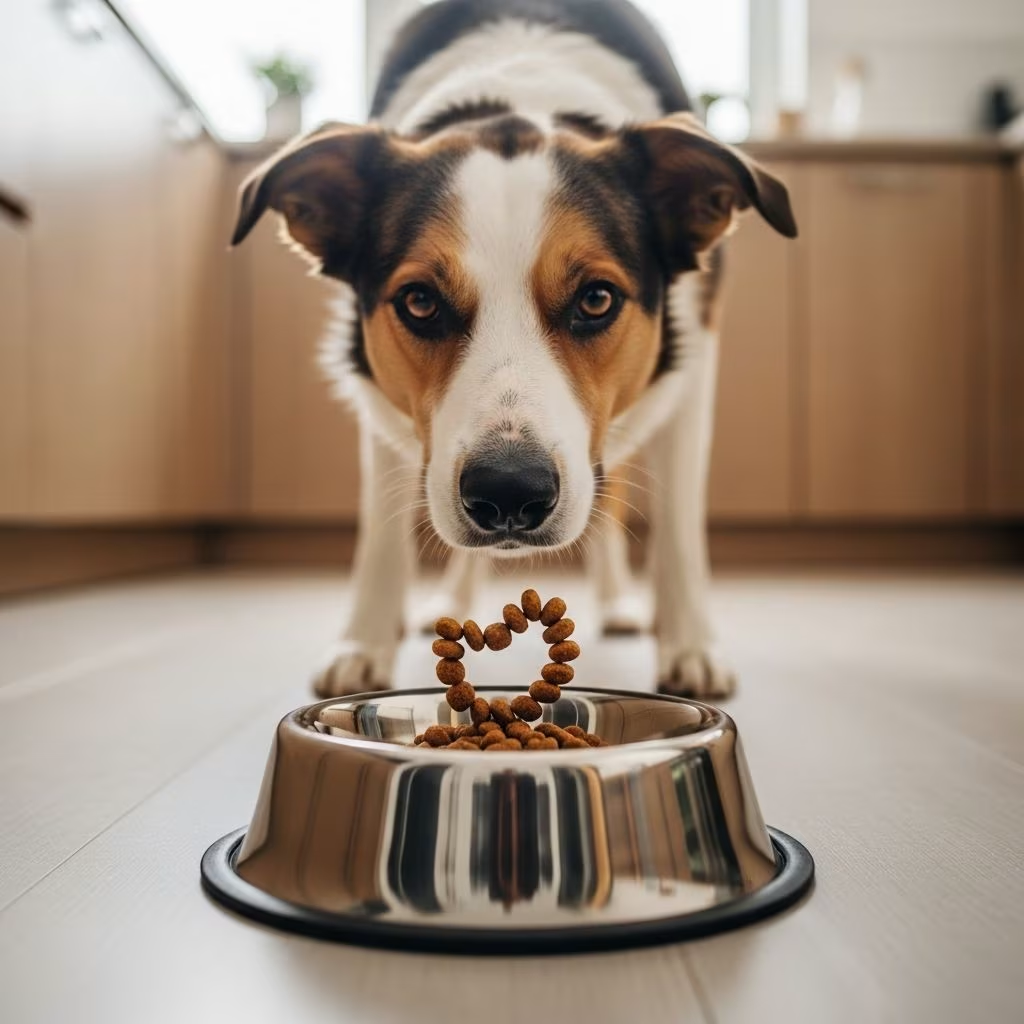
Food aggression represents one of the most concerning behavioral challenges dog owners face, yet it remains widely misunderstood. When a dog displays protective or hostile reactions around meals or treats, owners often struggle to determine whether this behavior signals a minor concern or a serious safety threat. Understanding the spectrum of food-guarding behaviors, their underlying causes, and evidence-based management approaches is essential for maintaining harmony in homes with dogs.
Recognizing Food Guarding Behavior
Food aggression encompasses a range of defensive behaviors that dogs display when they perceive a threat to their food or valued food items. These behaviors are rooted in a dog’s natural survival instincts, though they become problematic when directed toward people, particularly children. The manifestation of food guarding can vary dramatically from one dog to another, reflecting differences in temperament, experience, and anxiety levels.
Dogs are particularly prone to displaying protective behaviors around items they perceive as high-value. Foods that are especially palatable or desirable—such as canned meals, special treats, bones, rawhide chews, or pig’s ears—trigger more intense guarding responses than mundane kibble. This preference explains why some dogs may seem perfectly calm during regular mealtimes but transform when offered a more enticing item.
The Spectrum of Food Guarding Responses
Food aggression doesn’t present uniformly across all dogs or situations. Veterinary behaviorists and animal behavior specialists recognize distinct levels of severity that help owners understand the urgency of intervention.
Subtle Warning Signs
The earliest indicators of food guarding often go unnoticed by casual observers. These mild manifestations serve as important red flags that a dog is beginning to feel protective about their meals. Subtle signs include body stiffening, rapid gulping or inhaling food, freezing in place when approached, and maintaining intense eye contact with approaching individuals or pets. Dogs may also crouch protectively over their bowl, use their body to block access, pin their ears back, or grab items and relocate them to a safer location.
A dog displaying these early warning signs is communicating discomfort without yet resorting to confrontation. This stage represents an ideal intervention point, as behavior modification tends to be most successful before dogs escalate to more overt aggression.
Escalated Aggressive Displays
When food guarding progresses beyond subtle signals, dogs begin using more obvious intimidation tactics. Moderate food aggression involves growling—ranging from low rumbles to audible warnings—along with lip curling, snarling, showing teeth, and hard staring with fixed eye contact. Some dogs may also raise their hackles over their shoulders, creating an appearance of increased size and threat.
At this level, dogs are providing clear warnings that they’re willing to defend their resources. Many incidents can be prevented at this stage through environmental management and professional guidance.
Severe Protective Responses
The most dangerous manifestation of food aggression involves physical contact. Dogs displaying severe food guarding snap, lunge, or bite when approached or touched during mealtimes or when near valued items. Some may even chase people or other animals away from their protected resources. These behaviors pose genuine safety risks, particularly in households with children or multiple pets.
Understanding Root Causes and Contributing Factors
Food aggression rarely develops without reason. Multiple interconnected factors—both genetic and environmental—contribute to whether a dog develops protective behaviors around food.
Early Life Competition and Scarcity
One of the most significant risk factors is competition for food during puppyhood. Puppies raised in litters frequently experience mealtime chaos, where littermates compete for access to limited food resources. In many households, litters eat from communal bowls, creating a “free-for-all” dynamic that rewards speed and aggression.
Puppies who successfully dominate these early feeding situations may learn that aggressive displays effectively secure their share. Dogs who experienced genuine food scarcity—whether during puppyhood or in rescue situations—often develop heightened protective responses because their past taught them that aggression was necessary for survival. Any puppy exhibiting food guarding before 16 weeks of age should be evaluated by a veterinarian, as this represents an early sign of aggressive behavior development.
Genetic Predispositions and Breed Tendencies
Certain genetic factors influence a dog’s likelihood of developing food guarding behaviors. Dog breeds with historical guarding backgrounds, including German Shepherds and Dobermans, show increased predisposition to resource guarding. Mixed-breed dogs may also inherit these tendencies from their ancestors.
Beyond breed, individual temperament plays a crucial role. Dogs who are naturally shy, fearful, or anxious tend to feel threatened more readily, making them more likely to adopt protective stances around valued resources. Personality traits interact with environmental factors to shape behavioral outcomes.
Trauma and Adverse Experiences
Dogs who have experienced abuse, fighting with other dogs, or other traumatic events may develop food aggression as a learned survival response. Rescue dogs from neglectful or abusive situations often guard food as a survival mechanism, having learned that their safety depends on protecting their resources. These behavioral patterns can persist even after the dog reaches safety and receives proper care.
Medical and Pain-Related Factors
Not all food aggression stems from behavioral or emotional causes. Medical conditions—including dental problems like cracked teeth or gum inflammation, gastrointestinal issues causing discomfort, and conditions like arthritis that make movement painful—can trigger or intensify food guarding behaviors. When eating or moving away from their bowl causes pain, dogs may adopt aggressive postures to protect themselves from further discomfort.
Even easygoing dogs with naturally gentle temperaments may display aggressive responses when experiencing pain. A thorough veterinary examination should precede any behavioral intervention to rule out medical contributors.
Stress, Anxiety, and Environmental Factors
Just as humans respond to stress, dogs experience anxiety from various sources. Changes in daily routines, the arrival of new pets or family members, and underlying anxiety conditions can manifest as food aggression, particularly when dogs feel insecure about their resources. Dogs who lack confidence in their environment may feel compelled to guard food as a way to assert control over at least one aspect of their lives.
Training Deficits and Inadequate Socialization
Dogs who haven’t received proper training and socialization may lack the behavioral foundation to interact appropriately around food. Without learning appropriate behaviors around meals and treats, dogs become more likely to adopt guarding strategies. Adequate socialization during critical developmental periods helps puppies learn that the approach of people or other animals near their food signals positive outcomes rather than threats.
Risk Factors and Escalation Indicators
Understanding which dogs face elevated risk helps owners implement preventive measures and recognize when professional intervention becomes urgent.
Multiple Behavioral Problems
Dogs displaying food aggression alongside other behavioral issues present more complex challenges. When food guarding occurs with aggression toward strangers, handler sensitivity, or other guarding behaviors, the constellation of problems becomes more difficult to manage and requires specialized professional expertise.
Observed Escalation During Training
When repeated behavioral assessments reveal worsening food guarding responses—particularly if a dog’s reaction intensifies from growling to snapping or from snapping to biting—this indicates the need for immediate professional intervention. Escalation patterns suggest the behavior is becoming more entrenched rather than improving.
Safe Management Strategies
| Management Strategy | Application | Effectiveness Level |
|---|---|---|
| Environmental Isolation | Feed dog in separate space away from other animals and people | Prevents triggers |
| Scheduled Feeding | Establish consistent meal times rather than free-feeding | Builds security and routine |
| Remove High-Value Items | Eliminate access to bones, rawhides, and special treats temporarily | Reduces aggression triggers |
| Increased Exercise | Boost physical and mental activity to reduce overall tension | Addresses underlying stress |
| Counterconditioning | Teach dog that person approach near bowl predicts positive outcomes | High—requires professional guidance |
Immediate Actions for Concerned Owners
- Eliminate immediate triggers by removing situations that provoke aggressive responses. Do not attempt to force interactions around food.
- Avoid punishment in response to food guarding, as this increases stress and anxiety, typically worsening the behavior.
- Schedule a veterinary evaluation to rule out pain or medical contributors to the behavior.
- Consult professional help immediately if biting has occurred or if you sense escalating severity in the dog’s responses.
- Protect vulnerable family members, particularly children, by preventing unsupervised access to the dog during mealtimes.
- Maintain consistency across all household members in how they respond to food guarding behaviors.
Professional Intervention and Expert Resources
Food aggression often requires expertise beyond what owners can provide independently. Certified Applied Animal Behaviorists, board-certified veterinary behaviorists, and qualified Certified Professional Dog Trainers possess the knowledge and experience to develop individualized behavior modification plans. These specialists can identify the specific causes driving a particular dog’s food guarding and design interventions tailored to that dog’s needs and history.
Professional intervention becomes essential when mild warning signs are observed in puppies, when aggression escalates during repeated assessments, when biting has occurred, or when food guarding coexists with other aggressive behaviors. Early professional consultation often prevents escalation and produces more successful outcomes than owner-initiated interventions alone.
Frequently Asked Questions
Is food aggression in puppies something they’ll outgrow?
Not typically without intervention. Puppies displaying food guarding before 16 weeks of age require veterinary evaluation. Early behavior modification offers the best chance of preventing these patterns from becoming entrenched.
Can punishment help teach a dog not to guard food?
No. Punishment increases stress and anxiety around mealtimes, typically worsening food aggression rather than resolving it. This counterproductive approach can escalate behaviors and damage the dog-owner relationship.
Is food aggression specific to food situations?
Food aggression by definition is specific to food and food-related items. If a dog displays aggression in non-food contexts, other behavioral issues are likely present and require evaluation by veterinary or behavioral professionals.
Should we try “drop it” or “leave it” training ourselves?
While these commands can be helpful, they should be taught carefully and ideally under professional guidance. Improperly executed training can worsen food guarding by creating additional conflict around meals.
How long does behavior modification take?
Timeline varies based on the severity of the behavior, underlying causes, owner compliance with protocols, and the dog’s individual responsiveness. Patience and consistency are essential; behavior change typically unfolds gradually rather than dramatically.
Long-Term Perspective and Hope
Food aggression represents a serious but manageable behavioral challenge. With proper professional guidance, environmental management, and consistent implementation of behavior modification protocols, many dogs show significant improvement. The key is recognizing warning signs early, avoiding counterproductive responses like punishment, and seeking specialized professional help when needed.
Understanding that food guarding stems from legitimate canine motivations—survival instincts, anxiety, medical discomfort, or learned patterns—helps owners approach the problem with compassion rather than anger. This perspective shift often improves outcomes, as dogs respond better to training conducted with patience than to punitive responses motivated by frustration.
References
- Food Aggression – Collaborative for Shelter Dogs — Tufts University. 2024. https://sites.tufts.edu/collaborativeforshelterdogs/dog-behavior/problems-and-management/food-aggression/
- Food Aggression in Dogs: Symptoms, Causes, Diagnosis — Wag Walking. 2024. https://wagwalking.com/condition/food-aggression
- How to Address Food Aggression in Dogs — Hill’s Pet Nutrition. 2024. https://www.hillspet.com/dog-care/behavior-appearance/food-aggression-in-dogs
- Food Guarding — ASPCA. 2024. https://www.aspca.org/pet-care/dog-care/common-dog-behavior-issues/food-guarding
- Understanding Dog Food Aggression and How to Manage It — Best Friends Animal Society. 2024. https://bestfriends.org/pet-care-resources/how-stop-food-aggression-and-resource-guarding-dogs
- Food Aggression in Dogs: Causes, Warning Signs, and How to Fix It — Haven Dog Training. 2024. https://havendogtraining.com/blog/food-aggression-in-dogs



