

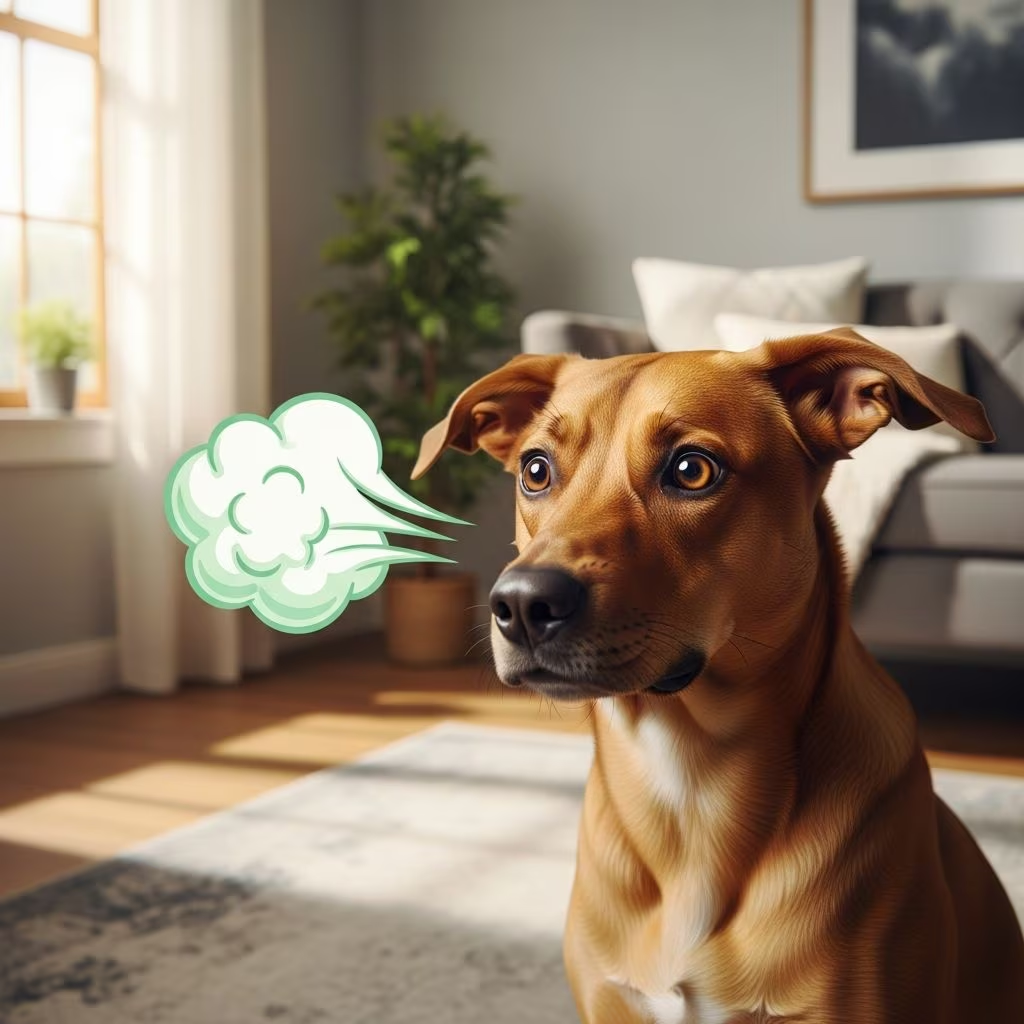
Excessive gas in dogs, commonly known as flatulence, is a frequent concern for pet owners. While occasional passing of gas is normal, persistent or foul-smelling episodes can signal dietary issues or health problems. This guide delves into the underlying reasons, diagnostic approaches, and proven management techniques to help your dog feel more comfortable.
Understanding the Basics of Dog Gas Production
Dogs produce gas through two primary mechanisms: swallowing air (aerophagia) and bacterial fermentation in the intestines. Aerophagia occurs when dogs gulp air during rapid eating or due to breathing difficulties in certain breeds. Fermentation happens as gut bacteria break down undigested carbohydrates, fibers, and proteins, generating byproducts like hydrogen sulfide, which causes odor.
Normal gas levels vary by breed, size, and diet, but changes in frequency, volume, or smell warrant attention. Brachycephalic breeds like Bulldogs and Pugs are prone to more air intake due to their facial structure.
Common Triggers Behind Excessive Dog Flatulence
Several factors contribute to heightened gas production. Identifying the trigger is key to resolution.
- Rapid Eating Habits: Dogs that devour food quickly swallow excess air, leading to bloating and belching that transitions to flatulence.
- Dietary Culprits: Ingredients like soybeans, peas, beans, dairy, and high-fiber foods ferment excessively in the colon. Lactose intolerance in adult dogs exacerbates this, as they lack sufficient lactase enzyme.
- Table Scraps and Indiscretions: Spoiled food, spicy scraps, or scavenged items disrupt digestion.
- Stress and Anxiety: Heightened panting or gulping increases air intake.
- Post-Exercise Feeding: Eating right after activity causes panting and air swallowing.
Health Conditions Linked to Persistent Gas
Beyond lifestyle factors, medical issues can amplify flatulence. These require veterinary evaluation.
| Condition | Symptoms | Potential Impact on Gas |
|---|---|---|
| Intestinal Parasites | Diarrhea, weight loss | Increased fermentation and malabsorption |
| Small Intestinal Bacterial Overgrowth (SIBO) | Bloating, loose stools | Excessive bacterial gas production |
| Exocrine Pancreatic Insufficiency (EPI) | Weight loss despite appetite | Poor nutrient digestion leading to fermentation |
| Irritable Bowel Syndrome (IBS) or Enteritis | Abdominal pain, inconsistent stools | Altered gut motility and bacterial balance |
| Food Allergies or Intolerances | Itching, vomiting | Malabsorption and fiber fermentation |
Chronic cases may involve tumors or infections, emphasizing the need for professional assessment.
Signs That It’s More Than Normal Gas
Monitor for accompanying symptoms indicating a deeper issue:
- Frequent, loud, or unusually odorous releases.
- Bloating, distended abdomen, or discomfort.
- Diarrhea, constipation, vomiting, or appetite changes.
- Lethargy, weight loss, or unproductive retching (risk of bloat in deep-chested breeds).
If gas accompanies these, schedule a vet visit promptly.
Diagnostic Steps for Canine Flatulence
Veterinarians start with a history review and physical exam, followed by targeted tests.
- Fecal Analysis: Checks for parasites or bacterial imbalances.
- Blood Work: Assesses organ function and nutrient absorption.
- Imaging: X-rays or ultrasound detect obstructions or tumors.
- Dietary Trial: Elimination diets isolate food sensitivities.
These pinpoint whether gas stems from diet, infection, or disease.
Practical Home Remedies for Relief
Many cases improve with simple adjustments before escalating to meds.
- Slow Feeding Techniques: Puzzle feeders or slow bowls prevent gulping.
- Meal Frequency: Split into 3-4 smaller portions daily to ease digestion.
- Exercise Routine: 30-minute walks post-meal promote gas expulsion.
- Stress Reduction: Calm feeding environments minimize anxiety-induced air swallow.
- Gut Massage: Gentle clockwise abdominal rubs aid motility.
Dietary Overhauls to Minimize Gas
Switch to highly digestible formulas with rice over corn or wheat, limiting protein to under 30% dry matter and fiber to 5%. Avoid soy, peas, and dairy.
Beneficial Ingredients:
- High-quality animal proteins.
- Low-fat content.
- Probiotic blends for microbiome balance.
- Prebiotics like flaxseed to support good bacteria.
Transition gradually over 7-10 days to prevent upset.
Supplements and Natural Aids
Evidence-based options target gas at the source.
- Probiotics: Restore gut flora, reducing fermentation.
- Yucca Schidigera and Charcoal: Bind odors, though they don’t curb production.
- Herbs like Fennel or Ginger: Relax GI tract for easier gas passage.
- Zinc Acetate: Lowers hydrogen sulfide levels.
Consult a vet before starting, as efficacy varies.
When to Seek Veterinary Intervention
Immediate care is needed for severe bloating, especially in large breeds prone to gastric dilatation-volvulus (GDV). Treatments may include antiparasitics, antibiotics, or surgery for underlying issues. Prescription diets often resolve chronic cases.
Preventive Strategies for Long-Term Gut Health
Proactive habits keep flatulence at bay:
- Maintain consistent, quality diets without scraps.
- Regular deworming and check-ups.
- Daily exercise and weight management.
- Monitor for diet changes or stress.
Breeds like Labrador Retrievers may need tailored plans due to gluttony tendencies.
Frequently Asked Questions (FAQs)
Is dog flatulence always a health problem?
No, occasional gas is normal, but persistent or symptomatic cases merit investigation.
Can human food cause dog gas?
Yes, dairy, beans, and spicy foods are common offenders due to poor digestibility.
Do probiotics really help with dog farts?
Yes, they balance gut bacteria, cutting fermentation and gas.
How long to see improvement after diet change?
Typically 1-2 weeks, with full effects in a month.
Is charcoal safe for dogs with gas?
In moderation, it reduces smell but consult a vet first.
Why Odor Varies: The Science of Smelly Farts
Sulfur-rich proteins and slow transit produce rotten egg smells, while rapid fermentation yields milder scents. High-fiber or allergic reactions intensify pungency.
In summary, addressing dog flatulence involves diet, behavior, and health checks. Most dogs thrive with tweaks, leading to less gas and more joy.
References
- Flatulence in Dogs – Causes, Treatment and Associated Symptoms — Vetster. 2023. https://vetster.com/en/symptoms/dog/flatulence
- What Causes Dog Flatulence and How to Manage It — Bondi Vet. 2024. https://bondivet.com/blogs/dog-health/dog-flatulence
- Flatulence – farting and gas problems in dogs — Vetwest. 2023. https://www.vetwest.com.au/pet-library/flatulence-farting-and-gas-problems-in-dogs/
- Dogs and Gas — VCA Animal Hospitals. 2024. https://vcahospitals.com/know-your-pet/dogs-and-gas
- What Dog Owners Should Know About Dog Farts And How To Stop Them — AnimalBiome. 2023. https://www.animalbiome.com/blogs/dog/what-dog-owners-should-know-about-dog-farts-and-how-to-stop-them
- Dog Gas: How to Stop Your Dog From Farting So Much — Chewy. 2024. https://www.chewy.com/education/dog/health-and-wellness/how-to-stop-excessive-dog-farting-ready
- Why Your Dog Farts and What to Do About It — PetMD. 2025. https://www.petmd.com/dog/general-health/why-your-dog-farts-and-what-to-do-about-it



