

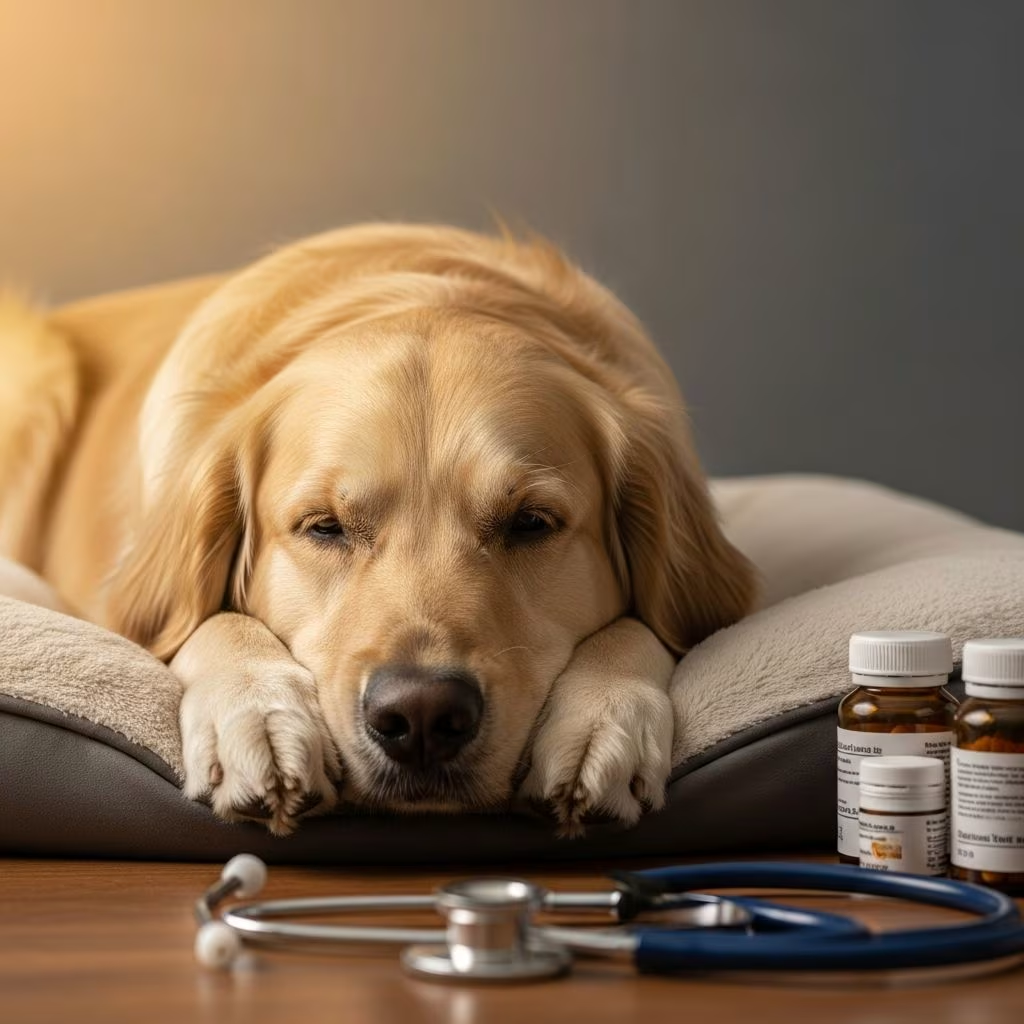
Recognizing that your dog is experiencing pain can be heartbreaking for any pet owner. Whether your furry companion is dealing with chronic conditions, recovering from surgery, or managing age-related deterioration, finding effective pain management solutions is crucial for maintaining their quality of life. Understanding the various treatment modalities available—from pharmaceutical interventions to non-invasive therapies—empowers you to work collaboratively with your veterinarian to develop a tailored approach that best suits your dog’s individual needs.
Identifying Pain Signals in Your Canine Companion
Dogs communicate discomfort differently than humans, often masking their pain through behavioral changes rather than vocal expression. Observing your dog’s daily patterns and physical demeanor is essential for early detection. Common indicators of pain include reluctance to engage in activities they previously enjoyed, difficulty climbing stairs or jumping onto furniture, limping or altered gait, excessive licking or biting of specific body areas, whimpering or subtle vocalizations, restlessness or difficulty settling down, and changes in eating or sleeping patterns.
Additionally, postural changes such as hunching, tucking the abdomen, or holding the head lower than normal may suggest discomfort. Some dogs become withdrawn or antisocial when experiencing pain, while others may display increased irritability or aggression. Recognizing these subtle signals early allows for prompt veterinary intervention and more effective management strategies.
Pharmaceutical Approaches to Canine Pain Management
Modern veterinary medicine offers several medication categories specifically formulated for dogs experiencing pain. Understanding the different classes and their appropriate applications helps pet owners make informed discussions with their veterinarians.
Non-Steroidal Anti-Inflammatory Drugs (NSAIDs)
NSAIDs represent one of the most commonly prescribed pain management options for dogs. These medications work by reducing inflammation and providing analgesia, making them particularly effective for conditions such as arthritis, post-operative discomfort, and acute injuries. Unlike over-the-counter human NSAIDs, veterinary-formulated NSAIDs are specifically dosed and formulated for canine metabolism and tolerance. Your veterinarian may prescribe medications such as carprofen, meloxicam, or other FDA-approved canine NSAIDs. Consistent monitoring and adherence to prescribed dosages are critical, as improper use can lead to gastrointestinal or renal complications.
Opioid Medications
For acute or severe pain situations, veterinarians may prescribe opioid-type medications. These potent analgesics are typically reserved for post-surgical recovery, injury-related trauma, or terminal conditions where pain management is particularly challenging. Opioids work by binding to receptors in the nervous system, effectively reducing the perception of pain. These medications require careful monitoring and are generally prescribed for short-term use unless chronic severe pain necessitates longer-term management.
Gabapentin for Nerve-Related Pain
Originally developed to manage seizures, gabapentin has proven effective for managing certain types of chronic pain in dogs, particularly discomfort arising from degenerative joint disease and nerve-related conditions. This medication works through different mechanisms than traditional NSAIDs, making it valuable for multimodal pain management approaches. Gabapentin can also help manage anxiety symptoms that may accompany chronic pain, providing dual benefits for some patients.
Tramadol for Chronic Conditions
Tramadol represents another pharmaceutical option, particularly useful for dogs suffering from arthritis-related pain, cancer-related discomfort, post-surgical healing, or generalized chronic pain disorders. Like gabapentin, tramadol may also provide anxiolytic benefits, helping to address both physical and emotional dimensions of suffering.
Therapeutic and Physical Rehabilitation Approaches
Beyond pharmaceutical interventions, various therapeutic modalities provide significant pain relief while promoting healing and functional recovery. These approaches often complement medication and may reduce the need for long-term pharmaceutical dependence.
Physical Rehabilitation and Exercise Therapy
Structured physical therapy programs, designed and monitored by rehabilitation specialists, can dramatically improve outcomes for dogs with orthopedic issues, post-surgical recovery, or chronic musculoskeletal conditions. Physical rehabilitation focuses on building and maintaining essential physical capacities including strength, balance, proprioception, endurance, flexibility, and mobility. Therapeutic exercises help dogs regain lost function while managing discomfort throughout the healing process.
Regular, appropriate exercise also plays a preventative role in pain management. By maintaining healthy muscle tone and fitness levels, dogs develop stronger musculature and improved conditioning that better supports joints and tissues during activity. This enhanced muscular support reduces stress on joints and ligaments, translating to decreased pain during daily movement.
Hydrotherapy and Aquatic Rehabilitation
Water-based therapy harnesses the unique properties of aquatic environments to facilitate pain-free movement and tissue conditioning. The buoyancy of water reduces the weight and stress placed on joints while allowing dogs to exercise more comfortably than on land. Additionally, water resistance provides natural conditioning benefits, strengthening muscles without excessive joint strain. Aquatic therapy is particularly valuable for dogs with arthritis, post-surgical recovery needs, or those unable to tolerate land-based exercise due to pain.
Massage Therapy Techniques
Professional veterinary massage employs specific techniques to address muscular tension and pain. Common massage methods include effleurage, which promotes blood circulation and lymphatic drainage; petrissage, which relieves muscle tension and knots; skin rolling, which increases circulation and promotes relaxation; and concussive strokes, which enhance lymphatic and blood flow. Beyond these professional techniques, gentle home massage can relax muscles, reduce stress, improve circulation, and decrease pain associated with conditions like athletic injuries or arthritis.
Advanced Therapeutic Technologies
Emerging and established technological approaches offer additional pain management options with minimal side effects and excellent safety profiles.
Cold Laser Therapy
Cold laser therapy, also known as low-level laser therapy or photobiomodulation, utilizes specific light wavelengths to penetrate deep tissues without causing damage. This technology stimulates cellular activity through multiple mechanisms: reducing pain and inflammation, accelerating healing processes, promoting tissue regeneration, and triggering the release of endorphins—natural pain-fighting chemicals produced by the body. Additionally, laser therapy stimulates the lymphatic drainage system, further reducing painful inflammation and facilitating the body’s natural healing processes.
One significant advantage of laser therapy is its customizable nature. Treatment parameters including the number of sessions, session duration, and wavelengths used can be adjusted to accommodate each dog’s specific condition and needs, ensuring maximal therapeutic benefit.
Acupuncture and Traditional Approaches
Acupuncture, rooted in traditional veterinary medicine, involves inserting fine needles into specific body points located along meridians that often correspond with the nervous system. This stimulation triggers healing responses that decrease pain and inflammation. Remarkably, acupuncture has demonstrated effectiveness comparable to conventional pharmaceutical treatments like NSAIDs or opioids, yet without associated side effects or the hepatic and renal processing burden of medications. Post-surgical applications of acupuncture can improve comfort levels and accelerate healing while potentially reducing chronic medication dependence.
Transcutaneous Electrical Nerve Stimulation (TENS)
TENS therapy employs electrical stimulation to modulate pain signals and stimulate release of endogenous pain-relieving substances from nerve tissues. Additionally, electrical stimulation can strengthen muscles and combat muscle wasting in dogs experiencing temporary or partial paralysis, providing both pain relief and functional restoration.
Pulsed Electromagnetic Field (PEMF) Therapy
PEMF therapy combines magnetic and electrical fields to stimulate cellular communication that may have been interrupted by injury or disease. By restoring normal intercellular communication, PEMF promotes cellular processes essential for healing and pain reduction, offering a non-invasive, medication-free approach to pain management.
Platelet-Rich Plasma (PRP) Therapy
PRP therapy harnesses the healing power of the dog’s own platelets to accelerate tissue repair in injured areas and joints. While platelets are commonly associated with blood clotting, they also contain growth factors and signaling molecules essential for driving the healing process, making PRP an excellent natural pain relief option with minimal risk of adverse reactions.
Thermal Therapies and Compresses
Simple thermal applications represent accessible, home-based pain management tools. Cold compresses reduce swelling and inflammation, helping minimize associated pain, while also decreasing muscle spasms. Conversely, warm compresses increase blood flow to affected areas, promoting healing and reducing stiffness in chronic conditions. Selecting the appropriate thermal modality depends on your dog’s specific condition—acute swelling typically benefits from cold application, while chronic stiffness often responds better to heat.
Weight Management and Environmental Modifications
Excess body weight significantly increases stress on joints and soft tissues, exacerbating pain in conditions like arthritis and other degenerative joint diseases. Maintaining a healthy weight through appropriate nutrition and regular exercise is fundamental to long-term pain management. Beyond weight considerations, environmental modifications—such as providing orthopedic bedding, installing ramps to reduce jumping, using non-slip flooring, and positioning food and water bowls at comfortable heights—reduce unnecessary strain and discomfort during daily activities.
Nutritional Supplements and Natural Options
Complementary to pharmaceutical and therapeutic approaches, various nutritional supplements may support joint health and pain reduction. Options include glucosamine and chondroitin for cartilage support, omega-3 fatty acids for anti-inflammatory benefits, turmeric for its natural anti-inflammatory properties, and green-lipped mussel supplements. While these should complement rather than replace veterinary-prescribed treatments, many dogs benefit from integrated nutritional support within a comprehensive pain management strategy.
Developing a Personalized Pain Management Plan
Effective canine pain management rarely relies on a single intervention. Most veterinarians recommend multimodal approaches combining complementary therapies and medications tailored to the individual dog’s condition, severity of pain, and overall health status. A comprehensive plan might integrate NSAIDs or other medications with physical therapy, acupuncture, and lifestyle modifications, adjusting the combination as the dog’s condition evolves.
Regular communication with your veterinarian is essential. Monitoring your dog’s response to treatment, noting any side effects, and adjusting the management strategy accordingly ensures optimal pain relief and quality of life. Some dogs may respond better to certain interventions than others, requiring patience and systematic evaluation to identify the most effective combination.
When to Seek Professional Veterinary Care
While many pain management strategies can be implemented at home, professional evaluation is essential for proper diagnosis and treatment planning. Seek immediate veterinary attention when your dog displays obvious signs of pain, experiences significant alterations in daily routines or behavior, or shows no improvement with initial management approaches. Sudden onset pain, severe lameness, loss of appetite, or any concerning behavioral changes warrant professional assessment to rule out serious underlying conditions requiring specialized intervention.
Frequently Asked Questions About Canine Pain Management
Can I give my dog over-the-counter pain medication?
Human over-the-counter pain medications are generally not appropriate for dogs and can cause serious harm. Only use medications specifically prescribed or recommended by your veterinarian. Veterinary-formulated NSAIDs are safe when used as directed, but always require professional guidance.
How long does it take to see results from pain management treatment?
Response timelines vary depending on the treatment modality and underlying condition. Medications may provide relief within hours to days, while therapeutic approaches like acupuncture or physical therapy may show gradual improvement over multiple sessions. Your veterinarian can provide specific expectations for your dog’s situation.
Are natural pain relief options effective, or should I rely on medication?
Both pharmaceutical and natural approaches have demonstrated effectiveness. The most effective strategy typically combines multiple modalities—medications, therapies, and lifestyle modifications—tailored to your dog’s specific needs. Your veterinarian can recommend the best combination for your situation.
Can acupuncture and laser therapy be used alongside medications?
Yes, these therapies are often used in conjunction with medications for enhanced pain management. Multimodal approaches combining different treatment types often provide superior results compared to single interventions alone.
Conclusion: Supporting Your Dog Through Discomfort
Managing your dog’s pain requires a comprehensive, individualized approach that may evolve as your pet’s condition changes. By understanding the various pharmaceutical options, therapeutic modalities, and supportive strategies available, you can work confidently with your veterinarian to develop and refine a pain management plan that maximizes your dog’s comfort and quality of life. Regular monitoring, open communication with your veterinary team, and willingness to adjust strategies as needed ensure your beloved companion receives the best possible care for long-term well-being and contentment.
References
- Pain Management For Dogs Using Various Therapies — Plainfield Animal Hospital. 2023-01-15. https://www.plainfieldanimalhospital.com/site/blog/2023/01/15/pain-management-dogs
- Natural Pain Relief for Dogs: 13 Methods — ToeGrips. https://toegrips.com/natural-pain-relief-for-dogs/
- Therapeutic Massage and Rehabilitative Therapies — Northside Paws Veterinary Care. https://www.northsidepawsvet.com/services/pain-management.html
- Dog Pain Management – How to Recognize and Treat Pain in Dogs — Love.vet. https://love.vet/dog-pain-management-how-to-recognize-and-treat-pain-in-dogs/
- Pain Meds for Dogs: What Can You Give a Dog for Pain? — PetMD. https://www.petmd.com/dog/general-health/pain-meds-for-dogs
- Home Remedies & Safe OTC Pain Relief for Dogs — Austin Canine Rehabilitation. https://www.austincaninerehab.com/blog/pain-relief-for-dogs



