Managing Canine Dermatological Issues: A Complete Guide
Learn effective strategies for diagnosing and treating your dog's skin problems
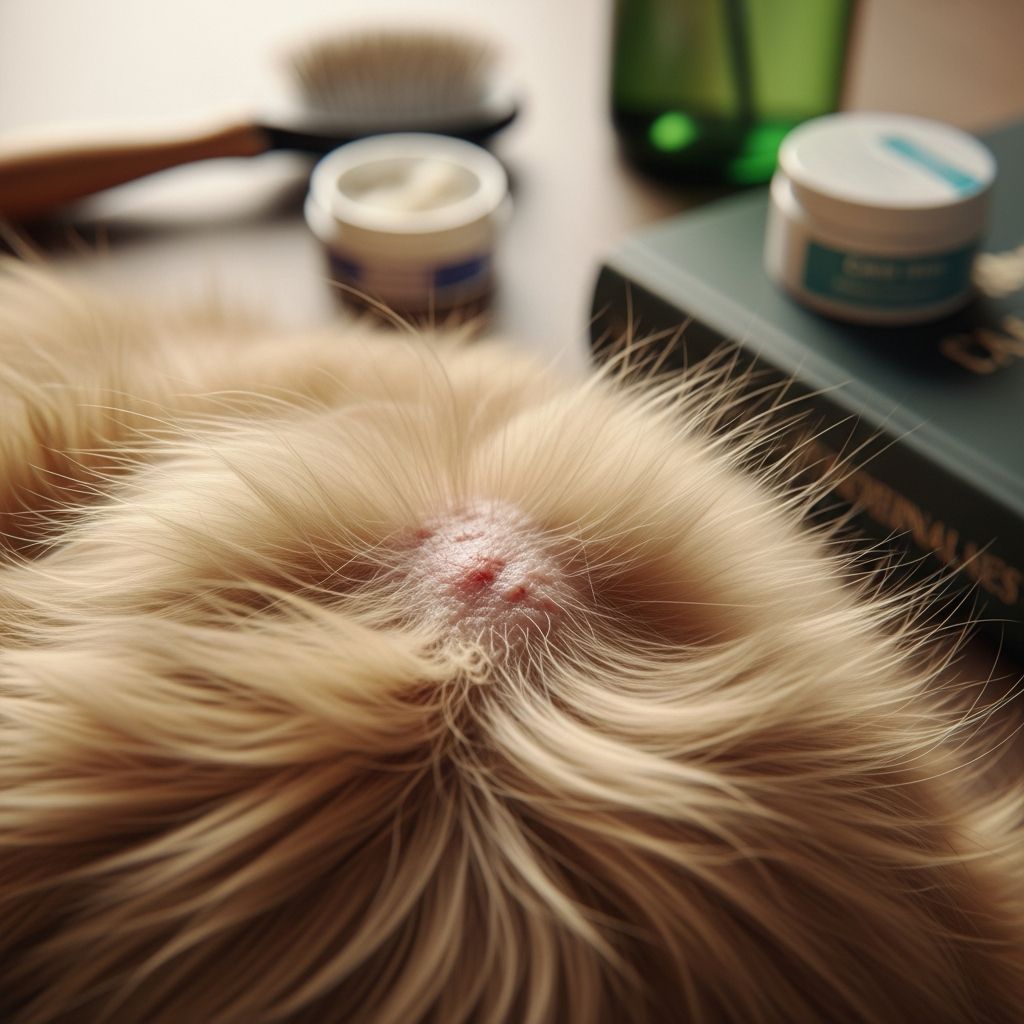
Skin disorders represent one of the most prevalent health concerns affecting companion dogs today. When your canine companion develops persistent itching, redness, hair loss, or other dermatological symptoms, it can significantly impact their quality of life and create considerable stress for pet owners. Understanding the underlying causes of these conditions and knowing the available treatment pathways empowers you to provide optimal care for your dog.
Recognizing the Signs of Skin Problems in Dogs
The first step in addressing your dog’s skin health involves recognizing abnormal signs that warrant veterinary attention. Healthy canine skin should appear smooth, free from unusual bumps or scaling, and uniform in coloration. When dermatological issues develop, they typically manifest through observable symptoms that vary depending on the underlying condition.
Common indicators that your dog may have a skin disorder include:
- Excessive scratching, licking, or chewing—particularly focused on specific body areas
- Visible hair loss or thinning patches across the coat
- Red, inflamed, or discolored skin patches
- Scaling, crusting, or flaky skin texture
- Presence of bumps, lumps, or pustules on the skin surface
- Unusual odor emanating from the skin or coat
- Swelling or inflammation in affected regions
- Behavioral changes indicating discomfort or pain
Early recognition of these symptoms allows for prompt veterinary intervention, potentially preventing complications and secondary infections that can develop when dogs continuously traumatize their skin through scratching.
Primary Categories of Canine Skin Conditions
Allergic Responses and Hypersensitivity Reactions
Allergies represent one of the most frequently encountered dermatological conditions in veterinary practice. Dogs develop allergic reactions through exposure to substances that trigger an abnormal immune response. When exposed to allergens, a dog’s body releases histamine, a chemical that produces intense itching and inflammation.
Veterinarians recognize three principal categories of allergic dermatitis in dogs:
- Flea Allergy Dermatitis: Sensitivity to flea saliva can cause severe reactions—remarkably, even a single flea bite may trigger intense itching and inflammatory responses.
- Environmental Allergies (Atopic Dermatitis): Exposure to pollen, mold, dust mites, or grass triggers allergic reactions that often demonstrate seasonal patterns.
- Food-Based Allergies: Immune reactions to specific proteins or dietary components frequently accompany gastrointestinal symptoms alongside dermatological manifestations.
Dogs frequently develop allergies to multiple substances simultaneously, complicating diagnosis and management. Environmental dermatitis develops through direct contact with irritating substances like grass, dirt, and certain plants, producing itchy or dry skin, rashes, blisters, and redness.
Fungal and Yeast-Related Infections
Yeast organisms naturally inhabit canine skin but become problematic when conditions favor overgrowth. Changes in skin chemistry—such as those occurring with allergies or excessive oil production—can shift the balance toward fungal proliferation. Yeast infections produce distinctive characteristics that aid in diagnosis:
- Pronounced musky odor from affected skin
- Intense itching and skin irritation
- Hyperpigmentation (darkening) of skin, particularly on the belly, groin, and underarm areas
- Black debris accumulation at the base of nail beds
- Potential progression to thickened, elephantine-textured skin if untreated
Yeast infections frequently develop in areas providing warm, moist environments—the paws and ear canals represent particularly susceptible locations. While not contagious between dogs, these infections require veterinary treatment to address both symptoms and underlying causes.
Bacterial Skin Infections
Bacterial folliculitis develops when pathogenic bacteria colonize hair follicles, producing visible skin abnormalities. This condition frequently occurs secondary to other skin problems including mange, allergies, or mechanical injury that disrupts the protective skin barrier. Symptoms vary based on coat length—short-haired dogs display obvious sores, bumps, and scabs, while long-haired breeds may primarily show dull coats, excessive shedding, and scaling underneath the fur.
Acute Inflammatory Lesions
Hot spots represent localized regions of moist, inflamed skin that can seemingly develop overnight. These painful lesions result from underlying allergies that trigger intense itching, causing dogs to excessively rub, scratch, lick, or chew until the skin becomes hairless and wounded. Hot spots are particularly sensitive and prone to secondary bacterial infections if not treated promptly.
Parasitic Dermatitis
Mange conditions include two primary forms—demodectic and sarcoptic varieties—both producing intense itching, hair loss, and scaly patches. Without appropriate treatment, these parasitic infections can progress significantly, causing considerable discomfort and secondary complications.
Diagnostic Approaches for Skin Disorders
Accurate diagnosis forms the foundation of effective treatment. Successful management of skin disorders requires proper identification of the underlying cause[10]. Veterinarians employ multiple diagnostic techniques including physical examination, skin scrapings, fungal cultures, and sometimes allergy testing to determine the specific condition affecting your dog.
When bacterial infections are suspected, veterinarians may perform culture and sensitivity testing to identify the specific bacteria and determine which antibiotics will prove most effective. This targeted approach prevents unnecessary antibiotic use and ensures optimal treatment outcomes.
Medical Treatment Strategies
Systemic Medications
Internal medications address skin conditions by working throughout the body’s systems[10]. Common systemic treatments include:
- Oral Antibiotics: Medications such as cephalexin or amoxicillin target bacterial infections, typically requiring 2-4 weeks of treatment.
- Antihistamines: These medications reduce allergic responses and itching by blocking histamine effects.
- Corticosteroids: Oral or injectable steroids reduce inflammation, swelling, redness, and itching associated with various dermatological conditions.
- Antifungal Medications: Oral antifungals like ketoconazole combat yeast infections often accompanying skin disorders.
Topical Treatments
Direct application of medications to affected skin areas provides localized treatment benefits[10]. Topical preparations represent the preferred method for some conditions or serve as beneficial supplements to systemic therapy[10]. Available topical options include:
- Medicated Shampoos: Specialized cleansers containing chlorhexidine or miconazole treat surface infections and remove excess scaling.
- Anti-itch Creams: Topical corticosteroid preparations offer rapid relief from localized itching and inflammation.
- Moisturizing Preparations: Hydrating solutions containing aloe vera or oatmeal soothe dry, flaky skin while supporting the skin barrier.
- Antimicrobial Sprays: Over-the-counter products help provide relief and prevent secondary infection in problem areas.
Pet owners should apply topical medications sparingly to prevent excessive licking and carefully follow veterinary administration instructions[10].
Advanced Treatment Modalities
Modern veterinary dermatology increasingly incorporates innovative treatment approaches. Laser therapy represents a non-invasive option that uses light energy to stimulate cell regeneration and recovery. This therapeutic approach effectively addresses various conditions including allergies, hot spots, and ringworm.
Emerging research explores acupuncture combined with herbal remedies for canine autoimmune skin disease, with herbal options including radix Curcuma wenyujin, Tripterygium wilfordii, Artemisia annua, and Berberis vulgaris.
Comprehensive Home Care and Preventive Measures
Nutritional Support
Skin health originates from within, making dietary considerations fundamental to managing dermatological issues. Nutrition plays a crucial supporting role in skin condition management:
- Omega-3 and omega-6 fatty acid supplementation provides anti-inflammatory benefits.
- High-quality protein sources support the skin barrier and coat health.
- Dietary modification may eliminate food-based allergens triggering skin reactions.
- Probiotics support immune health and may reduce allergic flare-ups.
Bathing and Hygiene Protocols
Establishing appropriate bathing routines maintains skin hygiene without compromising the natural protective skin barrier:
- Use hypoallergenic or oatmeal-based shampoos that soothe irritated skin.
- Establish consistent bathing schedules with appropriate products matching your dog’s specific condition.
- Avoid over-bathing, which can strip natural oils and worsen dry skin conditions.
- Oatmeal baths provide effective relief for environmental dermatitis.
Environmental Management
Controlling your dog’s environment significantly impacts skin health outcomes:
- Remove potential allergens including specific cleaning products or fabrics causing irritation.
- Clean pet bedding regularly and vacuum frequently to reduce allergen accumulation.
- Avoid exposure to known triggers such as freshly cut grass or dusty areas.
- Maintain appropriate humidity levels to prevent excessive dryness.
Behavioral Modifications
Preventing further skin trauma represents an important component of management:
- Use anti-itch collars or protective devices to deter excessive scratching.
- Maintain regular grooming to identify emerging problems early.
- Address stress factors that may exacerbate skin conditions.
Natural and Holistic Treatment Approaches
Some pet owners prefer incorporating natural therapies alongside traditional veterinary care. Evidence-based natural treatment options that may complement conventional therapy include:
- Omega-3 fatty acid supplements from fish oil sources
- Probiotics specifically formulated for canine immune support
- Herbal remedies such as calendula or chamomile—though only under veterinary supervision to ensure safety and appropriateness
Pet owners should always consult their veterinarian before implementing natural treatments to ensure compatibility with prescribed medications and appropriateness for their dog’s specific condition.
Managing Secondary Complications
Skin disorders frequently develop secondary complications that complicate treatment. Dogs with primary dermatological conditions may develop bacterial infections that require separate antibiotic therapy. Yeast overgrowth commonly accompanies allergic conditions, necessitating concurrent antifungal treatment.
Veterinarians recommend addressing all concurrent issues simultaneously for optimal treatment outcomes. Culture and sensitivity testing helps identify the most effective antibiotic choices when bacterial infections develop.
When to Seek Professional Veterinary Care
While home care supports your dog’s skin health, certain situations absolutely require professional veterinary evaluation:
- Persistent scratching lasting more than a few days
- Visible signs of infection including pus, swelling, or warmth
- Rapid worsening of skin conditions despite home care efforts
- Development of hot spots or open wounds
- Signs suggesting allergic reactions including facial swelling or difficulty breathing
- Any condition accompanied by systemic symptoms like fever or lethargy
Long-Term Management and Prevention
Successfully managing your dog’s skin health often requires ongoing attention and prevention strategies. Regular veterinary check-ups allow early detection of emerging problems before they progress significantly. Consistent implementation of preventive measures—including environmental controls, appropriate nutrition, and regular grooming—reduces flare-up frequency and severity in dogs with chronic conditions.
Dogs with recurrent skin issues benefit from maintaining detailed records of symptom timing, environmental factors, dietary changes, and treatment responses. This information helps identify patterns and potential triggers, informing more targeted management approaches.
Frequently Asked Questions
Can dog skin conditions resolve without treatment?
Some mild skin irritations may resolve independently, but most dermatological conditions require veterinary treatment to prevent progression, secondary infections, and chronic complications.
Are dog skin conditions contagious to other pets or humans?
Most canine skin conditions are not contagious, though some fungal infections and parasitic conditions may spread between animals. Yeast infections, for example, are not contagious between dogs.
How long does treatment typically take?
Treatment duration varies significantly depending on the condition type and underlying cause. Bacterial infections typically respond to 2-4 weeks of antibiotic therapy, while allergic conditions may require ongoing management.
Can diet alone resolve skin conditions?
Dietary modification alone cannot cure most skin disorders but may help manage food-related allergies and support overall skin health through nutritional supplementation.
Is it safe to use human skincare products on dogs?
Most human skincare products are inappropriate for canine use. Dogs require pet-specific formulations designed for their skin pH and sensitivities.
References
- Understanding Canine Skin Disorders — Creedmoor Road Animal Hospital. 2024. https://creedmoorroadanimalhospital.com/pet-dermatology-in-raleigh-nc/understanding-canine-skin-disorders/
- 10 Most Common Dog Skin Issues: How To Spot, Diagnose, and Treat — PetMD. 2024. https://www.petmd.com/dog/general-health/dog-skin-issues
- Itchy, Scratchy Dog: 4 Common Dog Skin Conditions and Treatments — CareCredit. 2024. https://www.carecredit.com/well-u/pet-care/dog-skin-conditions/
- Skin Conditions in Dogs — Animal Hospital UG. 2024. https://animalhospitalug.com/skin-conditions-in-dogs
- Dog Skin Problems: Scratching, Itching & Other Skin Conditions — VRA Vet. 2022-08-15. https://www.vravet.com/site/blog/2022/08/15/dog-skin-problems-scratching-itching-skin-conditions
- Dog Skin Conditions: Causes, Symptoms and Treatment — Vets Now. 2024. https://www.vets-now.com/pet-care-advice/dog-skin-conditions/
- Common Skin Allergies in Dogs: Symptoms and Treatments — Bluegrass Veterinary Hospital. 2024. https://bluegrassvet.net/common-skin-allergies-in-dogs-symptoms-and-treatments/
- Canine Skin Autoimmune Diseases — Cornell University College of Veterinary Medicine. 2024. https://www.vet.cornell.edu/departments-centers-and-institutes/riney-canine-health-center/canine-health-information/canine-skin-autoimmune-diseases
- Treatment of Skin Disorders in Dogs — Merck Veterinary Manual. 2024. https://www.merckvetmanual.com/dog-owners/skin-disorders-of-dogs/treatment-of-skin-disorders-in-dogs
Similar Articles







Read full bio of Sneha Tete