

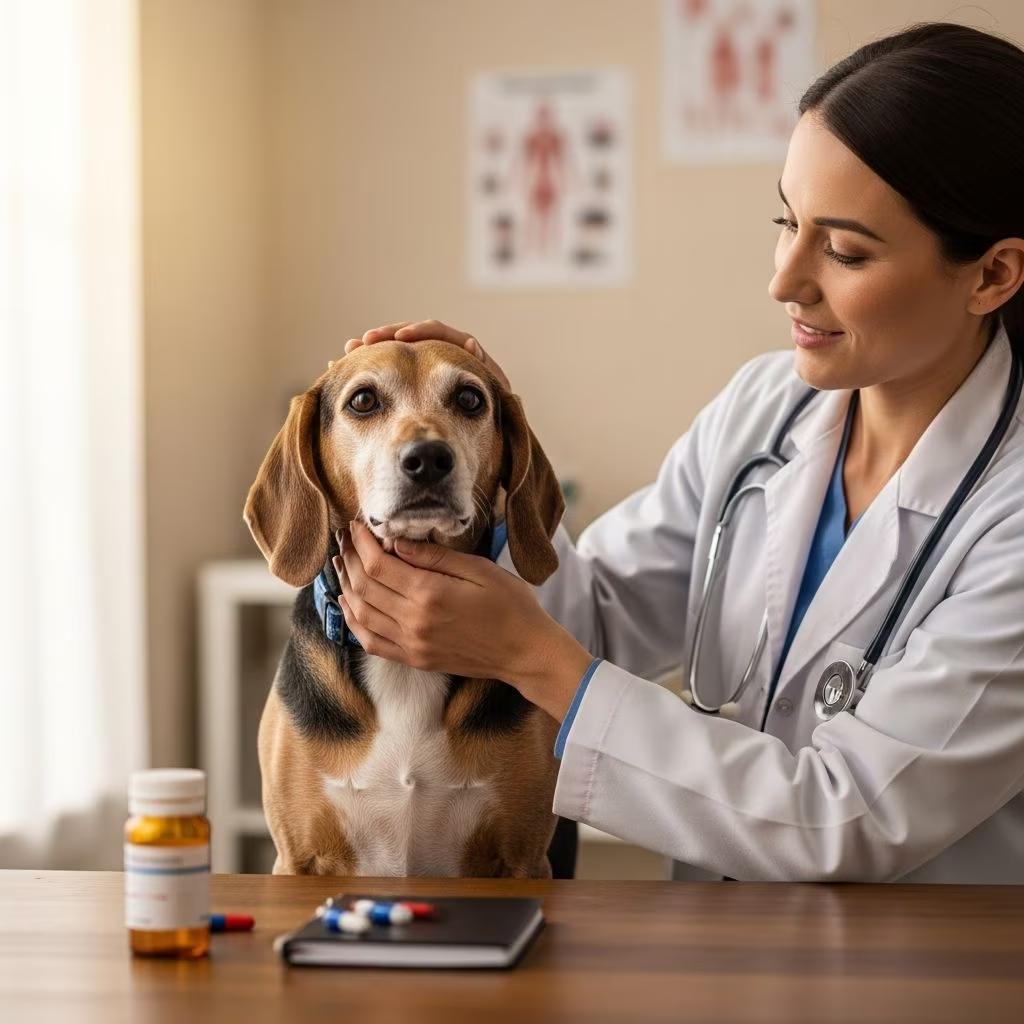
When a veterinarian diagnoses your dog with Cushing’s disease, one of the first questions pet owners face is whether treatment is necessary and, if so, which approach offers the best outcome for their companion. Cushing’s disease, scientifically known as hyperadrenocorticism, is an endocrine disorder affecting dogs of all ages but more commonly occurring in middle-aged and senior canines. The condition results from excessive cortisol production by the adrenal glands, leading to a cascade of uncomfortable and potentially serious symptoms. Understanding the nature of this disease and the available treatment pathways enables informed decision-making tailored to your dog’s unique circumstances.
Understanding the Fundamentals of Cushing’s Disease
Cushing’s disease develops through two primary mechanisms. Pituitary-dependent hyperadrenocorticism (PDH) accounts for approximately 85% of diagnosed cases and originates from a benign tumor in the pituitary gland that overstimulates cortisol production. Adrenal-dependent disease comprises the remaining 15% of cases and results from a tumor directly affecting the adrenal gland itself. A third, less common form—iatrogenic Cushing’s—develops when dogs receive prolonged corticosteroid medications for other medical conditions.
The excessive cortisol circulating through your dog’s body disrupts normal metabolic processes, immune function, and tissue integrity. Recognition of clinical manifestations is essential for early diagnosis and timely intervention.
Recognizing Symptoms and Clinical Signs
Dogs with Cushing’s disease present with a distinctive array of symptoms that often prompt veterinary consultation. The most prominent and noticeable signs include:
- Dramatically increased water consumption and urination frequency
- Incontinence, particularly during sleep or rest periods
- Unusually ravenous appetite despite weight gain
- Development of a characteristic potbelly appearance
- Thinning of skin and coat deterioration
- Progressive hair loss or recurrent dermatological infections
- Visible muscle wasting despite adequate nutrition
- Lethargy and decreased exercise tolerance
- Excessive panting even at rest
It is important to recognize that symptom presentation varies among individual dogs, and not every dog exhibits all clinical signs simultaneously. Additionally, untreated Cushing’s disease can precipitate serious complications including hypertension, blood clots within pulmonary vessels or leg veins, and metabolic disturbances.
The Case for Pursuing Treatment
While Cushing’s disease cannot be cured in most cases, treatment serves a critical purpose: restoring quality of life and preventing disease progression. The primary therapeutic objective centers on reducing cortisol levels to alleviate symptoms and halt deterioration.
Pet owners who implement appropriate treatment protocols frequently observe substantial improvements in their dog’s overall wellbeing. Within the first two weeks of medication initiation, many dogs demonstrate decreased appetite and reduced water consumption. Over a three to six-month period, additional clinical improvements become apparent, including enhanced energy levels, improved coat condition, normalized weight distribution, and restored continence.
Treatment prevents the cascade of secondary complications associated with persistent hypercortisolism. By normalizing cortisol levels, therapy can mitigate cardiovascular complications, reduce infection susceptibility, and support bone density maintenance. For many dog owners, the decision to treat reflects a commitment to extending their pet’s healthspan—the duration of healthy, comfortable living—not merely lifespan.
Pharmacological Management: First-Line Therapy
Medical management represents the most common treatment approach, utilized in approximately 85% of pituitary-dependent Cushing’s cases. Pharmaceutical interventions work by suppressing cortisol production or destroying hormone-producing cells within the adrenal gland.
Trilostane (Vetoryl): The Preferred Medication
Trilostane is an FDA-approved steroid analogue and the gold standard for canine Cushing’s management. This medication operates by blocking 11β-hydroxysteroid dehydrogenase, an enzyme essential for cortisol synthesis within the adrenal glands. By inhibiting this enzymatic pathway, trilostane effectively reduces circulating cortisol concentrations.
Administered orally in divided doses with food, trilostane typically begins demonstrating clinical effects within days to weeks of treatment initiation. The medication is remarkably well-tolerated by most dogs, making it the preferred first-line option for veterinarians managing pituitary-dependent disease.
Effective trilostane therapy requires careful dose titration and ongoing monitoring. Veterinarians typically initiate treatment at 1-3 mg/kg administered twice daily, adjusting doses based on blood test responses and clinical signs. Regular assessment through ACTH stimulation tests and routine blood work occurs at 10 days, 4 weeks, 12 weeks, and subsequently every three months to ensure appropriate cortisol suppression.
Mitotane (Lysodren): An Alternative Medication
Mitotane functions through a distinctly different mechanism than trilostane. Rather than temporarily blocking cortisol production, this chemotherapeutic agent destroys cortisol-producing cells within the adrenal cortex. This cytotoxic approach provides longer-lasting effects but requires more intensive monitoring.
Mitotane proves particularly valuable for dogs presenting with atypical presentations or calcinosis cutis—a calcium deposition disorder associated with chronic hypercortisolism. However, due to the requirement for careful dose titration and the potential for more significant side effects, trilostane remains the initial choice for most veterinarians.
Selegiline: A Limited-Use Option
Selegiline (Anipryl) represents another FDA-approved medication, though its application is more restricted. This medication is primarily effective for specific cases of pituitary-dependent disease and is less commonly prescribed than trilostane or mitotane.
Surgical and Radiological Interventions
While medical management dominates treatment protocols, surgical and radiological approaches address specific disease presentations and offer potential for more definitive resolution.
Adrenal Surgery: Curative Potential
Adrenal-dependent Cushing’s presents unique treatment opportunities. Dogs with adrenal tumors may be candidates for surgical removal, potentially offering the only curative approach to this form of the disease. Successful tumor removal can restore normal cortisol production and eliminate disease manifestations.
However, abdominal surgery to remove an adrenal gland carries inherent risks. The procedure is complex, demanding specialized surgical expertise, and complications can occur in dogs with compromised health status. Consequently, despite curative potential, most dogs with adrenal-dependent disease still receive medical management rather than surgery.
Pituitary Intervention: Surgery and Radiation
For pituitary-dependent disease, surgical removal of the pituitary tumor (hypophysectomy) or radiation therapy represent potential options, yet neither is routinely performed. Direct treatment of the benign brain tumor is generally avoided due to surgical complexity, anatomical challenges, and limited widespread availability of these specialized procedures.
Radiation therapy shows promise in research settings but remains unavailable at most general veterinary practices. Consequently, pharmacological management continues as the standard approach for pituitary-dependent cases.
Monitoring and Treatment Efficacy Assessment
Regardless of chosen treatment modality, rigorous monitoring ensures therapeutic effectiveness and detects adverse effects. Comprehensive monitoring protocols include physical examinations, blood chemistry panels, ACTH stimulation tests, and urinalysis at defined intervals.
Pet owners should observe their dog’s behavior and appetite patterns, reporting any concerning changes to their veterinarian promptly. Indicators warranting immediate veterinary consultation include:
- Changes in appetite patterns or refusal to eat
- Vomiting or diarrhea
- Marked lethargy or decreased activity
- Weakness or collapse episodes
- Signs of secondary infections
Supportive Care and Lifestyle Modifications
Pharmaceutical intervention works most effectively when combined with supportive care strategies. Dietary modifications substantially contribute to treatment success. Dogs with Cushing’s disease typically present with elevated blood cholesterol levels; therefore, veterinarians commonly recommend low-fat dietary formulations.
Prescription diets specifically formulated for gastroenteric and metabolic support provide optimal nutritional profiles. Additionally, regular but gentle exercise, weight management, and environmental stress reduction complement pharmaceutical therapy.
When Treatment May Not Be Appropriate
While treatment benefits most dogs, individual circumstances may contraindicate aggressive therapeutic intervention. Dogs with severe concurrent illnesses, advanced age combined with significant comorbidities, or those demonstrating poor tolerance to medications may experience better outcomes with palliative rather than active treatment approaches.
Some pet owners, after thorough discussion with their veterinarian regarding prognosis and quality of life, may elect watchful waiting—monitoring the dog without pharmacological intervention. This approach requires accepting progressive symptom development and potential complications while prioritizing comfort care.
Potential Complications and Secondary Conditions
An important consideration in treatment decisions involves recognizing that cortisol suppression through medication may unmask previously suppressed underlying conditions. Some dogs experience worsening arthritis or allergic dermatitis following treatment initiation, as chronic hypercortisolism had been suppressing these conditions’ manifestations.
Additionally, veterinarians must monitor for treatment-related adverse effects including gastrointestinal upset, lethargy, or electrolyte imbalances, which necessitate dose adjustments or medication changes.
Long-Term Outlook and Quality of Life
With appropriate treatment and monitoring, most dogs with Cushing’s disease experience significant quality of life improvements and can maintain healthy, comfortable existences for years. Treatment success centers not on curing the disease—which remains impossible in most cases—but rather on effectively managing symptoms and preventing complications.
The decision to treat should ultimately reflect individual dog circumstances, owner capabilities regarding medication administration and veterinary monitoring, and realistic expectations regarding outcomes. Open communication with your veterinary team, including discussion of treatment goals, monitoring requirements, financial considerations, and potential complications, enables informed decision-making aligned with your dog’s best interests and your family’s capacity for ongoing care commitment.
References
- Cushing’s Disease in Dogs: Symptoms, Diagnosis, and Treatment — PetMD. 2024. https://www.petmd.com/dog/conditions/endocrine/cushings-disease-in-dogs-symptoms-diagnosis
- Cushing’s Disease in dogs: symptoms and treatment advice — Primrose Hill Veterinary Clinic. 2024. https://www.primrosehillvets.ie/pet-help-advice/dogs/127-cushings-disease-in-dogs-symptoms-and-treatment-advice
- Cushing’s Disease in Dogs: Causes, Symptoms, and Treatment — Premier Vets. 2024. https://www.premiervets.net/blog/cushings-disease-in-dogs-causes-symptoms-and-treatment
- Cushing’s Disease in Dogs: Signs and Treatment — MedVet. 2024. https://www.medvet.com/cushings-disease-in-dogs/
- Treatment for Cushing’s Syndrome in dogs — Canine Cushing’s UK. 2024. https://www.canine-cushings.co.uk/treatment
- Treating Cushing’s Disease in Dogs — U.S. Food and Drug Administration. 2024. https://www.fda.gov/consumers/consumer-updates/treating-cushings-disease-dogs
- Cushing Disease in Animals: Hyperadrenocorticism — MSD Veterinary Manual. 2024. https://www.msdvetmanual.com/endocrine-system/the-pituitary-gland/cushing-disease-pituitary-dependent-hyperadrenocorticism-in-animals



