

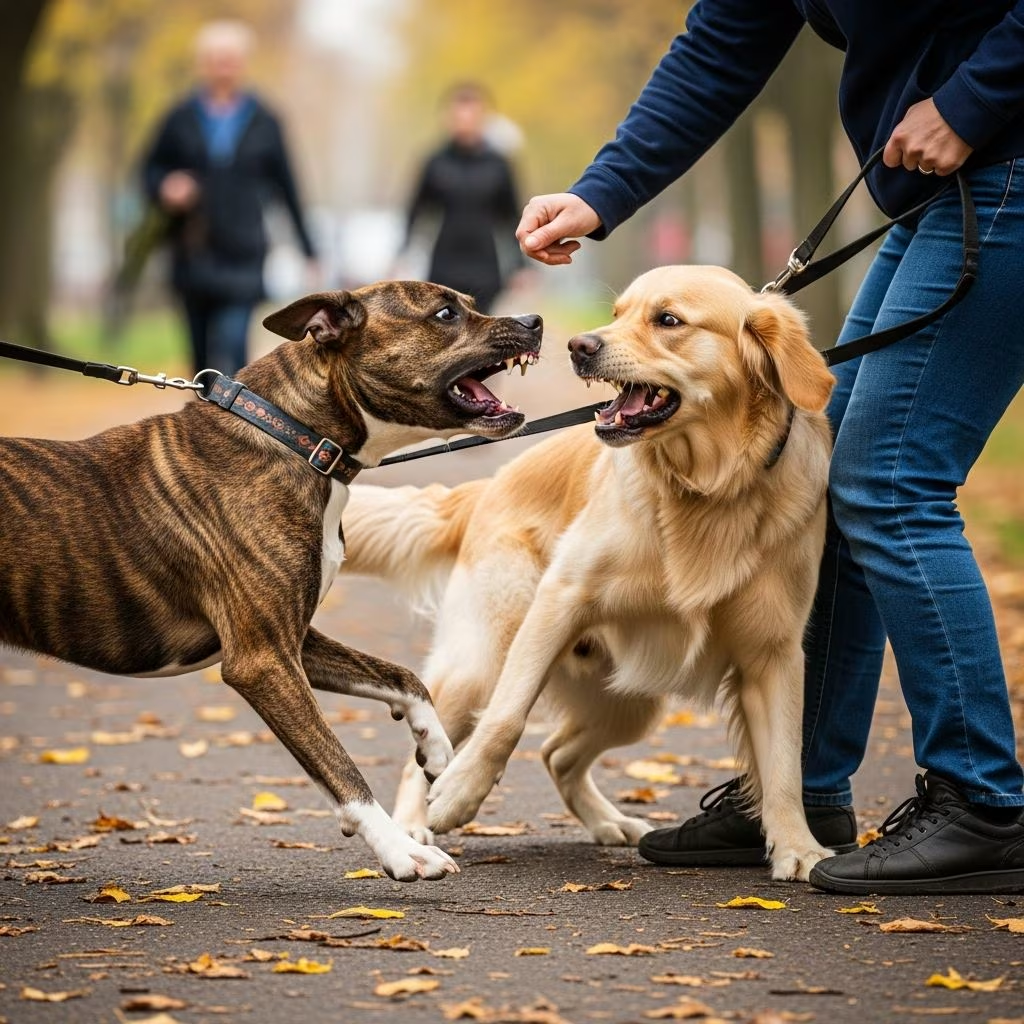
Dog conflicts can escalate rapidly and create dangerous situations for both animals and their owners. Understanding effective intervention strategies is essential for anyone who spends time around dogs. Whether you encounter an aggressive encounter at a park, on a neighborhood walk, or between your own pets, knowing how to respond safely can prevent serious injuries. This guide explores evidence-based methods to de-escalate and safely separate fighting dogs while minimizing risk to yourself and others.
Understanding the Risks Before You Intervene
The foremost consideration when approaching any dog altercation is personal safety. Intervening in a dog conflict carries inherent risks, as frightened or aggressive animals may redirect their aggression toward anyone attempting to separate them. Dogs in a heightened state of arousal are unpredictable and may bite handlers without warning. Before taking action, assess whether the situation genuinely requires your intervention or if removing yourself and your pet from the area is a safer option. If the dogs’ owners are present and able to manage their animals, step back and allow them to handle the situation. Only intervene when necessary and when you are reasonably confident you can do so without severe injury risk.
Distraction-Based Interruption Methods
One of the safest initial approaches involves creating sensory disruptions that break the dogs’ focus on each other. These techniques work by redirecting attention rather than through direct physical intervention.
Auditory Interruptions
Dogs respond strongly to sudden loud noises that startle them and interrupt their fixation on fighting. Effective auditory interruptions include vigorous clapping, sharp vocal commands, or loud whistling. The goal is to surprise the dogs sufficiently to create a momentary pause in their conflict. This brief window of opportunity may allow the dogs to disengage naturally or give you time to create additional separation. Carry a whistle during walks for this specific purpose, as it produces a consistent, piercing sound that carries well in outdoor environments.
Water-Based Disruptions
Water application serves as a non-injurious method to startle dogs and interrupt aggressive behavior. Available water sources include spray bottles, hoses, buckets, or even splashing water from puddles. The sudden cold sensation and surprise typically causes dogs to pause their altercation momentarily. While this method rarely stops a fight permanently, it creates the distraction needed to implement other separation techniques. Ensure you have assessed what water sources are available in environments you frequent with your dog.
Chemical Deterrents
Dog-safe deterrent sprays like citronella can interrupt aggressive encounters without causing injury. However, research your local regulations before carrying any deterrent spray, as some jurisdictions restrict their use. Additionally, familiarize yourself thoroughly with how to deploy the spray correctly before an emergency occurs. Improper use can be ineffective or may further agitate the dogs. If you choose this option, practice with the spray mechanism beforehand so you can deploy it quickly and accurately under stressful circumstances.
Physical Barrier Techniques
Creating physical separation between fighting dogs significantly reduces their ability to continue aggressive behavior. Various objects in your immediate environment can serve as effective barriers.
Environmental Barriers
Look for readily available items to position between the dogs: backpacks, chairs, trash cans, umbrellas, or dog beds. Opening an umbrella quickly creates both visual obstruction and physical space. These barriers interrupt the dogs’ line of sight and make continued fighting more difficult. When using environmental barriers, move deliberately but calmly to position them, as sudden movements may escalate the situation rather than calm it.
Leash Barriers
If you have an unattached leash available, it can serve as a makeshift barrier between the dogs. Some handlers utilize extra leashes as slip leashes to prevent re-engagement after initial separation. However, avoid attempting to grasp a collar or harness directly during active fighting, as your hands risk serious bites. Instead, use the leash mechanism itself to create separation or control without direct hand contact near the dogs’ mouths.
Elevation and Containment for Small Dogs
When smaller dogs are involved in altercations, elevation from ground level provides immediate protection. If your dog is small enough to handle safely, quickly lift and place them on a raised surface such as a chair, table, or car hood. This removes them from the conflict entirely and prevents the larger or more aggressive dog from continuing pursuit. Alternatively, place small dogs into protective containers or enclosed spaces if available. This method is most practical for toy and small breed dogs but may not be feasible for medium to large animals.
The Wheelbarrow Method: Two-Person Separation
The wheelbarrow technique represents the most effective and safest approach when two people are available. This method’s effectiveness stems from its biomechanical design, which prevents dogs from continuing to engage while providing handlers with maximum control and safety.
Implementation Steps
Each person positions themselves behind one of the fighting dogs and grasps both hind legs of their respective animal. The legs are lifted simultaneously, essentially immobilizing the dogs in a wheelbarrow position with their front legs off the ground. Once both dogs are lifted, the handlers pull backward, creating immediate separation. The key to safety lies in what happens after initial separation: handlers must not release the dogs or set them down immediately, as they will often immediately resume fighting.
Maintaining Control After Separation
After pulling the dogs apart, the two handlers begin moving in a circular pattern while slowly backing away from each other. This circular motion prevents the suspended dogs from curling forward to bite the handlers holding their legs. The dogs must sidestep with their front feet to avoid falling on their chins, which keeps them focused on maintaining balance rather than returning to fight. The handlers should continue this circling motion until both dogs can be placed into separate enclosures—different rooms, kennels, or fenced areas. Only after secure separation should the handlers release the dogs.
This method’s success depends on coordination between handlers and commitment to maintaining the circular motion throughout the separation process. Releasing dogs prematurely or setting them down in close proximity typically results in the fight immediately resuming.
Managing Locked Jaw Grips
Some dogs maintain extremely strong grips during fights, making simple pulling ineffective and potentially dangerous to the victim dog. When a dog has latched onto another, releasing this grip before attempting separation is critical to prevent additional injury.
Break Stick Technique
A break stick is a specially designed flat, strong implement inserted horizontally as close to the back of the dog’s throat as possible. Once positioned, the stick is twisted to force the jaw open and release the grip. This technique requires specific knowledge and confidence to perform safely, as improper execution can cause harm. If you frequent areas where this technique might be necessary, invest time in learning proper break stick use from qualified professionals.
Collar Lift Method
An alternative approach involves lifting the attacking dog’s collar high and tight, positioning it just behind the jawbone and ears. This technique, when applied with sufficient pressure and held long enough, typically forces the dog to release its grip within several seconds. The handler should pull the collar backward rather than upward to avoid sending confusing signals that the handler is participating in the fight. This method requires confidence and physical capability to execute effectively.
Prevention Through Leash Management
Many dog conflicts can be prevented or their severity reduced through proper leash techniques and awareness. Maintaining awareness of other dogs in your vicinity allows you to create distance before conflicts develop.
Leash Control Strategies
Use shorter leashes when walking in areas where you’re likely to encounter other dogs. Shorter leashes provide better control and faster response capability. Hold the leash with the hand on the same side as your dog, which improves your ability to quickly move your dog away from approaching animals. Stay alert to other dogs’ body language and positioning, adjusting your path or pace to maintain safe distances before aggressive encounters develop.
What Not To Do During Dog Fights
Certain interventions that seem intuitive can actually worsen situations or increase injury risk. Understanding these counterproductive approaches is essential for making safe decisions in emergencies.
- Avoid reaching into the fight: Attempting to grab collars or separate fighting dogs with bare hands significantly increases your risk of serious bite wounds. Dogs in conflict may bite without distinguishing handlers from competitors.
- Don’t pull straight up on collars: Upward pulling can send confusing signals that you’re escalating the fight. Pull backward and downward instead when using collar-based techniques.
- Avoid jumping into the middle: Inserting yourself physically between fighting dogs creates confusion and increases misdirected aggression toward you.
- Don’t use leash windmill technique casually: Swinging an unclipped leash in windmill motions should only be used in true emergencies, as this aggressive display can further escalate conflict rather than calm it.
Aftermath: Handling Dogs After Separation
Once dogs are successfully separated and secured, management of the situation continues beyond initial intervention. Allow time for all parties to calm before handling or moving animals unnecessarily. Document any injuries for medical treatment and potential liability purposes. If the encounter involved an unknown dog, attempt to obtain owner contact information for follow-up communication regarding vaccination status and future prevention. Consult a veterinarian regarding any injuries, even minor ones that might hide deeper trauma.
Training and Preparedness
The most effective response to dog altercations comes from prior preparation. Practice your intervention techniques mentally before emergencies occur. Consider formal training in dog conflict de-escalation from qualified professionals. Understanding your own physical limitations and the specific techniques that work best for your size and capabilities ensures you’ll make effective decisions under stress. Regular practice with available supplies in your environment—knowing where water sources are, which barriers are available, who might assist—dramatically improves your response capability.
References
- Dog fights: How to prevent them and how to break them up — BC SPCA. https://spca.bc.ca/news/dog-fights-how-to-prevent-them-and-how-to-break-them-up/
- How to Break Up a Dog Fight the Right Way — Central California SPCA. https://ccspca.com/blog-spca/education/how-to-break-up-a-dog-fight/
- How to Stop a Dog Fight – Behavior Triage Blog Series — Wise Mind Canine. https://wisemindcanine.com/blog/stop-a-dog-fight-behavior-triage/
- How to Break Up a Dog Fight Without Getting Hurt — Leerburg. https://leerburg.com/dogfight.htm
- How to STOP a DOG ATTACK in 3 Seconds – GUARANTEED! — YouTube. https://www.youtube.com/watch?v=iE8IjSRouuU



