

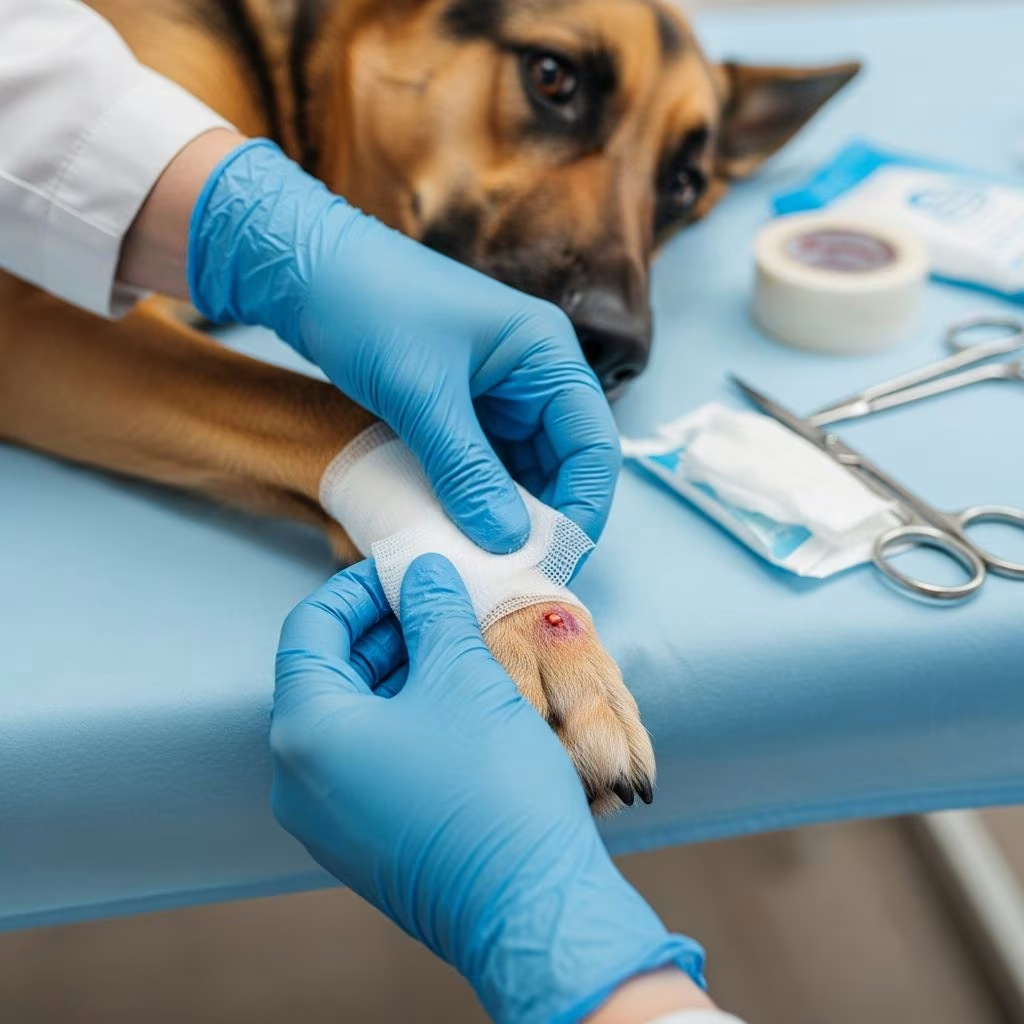
Dog fights can result in severe injuries that demand prompt action to prevent life-threatening complications. These wounds often hide extensive damage beneath the surface, making professional veterinary care essential alongside initial home assessments.
Understanding the Nature of Fight-Related Trauma in Dogs
Combat between dogs typically involves powerful jaws that inflict puncture wounds, lacerations, and crush injuries. Unlike clean cuts, these damages introduce bacteria from saliva deep into tissues, fostering rapid infection risks. External appearances frequently mislead owners, as superficial punctures may mask internal hemorrhaging, organ damage, or nerve disruptions.
Veterinarians emphasize that even minor-looking bites warrant examination because hidden trauma like muscle tears or fractures can escalate without intervention. Statistics from veterinary reports indicate that untreated fight wounds lead to abscesses in over 80% of cases within days.
Initial Response: Securing Safety and Evaluating Damage
Upon separating fighting dogs, prioritize safety by isolating your pet from further threats. Approach calmly to avoid startling the injured animal, which may react defensively due to pain.
- Check for immediate dangers like uncontrolled bleeding or respiratory distress.
- Perform a gentle whole-body scan in good lighting, parting fur to reveal hidden punctures.
- Observe vital signs: normal gums are pink; pale or blue tones signal shock.
Apply gentle pressure with a clean cloth to stem bleeding, but avoid tight bandages initially. Do not attempt to clean deep punctures at home, as this can push contaminants deeper.
Critical Indicators for Emergency Veterinary Attention
Not all injuries require rushing to an emergency clinic, but many do. Use this table to gauge urgency:
| Symptom | Action Required | Why It’s Serious |
|---|---|---|
| Puncture wounds of any depth | Immediate vet visit | High infection risk; hidden damage |
| Heavy bleeding not stopping in 5 minutes | Emergency care | Risk of shock or organ failure |
| Pale gums, rapid breathing, weakness | ER now | Signs of shock or internal bleeding |
| Difficulty breathing or abdominal swelling | Critical emergency | Possible chest penetration or rupture |
| Wounds near eyes, throat, genitals | Urgent specialist | Vital area vulnerability |
Smaller dogs attacked by larger ones face amplified risks due to shaking trauma, often necessitating x-rays or ultrasounds.
Professional Treatment Protocols for Combat Injuries
At the clinic, expect a comprehensive evaluation under sedation to uncover full injury extent. Treatments vary by wound location and severity.
Cleaning and Debridement Procedures
Vets shave surrounding fur, flush wounds with sterile solutions, and excise necrotic tissue. Deep punctures may be enlarged for thorough inspection, preventing abscess pockets.
Antibiotic and Pain Management Strategies
Broad-spectrum antibiotics like amoxicillin-clavulanate target mouth bacteria, administered orally or intravenously. Pain relief via NSAIDs such as carprofen or meloxicam ensures comfort and mobility.
Surgical Interventions When Necessary
Extensive lacerations receive sutures after debridement; drains manage fluid buildup. Chest penetrations demand thoracotomy, while abdominal injuries may involve organ repair or removal. Head trauma could require anti-swelling agents like mannitol.
For shock cases, IV fluids stabilize before addressing wounds. Skin grafts address large defects in severe scenarios.
Home Care Essentials During the Healing Phase
Post-treatment, diligent monitoring prevents setbacks. Key practices include:
- Administering all medications on schedule; consult vets for administration issues.
- Keeping bandages dry and clean, changing as directed.
- Using e-collars to deter licking, which introduces bacteria.
- Restricting activity to leash walks only.
Monitor daily for infection flags: increased redness, pus, fever, or lethargy. Report changes immediately.
Preventing Long-Term Complications and Promoting Recovery
Full healing spans 10-14 days for minor wounds, longer for surgeries. Follow-ups ensure suture removal and progress checks. Nutritional support with high-protein diets aids tissue repair.
Complications like chronic infections or scarring arise from poor compliance. Proper care yields 90% full recovery rates per veterinary data.
FAQs on Canine Fight Wound Management
Can I treat a dog fight wound at home without a vet?
No, professional assessment is mandatory due to hidden dangers and infection perils.
How soon after a fight should I see a vet?
Within hours; delays heighten infection odds.
What if my dog seems fine after the fight?
Still seek evaluation—punctures seal quickly, trapping bacteria.
Are antibiotics always needed?
Typically yes, for penetrating wounds.
How do I prevent my dog from future fights?
Supervise interactions, train obedience, and neuter to curb aggression.
Broader Implications: Legal and Ethical Considerations
Dog fighting is illegal in most regions, with severe penalties. If suspecting organized fights, report to authorities like ASPCA. Responsible ownership prevents such traumas through socialization and secure containment.
References
- Dogfight Injuries and Wounds — PetPlace.com. Accessed 2026. https://www.petplace.com/article/dogs/diseases-conditions-of-dogs/dogfight-injuries-and-wounds
- Dog Fight Wounds: Treatment Tips — EVCC. Accessed 2026. https://evcc.com/blog/dog-fight-wounds/
- Puncture Wounds in Dogs — Advanced Animal Care. Accessed 2026. https://aac.vet/blog/puncture-wounds-in-dogs/
- Bite Wounds in Dogs — VCA Animal Hospitals. Accessed 2026. https://vcahospitals.com/know-your-pet/bite-wounds-in-dogs
- Dogfighting FAQ for Veterinarians — ASPCApro. Accessed 2026. https://www.aspcapro.org/sites/default/files/aspca_cruelty_dogfighting_vet_faq.pdf



